Exercise
Types of Low Impact Exercises

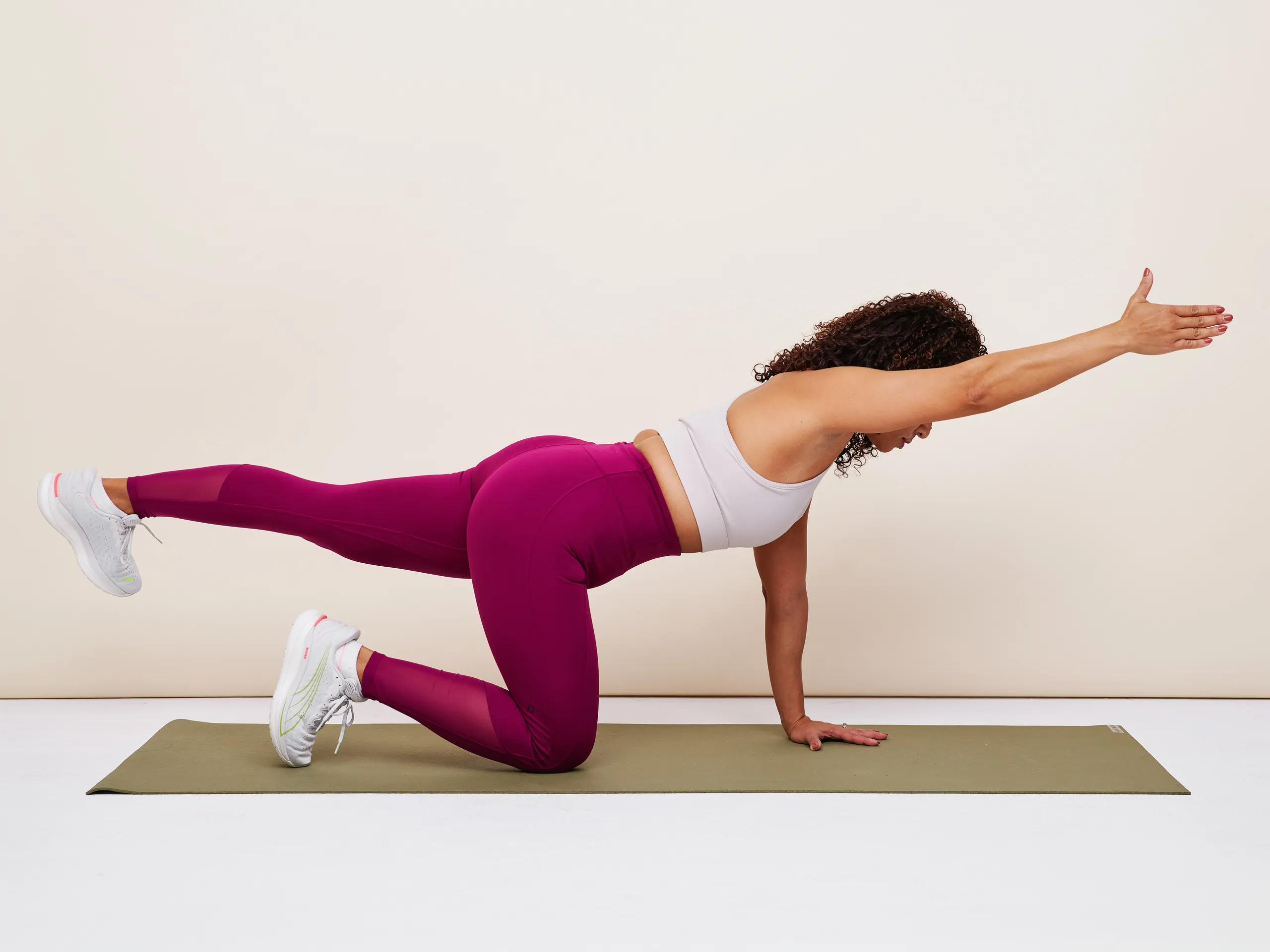

Types of low impact exercises. One of the best ways to preserve and enhance your health without overtaxing your joints and muscles is to include low-impact exercises in your fitness regimen. Any of these activities—walking, swimming, cycling, yoga, or Tai Chi offer a variety of mental and physical advantages, making them appropriate for individuals of different ages and fitness levels. Engaging in these activities on a regular basis can improve cardiovascular health, increase strength and flexibility, lower stress levels, and advance general wellbeing. To accommodate your unique exercise objectives and capabilities, start at a comfortable level and progressively raise the intensity.
TYPES OF LOW IMPACT EXERCISES
In contrast to high-impact workouts, low-impact exercises like walking, cycling, swimming, yoga, and Pilates put less strain on the joints. Other possibilities include rowing, water aerobics, elliptical training, and specific strength training exercises like wall sits and bodyweight squats. These are less taxing activities that are excellent for strengthening your heart and increasing your strength. Here are low-impact exercises that can help you maintain fitness and improve overall wellness.
1. Walking;
Description:
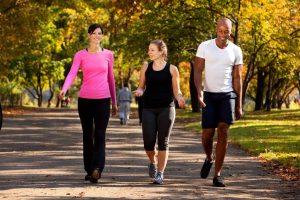
Walking is one of the simplest and most accessible forms of exercise. It requires no special equipment and can be done virtually anywhere.
Benefits:
– Improves cardiovascular health
– Strengthens muscles
– Enhances mood and mental clarity
– Aids in weight management
How to Do It:
– Start with a comfortable pace and gradually increase your speed and distance.
– Aim for at least 30 minutes of walking most days of the week.
– Use proper footwear to support your feet and reduce the risk of injury.
Tips:
• Incorporate brisk walking intervals to elevate your heart rate.
• Walk in different environments, such as parks or nature trails, to keep the routine interesting.
2. Swimming;

TYPES OF LOW IMPACT EXERCISES
Description:
Swimming provides a full-body workout without putting strain on your joints. It’s an excellent exercise for building strength and endurance.
Benefits:
– Enhances cardiovascular fitness
– Improves flexibility and range of motion
– Strengthens muscles and builds endurance
– Reduces stress and improves mental health
How to Do It:
– Start with simple strokes like freestyle or backstroke.
– Aim for 20-30 minutes of continuous swimming.
– Incorporate different strokes to engage various muscle groups.
Tips:
– Join a local swimming class or water aerobics group for structured workouts.
– Use flotation devices or kickboards if you’re a beginner or need extra support.
3. Cycling;

TYPES OF LOW IMPACT EXERCISES
Description:
Cycling, whether on a stationary bike or outdoors, is a low-impact exercise that provides an excellent cardiovascular workout.
Benefits:
– Enhances cardiovascular health
– Strengthens leg muscles
– Improves joint mobility
– Supports weight management
How to Do It:
– Adjust the bike to fit your body properly, ensuring your knees are slightly bent at the bottom of each pedal stroke.
– Start with a moderate pace and gradually increase intensity.
– Aim for 30 minutes of cycling most days of the week.
Tips:
– Use a stationary bike if you prefer indoor workouts or if the weather is not conducive to outdoor cycling.
– Join a cycling class for added motivation and guidance.
4. Yoga;
TYPES OF LOW IMPACT EXERCISES
Description:
Yoga combines physical postures, breathing exercises, and meditation to improve flexibility, strength, and mental clarity.
Tips:
– Take a beginner’s yoga class or follow online tutorials to learn the basics.
– Use props like blocks and straps to modify poses as needed.
5. Tai Chi;
TYPES OF LOW IMPACT EXERCISES
Description:
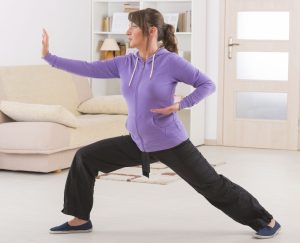
Tai Chi is a gentle form of martial arts that focuses on slow, deliberate movements and deep breathing. It’s particularly beneficial for improving balance and reducing stress.
Benefits:
– Enhances balance and coordination
– Improves flexibility and strength
– Reduces stress and promotes relaxation
– Supports joint health
Summary


Eyes exercises for good sight. Particularly for computer users, eye exercises can help relax eye muscles, enhance attention, and lessen digital eye strain. The 20-20-20 rule, pencil pushups for concentration, blinking to prevent dryness, palming for relaxation, and eye rolling to build muscle are important activities.
EYES EXERCISES FOR GOOD SIGHT
Recall that the purpose of these exercises is not so much to directly avoid infections as it is to promote general eye health and comfort. See an eye care specialist for an accurate diagnosis and course of treatment if you have ongoing discomfort or suspect an eye infection.
While eye exercises can contribute to overall eye health, they may not specifically prevent infections. To minimize the risk of eye infections, consider these general eye care practices along with some exercises:
General Eye Care:

1. Hand hygiene: Wash your hands regularly to prevent the transfer of bacteria to your eyes.
2. **Avoid touching your eyes: Minimize contact with your eyes to reduce the risk of introducing germs.
3. Clean contact lenses: If you wear contacts, follow proper hygiene and care routines.
4. Avoid sharing eye makeup: Sharing makeup can spread bacteria, increasing infection risk.
5. Protect your eyes:

Eyes exercises for good sight
Use protective eyewear in environments where there is a risk of debris, chemicals, or infections.
Eye Exercises:
1. Blinking exercises: Regularly blink your eyes to keep them moist and reduce the risk of dry eyes.
2. Palming: Rub your hands together to generate heat, then place them gently over closed eyes without applying pressure. This can relieve eye strain.
3. Eye rolls:

Eyes exercises for good sight
Slowly roll your eyes in a circular motion, first clockwise and then counterclockwise.
4. Focus shifting: Look at an object up close, then shift your focus to a distant object. Repeat this to exercise your eye muscles.
5. 20-20-20 rule: Take a 20-second break every 20 minutes and look at something 20 feet away to reduce eye strain. For more updates click
Summary
Easy eye workouts that reduce eye strain, enhance attention, and build muscle include the 20-20-20 rule, palming, concentrating shifts, and blinking. These methods, including focusing on a far-off object every 20 minutes, improve flexibility and alleviate digital eye fatigue.


Exercise benefits. Frequent exercise has many positive effects on both physical and mental health, such as lowering the risk of chronic illnesses including cancer, diabetes, and heart disease, controlling weight, building stronger bones and muscles, improving mood, getting better sleep, having more energy, and improving brain health. Regular exercise releases endorphins, which promote longevity and lessen anxiety and despair.
EXERCISE BENEFITS
Exercise is organized physical activity intended to enhance or preserve wellness, health, and physical fitness. Aerobic (running, swimming), strength (weights), flexibility (yoga), and balancing workouts are important categories. Frequent exercise, like brisk walking, lowers the risk of chronic diseases, enhances mood, helps control weight, and improves cardiovascular health.
1. Controls weight;

Exercise might help you maintain your weight loss or assist you avoid gaining too much weight. Engaging in physical activity causes your body to burn calories. Your burning of calories increases with the intensity of the activity.
2. Combats health conditions and diseases;
Are you concerned about heart disease? Wishing to avoid elevated blood pressure? Regardless of your present weight, exercising raises “good” cholesterol, or high-density lipoprotein (HDL), and lowers bad cholesterol, or triglycerides. This combination reduces your chance of cardiovascular diseases, which are disorders of the heart and blood vessels. It also keeps your blood flowing normally.
3. Improves mood;

Exercise Benefits
In need of some emotional support? or require stress relief following a demanding day? A vigorous stroll or going to the gym can assist. Numerous brain chemicals are stimulated when you exercise, which may make you feel happier, more at ease, and less nervous.
4. Boosts energy;
Feeling exhausted from your grocery shopping or housework? Frequent exercise helps increase endurance and strengthen your muscles. Exercise helps your cardiovascular system function more effectively and delivers oxygen and nutrients to your tissues. Additionally, when your lung and heart health improves, you will have more energy to complete everyday tasks.
5. Promotes better sleep;

Exercise Benefits
Having trouble sleeping? Frequent exercise can improve your sleep quality, lengthen your sleep duration, and help you fall asleep more quickly. However, avoid exercising right before bed as you can be too energized to fall asleep.
6. Puts the spark back into your sex life;
Do you think you’re too worn out or unfit to enjoy close physical contact? Frequent exercise can help you feel more confident about your physical appearance and have more energy, which can enhance your sex life.
7. Can be fun and social;

Exercise Benefits
Recreation and physical activity can be enjoyable. They allow you to relax, take in the scenery, or just do things that bring you delight. In a fun social context, physical activity can also strengthen your bonds with family and friends. major factor
Summary
Do you want to feel better, have more energy, and live a longer life? Just work out. The health benefits of regular exercise and physical activity are hard to ignore. Everyone benefits from exercise, regardless of age, gender, or degree of physical ability. Do you require more convincing to make a move? Check out these seven potential benefits of exercising for your health and happiness.
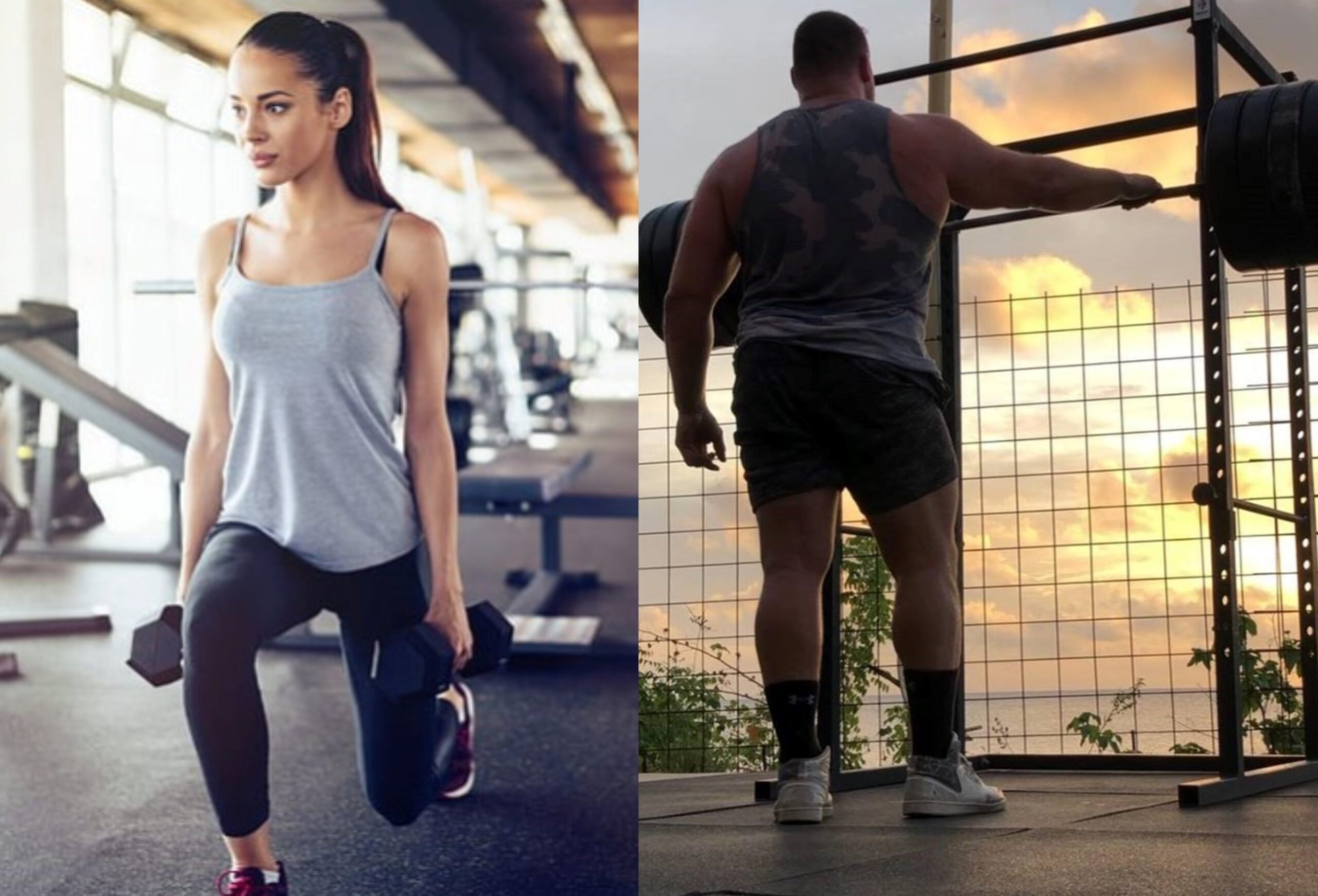
Best workout time. The ideal time to work out depends on your body and goals, although afternoons (2–6 PM) frequently offer peak physical performance due to increased body temperature and strength, while mornings can assist regulate sleep, increase focus, and burn fat (particularly when fasting). Exercise in the evening can reduce stress and enhance the quality of your sleep, but don’t work out too close to bedtime. Choose the time you’re most likely to stick with because consistency is ultimately what matters most. Aim for at least 150 minutes of moderate aerobic activity or 75 minutes of vigorous activity per week, plus muscle strengthening twice a week. While the afternoon or evening may offer peak performance, consistency is most important, so pick a time you can stick with, even if it means dividing workouts into shorter sessions. This will depend on your goals and schedule.
BEST WORKOUT TIME
A workout is a period of physical activity to increase fitness that includes aerobic (running, swimming), strength (weights, pushups, squats), balance, core, and flexibility (yoga) exercises. For general health, it is recommended to engage in at least 150 minutes of moderate activity per week in addition to strength training twice a week. Squats, lunges, pushups, and planks are important exercises that can be done at the gym or at home.
Best Time;
Best workout time
Morning physical activity: “Exercising in the morning can help boost your metabolism and energy levels throughout the day and be a great way to establish. Workouts in the afternoon: “Doing an afternoon workout can help relieve stress after a long day.” “Plus, body temperature and muscle flexibility tend to peak in the late afternoon making it a good time for more intense workouts.” Exercise in the evening: Exercising in the evening can help you relax and release tension from the day.
Types of Best workout time;
1. Cardiovascular Work You’re breathing and heart rate will increase during aerobic activity, which is beneficial for numerous bodily processes. It improves endurance and works your heart and lungs.
2. Strength exercises We lose muscle mass as we age. It is rebuilt through strength training. Regular strength training will help you feel more confident and capable of daily tasks like carrying groceries, gardening, and lifting heavier objects around the house.
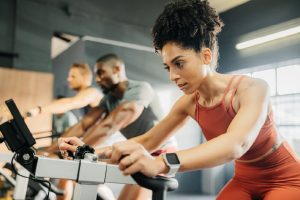
Best workout time
3. Extending Maintaining flexibility can be achieved through stretching. We frequently forget that when we are younger our muscles are healthier. However, the aging process causes the muscles and tendons to become less flexible.
4. exercises for balance You feel more stable on your feet and can avoid falls if you can improve your balance. It becomes increasingly crucial as we age because our vision,
Summary
Our busy schedules may make it difficult to find time for exercise. It can be difficult to find time to squeeze working out in between a hard job, a social life, and binge-watching the newest Netflix marathon, even though we know that it is crucial for our health and wellbeing. However, knowing that coming to the gym at particular times will help us fully achieve our fitness goals might lighten our already hectic schedules.

Airline Travellers and Baggage Allowances

First Time Travellers and Airline Policies

Plane Tickets Relevance

A Step-by-Step Guide to Deleting Reels on Instagram

How to Create a WhatsApp Group