Health
Types of Lumps


Types of lumps. Any new or changing lump needs to be examined by a doctor to determine whether it is a benign bump, an infection, or something more serious like a malignant tumor. Lumps can range from benign fatty deposits like lipomas, fluid-filled sacs like cysts, and skin growths like skin tags or warts to inflamed infections like abscesses or boils, or swollen lymph nodes due to infection, with cancerous growths being a serious possibility.
TYPES OF LUMPS
While finding a tumor on your body may be unsettling, not all lumps should be taken seriously. The size, texture, and position of lumps can vary, and while some may be a sign of a serious illness, many are harmless and benign. It’s essential for your health and well-being to know the many kinds of lumps and when to consult a doctor.
Common Types;
1. Lipomas:
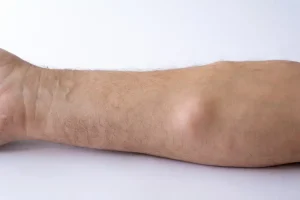

These are soft, fatty lumps that grow under the skin. Lipomas are usually painless, slow-growing, and benign, meaning they are not cancerous. They commonly appear on the neck, shoulders, back, or arms and are generally harmless, though they can be removed if they cause discomfort.
2. Cysts:


Types of lumps
Cysts are fluid-filled sacs that can develop under the skin or within tissues in the body. They can vary in size and may feel firm or soft. Most cysts are benign, such as sebaceous cysts, which are common on the face, neck, and back. However, if a cyst becomes painful, infected, or grows rapidly, it’s important to consult a healthcare provider.
3. Swollen Lymph Nodes:
Lymph nodes are part of the immune system, and they can become swollen due to infection, inflammation, or, in some cases, cancer. Swollen lymph nodes are typically found in the neck, armpits, or groin and often shrink back to normal once the underlying cause is treated. Persistent swelling, however, should be evaluated by a doctor.
4. Fibroadenomas:


Types of lumps
These are benign breast lumps common in younger women. They are usually round, firm, and movable under the skin. While fibroadenomas are not cancerous, any new or unusual breast lump should be checked by a healthcare provider to rule out breast cancer.
5. Hematomas:
A hematoma occurs when blood collects outside of blood vessels, typically due to an injury. This can cause a lump to form under the skin, which may be tender or painful. Hematomas often resolve on their own, but large or persistent ones may need medical attention.
When to See a Doctor?


Types of lumps
While many lumps are harmless, it’s essential to know when a lump might require medical evaluation. You should see a healthcare provider if a lump:
– Grows rapidly or changes in shape.
– Is painful, tender, or red.
– Feels hard or fixed in place.
– Is accompanied by other symptoms like fever, unexplained weight loss, or night sweats.
– Appears suddenly without an obvious cause.
Early diagnosis and treatment are key, especially if a lump could be a sign of something more serious like an infection or cancer.
Summary
Many of the causes of lumps are benign, but it’s still vital to keep an eye on them and consult a doctor if you discover any alarming changes. Knowing the type of lump you have and receiving the right medical assessment can give you piece of mind and guarantee that you get any treatment you need as soon as possible.