
Food
Types of Proteins

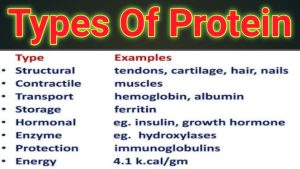
Types of proteins. amino acids subunits combine to form protein , which are macromolecules. Covalent bonds between these amino acids create polypeptides, which are lengthy linear chains that fold into a particular three-dimensional shape. These folded polypeptide chains can occasionally function on their own.
TYPES OF PROTEINS
The macronutrient proteins aid in the development and upkeep of bodily tissues. The fundamental building blocks of proteins are amino acids, which can be categorized as either essential or non-essential. While non essential amino acids are produced naturally by your body, necessary amino acids are found in meals high in protein, such as meat, beans, and poultry.
1) Hormonal protein
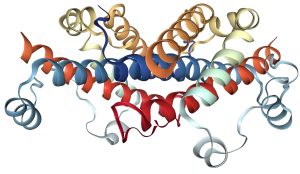
The cells of the endocrine glands release substances called hormones, which are based on proteins. Hormones function as chemical messengers that carry messages from one cell to another and are typically carried via the blood. Target cells are specific cells in your body that are impacted by each hormone. The hormone binds itself to certain receptors on these cells in order to send signals.
2) Protein Enzymes
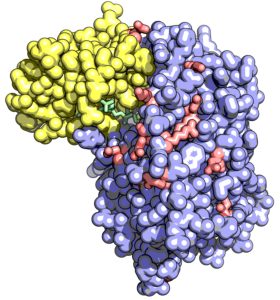
Blood coagulation, stomach digestion, liver function, and the conversion of glycogen to glucose are all accelerated by enzymatic proteins. Digestive enzymes, which simplify food so your body can absorb it more readily, are one example.
3) Protein Structure
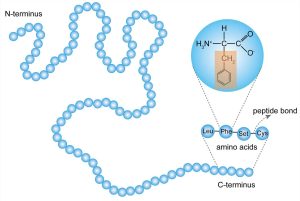
Structural proteins, also referred to as fibrous proteins, are essential bodily parts. They consist of elastin, keratin, and collagen. Your muscles, bones, tendons, skin, and cartilage are all made of collagen. The primary structural element of skin, hair, nails, and teeth is keratin.
4) Protein Defensiveness
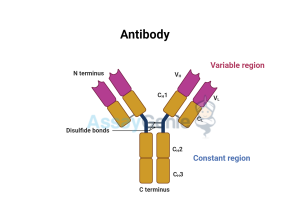
Immunoglobulin, often known as antibodies, is a vital component of your immune system that prevents illness. White blood cells produce antibodies, which target and neutralize bacteria, viruses, and other dangerous pathogens.
6) Protein Transport
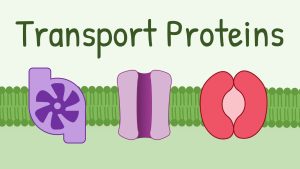
Transport proteins deliver essential components to the cells. For instance, hemoglobin transports oxygen from the lungs to bodily tissues. While myoglobin takes up oxygen from hemoglobin and subsequently delivers it to the muscles, serum albumin transports lipids through the bloodstream. Another transport protein that helps the gut walls absorb calcium is called calbindin.
7) Protein Receptor
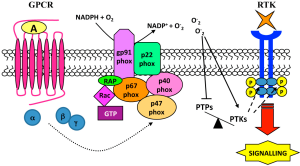
Receptor proteins, which are found on the outside of cells, regulate the flow of chemicals into and out of them, such as nutrients and water. In order to control blood sugar levels, certain receptors trigger endocrine glands to release insulin and adrenaline, while other receptors activate enzymes.
8) Protein Contractile
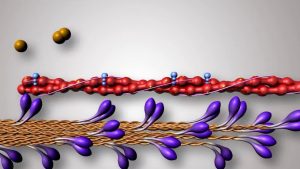
Contractile proteins, also referred to as motor proteins, control the force and velocity of cardiac and muscle contractions. Actin and myosin are these proteins. If contractile proteins result in significant contractions, they may cause heart problems. This brings the total number of protein types to eight.
Summary
Protein aids in blood oxygenation, hormone regulation, tissue healing, and strength building. A healthy, balanced diet must include protein, a macronutrient with several health benefits. Eating a sufficient amount of protein helps you stay as healthy as possible today and in the future.


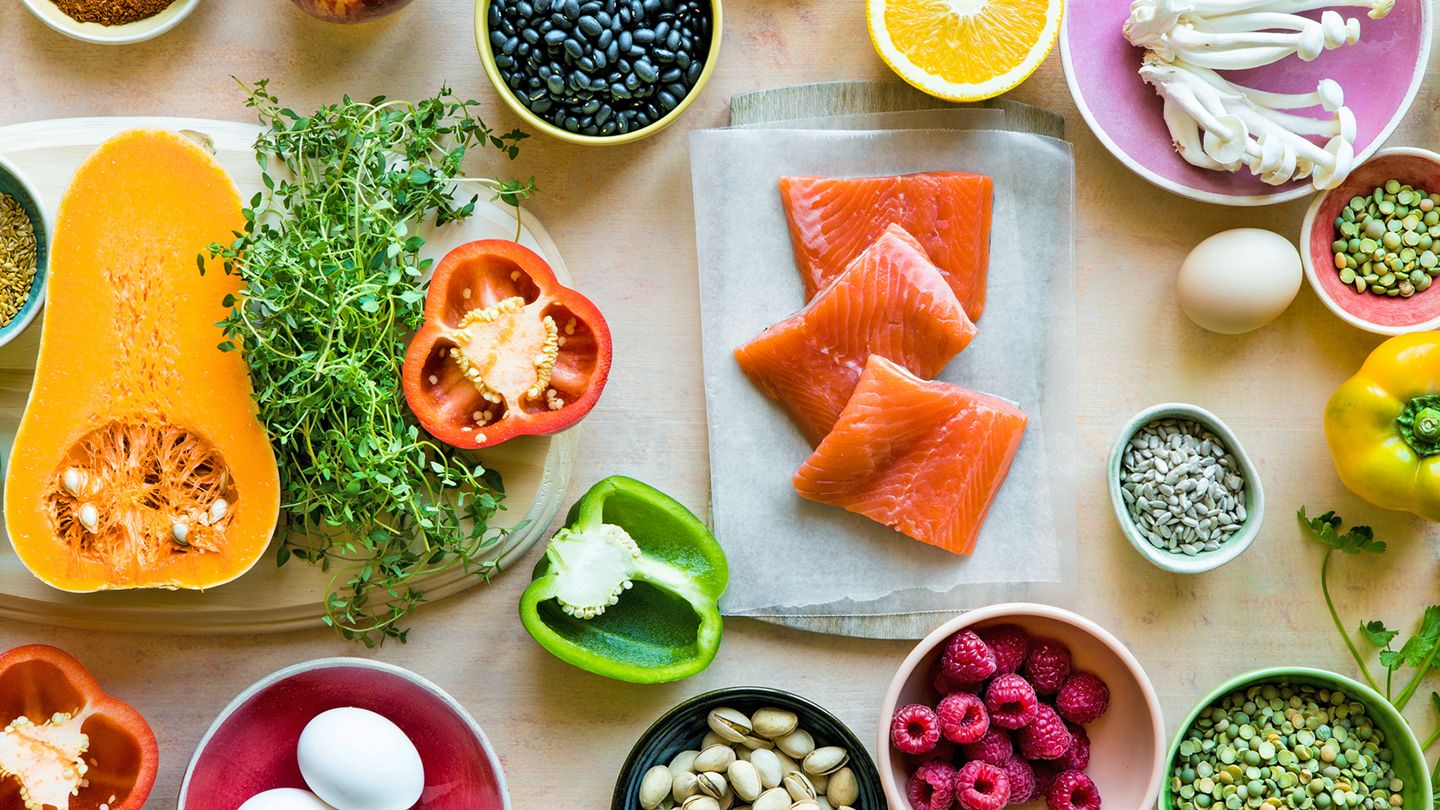
Understanding balanced diet. Maintaining a balanced diet throughout life can help prevent several noncommunicable diseases (NCDs) and illnesses, as well as malnutrition in all its manifestations. However, dietary patterns have changed as a result of growing urbanization, shifting lifestyles, and changes in food systems and production. In addition to eating more highly processed foods that are heavy in harmful fats, free sugars, salt, and sodium, many individuals also don’t eat enough fruits, vegetables, or dietary fiber.
UNDERSTANDING BALANCED DIET
A healthy diet often excludes processed meals and includes a lot of fresh fruits and vegetables. To enhance your health, however, consult a dietician or your physician for guidance on more precise dietary adjustments. Eating a well balanceddiet provides your body with the necessary nutrient for optimal health. A diet that is balanced provides the ideal amount of calories and minerals, vitamins and other vital components for the composition of your body.
Foods from the following basic categories are included in a balanced diet:
- Proteins
- Fruits
- Vegetables
- Grains
- Fats/oils
- Dairy
Why Is a Balanced Diet Important?

A balanced diet lowers your chance of developing chronic illnesses and ailments and helps you maintain excellent health throughout your life. A baddiet might cause you to function below par and increase your risk of infection, exhaustion, mental fog, and other health issues. A poor diet is strongly associated with heart disease, type 2 diabetes, cancer and stroke some of the main causes of death.
Calories;
There are specific amounts of calories in the meals you eat. Calories are not a physical component of food; rather, they are a measurement of the amount of energy your body absorb via the breakdown and metabolization process. Your body requires a different amount of calories depending on your age, gender and level of activity.
Choosing a Balanced Diet;
Understanding balanced diet
Choose whole meals that are high in nutrients and offer the most nutritional content per calorie. This guarantees that your body uses high quality ingredients and provides you with long term fuel.
Nutrients in high quality diets are diverse.
- Vitamins
- Minerals
- Fiber
- Healthy fats
Proteins;

Understanding balanced diet
One half of your plate, or roughly 5.5 ounces, should consist of proteins each day. Pick fish consist of proteins each day. Pick fish, poultry, eggs lean red meats, beans lentils, and seeds.
Summary
Your body gets the precise nutrients, vitamins, and minerals it needs from a balanced diet in order to function properly, maintain energy, and fend off chronic illnesses. It entails maintaining adequate hydration while eating the appropriate amounts of vital dietary categories.
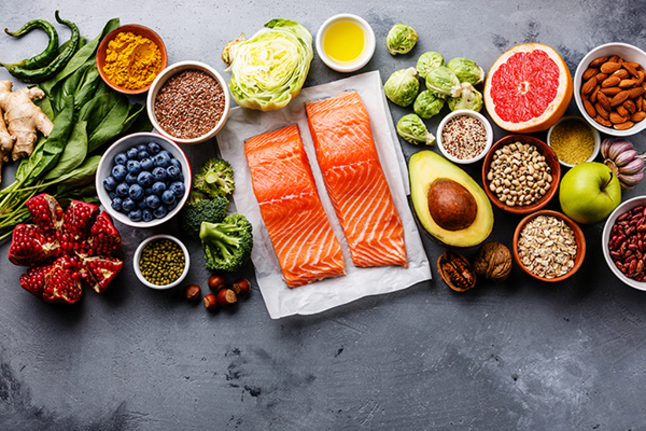
Best foods for immune system. Focus on eating a colorful, well-balanced diet full of nutritious foods to naturally boost your immune system. Give priority to foods high in probiotics (yogurt), vitamin C-rich produce (citrus, red bell peppers), antioxidant-rich greens (spinach, broccoli), and immune-regulating spices (garlic, ginger).
BEST FOODS FOR IMMUNE SYSTEM
Your body’s defense system against pathogens, or bacteria, viruses, and parasites, is the immune system. To keep you healthy, it also detects and neutralizes dangerous compounds from the environment and gets rid of damaged or aberrant cells (like cancer cells).
Berries;
Best foods for immune system
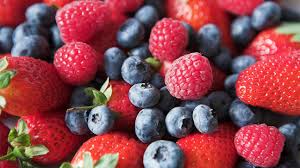
You can’t go wrong include these small, nutrient dense sweet treats in your daily diet, especially because there in your daily diet, especially because there is a large selection to pick from. These tiny morsels, which range from international goji or acai to local blueberries and blackberries, are full of vitamins and nutrients that will give you the boost you need. Savor them as a less sugary but still sweet dessert or in your yogurt or smoothie
Fish oil;
High Omega 3 fatty acid fish, such mackerel, tuna, and salmon are known to stimulate white blood cell activity, which helps the body fight infection. These heart and brain healthy fats also support a stronger immune system.
Leafy greens;
Best foods for immune system
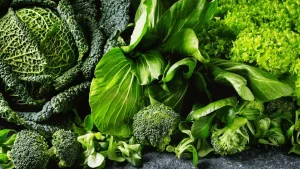
Although, dark veggies, including beta carotene, kale, and spinach are known to provide high quantities of vitamin C, antioxidants, and other nutrients that aid in the prevention of illness. They are beneficial to your gut, brain and heart as well.
Brightly colored vegetables;
Also, brightly colored veggies like red peppers offer even higher quantities of vitamin C, even though we typically associate citrus foods with this nutrient! Carrots include beta carotene, which benefits not just your skin and eyes but also your immune system.
Yogurt;
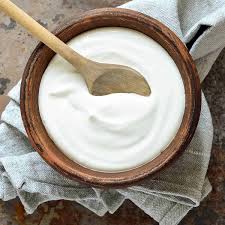
However, with its “live and active cultures” and vitamin D, this fermented food may strengthen your immune system and aid in the fight against illness. Seek for brand that have no added suger and use honey or fruit ( Such as berries, for an extra boost) to naturally sweeten them.
Summary
You are what you eat, is a well-known proverb. Numerous studies over the years have shown that your best defense against chronic and fatal diseases like diabetes, obesity, and heart disease is a well-balanced diet comprised of nutrient-dense foods.
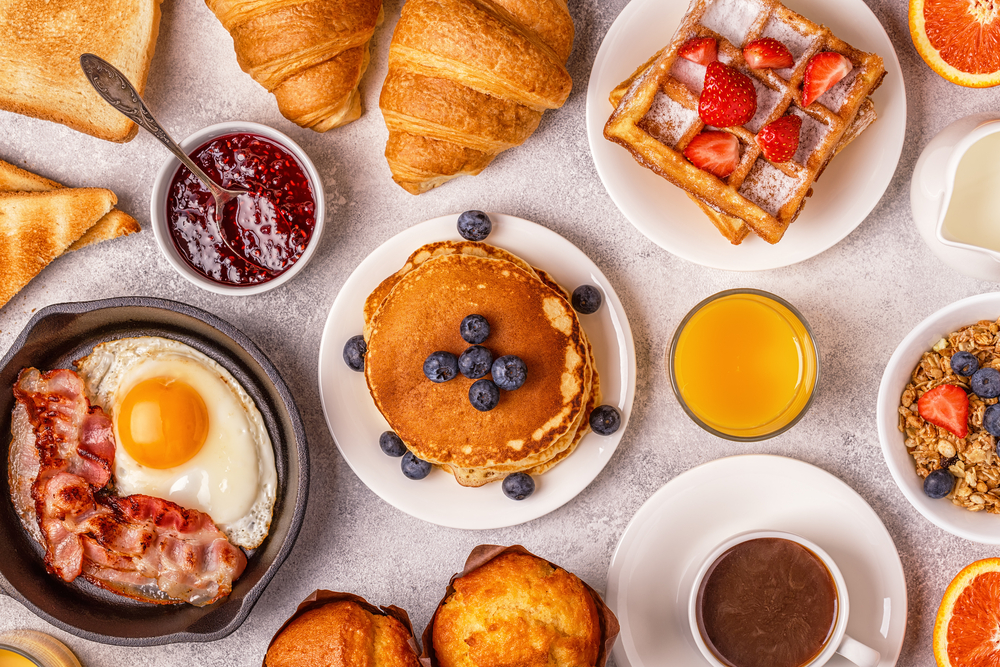
Brunch time. “Brunch” is a fun English term that means “early lunch” or just “brunch.” It comes from the words “breakfast” and “lunch.” Winnie the Pooh visited Rabbit just after breakfast had long ago ended and she had not yet thought about lunch, thus it appears that she was the first to bring the idea of brunch to the world. Brunch is a standard Sunday morning meal that progressively moves into midday.
BRUNCH TIME
Brunch, which combines breakfast and lunch into a leisurely late-morning to early-afternoon weekend meal, is usually served between 10:00 a.m. and 2:00 p.m. or 3:00 p.m. This flexible dining window, which often runs from 11:00 a.m. to 1:00 p.m., frequently offers a combination of sweet and savory foods.
What time is brunch served?

The hours of 11 a.m. to 3 p.m. are when brunch begins. This kind of time span is not coincidental English breakfasts are traditionally served from 8 a.m. However, everyone is too tired to wake up early after a great Saturday night, so Sunday breakfast turns into brunch.
Brunch Food Ideas;
Pancakes:
Also, a breakfast mainstay are fluffy buttermilk pancakes. Add your own toppings, such chocolate chips, fresh berries, or even dollop of whipped cream, to make them uniquely yours. Pancakes are the ideal brunch food to serve to younger guests, as most brunch menus don’t have a kid’s section
Omelet:

BRUNCH TIME
Although, due to its versatility and ease of customization to suit a wide range of tastes, omelets are a brunch mainstay. provide an assortment of fillings, including various cheeses, bacon, sausage, vegan protein, spinach, mushrooms, tomatoes, and onions
Breakfast burrito:
However. with personalized breakfast burritos, you can cap off a delectable brunch. Top tortillas with your preferred cheese sauteed vegetables, crispy bason, and scrambled eggs. Remember to provide a variety of hot sauces and salsas for individual who want a stronger taste
Lox bagel:

Also, lox bagels are a popular option for people who want something lighter. A fresh bagel is topped with smoked salmon, cream cheese, red onions, capers, and a touch of lemon. offer a variety of bagel tastes, such as everything, plain, and even a gluten free version, to increase customization
Brunch Cocktails;
A great beverage to go with the meal makes brunch incomplete. Like brunch fare, it makes sense to have both savory and sweet alternatives to satisfy everyone’s palate.
Mimosa:
Although, the traditional brunch drink is a wonderful blend of orange juice and champagne. Get inventive and provide your guests with variety of juices, like as pineapple, mango, or strawberry, to go along with their bubbly instead of just orange.
Bloody Mary:
BRUNCH TIME
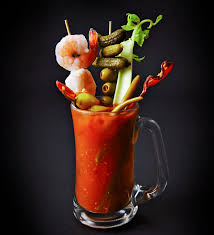
Meanwhile, a brunch favorite, the bloody mary is renowned for its robust and delicious ingredients. Customizing this cocktail is simple, regardless of whether you make your own bloody mary mix or purchase one already made. For more spice add a dab of hot sauce. Alternatively, top with candied bacon, veggies, and a spicy rim.
Summary
Brunch is often served between 10:00 a.m. and 2:00 or 3:00 p.m. and is a leisurely late-morning to early-afternoon weekend meal that blends breakfast and lunch. Sweet and savory dishes are generally served during this flexible dining window, which typically spans from 11:00 a.m. to 1:00 p.m.

Nivea body wash for men

Business maintenance

Athlete conviction of murder

A Step-by-Step Guide to Deleting Reels on Instagram

A Comprehensive Guide to Setting Up a YouTube Premiere

How to Create a WhatsApp Group
-

 Health4 weeks ago
Carbonated drinks side effects
-

 Business4 weeks ago
Smart ideas for business startups
-

 Deodorants3 weeks ago
Reviewing tom ford oud
-

 Deodorants4 weeks ago
Reasons for wearing deodorants
-

 Deodorants4 weeks ago
Review for saint laurent black
-

 Deodorants4 weeks ago
Varieties of perfumes for women