Health
Vascular Dementia


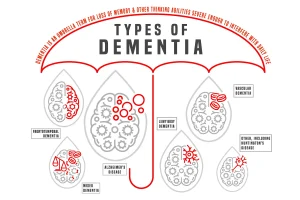
VASCULAR DEMENTIA
Vascular dementia. This is a general term used to describe issues with memory, judgment, planning, reasoning, and other cognitive functions brought on by brain damage from reduced blood flow to the brain. Although vascular dementia is not always the result of strokes, it can occur after a stroke blocks an artery in the brain.
VASCULAR DEMENTIA
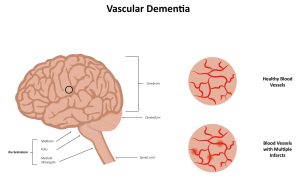
Vascuar dementia is a prevalent type of dementia that arises when there’s diminished blood supply to parts of your brain. The ensuing lack of oxygen and nutrients destroys brain cells. As a result, mental (cognitive) abilities deteriorate to the point where they become incapacitating. Stroke is one of several conditions that can cause a lack of blood flow.
Signs

Vascular dementia symptoms might differ greatly. The level of the damage and the damaged area or areas of your brain determine them. Symptoms could consist of:
loss of memory.
issues with walking and/or balance.
Aphasia is the inability to understand or use language.
difficulty focusing, reasoning, organizing, planning, following directions, and finishing work.
mood swings, such as anger and despair.
Causes

Vascular dementia is brought on by illnesses that harm the brain’s blood arteries or either completely or partially stop blood flow. A reduction in blood flow means that certain areas of your brain aren’t getting enough oxygen and nutrients. In the absence of these, brain cells start to die.
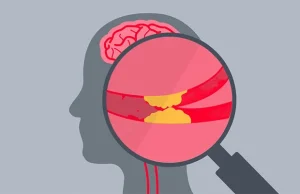
The brain’s capillaries or many blood vessels may narrow or get blocked, which are common causes of vascular dementia.
bleeding from a blood vessel rupture in your brain, such as a hemorrhagic stroke.
Your risk of developing vascular dementia and these blood vessel problems is increased by several variables.
Treatment


Another drug licensed for Alzheimer’s disease that may help with vascular dementia is memantine.
Other drugs may be recommended by your doctor to assist control stroke risk factors. These consist of drugs for diabetes, high blood pressure, and high cholesterol.
Rehabilitation and advance care planning To help manage the symptoms of vascular dementia, you may work with specialists. For instance, a speech-language pathologist can help you learn new ways to communicate, speak, and swallow, while physical and occupational therapists can help you improve your physical abilities and find new ways to perform daily tasks.
Prevention

Certain risk factors for the disorder, such as your age or genetic makeup, are unchangeable. However, you can try to prevent the disorder by managing a lot of other risk factors, primarily those that harm your blood vessels. You can take the following actions:
maintaining safe ranges for your blood pressure, cholesterol, and blood sugar (glucose). To accomplish this, you will need to collaborate closely with your healthcare practitioner.
the achievement and maintenance of a healthy weight.
engaging in regular exercise. On most days, try to aim for 30 minutes.
consuming foods that are good for the heart, such as those found in the DASH or Mediterranean diets.
Summary
You are not alone if you or a loved one suffers from vascular dementia. Nearly everyone has experienced dementia in one or more of its various manifestations. Being aware of the diagnosis allows you and your loved ones to make plans and get ready for the future. You can find out what kind of care you might require and where you want to get it. Your whole medical staff is prepared to assist you.