Food
Vitamin E Sources

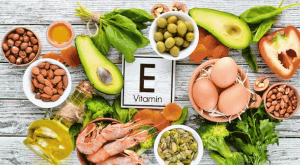

Vitamin E sources. Because of its antioxidant qualities, vitamin E is a vital nutrient with several health advantages. People can strengthen their immune systems, prevent cell damage, and keep their skin and eyes healthy by consuming foods high in vitamin E. A sufficient intake of this essential vitamin can be ensured by eating a balanced diet rich in nuts, seeds, vegetable oils, and green leafy vegetables.
VITAMIN E SOURCES
An essential fat-soluble nutrient with strong antioxidant qualities is vitamin E. It is important for keeping healthy skin and eyes, boosting immunity, and shielding cells from oxidative harm. Knowing the value of vitamin E and how to include it in the diet can help prevent sickness and promote general health.
Functions and Benefits;
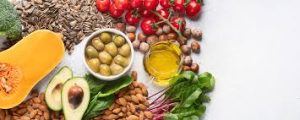

The primary function of it is its antioxidant activity. It helps neutralize free radicals, which are unstable molecules that can damage cells, proteins, and DNA. By preventing oxidative stress, the vitamin reduces the risk of chronic diseases such as heart disease, cancer, and neurodegenerative disorders.
It is also essential for immune function. It enhances the activity of immune cells, helping the body fight off infections more effectively. Additionally, this vitamin plays a role in skin health by protecting against UV-induced damage and promoting wound healing. It also contributes to eye health, potentially reducing the risk of age-related macular degeneration.
Sources of Vitamin E;

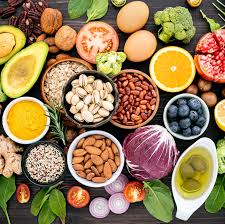
Vitamin E sources
It is found in a variety of foods, making it relatively easy to obtain through a balanced diet. The best sources of vitamin E include:
Almonds, sunflower seeds, and hazelnuts are rich in vitamin E.
– Vegetable Oils:
Wheat germ oil, sunflower oil, and safflower oil are excellent sources.

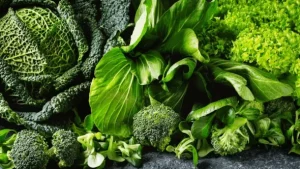
Vitamin E sources
Spinach, kale, and broccoli provide significant amounts of vitamins E.
– Fortified Foods:
Many breakfast cereals and fruit juices are fortified with vitamin E.
Recommended Intake;

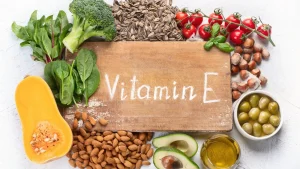
Vitamin E sources
The recommended dietary allowance (RDA) for it varies by age, sex, and life stage. For adults, the RDA is 15 milligrams (22.4 IU) per day. It’s important to note that the vitamin supplements should be used with caution, as excessive intake can lead to adverse effects such as increased risk of bleeding due to its anticoagulant properties.
Summary
Nuts and seeds (such as almonds, sunflower seeds, and peanuts), vegetable oils (such as wheat germ, sunflower, and olive oil), and green leafy vegetables (such as spinach and broccoli) are some of the sources of it. Avocado, mango, fortified cereals, and some fatty fish like trout are additional sources.