Health
What is Bronchitis?


WHAT IS BRONCHITIS?
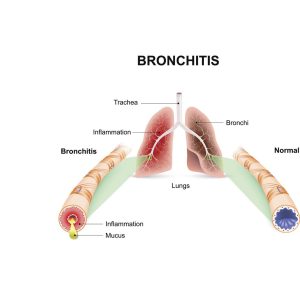
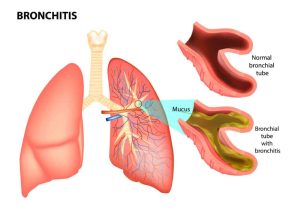
The inflammation of your lungs’ airways, the bronchial tubes, causes bronchitis, which manifests as a cough that frequently contains mucus. Similar to a chest cold and usually brought on by a virus, it can be either acute (short-term) or chronic (long-term), which is frequently associated with smoking and is a type of COPD. Chest tightness, wheezing, coughing, and shortness of breath are some of the symptoms.
Types of Bronchitis;

1. Acute Bronchitis
• This type is temporary and often develops from a cold or other respiratory infection. It is the most common form and typically resolves within a few weeks.
2. Chronic one
• A more serious condition, chronic bronchitis is a persistent inflammation of the bronchial tubes, usually resulting from long-term irritation or damage. It is a form of chronic obstructive pulmonary disease (COPD) and requires ongoing medical attention.
Symptoms;
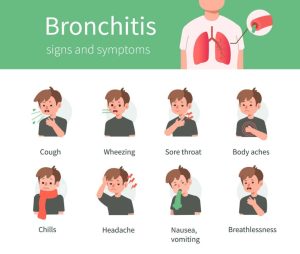

– Cough: Persistent cough that produces mucus, which can be clear, white, yellow, or greenish.
– Fatigue: General feeling of tiredness.
– Shortness of Breath: Difficulty breathing or feeling short of breath.
– Chest Discomfort: Tightness or discomfort in the chest.
– Wheezing: A whistling or squeaky sound when breathing.
In acute bronchitis, these symptoms typically last a few days to a couple of weeks, whereas in chronic bronchitis, they can persist for months and often worsen with time.
Causes of Bronchitis;

1. Viral Infections
• The most common cause of acute bronchitis is viral infections, such as the common cold or flu.
2. Bacterial Infections
• In some cases, bacterial infections can cause bronchitis, though this is less common than viral causes.
3. Irritants
• Exposure to tobacco smoke, air pollution, dust, fumes, and chemicals can irritate the bronchial tubes and lead to it.
4. Underlying Conditions
• It is often associated with smoking and prolonged exposure to irritants. It can also be related to repeated episodes of acute bronchitis.
Treatment;


WHAT IS BRONCHITIS?
1. Rest and Hydration
• Getting plenty of rest and staying well-hydrated can help manage symptoms and speed recovery, especially in acute bronchitis.
2. Medications
– Over-the-counter pain relievers (such as ibuprofen or acetaminophen) can reduce fever and discomfort.
– Cough suppressants and expectorants may be used to manage coughing and clear mucus.
– In cases of bacterial infection, antibiotics may be prescribed, though they are not effective against viral infections.
4. Lifestyle Changes
– Smoking Cessation: Quitting smoking is crucial for individuals to prevent further lung damage.
– Avoiding Irritants: Reducing exposure to air pollutants, dust, and chemical fumes can help manage symptoms.
5. Pulmonary Rehabilitation
– For those with chronic ones, pulmonary rehabilitation programs offer exercise training, nutritional advice, and education to help manage the condition and improve quality of life.
6. Humidifiers
• Using a humidifier at home can add moisture to the air, which can ease breathing and help loosen mucus.
Prevention;


WHAT IS BRONCHITIS?
1. Good Hygiene
• Frequent handwashing can help prevent the spread of viruses and bacteria that cause acute.
2. Vaccination
• Getting vaccinated against influenza and pneumonia can reduce the risk of it, especially in vulnerable populations.
3. Avoid Smoking


WHAT IS BRONCHITIS?
• Not smoking and avoiding secondhand smoke are essential steps to prevent both acute and chronic.
4. Protective Measures
• Wearing a mask when exposed to dust, fumes, and other pollutants can help protect the bronchial tubes from irritation.
Summary
The respiratory ailment known as bronchitis is typified by inflammation of the bronchial tubes, which transport air to and from the lungs. It has different causes and symptoms depending on whether it is acute or chronic. An overview of it is given in this page, along with information on its causes, symptoms, types, and available treatments.