Health
What is Chikungunya?

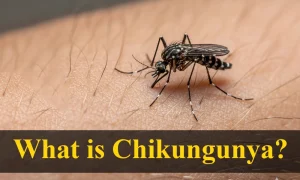

What is Chikungunya?. The virus can cause severe symptoms like fever and joint pain. Because chikungunya is known to cause joint pain, the term literally translates to “bent over.” Chikungunya cannot be treated with drugs. The goal of treatment is to control your symptoms. While some people experience chronic joint pain, the majority of people recover from the sickness in roughly a week. Visitors to regions where chikungunya is actively spreading should use extreme caution to prevent mosquito bites. After contracting the virus, it’s crucial to stay away from mosquito bites for around a week. This is due to the possibility that an uninfected mosquito could bite you and contract the virus, thereby spreading it farther.
WHAT IS CHIKUNGUNYA?
Chikungunya’s quick spread and excruciating joint pain make it a serious public health concern. Reducing the risk of infection requires an understanding of the symptoms, means of transmission, and preventive actions. People can protect themselves and their communities against chikungunya by removing mosquito breeding grounds and taking precautions against mosquito bites. To manage and stop the development of this crippling illness, public health campaigns and raised awareness are crucial.
Transmission;

What is Chikungunya?
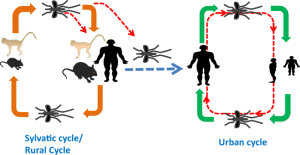
Chikungunya virus is transmitted to humans through the bites of infected Aedes mosquitoes, particularly Aedes aegypti and Aedes albopictus. These mosquitoes are active during the day, with peak biting periods in the early morning and late afternoon. They thrive in areas with standing water, which serves as breeding sites.
Symptoms;

What is Chikungunya?
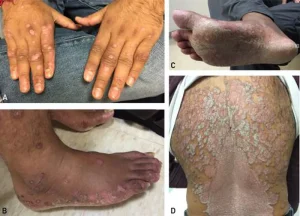
Symptoms of chikungunya typically appear 4 to 8 days after being bitten by an infected mosquito. They include:
– Fever: Sudden onset of high fever, which can reach up to 104°F (40°C).
– Severe Joint Pain: Often debilitating, affecting multiple joints and lasting for weeks or even months.
– Muscle Pain: Generalized muscle aches and pains.
– Headache: Intense headaches, often concentrated in the temples or behind the eyes.
– Rash: A rash that may cover the trunk and limbs.
– Fatigue: Extreme tiredness and weakness.
While chikungunya is rarely fatal, the joint pain can be severe and long-lasting, significantly affecting quality of life.
Prevention;

What is Chikungunya?
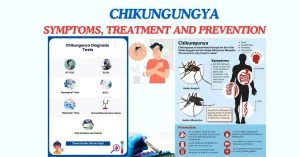
Preventing chikungunya involves avoiding mosquito bites and reducing mosquito habitats. Effective preventive measures include:
– Use Insect Repellents: Apply repellents containing DEET, picaridin, or oil of lemon eucalyptus to exposed skin.
– Wear Protective Clothing: Wear long-sleeved shirts, long pants, and socks to minimize skin exposure.
– Eliminate Standing Water: Regularly empty and clean containers that hold water, such as flower pots, buckets, and birdbaths, to reduce mosquito breeding sites.
– Use Mosquito Nets: Sleep under mosquito nets, especially in areas with high chikungunya transmission rates.
– Install Screens: Ensure that windows and doors have screens to prevent mosquitoes from entering indoor spaces.
Treatment;


There is no specific antiviral treatment for it. Management focuses on relieving symptoms and supporting recovery. Key treatment measures include:
– Rest: Adequate rest to help the body recover from the infection.
– Hydration: Drinking plenty of fluids to prevent dehydration caused by fever and sweating.
– Pain Relief: Using medications such as acetaminophen (paracetamol) to reduce fever and alleviate pain. Avoid aspirin and other NSAIDs, which can increase the risk of bleeding.
– Physical Therapy: In some cases, physical therapy and gentle exercises can help alleviate joint pain and improve mobility.
Summary
The viral illness known as chikungunya has drawn notice due to its crippling symptoms and quick spread throughout tropical and subtropical areas. Chikungunya, which is mostly spread by Aedes mosquitoes, can lead to serious health problems, including excruciating joint pain.