Skin health
What Is Ringworm?

What Is Ringworm?
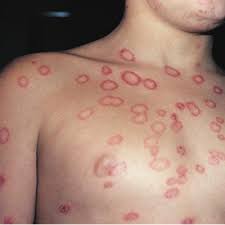
One Kind of fungal skin infection is ring worm. Microscopic organisms known as fungi, which are the plural of fungus, flourish in warm, humid settings. While they are normally not harmful, occasionally they can spread illness. They induce min or but bothersome rashes when they infect the skin. Tinea infections are another name for fungal skin infections. Jock itch is the term used to describe fungal growth in the buttocks, upper thighs, and groin area. It referred to as athlete’s foot when it grows on the feet.
What Are the Signs & Symptoms of Ringworm?
Ringworm on the skin
begins as a red, scaly lump or patch. It may eventually take on the appearance of one or more rings with elevated, uneven, scarly borders ( The center is frequently visible). Although not everyone with ringworm has it. this ring pattern is what gave the disease its name. The skin may burn peel, flake, or feel painful. It may also itch or sting.
Ringworm on the scalp
May begin as a little pimple like sore and progress to a patchy, dry or scaly area. These particles might resemble dandruff. A bald spot may result from some hair falling out or breaking into stubble. It may also cause the scalp to become red, sensitive, and swollen.
Occasionally, it results in a soggy, pus filled lump called a kerion that is sometimes mistaken for bacterial illnesses like cellulitis or impetigo. Lymph nodes in the back of the head or neck may swell as a result of an infection on the scalp.
What Causes Ringworm?
The fungus known as dermatophytes, which often reside on the skin, hair, and nails are the cause of ringworm. They become uncontrollable and begin to exhibit symptoms when the warm, humid environment they live in gets too warm.
Is Ringworm Contagious?
From one individual to another by skin to skin contact, particularly in warm, humid conditions. If someone touches the afflicted area and then goes on to touch other body parts, such the hands
How Do People Get Ringworm?
In addition to being contagious, ringworm can be acquired from pets or other animals ( mostly cats, dogs or rats). it can spread when people come into close physical contact with one another and thrives in warm, wet setting like pool area, locker rooms, and public showers. Because of this, it frequently occurs in participants in contact sport like wrestling.
Additionally, it can spread through items like headgear, towels, clothing brushes, combs, and headwear.

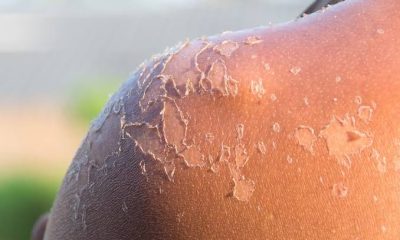

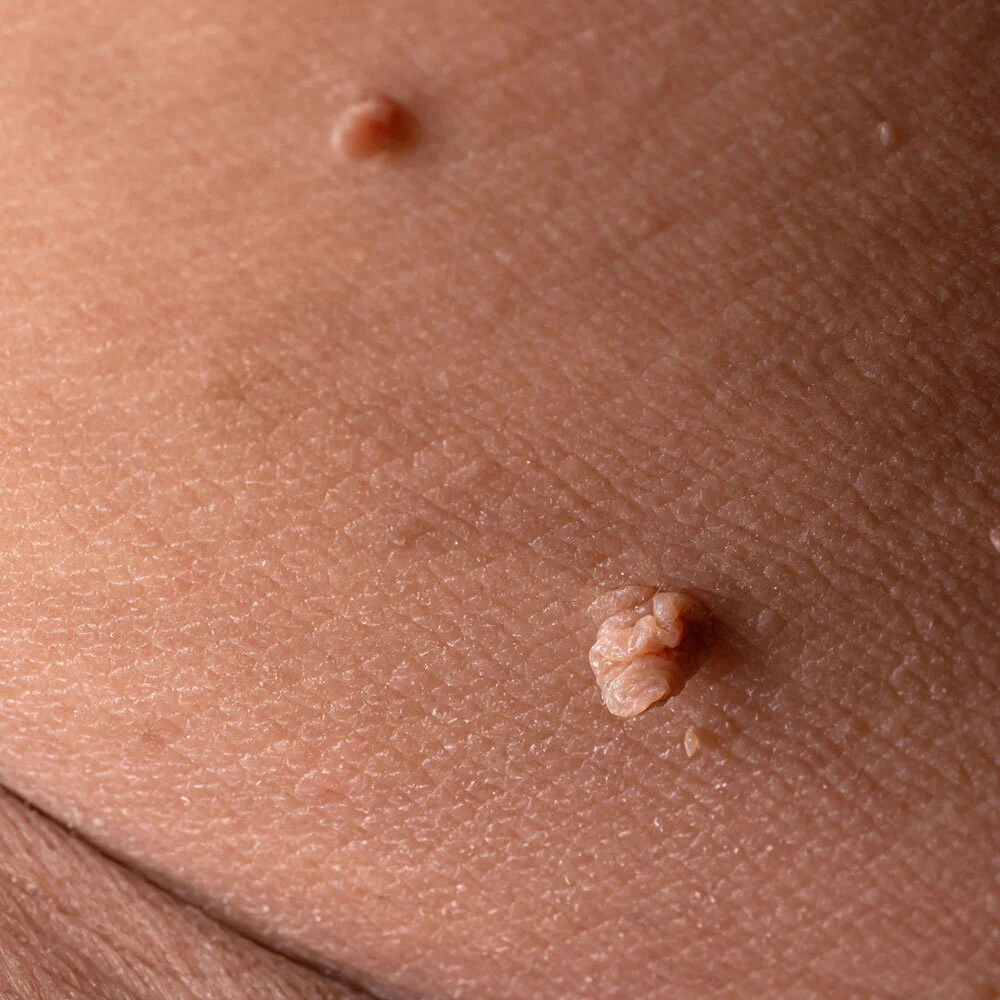
Skin and Abnormal Growths. From regular moles and skin tags to fatty lumps known as lipomas, the majority of skin growths are benign and noncancerous. However, in order to rule out skin cancer, any new, rapidly expanding, or changing area needs to be evaluated by a medical professional (such as a dermatologist via Good Skin MD).
SKIN AND ABNORMAL GROWTHS
Skin lesions, often known as tumors, are abnormal growths on the skin that can take many different forms and cause concern for many. Early detection is crucial for appropriate treatment of these growths, which may be benign (non-cancerous) or malignant (cancerous).
Common Types;
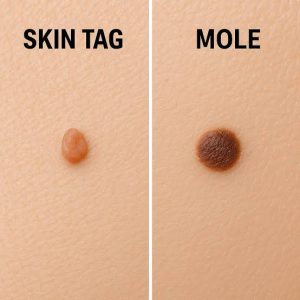
Moles are small, often pigmented growths caused by clusters of pigmented cells. Skin tags are small, soft pieces of skin that hang from the body, usually harmless but can be bothersome.
2. Warts: Caused by a viral infection (human papillomavirus, or HPV), warts are rough, raised growths that can appear anywhere on the skin.
3. Lipomas: These are soft, fatty lumps that grow under the skin. Lipomas are generally harmless but may be removed if they cause discomfort or cosmetic concerns.
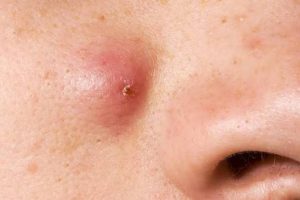
4. Cysts:
Skin and Abnormal Growths
Cysts are fluid-filled sacs that develop under the skin. While usually non-cancerous, they can become infected or inflamed, requiring medical attention.
5. Actinic Keratosis: A rough, scaly patch of skin that results from sun exposure, actinic keratosis can be a precursor to skin cancer and should be monitored by a doctor.
When to See a Doctor;
Skin and Abnormal Growths
While many skin growths are benign, it’s important to seek medical advice if you notice any of the following:
– Rapid changes in size, shape, or color.
– Bleeding or itching.
– Persistent sores or unusual textures.
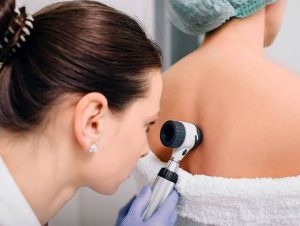
A healthcare professional can perform a biopsy or other tests to determine whether a growth is malignant and needs further treatment.
Summary
Although abnormal skin growths are frequently benign, it’s crucial to keep an eye out for any changes that can point to a more serious illness. The optimum course of action can be ensured by early detection and dermatologist advice.

Glowing Skin Tips. It’s essential for radiant skin. Many people want to accomplish this. While some people aspire to have luminous skin for cosmetic reasons, others see it as an outward sign of health.There are several methods to improve the skin’s brightness.To improve the health of their skin, people might make dietary and lifestyle changes.There are also several skincare and cosmetic items that can give the appearance of glowing skin.
GLOWING SKIN TIPS
Locking in moisture on damp skin, protecting with daily SPF, and applying brightening serums like Vitamin C in the morning are all ways to get glowing skin. Internally, consume foods high in antioxidants, such as leafy greens and berries, drink eight to ten glasses of water each day, and get seven to eight hours of good sleep.
Definition;

Healthy-looking skin is usually referred to as glowing skin. A person can attempt skin care products and lifestyle modifications, such as getting enough sleep and eating a balanced diet, to get radiant skin.
Tips;
1. Also, tidy up Products for cleaning aid in clearing the skin of debris,
makeup, and extra oil. Selecting a mild cleanser has a pH balance, and doesn’t include any harsh chemicals or soap is crucial.
2. Although, hydrating Moisturizing products hydrate the skin.
To seal moisture in the skin, the American Academy of Dermatology advises using a moisturizer right away after cleansing for optimal effects.

Glowing Skin Tips
3. Meanwhile, sun defense UV light; is found in sunlight and can result in burning, sun damage, and outward symptoms of aging.
However, using sunscreen before venturing outside is a simple method of lowering the danger.
For More Tips;
4. Meanwhile, additional goods Various products can aid in achieving healthy skin, contingent on an individual’s particular skin conditions.
Chemical exfoliants, for instance, are widely used products that remove the outermost layer of skin cells to reveal new ones beneath. These can help people’s skin look and feel better.

Glowing Skin Tips
5. However, cutting Shaving dermatitis, ingrowing hairs, and discomfort are all common side effects of hair removal.
To steer clear of this: Wet the skin and hair; lubricate the skin with a shaving cream or balm; and use a clean. different skin types.
Summary
Combine healthy behaviors with a regular skincare regimen to achieve radiant skin. Cleanse twice a day, lighten dark spots with a vitamin C serum, and seal in moisture with a hyaluronic acid moisturizer. Wear SPF 30 or higher every day, and drink plenty of water from within.
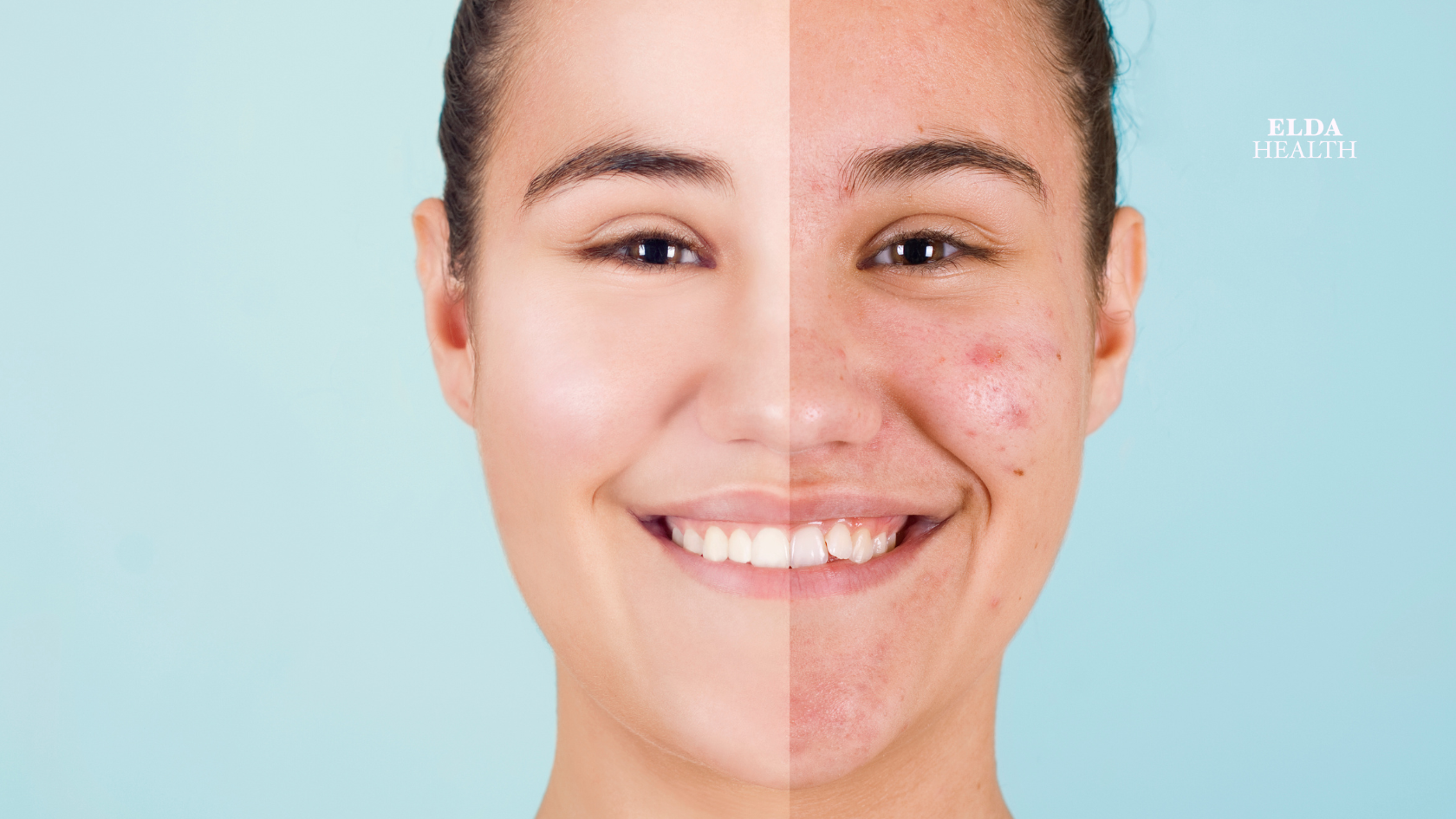
Effective home remedies for skin acne. Natural treatments for acne include apple cider vinegar, tea tree oil, honey and cinnamon masks, and aloe vera gel. Your skin can be calmed and cleared by incorporating these into your routine. Before attempting any new therapy, always conduct a patch test.
EFFECTIVE HOME REMEDIES FOR SKIN ACNE
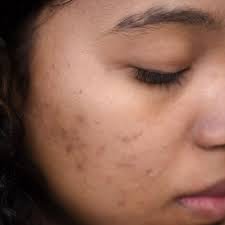
Acne is a common skin condition caused by clogged hair follicles due to oil and dead skin cells, leading to pimples, blackheads, and sometimes cysts. Factors like hormonal changes, excess oil production, bacteria, diet, stress, and genetics can contribute to acne. Here are four home remedies to help manage and reduce acne:
1. Tea Tree Oil;

Overview: Known for its antiseptic and anti-inflammatory properties, tea tree oil kills acne-causing bacteria and soothes the skin.
Usage:
– Dilution: Mix one part tea tree oil with nine parts water.
– Application: Apply with a cotton swab to affected areas and leave for 15-20 minutes before rinsing.
– Frequency: Once or twice daily.
2. Honey and Cinnamon Mask;

Effective home remedies for skin acne
Overview: Honey’s antibacterial and healing properties combined with cinnamon’s anti-inflammatory effects help reduce acne.
Usage:
– Preparation: Mix two tablespoons of honey with one teaspoon of cinnamon.
– Application: Apply to face, leave for 10-15 minutes, and rinse with lukewarm water.
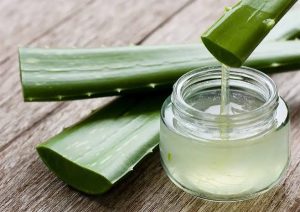
3. Aloe Vera Gel;
Effective home remedies for skin acne
Overview: Aloe vera soothes, heals, and reduces redness and inflammation.
Usage:
– Extraction: Apply fresh aloe vera gel to clean skin, leave overnight, and rinse in the morning.
4. Apple Cider Vinegar;

Overview: ACV contains organic acids that kill bacteria and exfoliate the skin.
Usage:
– Dilution: Mix one part ACV with three parts water.
– Application: Apply with a cotton ball, leave for 5-20 seconds, and rinse off.
– Frequency: Once or twice daily.
Summary
Reducing inflammation, eliminating germs, and clearing clogged pores are the main goals of effective home treatments for skin acne. Important treatments include applying green tea to lessen oil production, soothing redness with aloe vera, and treating spots with diluted tea tree oil.

Music Recording Apps for Phones

Review of Bandlab Music App

N-Track Studio Review

A Step-by-Step Guide to Deleting Reels on Instagram

A Comprehensive Guide to Setting Up a YouTube Premiere