adventure
World of Iceland Glaciers

World of Iceland Glaciers. Iceland’s, 269 glaciers, which make up around 10% of the country, are enormous, unstable ice caps and outlet glaciers, with Vatnajökull being the largest by volume in Europe. Sõheimajěull, Falljökull, and Langjökull are important glaciers that are accessible for hiking and ice caves. These locations are frequently reached through trips offered by Guide to Iceland or itineraries offered by Iceland ProTravel.
WORLD OF ICELAND GLACIERS
Nestled in the frigid embrace of the North Atlantic, Iceland is a land of stark contrasts and breathtaking natural beauty. While its landscapes are renowned for their volcanic majesty, another force of nature reigns supreme – the mighty glaciers that blanket this rugged island nation. From Europe’s largest glacier to dynamic ice formations sculpted by millennia of frozen evolution, Iceland’s glaciers offer a glimpse into a world both enchanting and imperiled.
1. Vast Glacier Coverage;
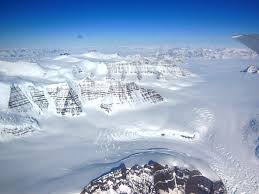

Iceland is home to Europe’s largest glacier, Vatnajökull, covering approximately 8% of the country’s landmass. In total, glaciers cover about 11% of Iceland’s surface area.
2. Dynamic Ice Formations;
Iceland’s glaciers are constantly changing due to shifting temperatures and precipitation patterns. They feature spectacular ice formations, including ice caves, crevasses, and towering icefalls.
3. Melting Rate;

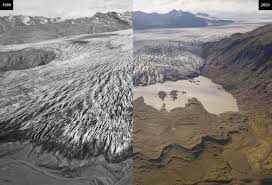
World of Iceland Glaciers
Like many glaciers around te world, Iceland’s glaciers are experiencing accelerated melting due to climate change. Scientists estimate that Iceland’s glaciers lose about 11 billion tons of ice annually.
4. Glacial Rivers;
Iceland’s glaciers feed numerous glacial rivers, which carve their way through volcanic landscapes, creating stunning waterfalls and canyons. These rivers also play a vital role in hydroelectric power generation.
5. Glacial Lakes;

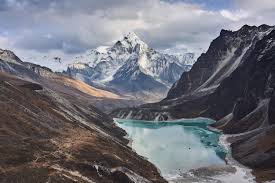
World of Iceland Glaciers
As glaciers retreat, they leave behind glacial lakes known as “iceberg lagoons.” One of the most famous is Jökulsárlón, where visitors can witness icebergs breaking off from the glacier and drifting into the lagoon.
6. Glacial Hiking and Ice Climbing;
Iceland’s glacier offer unique opportunities for adventure seekers to explore their icy realms. Guided tours provide the chance to hike on the glaciers’ surface or even try ice climbing under the supervision of experienced guides.
7. Glacial Volcanism;

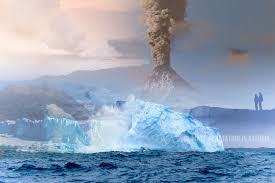
World of Iceland Glaciers
Iceland’s glacier sit atop a geologically active region, resulting in the interaction between ice and volcanic activity. Glacial outburst floods, known as jökulhlaups, can occur when volcanic eruptions melt large quantities of ice, releasing immense amounts of water.
Summary
About 10% of Iceland is covered by glaciers, such as Vatnajökull and Langjökull, which are enormous ice caps that provide year-round trekking, snowmobiling, and natural blue ice cave exploring. Iceland’s topography depends on these quickly melting, active volcanic, and “living” ice formations, the biggest of which are located in the central and southeast highlands.