Travelling guide
5 Safety Tips For Night Travelers

5 Safety Tips For Night Travelers
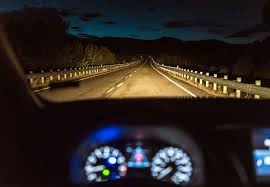
Driving at night gets more difficult, but it’s still possible to do so safely. Having access to roadside assistance allows you to put your anxieties to rest because you will receive the full support that comes with your membership package.
Extended support services such as free to wing, fuel delivery, small on site repairs, flat tire, lost or locked keys assistance and hotel stays give you the confidence to drive at night rather than allowing your anxieties to consume you. These five safety recommendation could assist lower the risk when driving at night
1. Be extra cautious of other drivers
Even though driving at night has unique difficulties, its important to consider the obstacles that other drivers may be encountering. While there might be less automobiles on the road at night, you should still drive with additional caution. Its common to see inebriated drivers on the highways, especially at night, so you have to think of ways to protect both your vehicle and yourself. If someone is honking at the back of your automobile, try to let them go first rather then racing with them to go ahead of them. Use a nighttime dipper or your car’s horn to alert the driver of an approaching car on a one way street so they can reposition their vehicle and and allow you pass safely. Use caution when utilizing a dipper. Don’t expect them to alter their automobile while you’re driving; instead, attempt to drive slowly so you can asses their driving style and if necessary, adopt appropriate braking or acceleration measures.
2. Lower the high beam even if the other driver doesn’t.

On the highway, avoid ego confrontations by anticipating that another vehicle would switch to a low beam before you. in spite of what the other motorist does, shift to low beam. You cannot expect yourself to ignore that issue if another motorist is not paying attention, thus it is imperative that you keep yourself safe rather than gradually getting into flights.
3. Expect other obstacles on the road
Many non motorized vehicles lack reflectors or tail lights. Some of them are so large that they block half of the road and leave no room for traffic ( similar to bullock carts). Occasionally, you won’t notice them until you are too near. Always be ready for the unexpected.
4. Drive with windows slightly rolled down and use headlights ahead
You’ll be more alert and aware of horns and other outside noises if you open the window to let in some fresh air if you find temperature controlled rooms uncomfortable. Dusty air inside may indicate poor road conditions ahead, so you should consider slowing down rather than accelerating.
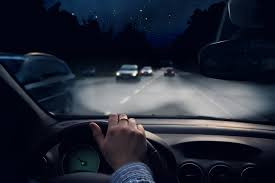
5. Make sure car driver had enough rest and should not drink and drive
This usually pertains to chauffeur driven taxi drivers, who frequently put in extra hours during busy times of the year in order to increase their pay. Less sleep and higher chance of accidents result from this. Should you sense that your driver has not gotten enough sleep, as evidenced by his crimson eyes, yawning, etc. It would be preferable to postpone departure for a few hours rather than risk anything on the road. Additionally, ensure sure your driver is not operating a vehicle while intoxicated at night, as this could create a dangerous scenario and lead to unanticipated accidents.

Trips Pack Guide. The perfect packing strategy begins with a straightforward guideline: arrange everything you believe you will need, then return half of it. Always include necessary documents and devices in your carry-on, and pay attention to adaptable layers.
TRIPS PACK GUIDE
Even the most experienced specialists may find this work intimidating. We spend money on things all the time. These may include items like phone chargers and sunscreen that are very expensive. Making a packing list is essential. Depending on where you’re going—from beaches to mountains, cruises to treks, etc.—you might need to change the list. So keep reading to learn what to pack for your next family vacation.
1.Garments

Generally speaking, clothing takes up suitcase space. Planning one outfit for each family member every day is usually the best course of action. Below is a summary of every type of apparel you should think about bringing:
. Swimwear • Undergarments • Cover-ups for bathing suits • Loungewear shirts, shorts, and pants • Exercise attire
2.Shoes
It’s important to plan ahead because shoes take up a lot. When traveling by plane, require everyone to wear shoes which are typically sneakers or casual styles. The complete list of shoe types you may need to pack for:
. Slip-on footwear • Sandals or flip flops; travel stroller• Dressier shoes
3.Exterior Apparel

Trips Pack Guide
It’s likely that you will make time for outdoor activities with your loved ones wherever you go. ought to pack in your suitcase: sun hats and bug repellent.
4.Medical Items

Trips Pack Guide
For some people, medical supplies could be an afterthought. However, being caught without them might get you into a lot of problems, particularly if you’re visiting another country.
Summary
A trip is a brief journey to and from a location, usually for a stated reason, such as an errand, business trip, or vacation. The phrase can either describe a psychological sensation or a physical stumble.
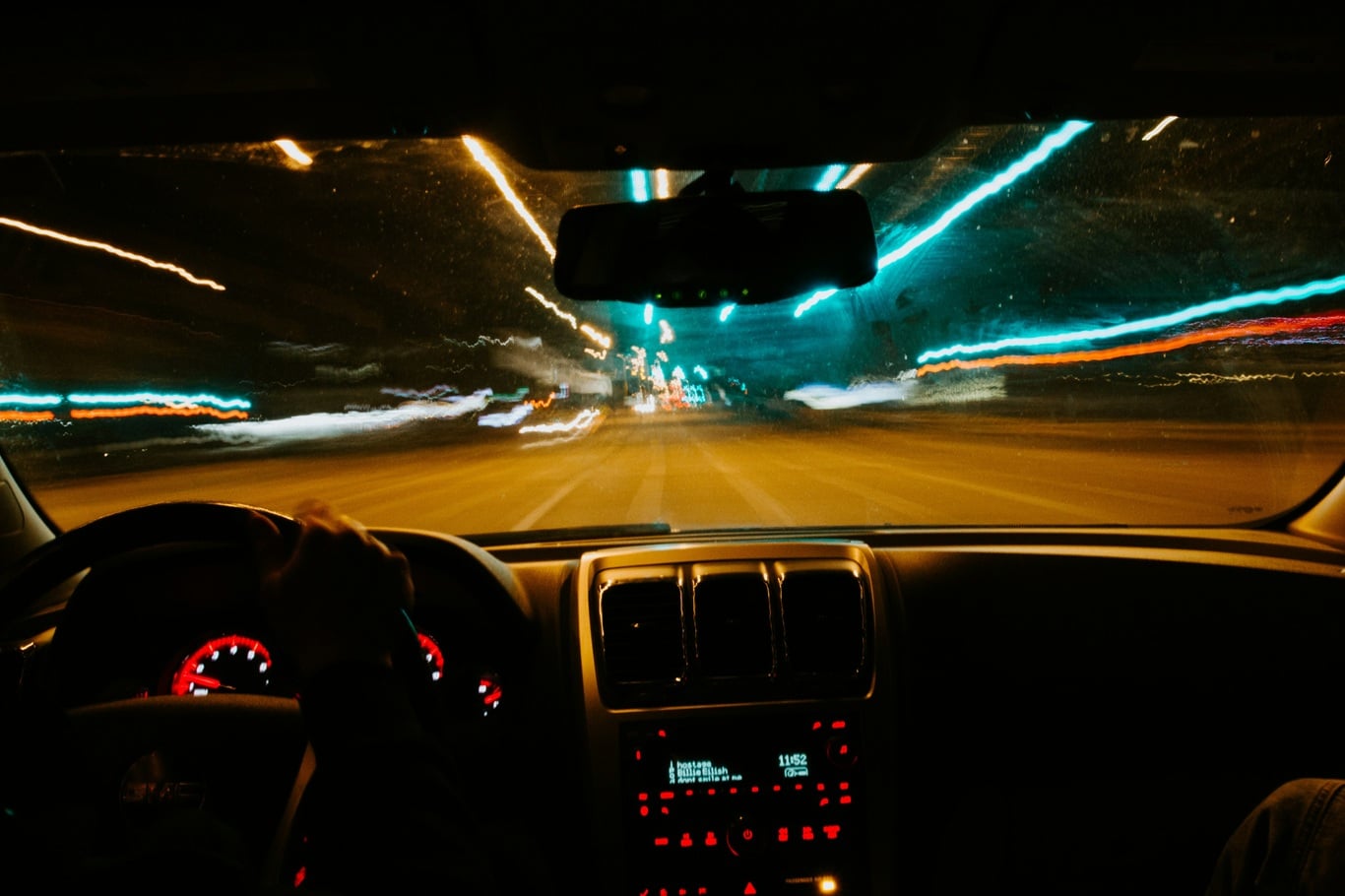
Disadvantages of night road trip. There is a certain allure to traveling by car at night since it offers a sense of adventure and an opportunity to view the world from a different angle. However, the darkness that covers the roads also raises a unique set of issues that should be properly taken into account. Road trips at night can present challenges, such as blurry vision and fatigue-related errors, which necessitate taking precautions to ensure a fun and safe journey.
DISADVANTAGES OF NIGHT ROAD TRIP
Road excursions at night are less congested, but they also carry significant risks, such as sharply decreased visibility, unexpected exhaustion, restricted access to emergency services, and increased security risks. Being aware of these risks enables you to plan your next trip wisely.
1. Reduced Visibility:
When driving at night, the lack of natural light might result in noticeably decreased vision. This makes it difficult to see roadblocks, pedestrians, and even other cars. Low light levels can also slow down your reaction time.
2. Fatigue and Drowsiness:
Our bodies naturally yearn for sleep at night, which increases the likelihood of driving weariness and drowsiness. You can significantly reduce your reaction times, focus, and ability to make decisions when you drive when tired.
3. Glare from Oncoming Headlights:
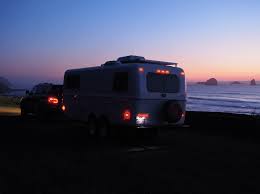
Disadvantages of night road trip
Drivers may become momentarily blinded from headlight glare from approaching cars, making it challenging to keep eyes on the road ahead. This condition, also referred to as “night blindness,” can be harmful.
4. Navigational Challenges and Road Mishaps:
It might be intimidating to navigate unknown routes at night, which can result in missed exits and incorrect turns. Roadside incidents like breakdowns and accidents can also be extremely upsetting, particularly if you’re far from home and in need of help.
5. Drunk and Drowsy Drivers:
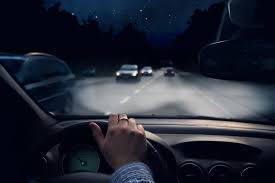
Disadvantages of night road trip
The likelihood of accidents is greatly increased at night when there are frequently more inebriated or sleep deprived drivers on the road. These drivers put themselves and other road users in serious danger when they swerve, brake quickly, or drive at uneven speeds.
6. Impaired Depth Perception:
Our ability to perceive depth is impaired at night, making it difficult to determine the precise distances between your car and other vehicles and objects on the road.
Summary
A nighttime road trip necessitates meticulous preparation and increased concentration. Prioritize vehicle preparation, planned rest periods, and optimal in-car entertainment to guarantee a safe and comfortable ride.
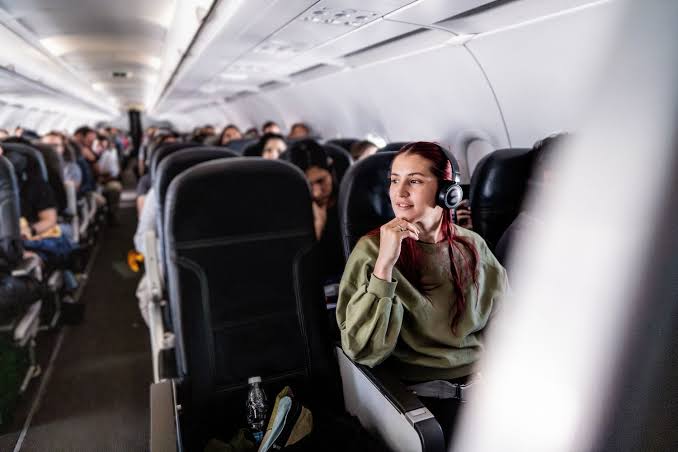
Tips for flights journey. Arrive at the airport at least two hours early, check in online 24 hours prior to departure, and dress comfortably in layers to guarantee a smooth journey. Include gadgets, travel documents, and prescription drugs in your carry-on. Don’t forget to pack an empty water bottle and noise-canceling headphones.
TIPS FOR FLIGHT JOURNEY
There are various strong reasons to fly late at night or early in the morning, as previously noted. However, if you travel after 10:00 at night and before 6:00 in the morning, your internal body clock may be thrown off, and you can arrive hungry and weary.The main disadvantages of flying when most people are asleep are as follows:
1) A lack of sleep;

You should get to the airport no later than 3:00 a.m if your flight is scheduled to depart at 5:00 a.m you should be up and getting ready for your vacation no later then 1:30 a.m. assuming you only need an hour to get ready for your 30-minute travel to the airport. Getting by on a few hours of sleep alone will wear you out and possibly cause you become forgetful. And the last thing you want to happen is misplace your phone or identity!
2) Minimal food and beverage choices;
Many airport restaurants, including some of the biggest in the world, are closed from the biggest in the world, are closed from midnight to five in the morning Even while there might be a vending machine with soft drinks and snacks, you’ll have to bring your own or wait to eat a sit down meal until you get to your destination.
3) Missed flights;
Tips for flights journey
There is a greater chance that you will oversleep and miss your flight when you go early in the morning. Additionally, it may be expensive and difficult to find another flight. If you have a history of sleeping in late, you should take extra care to ensure that you don’t miss your flight.
What can you do to make early morning and late night travel less stressful?
1) Learn how to travel light;
You may reduce your stress level at the airport by bringing everything you need in a carry on bag, whether you are travelling for a well earned holiday or a crucial work trip if you are infamous for packing everything but the kitchen sink, this might seem like a challenging task! But with a little forethought and thoughtful packing, you can become an expert at packing light.
2) Plan well in advance if you are traveling with children;
Tips for flights journey
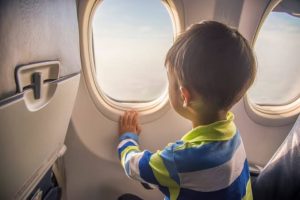
When travelling with young children or toddlers, the difficulties mentioned above may become much more daunting. Being early for every part of your trip is essential for a trouble free early morning or late night flight with kids. If you have rented a car service to bring you to the airport quickly, you are already off to a good start. Make sure snacks and entertainment are readily available and take advantage of the early boarding benefit once you reach the gate.
Summary
A flying journey entails going by air from one place to another. Whether arranging a domestic trip from Murtala Muhammed International Airport in Lagos or an international route, contemporary technologies streamline ticketing, scheduling, and baggage management for a seamless experience

Earth Frozen Frontiers

Natural Majestic Wonders

Daily Life Hacks

A Step-by-Step Guide to Deleting Reels on Instagram

A Comprehensive Guide to Setting Up a YouTube Premiere