Earth
Earth Frozen Frontiers

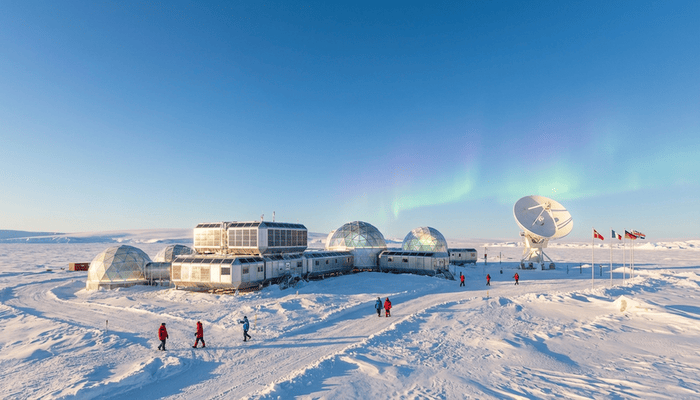
Earth Frozen Frontiers. One of the most remarkable and endangered locations on Earth is the Polar Regions. They are vital to the health of the entire world because of their cold landscapes, distinctive wildlife, and function in controlling the planet’s temperature. The fate of the Polar Regions will influence not just their own future but also the future of life on Earth as we continue to deal with the effects of climate change. Maintaining the stability of our world for future generations depends on safeguarding these frozen frontiers.
EARTH FROZEN FRONTIERS
Some of the planet’s most harsh settings can be found in the Polar Regions, which include Antarctica in the south and the Arctic in the north. These ice regions are vital to the planet’s ecosystems, climate regulation, and biodiversity despite their severe climates and remote locations. The Polar Regions provide a window into the tenacity of nature and the delicate balance of our global ecology, with their enormous ice sheets and distinctive species.
The Arctic: A Land of Ice and Life
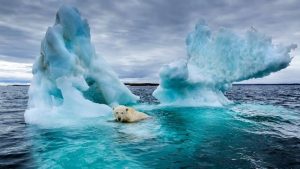
The Arctic is the region around the North Pole, consisting of vast ice-covered oceans, tundra, and sparsely populated islands. Unlike Antarctica, the Arctic is inhabited by indigenous communities who have adapted to its frigid conditions for thousands of years. The Arctic is home to unique wildlife, including polar bears, Arctic foxes, walruses, and whales. These animals have developed remarkable adaptations to survive the cold, long winters and short summers of the region.
Antarctica: The Frozen Continent
Antarctica is the Earth’s southernmost continent, almost entirely covered by ice, and is the coldest place on the planet. Unlike the Arctic, Antarctica has no permanent human inhabitants, aside from research scientists who live there temporarily. The continent’s towering ice sheets contain about 70% of the world’s freshwater, making it a key player in global sea levels and climate patterns.
The Role of the Polar Regions in Climate Regulation;
Earth Frozen Frontiers
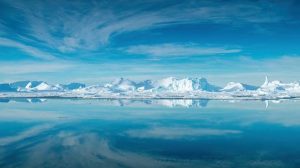
Both the Arctic and Antarctica play vital roles in regulating the Earth’s climate. Their ice sheets and glaciers reflect sunlight, helping to cool the planet. As these regions warm and ice melts, the Earth’s climate is disrupted. Melting ice contributes to rising sea levels, threatening coastal communities worldwide. Additionally, the thawing of permafrost in the Arctic releases stored carbon, accelerating global warming.
The Impact of Climate Change;
The Polar Regions are experiencing some of the most dramatic effects of climate change. The Arctic is warming at twice the rate of the rest of the planet, leading to the rapid retreat of sea ice. In Antarctica, ice shelves are thinning, and glaciers are retreating at unprecedented rates. This loss of ice not only threatens wildlife and ecosystems but also contributes to global sea-level rise, posing risks to coastal cities and communities worldwide.
Protecting the Polar Regions;
Earth Frozen Frontiers
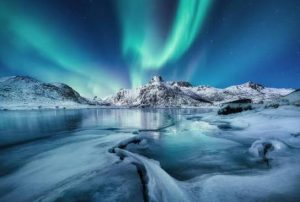
Efforts to protect the Polar Regions are underway, but more needs to be done. In the Arctic, indigenous communities are fighting to preserve their way of life while advocating for environmental conservation. In Antarctica, international agreements like the Antarctic Treaty help to protect the continent from resource exploitation and promote scientific research.
Summary
The extreme polar regions of the Arctic and Antarctica, as well as high-altitude cryosphere conditions, are referred to as Earth’s frozen frontiers. Massive ice sheets, subglacial lakes, and permafrost that control the world’s climate, sea levels, and ancient planetary history can be found in these isolated regions.
Natural Majestic Wonders. One of the most breathtaking natural phenomena on Earth, waterfalls enthralll tourists with their immense strength and beauty. These natural formations, which range from majestic cascades to serene flows, are a monument to the unadulterated power of nature and provide life-changing experiences.
NATURAL MAJESTIC WONDERS
From enormous coral reefs to soaring summits, Earth is home to amazing natural treasures. The planet’s untainted beauty and geological past are highlighted by internationally recognized sites.
Iconic Waterfalls Around the World;
Natural Majestic Wonders
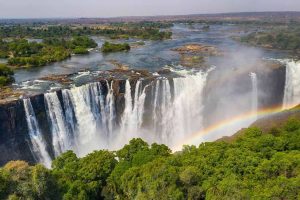
Some of the world’s most famous waterfalls, like Niagara Falls in North America and Victoria Falls in Africa, draw millions of visitors each year. These colossal waterfalls demonstrate the immense power of water as it crashes down from great heights. Creating misty clouds and thunderous sounds. Each offers a unique spectacle, with Victoria Falls earning the title “The Smoke that Thunders” due to its sheer size and noise.
Tranquil Beauty in Nature;
Not all waterfalls are massive; some charm with their quiet elegance. Angel Falls in Venezuela, the tallest waterfall in the world, offers a stunning, ethereal view as water descends from a staggering height into the jungle below. Meanwhile, smaller falls, like those found in remote forests or hidden canyons, provide serene. Peaceful escapes for those who seek a more intimate connection with nature.
A Magnet for Adventure;
Beyond their beauty, waterfalls attract adventurers from around the world. Whether it’s hiking to a hidden waterfall or swimming in a natural pool at its base. These natural wonders provide opportunities for exploration, photography, and a sense of awe at the power of the natural world.
Summary
Magnificent waterfalls, with their strength and beauty. serve as inspiration for both tourists and nature enthusiasts, serving as reminders of the amazing powers of nature.
Types of Nature Marvels. From its deepest oceans to its greatest mountains, the Earth’s wonders are numerous and diverse. In addition to inspiring wonder, these natural wonders offer vital functions that keep life on Earth going. In addition to reflecting the planet’s diversity, these natural beauties serve as a reminder of its vulnerability and the need to protect it for coming generations.
TYPES OF NATURE MARVELS
There are a staggering number of natural marvels on our world that inspire astonishment and captivate the mind. Earth’s ecosystems and landscapes, which range from majestic mountains to colorful coral reefs, demonstrate the strength and beauty of nature.
Majestic Mountains;
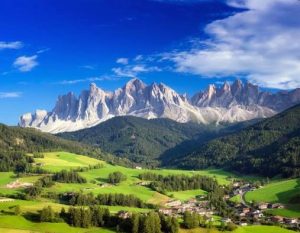
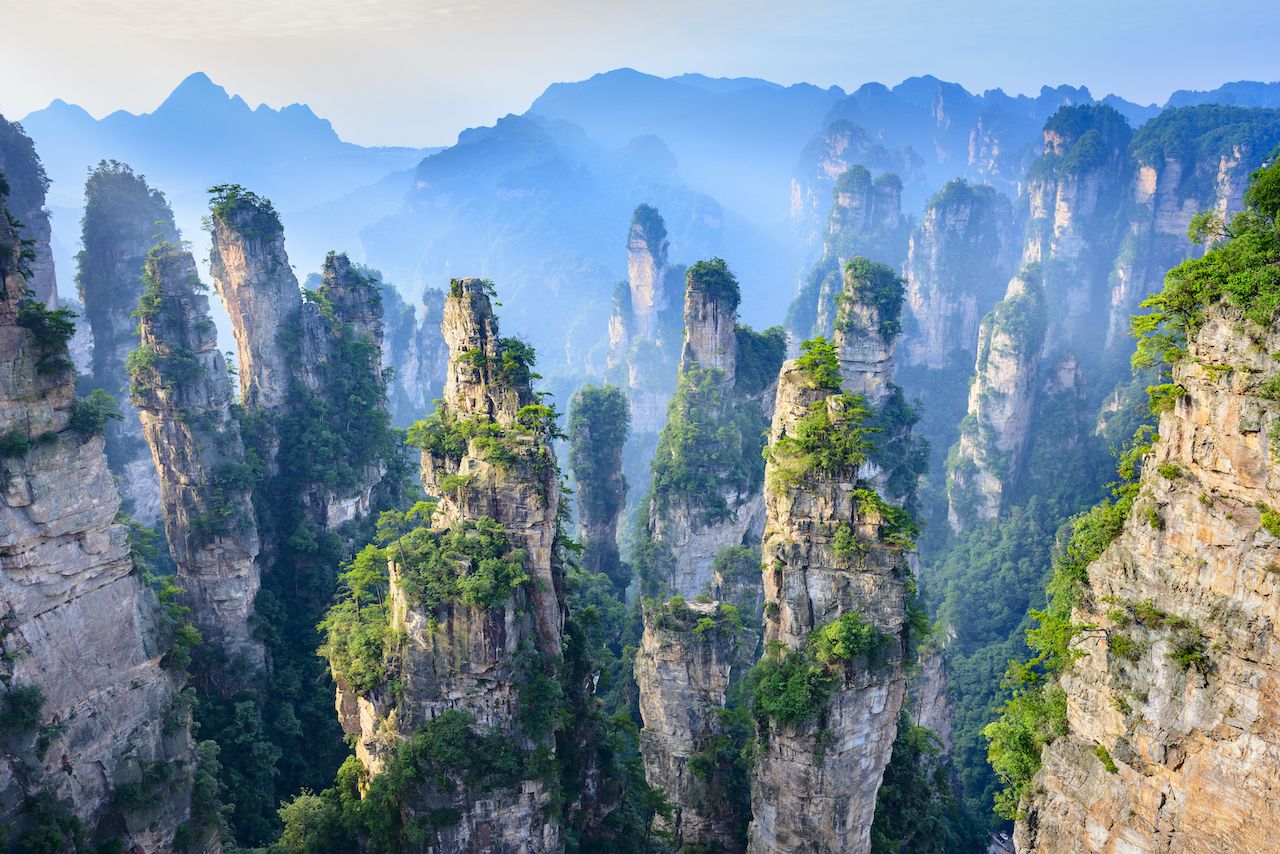
Mountains are among the most breathtaking features on Earth. Ranging from the towering peaks of the Himalayas to the serene beauty of the Rockies, these natural formations are a testament to the planet’s geological forces. The highest mountain, Mount Everest, stands as a symbol of challenge and achievement, drawing adventurers and climbers from around the world. Mountains also play a crucial role in maintaining ecosystems, providing fresh water to billions of people through glaciers and rivers.
Vast Oceans;
Covering more than 70% of the Earth’s surface, the oceans are vital to the planet’s ecosystem and climate. The sheer size and depth of the oceans hold mysteries yet to be discovered, from hidden marine species to uncharted underwater landscapes. Coral reefs, like the Great Barrier Reef, showcase the vibrant life that thrives beneath the waves, serving as crucial habitats for marine biodiversity. The oceans also regulate climate and weather patterns, making them essential to life on Earth.
Awe-Inspiring Desserts;
Types of Nature Marvels
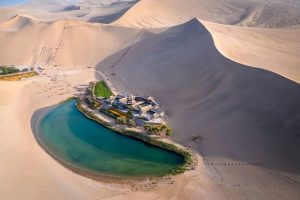
Deserts may appear barren, but they are home to unique ecosystems and landscapes that are both harsh and beautiful. The Sahara, the world’s largest desert, covers vast expanses of northern Africa, while the Atacama Desert in Chile is known for being one of the driest places on Earth. Despite their arid conditions, deserts support a wide range of life adapted to extreme temperatures and scarcity of water. Their shifting sand dunes and rocky formations create surreal, ever-changing landscapes.
Breathtaking Waterfalls;
Waterfalls are among the most dynamic natural wonders of the Earth, combining raw power with stunning beauty. The iconic Niagara Falls, shared by the United States and Canada, draws millions of visitors every year, while South America’s Angel Falls holds the title of the world’s tallest waterfall. These natural spectacles inspire awe as water cascades from great heights, creating a powerful display of nature’s force.
Lush Rainforests;
Types of Nature Marvels
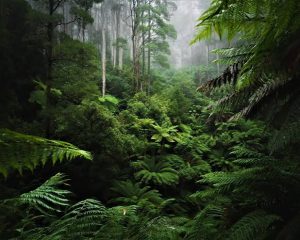
Rainforests are the lungs of the Earth, playing a critical role in absorbing carbon dioxide and producing oxygen. The Amazon Rainforest, the largest in the world, is home to millions of plant and animal species, many of which are still undiscovered. Rainforests are not only biodiversity hotspots but also crucial to regulating the Earth’s climate. However, they face significant threats from deforestation and climate change, underscoring the need for conservation.
The Polar Regions;
The Arctic and Antarctic regions, though remote and inhospitable, are integral to the Earth’s climate system. These polar regions, with their vast ice sheets and glaciers, reflect sunlight and help regulate global temperatures. The Arctic is home to species such as polar bears and seals, while the Antarctic supports penguins and other hardy wildlife. As the Earth’s climate changes, these regions are rapidly losing ice, raising concerns about rising sea levels and the future of polar ecosystems.
Summary
In order to ensure that future generations can appreciate the beauty and majesty of the Earth, it is imperative that we safeguard and preserve these treasures while we continue to discover and enjoy them.

Dilation of the Pupil

Blurry Vision Diagnosis

Key Benefits of Kids Reading Aloud

A Step-by-Step Guide to Deleting Reels on Instagram

A Comprehensive Guide to Setting Up a YouTube Premiere