
Blogging
How to Write Reviews on Products

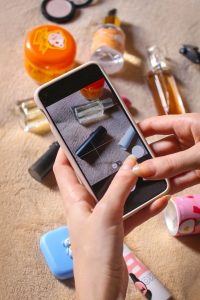
How to write reviews on products. Product reviews assist consumers in selecting the best option for their needs. A thorough product review helps you differentiate yourself from the competition, builds brand recognition, and encourages repeat business.
HOW TO WRITE REVIEWS ON PRODUCTS
Writing an engaging, insightful product review is more about giving other customers insightful information so they can make wise selections than it is about whether you like the product. Consumers who have bought and utilized the product, as well as experts who test and assess it, frequently write reviews.
1. Defining Your Target Audience
Clearly identify your target audience before you begin writing a product review. Understanding the target audience for your product evaluations can help you tailor your writing to their requirements, tastes, and specifications. Determine the demographics, interests, and problems of your audience so that you may concentrate your material on the most important topics. Reviews become more relevant and interesting when they are tailored to the demands of the audience.
2. Choosing Product review

Next, pick a product that will be helpful and relevant to your target audience to review. Choose one of your best-selling items to write a more thorough and frank assessment of. Make sure the product you select is one you have been using for a long time and draws in leaders who are searching for information that isn’t easily found elsewhere.
3. Examining the characteristics of the product
Get comprehensive information on the features and characteristics of the product before writing. Make a note of important features and technical details to better understand.
4. Write an engaging introduction

A captivating beginning is vital to create the tone and style of your review. Give a brief overview of the product and its benefits at the outset. To capture the audience’s interest and provide the necessary information, use action words and captivating phrases. To make it easier for the audience to grasp, give them a brief overview of the topics your review will cover, such as features, performance, and personal experience. Emphasize the special features of the product and indicate if you expect a favorable, unfavorable, or balanced review.
5. Develope a succinct

A summary box provides readers with an overview of your review, especially for those who are skimming for the key points. Highlighting the important points is made simple by placing the summary box at the start, finish of your evaluation.
6. Brief succinct description of the product
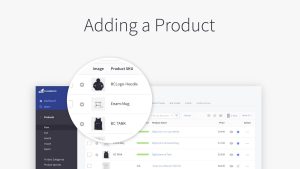
Give a brief description of the product and its function at the beginning of your review. Give a brief overview of the product and describe its features. This will provide readers a brief overview of the product and help you create the scene. To help readers determine whether the product is relevant to their needs, describe the product’s goal and target market. Encourage them to continue reading by mentioning any noteworthy aspects you will cover later.
7. Use real-world examples to illustrate

Readers can readily comprehend the possibilities of the product by connecting with real-life scenarios. Provide precise examples and thorough explanations to highlight the product’s capabilities and benefits.
Summary
Since 95% of buyers research products before buying, knowing how to write a product review can help you sway their choice, boost organic traffic, and make healthy profit for your business.

Blogging for Shopping and Fashion. The fashion industry has seen a dramatic increase in purchases. Easy, time-saving, better pricing, and pressure-free shopping are all benefits of online shopping. Shopping for clothing and accessories is now more accessible and convenient thanks to the growth of digital platforms and e-commerce. These days, customers can browse a global marketplace from the comfort of their homes, discovering an endless array of brands, fashions, and trends.
BLOGGING FOR SHOPPING AND FASHION
To create a successful online business, starting a shopping and fashion blog requires a specific niche, excellent graphics, and effective monetization techniques. Due to the fierce competition in the larger fashion industry, your success hinges on providing solutions to very specific customer issues and assisting readers in making well-informed purchasing decisions.
Fashion Blogging;


Online purchasing has revolutionized fashion, allowing for the expression of oneself through clothing.
Hence, discover how this can enhance your online buying experience by delving into this realm.
Experience with Online Shopping;
1. However, bloggers provide helpful guidance on styling, accessories, and apparel. They include product reviews, buying advice, and styling ideas for achieving particular styles.
2. Also, readers get trust from bloggers’ genuine insights, which facilitates their navigation of the world of online commerce.
3. Meanwhile, brands and fashion bloggers work together to create trends and present new collections to a wider audience.
More Experience;

Blogging for Shopping and Fashion
3. Also, fashion blogging has completely changed how we interact with style. It gives people the confidence to discover their own fashion identities.
4. Meanwhile, fashion bloggers are extremely important since, in the internet age, they serve as a style guide for those who are passionate about fashion.
5. Fashion blogs are a creative center where ideas, trends, and individual styles come together.
Advantages;

1. Although, blogs may be useful resources, including in-depth product reviews, styling advice, and trend analysis.
However, blogs are interactive, readers may ask questions and connect with other enthusiasts who share their interests, which encourages engagement.

Blogging for Shopping and Fashion
2. blogs also serve as a conduit for direct contact and trust-building between customers and brands. Convenience is increased during the purchasing process with blogs and direct shopping links. A more enjoyable shopping experience is enhanced by blogs. It provides a combination of motivation,
Summary
Creating a wardrobe that you adore needs striking a balance between wise shopping practices and worldwide trends. Determining your own style before making a purchase is crucial, regardless of whether you are searching for worldwide brands or local Nigerian fashion designers.

Tips for Choosing Blog Niche. A blog niche is a targeted, specialized topic area that caters to a particular readership. A hyper-specific niche would be “strength training for busy parents over 40” or “personal finance for entry-level Nigerian tech workers,” as opposed to writing generally about “fitness” or “finance.”
TIPS FOR CHOOSING BLOG NICHE
A niche can be a shallow indentation in a wall, a particular and appropriate role or position for an individual, a niche market area, or the particular function of an organism within an ecosystem.
Ideas to Consider;
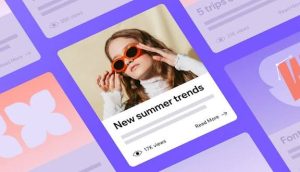
1. Meanwhile, style and Beauty Online customers looking for advice, guides, product suggestions, etc. are drawn to the beauty and fashion area. And it’s enormous.
2. However, product Evaluations In-depth and frank reviews are highly sought after given the abundance of brands and new product releases.
Meanwhile, a site with extensive reviews of skincare, hair care, makeup, and fashion products will draw a lot of readers who are trying to make educated purchases.

Tips for Choosing Blog Niche
3. Although, Makeup Tutorials: Detailed makeup instructions are very well-liked. particularly in video formats that can be uploaded to YouTube and posted on a blog. Having a blog with simple instructions for all styles and abilities will assist you in developing a loyal readership.
4. Also, hair Care Advice Many ask for tips on keeping their hair healthy and attractive. create a blog A site that offers advice on products, styles, and care regimens.
More Ideas;
5. Although, there are tips for Skincare A blog with professional skincare advice can draw readers from a variety of backgrounds, including those looking for specific problem solutions as well as those wishing to build a skincare regimen.

Tips for Choosing Blog Niche
6. However, trends in Fashion For individuals who value style, staying on top of trends is essential because fashion changes quickly. A style-conscious audience can be drawn to a blog that examines and presents the latest and emerging trends in apparel, and accessories.
7. Company
Also, there are a ton of specialty blog ideas in this category that can be used to offer insightful commentary about managing a business. more people starting businesses
Summary
Finding the nexus of your personal interests, recognizable audience need, and obvious monetization possibilities is necessary when selecting a blog specialty. To lessen competition and establish authority more quickly, concentrate on a narrow micro-niche rather than a general subject.
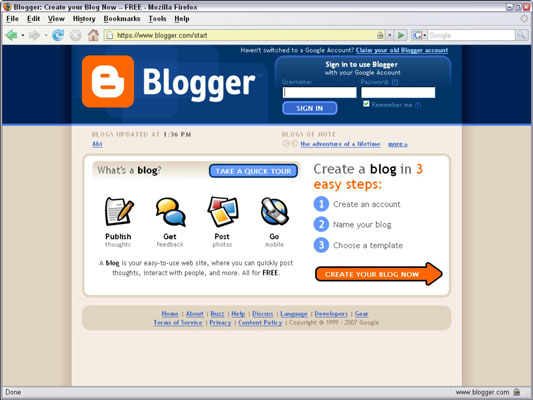
Google blogger beginner guide. For anyone wishing to launch a blog, Google Blogger offers an easily accessible platform. Blogger makes it simple to produce, publish, and manage material online with its user-friendly interface, customizable themes, and smooth integration with Google services. You’ll be well on your way to creating a successful online presence with Google Blogger if you follow the instructions in this article and remain dedicated to your blogging endeavor.
GOOGLE BLOGGER BEGINNER GUIDE
For anyone wishing to launch a blog, Google Blogger offers an easily accessible platform. Blogger makes it simple to produce, publish, and manage material online with its user-friendly interface, customizable themes, and smooth integration with Google services. You’ll be well on your way to creating a successful online presence with Google Blogger if you follow the instructions in this article and remain dedicated to your blogging endeavor.
Getting Started
1. Sign Up for a Google Account:
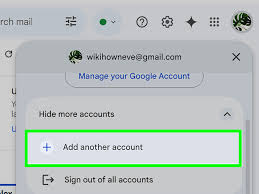
If you don’t already have one, sign up for a Google account. This will give you access to Blogger and other Google services.
2. Access Blogger: Once you have a Google account, visit the Blogger website (blogger.com) and sign in using your Google credentials.
3. Create Your Blog: Click on the “Create New Blog” button to begin the process of setting up your blog. You’ll be prompted to choose a title for your blog and a unique URL (web address).
Designing Your Blog;
1. Choose a Theme: Blogger offers a selection of customizable themes to choose from. Browse through the options and select a theme that suits your style and niche.
2. Customize Your Theme: Once you’ve chosen a theme, you can customize it to match your preferences. This includes changing colors, fonts, and layout options to create a unique look for your blog.
Creating and Publishing Content
1. Write a New Post: To create a new blog post, click on the “New Post” button in the Blogger dashboard. This will open a text editor where you can write and format your post.
2. Add Images and Multimedia: Enhance your blog posts by adding images, videos, and other multimedia content. Blogger makes it easy to upload and embed media directly into your posts.
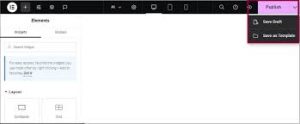
3. Preview and Publish:
Google blogger beginner guide
Before publishing your post, preview it to ensure everything looks as intended. Once you’re satisfied, click the “Publish” button to make your post live on your blog.
Managing Your Blog
1. Dashboard: The Blogger dashboard is your central hub for managing your blog. From here, you can view your blog’s stats, manage comments, and access various settings.
2. Customize Settings: Explore the settings menu to customize various aspects of your blog, such as privacy settings, search preferences, and mobile settings..
Engaging with Your Audience;

Google blogger beginner guide
1. Enable Comments: Encourage interaction by enabling comments on your blog posts. Engage with your audience by responding to comments and fostering discussions.
2. Promote Your Blog: Share your blog posts on social media platforms and engage with other bloggers in your niche. Building a community around your blog will help increase visibility and attract more readers.
Summary
You don’t need to know how to code to publish blogs using Google Blogger, a free and user-friendly platform. It integrates easily with your current Google account and Google AdSense for simple monetization, requires no hosting expenses, and only takes a few minutes to set up.

The Causes of Political Apathy

Child Neglect and Causes

Environment Care Tips

A Step-by-Step Guide to Deleting Reels on Instagram

A Comprehensive Guide to Setting Up a YouTube Premiere

How to Create a WhatsApp Group
-

 Business3 weeks ago
How to Promote your Business
-
 Fashion3 weeks ago
Fashion Guide for Beginners
-
 Business2 weeks ago
Business Name Selection Tips
-

 Business1 week ago
Customers Satisfaction
-

 Business3 weeks ago
Tips for Running Online Business
-

 TECHNOLOGY3 weeks ago
Artificial Intelligence and the Future