
personal hygiene
Relevance of Washing Clothes


Relevance of washing clothes. Clothing, food, and shelter are the three essentials of existence. As a result, clothing is quite important. Maintaining our clothing properly is crucial to leading a healthy life. We feel better when we wear clothes that are neat and clean. Clothing enhances our personalities in addition to covering our bodies. Numerous bacteria and germs that might cause infections in our bodies are present in dirty clothing. Wearing filthy clothes makes us unhappy and unwell.
RELEVANCE OF WASHING CLOTHES
Do you ever undervalue the significance of washing your own laundry? It can be simple, particularly if you know how to get your items to the laundry in your area. Instead of washing your clothes, you may find yourself grabbing a soiled shirt from the floor, giving it a cursory sniff, and then rushing out the door. Washing your clothes, however, is quite vital and should be done often. More than just a nuisance, washing clothes is crucial to preserving overall health and proper hygiene. The following are some advantages of routinely washing your clothing.
1. Enhances personal hygiene

Maintaining personal hygiene is the most evident advantage of routine laundry. Clothing is exposed to a variety of environmental elements, including dust, pollution, and germs, which can build up on the fabric. Regular washing eliminates these bacteria and germs and stops the spread of illness. Additionally, it keeps towels and bed linens fresh by inhibiting the growth of mold and mildew.
2. Being professional Wearing neat

well-maintained clothing is a statement of professionalism and respect for oneself and others in a variety of contexts, including the workplace and formal gatherings.
3. Social perception

People frequently make snap judgments about other people based on how they look, including how clean their clothes are. Wearing clean clothes can improve one’s overall image in social and professional situations and help create a good first impression.
4. Comfort

In general, wearing clean clothing is more comfortable than wearing unclean or dirty clothing. They can more successfully control body temperature and feel better against the skin. Clothing longevity Washing and caring for clothing on a regular basis helps maintain its quality, prolongs its life. Over time, this lowers the need for regular replacement, saving money.
5. Increases self-assurance

You can feel more assured and prepared to face the day when you are dressed in clean clothes. Feeling good about oneself is just as important as having a nice scent.
6. Minimizes allergens

Allergies can be brought on by dust and pollen buildup on clothing. These allergens can be eliminated and allergic responses can be avoided with washing. It also keeps asthma away.
7. Stops smells

Sweating, spilling food, and other activities can leave garments smelling bad. Frequent washing keeps your clothes clean and fresh by removing odors.
8. Keeps clothing appearing new

Has your favorite article of clothing lost its Ulster? It may be revived with regular washing! A thorough washing can help restore the colors of clothing that have been dulled and faded by dirt and grime, giving them a new, bright appearance.
9. Minimizes skin irritation

Selecting a mild detergent devoid of harsh chemicals helps lessen skin irritation and avoid allergic responses. Those with sensitive skin should pay particular attention to this.
Summary
A vital component of maintaining a fresh and clean wardrobe is routinely washing your clothing. It is essential for preserving proper cleanliness, stopping the spread of illness, and prolonging the life of your clothing. You can enjoy clean, fresh clothes that improve your general health and well being if you take the right care of them. Washing your garments should be done at least once a week, or after each wear. Checking the care label on each item of clothing before you wear it for the first time is the easiest method to figure out how frequently you should wash it.


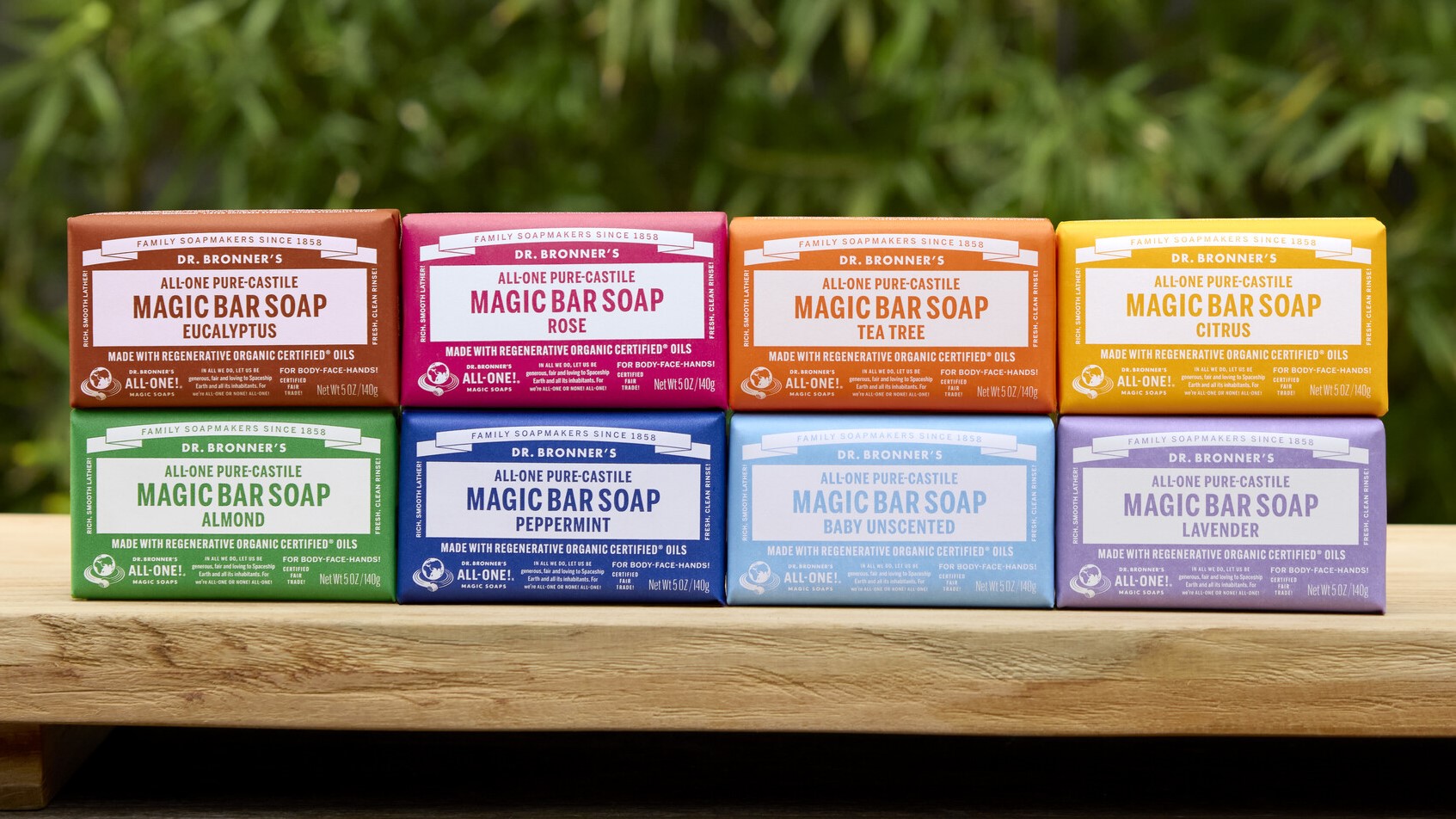
Dr. Bronner’s Pure-Castil Soap. The union of sustainability, adaptability, and purity is embodied in Dr. Bronner’s Pure-Castile Bar Soaps. It represents a comprehensive approach to skincare and ethical living with its natural ingredients, multipurpose applications, mild cleaning qualities, eco-friendly packaging, and dedication to ethical sourcing. This classic soap is a tribute to the enduring power of nature and ethical stewardship, whether one is looking for a straightforward yet effective cleansing solution or adopting a conscious consumer lifestyle.
DR. BRONNER’S PURE-CASTIL SOAP
In a world inundated with skincare options, Dr. Bronner’s Pure-Castile Bar Soap emerges as a beacon of simplicity and purity. Renowned for its natural ingredients and multifunctional prowess, this iconic soap has garnered a loyal following.
1. Natural Ingredients:

At the heart of Dr. Bronner’s Pure-Castile Bar Soap lies a commitment to natural, ethically-sourced ingredients. Crafted with organic oils such as coconut, olive, and palm, along with essential oils for fragrance, this soap is free from synthetic additives, fragrances, and preservatives. The result is a product that nourishes the skin while minimizing environmental impact.
2. Versatile Applications:
True to the spirit of Castile soap tradition, Dr. Bronner’s Pure-Castile Bar Soap boasts a multitude of uses. From body cleansing to household cleaning, its versatility knows no bounds. Whether lathering up in the shower, washing dishes, or even as a gentle laundry detergent, this soap adapts to various tasks with ease.
3. Gentle Cleansing:
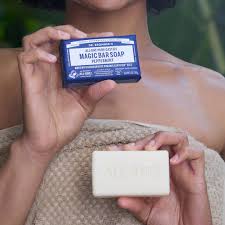
Dr. Bronner’s Pure-Castil bar Soap
Formulated with a base of pure olive oil, Dr. Bronner’s Pure-Castile Bar Soap offers a gentle yet effective cleanse. Its rich lather removes dirt, oil, and impurities without stripping the skin of its natural oils. Ideal for sensitive skin, it leaves the complexion feeling refreshed and nourished, making it suitable for daily use.
4. Eco-Friendly Packaging:
In addition to its natural ingredients, Dr. Bronner’s Pure-Castile Bar Soap is packaged in 100% post-consumer recycled paper, furthering its eco-friendly credentials. The minimalist packaging reflects the brand’s commitment to sustainability, minimizing waste and environmental impact.
5. Ethical Sourcing and Fair Trade Practices:
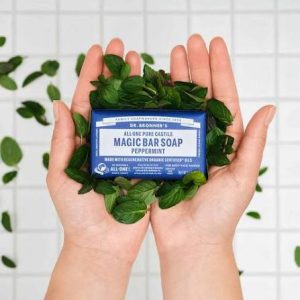
Dr. Bronner’s Pure-Castil bar Soap
Dr. Bronner’s commitment to ethical sourcing extends beyond ingredients to encompass fair trade practices. By prioritizing fair wages and working conditions for farmers and laborers, the brand upholds principles of social responsibility and economic equity, fostering positive change within the supply chain.
Summary
The renowned, multipurpose, plant-based Dr. Bronner’s Pure-Castile Soap is well-known for its pure ingredients, environmental friendliness, and remarkable adaptability. Although its highly concentrated recipe makes it very affordable, it can be drying on sensitive skin and needs to be diluted properly.
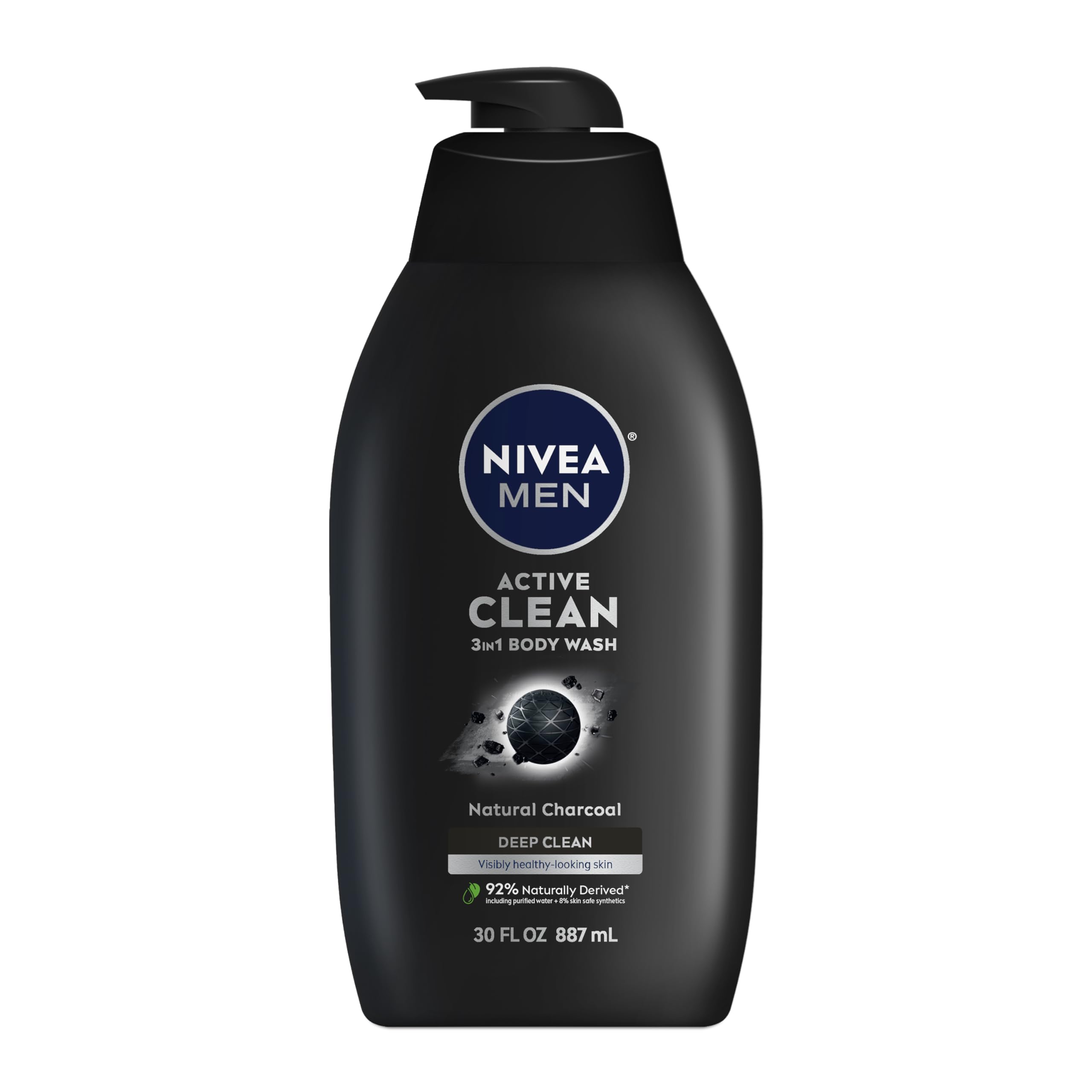
Nivea body wash for men. For guys seeking a deep-cleaning, revitalizing body wash that leaves the skin feeling renewed and hydrated, NIVEA guys Deep Active Clean Body Wash is a great option. While the menthol offers a revitalizing and invigorating effect, the activated charcoal guarantees a complete cleaning. It is a fantastic complement to any man’s grooming regimen because of its macho aroma, which enhances the overall appeal.
NIVEA BODY WASH FOR MEN
In the realm of men’s grooming, NIVEA Men Deep Active Clean Body Wash stands out as a product designed to provide a thorough and invigorating cleanse. With its activated charcoal formula, this body wash promises to deliver deep cleaning and a refreshing experience. Let’s delve into what makes this body wash a noteworthy addition to your daily shower routine..
First Impressions;
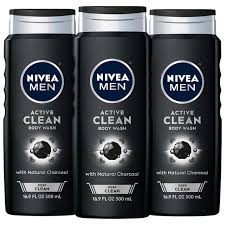
NIVEA Men Deep Active Clean Body Wash comes in a robust, dark blue bottle with a clean, masculine design that reflects the brand’s focus on effective and straightforward grooming solutions. The packaging is practical, with a secure flip-top cap that’s easy to use in the shower. The scent is immediately noticeable upon opening the bottle—a fresh, masculine fragrance that combines woody and citrus notes.
Ingredients and Benefits
This body wash leverages a blend of effective ingredients to provide a comprehensive cleansing experience:
– Activated Charcoal: Known for its ability to draw out impurities and toxins from the skin, activated charcoal ensures a deep cleanse, removing dirt, oil, and sweat effectively.
– Menthol: Adds a cooling sensation, providing a refreshing and invigorating feel during and after the shower.
– Glycerin: A powerful humectant, glycerin attracts moisture to the skin, helping to keep it hydrated and soft.
– Sodium Laureth Sulfate: A cleansing agent that creates a rich lather, ensuring thorough cleaning of the skin.
Performance;
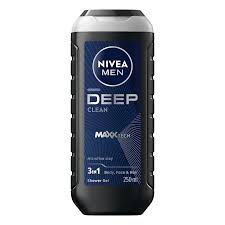
Cleansing Power: The activated charcoal in NIVEA Men Deep Active Clean Body Wash gives it superior cleansing abilities. It effectively removes dirt, oil, and other impurities from the skin, leaving it feeling exceptionally clean and refreshed. The rich lather helps to spread the product evenly, ensuring a comprehensive cleanse.
Scent: The fragrance is a significant highlight of this body wash. It offers a robust, masculine scent that combines woody and citrus notes, providing a fresh and energizing aroma. The scent lingers on the skin post-shower, keeping you feeling fresh throughout the day.
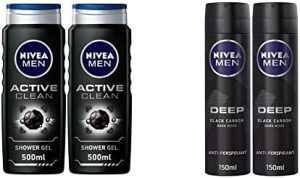
Nivea body wash for men
Hydration: Despite its deep-cleansing properties, this body wash does not strip the skin of its natural moisture. Ingredients like glycerin help to keep the skin hydrated and prevent dryness, making it suitable for daily use.
Skin Sensitivity: While the formula is powerful, it is also gentle enough for most skin types. However, those with extremely sensitive skin may want to test the product first to ensure it does not cause irritation, due to the presence of menthol and sodium laureth sulfate.
Pros and Cons
Pros:
– Deep Cleansing: Activated charcoal provides a thorough cleanse, removing impurities effectively.
– Refreshing Sensation: Menthol offers a cooling, invigorating feel during and after use.
Cons:
Nivea body wash for men
– Potential Irritation: The inclusion of menthol and sodium laureth sulfate might be too harsh for extremely sensitive skin.
– Price: While affordable, it may be slightly more expensive compared to basic body washes.
Summary
Most people will find it to be a strong and efficient solution for everyday washing needs, while those with really sensitive skin should use it with caution. NIVEA Men thorough Active Clean Body Wash is a product worth taking into consideration if you’re looking for a body wash that combines thorough cleaning with a revitalizing effect.
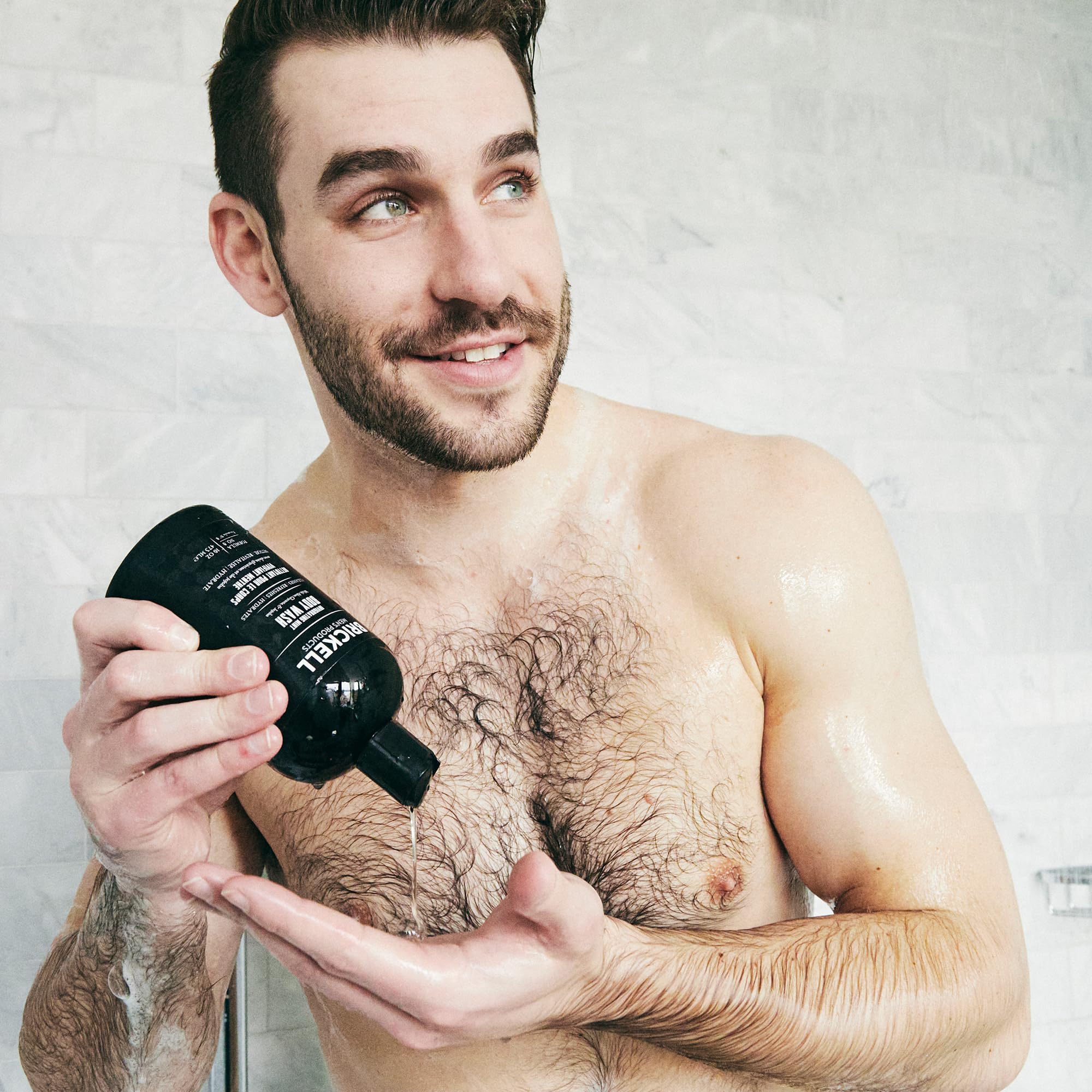
Men invigorating body wash. For men who appreciate natural ingredients and a revitalizing shower, Brickell Men’s Invigorating Mint Body Wash is an excellent option. Its fragrance is energizing because to the combination of tea tree oil and peppermint. That gives you a boost of energy and awakens you. Glycerin, jojoba oil, and aloe vera all have moisturizing qualities that keep your skin hydrated and smooth.
MEN INVIGORATING BODY WASH
Men’s grooming products have come a long way, and Brickell Men’s Invigorating Mint Body Wash is a prime example of a product that promises to elevate your daily shower routine. Known for its natural ingredients and invigorating scent, this body wash aims to provide a refreshing and effective cleanse. Let’s explore what makes this body wash a standout choice for men.
First Impressions;
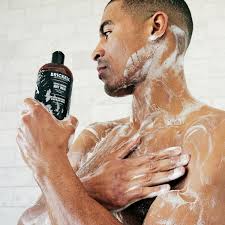
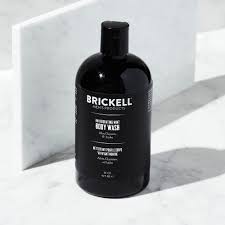
Brickell Men’s Invigorating Mint Body Wash comes in a stylish, dark green bottle that reflects the brand’s focus on natural ingredients and quality. The design is simple yet elegant, appealing to men who appreciate understated sophistication. The scent is immediately noticeable upon opening the bottle—an invigorating blend of peppermint and tea tree that promises a refreshing start to your day.
Ingredients and Benefits;
Brickell prides itself on using natural and organic ingredients. Here are some of the key components of this body wash and their benefits:
– Aloe Vera: Known for its soothing and hydrating properties, aloe vera helps to calm the skin and lock in moisture, preventing dryness.
– Jojoba Oil: This oil mimics the skin’s natural oils, providing deep hydration and helping to balance oil production.
– Glycerin: A powerful humectant, glycerin attracts moisture to the skin, ensuring it stays hydrated and soft.
– Tea Tree Oil: Renowned for its antibacterial and anti-inflammatory properties, tea tree oil helps to cleanse the skin thoroughly and prevent breakouts.
– Peppermint Oil: Provides a cooling sensation that invigorates the skin, making it feel refreshed and energized.
Performance;
Cleansing Power: Brickell Men’s Invigorating Mint Body Wash lathers well, creating a rich foam that effectively removes dirt, sweat, and oil. It leaves the skin feeling clean without any residue.
Scent: The peppermint and tea tree oil blend gives this body wash a refreshing, minty scent that is both energizing and long-lasting. The fragrance lingers subtly on the skin, providing a clean and crisp aroma throughout the day.
Hydration: Thanks to ingredients like aloe vera, jojoba oil, and glycerin, this body wash delivers excellent hydration. It helps to prevent dryness and leaves the skin feeling smooth and moisturized after each use.
Men invigorating body wash
Skin Sensitivity: With its natural and organic ingredients, this body wash is suitable for all skin types, including sensitive skin. It does not contain harsh chemicals or synthetic fragrances, reducing the risk of irritation or allergic reactions.
Pros and Cons
Pros:
– Natural Ingredients: Free from parabens, sulfates, and synthetic fragrances, making it a healthier choice for your skin.
– Moisturizing: Leaves the skin hydrated and soft, thanks to aloe vera, jojoba oil, and glycerin.
– Refreshing Scent: The peppermint and tea tree oil provide an invigorating and long-lasting fragrance.
Cons:
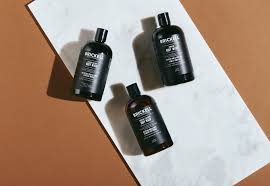
Men invigorating body wash
– Price: It is priced higher than some mainstream body washes, but the quality and natural ingredients justify the cost.
– Availability: Depending on your location, it may not be as readily available as other brands and might require online purchasing.
Summary
Even so, it can cost more than standard body washes. It is well worth the investment in skin health and quality. If you want to add a body wash that improves both performance and sensory experience to your everyday grooming regimen. Brickell’s Invigorating Mint Body Wash is a great choice.
Foods Rich in Zinc

Appetite Enhancement Tips

Nutritional Value of Rolled Oats

A Step-by-Step Guide to Deleting Reels on Instagram

A Comprehensive Guide to Setting Up a YouTube Premiere

How to Create a WhatsApp Group
-

 Health4 weeks ago
Harmful side effects of earphones
-

 Self esteem4 weeks ago
Tips for self esteem improvement
-

 Exercise4 weeks ago
Regular physical activities importance
-

 Health4 weeks ago
Headphones safety tips
-

 Business3 weeks ago
Local business promotion
-

 Entertainment3 weeks ago
Women and British dance music