personal hygiene
Causes of Body Odor


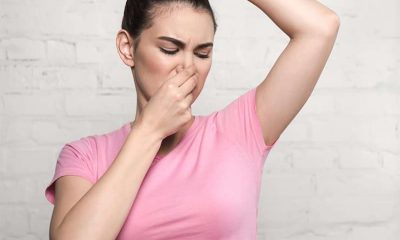
Causes of body odor. Poor hygiene, excessive perspiration, or puberty can all contribute to changes in body odor. The environment, your medications, or the food you eat can cause abrupt changes. It might also be a sign of a medical issue. Although each person has a distinct body odor, which may be subtle or pleasant, most people associate body odor with unpleasant smells.
CAUSES OF BODY ODOR
However, body odor can occasionally be a sign of an underlying condition, particularly if it changes suddenly and persistently from your typical odor. Sweating a lot could be the cause if you’ve been exercising. Sweat can combine with bacteria to produce an unpleasant odor if you don’t wear antiperspirant or maintain good hygiene. Body odor could be something else if it persists and is accompanied by other symptoms.
1. Diet

Among the foods that could produce smelly gas are broccoli, cauliflower, and cabbage. Certain foods to which you are sensitive can also result in increased gas if you have a food intolerance or sensitivity.
2. Stress

Anxiety and Stress can sometimes make you perspire more, which intensifies your body odor. Sweating excessively and uncontrollably, sometimes for no apparent reason, is a sign of hyperhidrosis disorder. A genetic predisposition, an underlying medical condition, or the use of specific medications can cause this disorder in some people.
3. Diabetes

When your body either produces insufficient amounts of insulin or is unable to use what it does produce efficiently, you develop diabetes mellitus. It causes blood sugar levels to rise. Diabetic ketoacidosis is a complication that can happen if blood sugar levels rise too high. The body secretes ketones into the blood and urine when they reach dangerously high levels. DKA also results in a fruity smell in your breath.
4. Menopause and menstruation

Have you ever considered that your period might cause a change in your scent? According to research, women who are fertile during their menstrual cycle actually emit a different scent that men find more attractive than those who are not fertile during their cycle. Given that everyone seems to enjoy the scent of fertility, it was even proposed that this scent could affect how women interact with other women.
5. Vaginal infections

A sudden change in vaginal odor can be caused by a number of vaginal infections, including Bacterial vaginosis and vaginal parasite infections. The affected area’s body odor may also change as a result of other infections that don’t originate in the vagina. Vaginal odor is typically not a symptom of vaginal yeast infections. But usually, they come with burning, redness, or itching.
Summary
Often, abrupt changes in body odor don’t indicate a serious problem. How long the smell lasts, whether it is specifically connected to anything, and whether it is accompanied by other symptoms are the simplest ways to determine whether you should be concerned. It never hurts to schedule an appointment with a doctor or ask a nurse or doctor for advice if the sudden smell worries you and it continues.






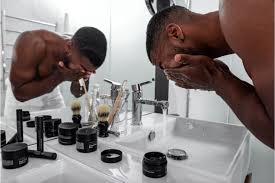
Men and personal hygiene. Maintaining a clean and healthy physique is essential for preventing diseases, infections, and social isolation.Daily bathing, frequent hand washing, brushing and flossing your teeth, wearing clean clothes, and cutting your nails are all important practices. Maintaining proper hygiene lowers the transmission of germs while improving mental and physical health.
MEN AND PERSONAL HYGIENE
A good men’s hygiene regimen includes using deodorant, brushing and flossing every day, washing hair and skin using specialty products, and taking a daily shower with soap (particularly to clean the groin and behind). frequent skincare (cleanser/serum), daily moisturizing (particularly with SPF), and frequent hair, beard, and nail grooming are crucial. Particular hygiene, similar as bathing, is veritably much dependent on the culture in which you live. In some societies, it’s anticipated that you’ll wash your body at least every day and use deodorants to stop body smells
particular hygiene for men;

A figure- up of concealment called smegma can form under the foreskin of uncircumcisedmen.However, gently pull back the foreskin when you have a shower and clean with water, If you’re uncircumcised. You can use cleaner if you like, but make sure you wash it off well.
Bad breath;

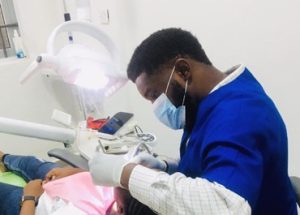
Good dental hygiene includes regular brushing and flossing. Bad breath can be caused by conditions of the teeth, epoxies and mouth, similar as infections. utmost people have bad breath first thing in the morning because slaver isn’t made while you ’re asleep.
Some foods that can beget bad breath include garlic and onion. Mouth wetlands, mouth sprays and flavoured biting goo can make your breath smell better for a while, but if you have a health problem in your mouth, you need to see your dentist.
Where to get help;
MEN AND PERSONAL HYGIENE
Your croaker
Dentist.
Travelling hygiene;
When travelling overseas, take special care if you ’re not sure whether the water is safe. Suggestions include
Drink only bottled water.
Do n’t use valve water to clean your teeth.
When you wash your hands, make sure they’re completely dry before you touch any food.
Do n’t wash fruit or vegetables in unsafe water.
MEN AND PERSONAL HYGIENE
still, make sure the water is boiled before you drink it by holding it at a rolling pustule for one nanosecond, If you have no other water source.
Make sure any dishes, mugs or other implements are completely dry after they’re washed.
Summary
The term “hygiene” describes circumstances and behaviors that preserve health and stop the spread of illness, such as hand washing, bathing, and surface cleaning. It entails either killing germs with disinfectants or eliminating them with cleansing (soap, water). Daily bathing, hand cleaning, dental maintenance, and safe food handling are important habits.

Dish washing relevance. The primary objective of dishwashing is to return anything to its original state. The kitchen gets back to being clean and sterilized, and the utensils get back to being shiny and squeaky. After then, everything returns to normal in the mortal world. Most frequently, the word “chore” evokes an unpleasant, unwanted duty. Given that most dictionaries describe it as: A work or job that must be performed on a regular basis but is frequently tiresome or unpleasant, that is obviously justified.
DISH WASHING RELEVANCE
A daily household chore that is essential to cleanliness, health, and environmental sustainability, dishwashing goes far beyond aesthetics. In order to stop bacterial growth and the transmission of disease, it entails cleaning kitchenware of pollutants, grease, and food residues.
Dishwashing is something that most homes, age after generation, appear to just do. However, are you aware of the reasons it is an essential practice? Dishwashing is a vital component of living a healthy life, yet most people don’t consider its advantages. In addition to keeping, you and your family from becoming very sick, doing the dishes is a vital part of living a healthy lifestyle. Now is the time to discover the significance of dishwashing! You can learn about the several advantages of dishwashing, including as lowering your risk of illness and maintaining a clean kitchen, by reading this article.
1. Boosts Awareness;

Dish washing relevance
According to recent studies, doing the dishes can serve as a mindfulness exercise. It might turn into a relaxing experience that lowers tension. Here are some pointers to help you do this correctly: Focus only on what you are doing and avoid thinking about anything else. Feel both the foam from the detergent and the warm water on your hands.
2. Boosts Your Immunity;

Dish washing relevance
You are actually giving yourself permission to be exposed, in little doses, to something that could make you ill by exposing yourself to the bacteria from leftover food. Your immune system then becomes activated and begins producing antibodies to combat the pathogens. Therefore, studies have shown that cleaning dishes exposes you to bacteria, which might boost your immunity.
3. Improves Feelings of Health;

When the world is hectic and stressful, having a clean home—including a kitchen and dishes—can make you feel powerful and in charge. A key component of enhancing your sense of health and well-being is staying on top of household tasks like dishwashing. Food particles, filth, grease, and dirt are all removed from the surface of your plates when you wash them. This stops the growth of germs, fungus, and other potentially dangerous substances on the dishes.
4. Additionally, cleaning dishes keeps pests like flies and rodents out of your house because they are drawn to the food and leftover debris.

6. In just a few days, bacteria and fungi can develop and reproduce to the point where they could form a colony. A lot of bacteria may form in your kitchen and on your dishes if you don’t wash them for days at a time. This could be harmful to your health.
7. The odor occurs with the germs and fungi. Eventually, the smell will permeate your house and produce offensive stench.
Summary
We’ve read about the physical advantages of keeping your kitchen and dishes clean to prevent the growth of unwanted scents, but let’s take a closer look at the benefits for your mental health. One benefit of dishwashing is a clean, germ- and pest-free house, which is why many people wonder why it’s so important for mental health. avoiding severe illness within your family. It can make you feel more in charge, less anxious, and more conscious.
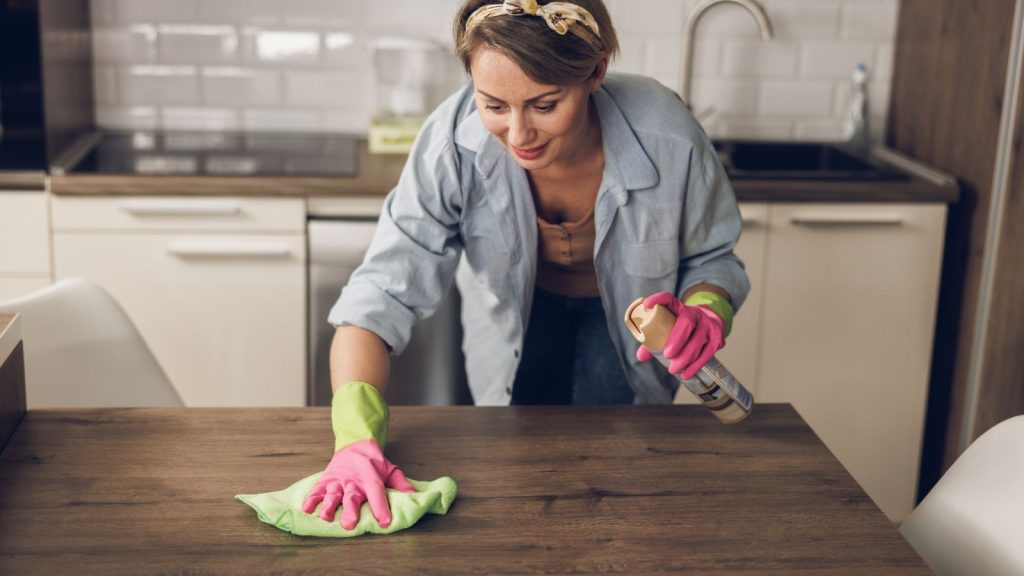
Types of poor cleaning habits. Using filthy tools, combining chemicals, avoiding regular maintenance, and failing to tidy before organizing are all examples of poor cleaning practices that lead to an unclean, unsanitary, and cluttered home. Other major errors include wearing shoes indoors, putting off doing laundry, leaving damp towels, and using excessive amounts of detergent. It takes continuous upkeep and the application of appropriate methods to prevent the spread of bacteria to break these habits.
TYPES OF POOR CLEANING HABITS
Neglecting necessary chores or employing inappropriate cleaning methods that disperse germs, harm surfaces, or produce unhygienic, disorganized spaces are examples of poor cleaning habits. Using unclean equipment, neglecting “hidden” locations like under furniture, not disinfecting high-touch areas, and letting clutter build up are common examples that can result in bacteria, bugs, and poor air quality.
1. Overuse of Laundry Detergent;

It’s a common misconception that using more laundry detergent would result in cleaner clothes. Overuse of soap can cause skin irritation, and eventually even harm to clothing.
2. Stacking soiled dishes;
In addition to making cleaning more difficult, leaving dirty dishes in the sink also draws pests and foul smells. To maintain the freshness of your kitchen, make it a practice to wash or put dishes in the dishwasher after every meal.
3. Failure to make the bed;

TYPES OF POOR CLEANING HABITS
Even while making your bed every day might not seem like much, it quickly gives your room a more polished appearance and improves your mood.
4. Combining cleaning supplies;
Toxic gasses can result from the mixing of some substances. Never mix items unless advised to do by the manufacturer, and always carefully read labels.
5. Making use of filthy cleaning supplies;
TYPES OF POOR CLEANING HABITS
Steer clear of using the same sponge or towel in multiple places. Assign distinct tools for the restroom, kitchen, and other areas, use disposable ones to lower the possibility of cross-contamination.
6. Ignoring product directions;
Improper use or damage may result from failing to read cleaning product labels. In order to maximize the product’s benefits and prevent unintended side effects, always take the time to read the directions.
7. Excessive Use of Cleaning Materials;
TYPES OF POOR CLEANING HABITS
An excessive amount of goods might overpower your cleaning regimen and occupy needless space. Simplify by using only a few multipurpose cleaners that accomplish the job.
Summary
Like any other activity we might not particularly enjoy, cleaning our home requires us to establish a system that will eventually allow us to create the daily cleaning habits we need to finish the task. You can make the most of your routine by avoiding these common cleaning mistakes and their simple solutions.

Agricultural sector of the economy

Agricultural forms

Tips for successful proofreading

A Step-by-Step Guide to Deleting Reels on Instagram

A Comprehensive Guide to Setting Up a YouTube Premiere