personal hygiene
Importance Nail Trimming


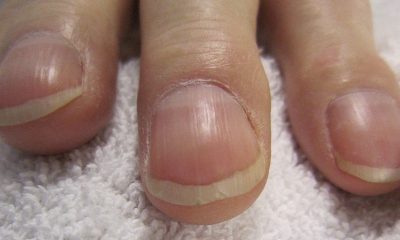
Importance of nail trimming. Even though most people place a high priority on taking care of their bodies, we frequently overlook things like our hand and foot nails. Consequently, even though nail cutting is easy, it is essential for personal cleanliness. In addition to looking fantastic, short, well groomed nails are less prone to retain bacteria and grime.
IMPORTANCE OF NAIL TRIMMING
Furthermore, regular issues like ingrown nails can be avoided with appropriate nail trimming. Beyond only being aesthetically pleasing, regular nail cutting is an easy method to preserve hygiene and fend off health problems. The following are a few of the most important advantages:
1. Decreased Infection Risk

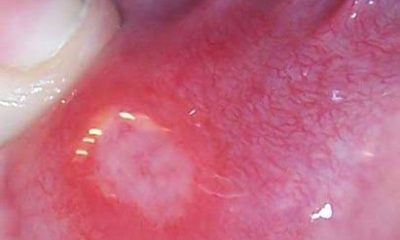
Long nails provide an ideal habitat for the propagation of infection because they act as breeding grounds for bacteria and debris. The danger of illnesses like paronychia (inflammation around the nail) and fungal infections is greatly decreased by keeping nails short since it reduces the area where dirt and bacteria can build.
2. Avoiding Ingrown Nails
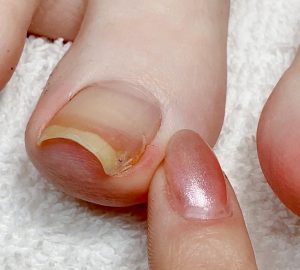
To avoid discomfort and the need for therapeutic intervention, nails should be periodically trimmed in a straight line and not too short. This will stop the nails from growing into the surrounding skin.
3. Improved Blood Circulation

Regularly trimming nails indirectly enhances blood circulation in the fingertips, fingers, and toes. Long nails can impede blood flow by exerting pressure on the nail bed. Therefore, maintaining short nails allows for better blood flow, promoting nail health and faster growth.
4.Improved Look of the Nails

Nails that are clipped and short look good. Frequent trimming keeps nails neat, uniform, and free of cracks and blockages. It also improves the overall look of hands and feet by getting rid of any color changes or dirt buildup under long nails.
5. Hand and Foot Care Made Easy

Handwashing, taking a shower, and cleaning under the nails are all made easier and more effective with short nails. On the other hand, because of the buildup of filth and dead skin underneath, long nails can make cleaning and care more difficult.
6. Decreased Injury Risk

Long nails are more likely to catch on skin, furniture, or clothing, which raises the possibility of unintentional accidents. This risk is reduced by routine nail cutting, especially when engaging in physically demanding activities like sports or manual labor.
7. Maintaining proper hygiene
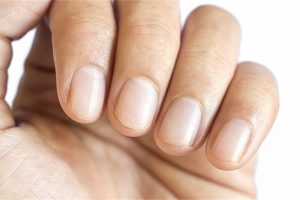
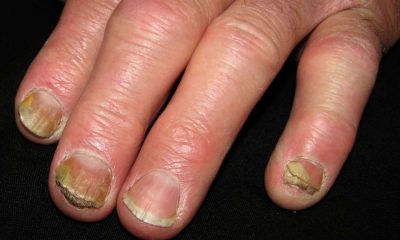
Well-groomed nails convey a sense of maturity and cleanliness. You run the risk of developing fungal infections if you don’t routinely clip your nails. Regular nail cutting has health benefits that can help you overcome tinea. It is known as athlete’s foot and manifests as a red, itchy rash. White patches of skin that deviate away are typically seen between the toes. Additionally, the nails may appear yellow as a result of these wet areas.
8. appropriate foot mechanics
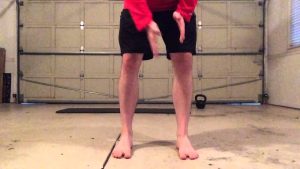
Improperly long toenails might disrupt the foot’s natural alignment. Gait, pressure distribution, and general foot function may all alter as a result. When toenails are trimmed, the toes and feet can move and perform at their best.
Summary
However, For cleanliness and general health, proper nail care, including routine cutting, is essential. The appearance of hands and feet, the prevention of infections, the avoidance of ingrown nail pain, and the ease of daily duties are all advantages of nail trimming. Prioritize nail care as part of your personal grooming regimen and use sterile and clean instruments to prevent the spread of illness.












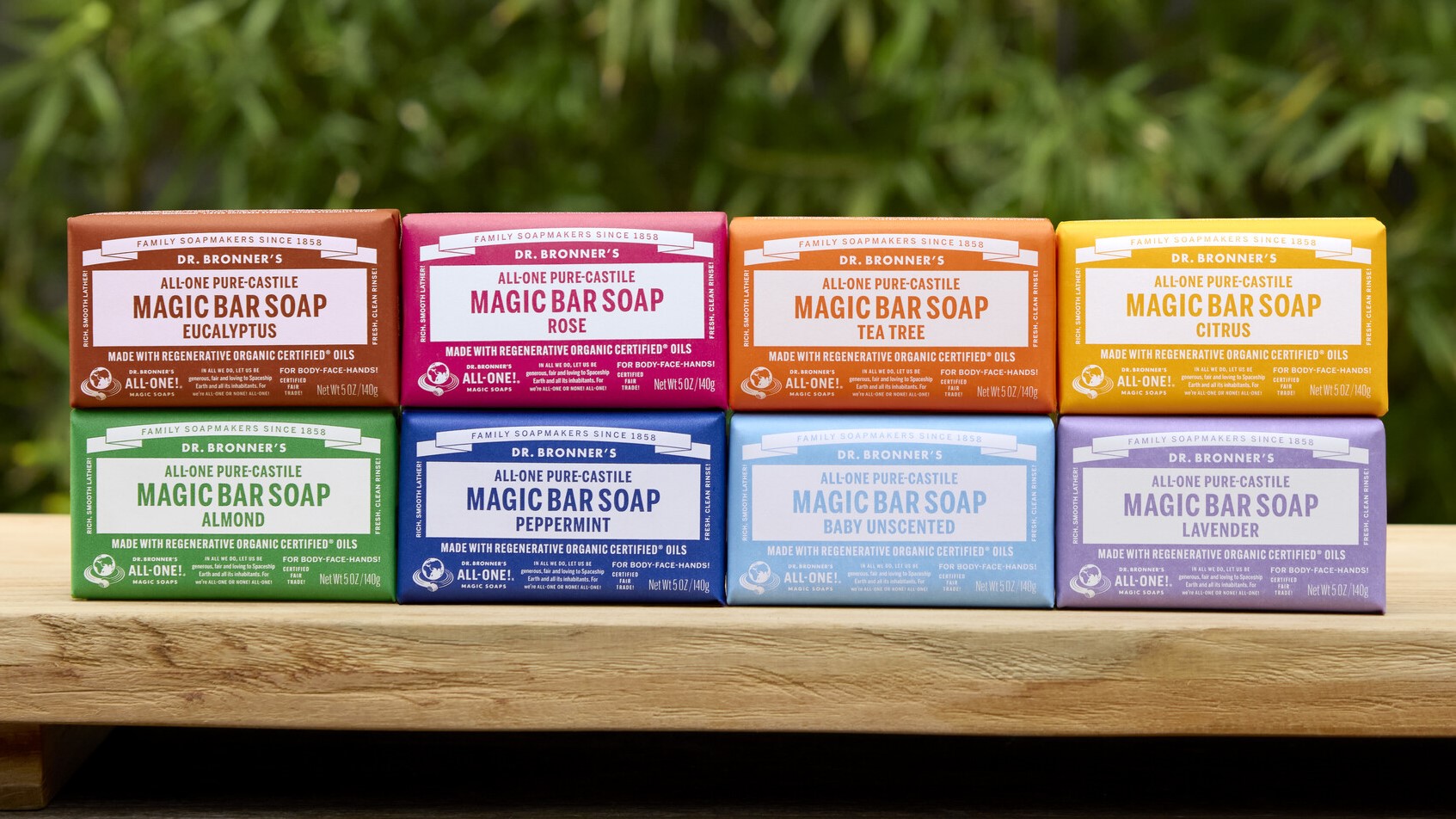
Dr. Bronner’s Pure-Castil Soap. The union of sustainability, adaptability, and purity is embodied in Dr. Bronner’s Pure-Castile Bar Soaps. It represents a comprehensive approach to skincare and ethical living with its natural ingredients, multipurpose applications, mild cleaning qualities, eco-friendly packaging, and dedication to ethical sourcing. This classic soap is a tribute to the enduring power of nature and ethical stewardship, whether one is looking for a straightforward yet effective cleansing solution or adopting a conscious consumer lifestyle.
DR. BRONNER’S PURE-CASTIL SOAP
In a world inundated with skincare options, Dr. Bronner’s Pure-Castile Bar Soap emerges as a beacon of simplicity and purity. Renowned for its natural ingredients and multifunctional prowess, this iconic soap has garnered a loyal following.
1. Natural Ingredients:

At the heart of Dr. Bronner’s Pure-Castile Bar Soap lies a commitment to natural, ethically-sourced ingredients. Crafted with organic oils such as coconut, olive, and palm, along with essential oils for fragrance, this soap is free from synthetic additives, fragrances, and preservatives. The result is a product that nourishes the skin while minimizing environmental impact.
2. Versatile Applications:
True to the spirit of Castile soap tradition, Dr. Bronner’s Pure-Castile Bar Soap boasts a multitude of uses. From body cleansing to household cleaning, its versatility knows no bounds. Whether lathering up in the shower, washing dishes, or even as a gentle laundry detergent, this soap adapts to various tasks with ease.
3. Gentle Cleansing:
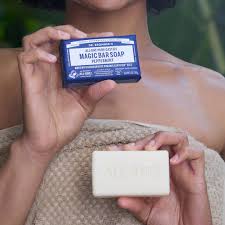
Dr. Bronner’s Pure-Castil bar Soap
Formulated with a base of pure olive oil, Dr. Bronner’s Pure-Castile Bar Soap offers a gentle yet effective cleanse. Its rich lather removes dirt, oil, and impurities without stripping the skin of its natural oils. Ideal for sensitive skin, it leaves the complexion feeling refreshed and nourished, making it suitable for daily use.
4. Eco-Friendly Packaging:
In addition to its natural ingredients, Dr. Bronner’s Pure-Castile Bar Soap is packaged in 100% post-consumer recycled paper, furthering its eco-friendly credentials. The minimalist packaging reflects the brand’s commitment to sustainability, minimizing waste and environmental impact.
5. Ethical Sourcing and Fair Trade Practices:
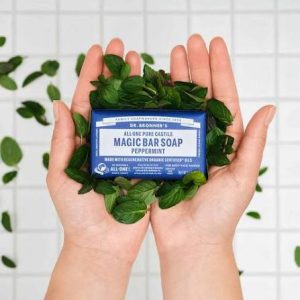
Dr. Bronner’s Pure-Castil bar Soap
Dr. Bronner’s commitment to ethical sourcing extends beyond ingredients to encompass fair trade practices. By prioritizing fair wages and working conditions for farmers and laborers, the brand upholds principles of social responsibility and economic equity, fostering positive change within the supply chain.
Summary
The renowned, multipurpose, plant-based Dr. Bronner’s Pure-Castile Soap is well-known for its pure ingredients, environmental friendliness, and remarkable adaptability. Although its highly concentrated recipe makes it very affordable, it can be drying on sensitive skin and needs to be diluted properly.
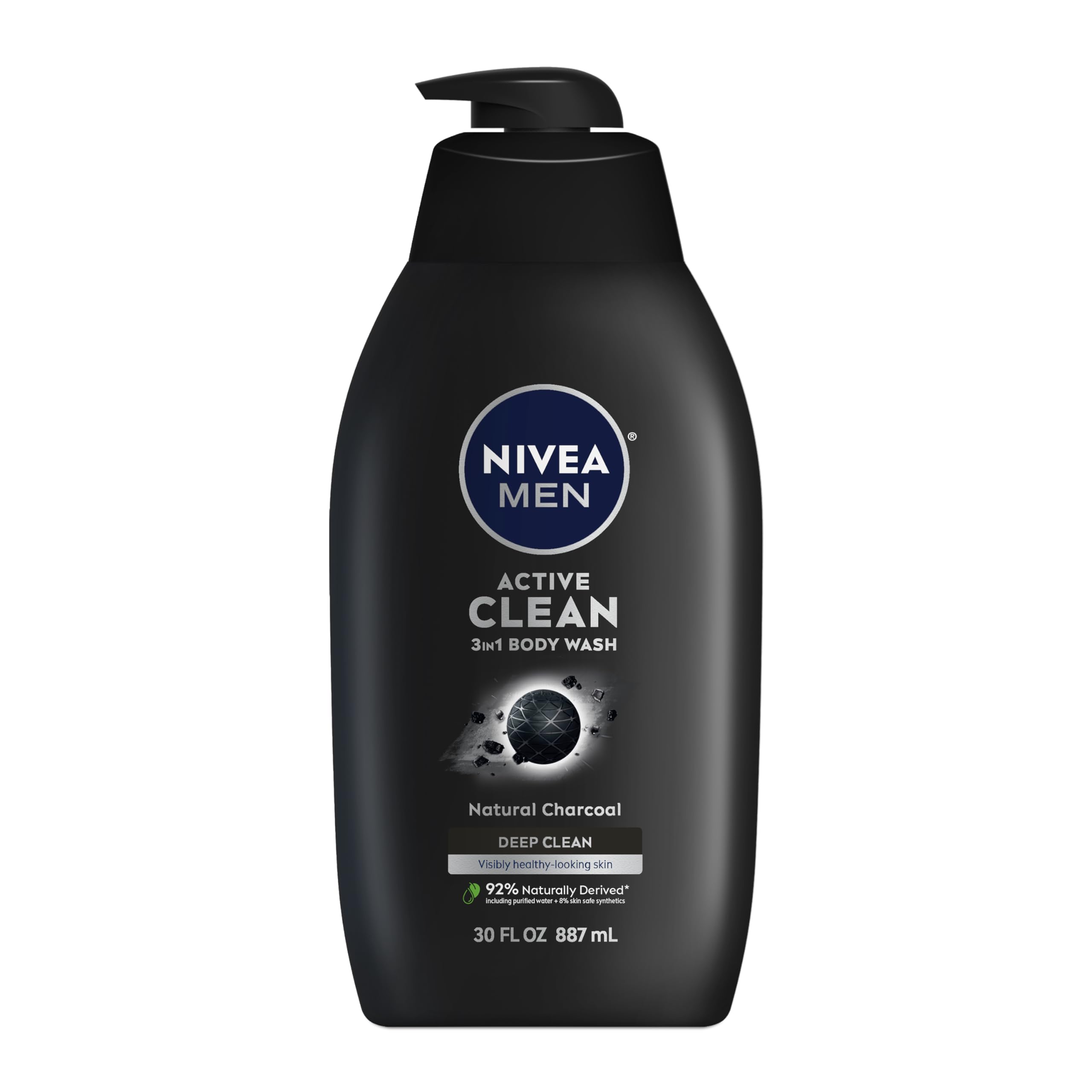
Nivea body wash for men. For guys seeking a deep-cleaning, revitalizing body wash that leaves the skin feeling renewed and hydrated, NIVEA guys Deep Active Clean Body Wash is a great option. While the menthol offers a revitalizing and invigorating effect, the activated charcoal guarantees a complete cleaning. It is a fantastic complement to any man’s grooming regimen because of its macho aroma, which enhances the overall appeal.
NIVEA BODY WASH FOR MEN
In the realm of men’s grooming, NIVEA Men Deep Active Clean Body Wash stands out as a product designed to provide a thorough and invigorating cleanse. With its activated charcoal formula, this body wash promises to deliver deep cleaning and a refreshing experience. Let’s delve into what makes this body wash a noteworthy addition to your daily shower routine..
First Impressions;
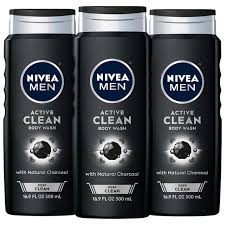
NIVEA Men Deep Active Clean Body Wash comes in a robust, dark blue bottle with a clean, masculine design that reflects the brand’s focus on effective and straightforward grooming solutions. The packaging is practical, with a secure flip-top cap that’s easy to use in the shower. The scent is immediately noticeable upon opening the bottle—a fresh, masculine fragrance that combines woody and citrus notes.
Ingredients and Benefits
This body wash leverages a blend of effective ingredients to provide a comprehensive cleansing experience:
– Activated Charcoal: Known for its ability to draw out impurities and toxins from the skin, activated charcoal ensures a deep cleanse, removing dirt, oil, and sweat effectively.
– Menthol: Adds a cooling sensation, providing a refreshing and invigorating feel during and after the shower.
– Glycerin: A powerful humectant, glycerin attracts moisture to the skin, helping to keep it hydrated and soft.
– Sodium Laureth Sulfate: A cleansing agent that creates a rich lather, ensuring thorough cleaning of the skin.
Performance;
Cleansing Power: The activated charcoal in NIVEA Men Deep Active Clean Body Wash gives it superior cleansing abilities. It effectively removes dirt, oil, and other impurities from the skin, leaving it feeling exceptionally clean and refreshed. The rich lather helps to spread the product evenly, ensuring a comprehensive cleanse.
Scent: The fragrance is a significant highlight of this body wash. It offers a robust, masculine scent that combines woody and citrus notes, providing a fresh and energizing aroma. The scent lingers on the skin post-shower, keeping you feeling fresh throughout the day.
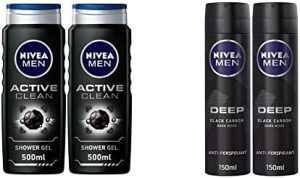
Nivea body wash for men
Hydration: Despite its deep-cleansing properties, this body wash does not strip the skin of its natural moisture. Ingredients like glycerin help to keep the skin hydrated and prevent dryness, making it suitable for daily use.
Skin Sensitivity: While the formula is powerful, it is also gentle enough for most skin types. However, those with extremely sensitive skin may want to test the product first to ensure it does not cause irritation, due to the presence of menthol and sodium laureth sulfate.
Pros and Cons
Pros:
– Deep Cleansing: Activated charcoal provides a thorough cleanse, removing impurities effectively.
– Refreshing Sensation: Menthol offers a cooling, invigorating feel during and after use.
Cons:
Nivea body wash for men
– Potential Irritation: The inclusion of menthol and sodium laureth sulfate might be too harsh for extremely sensitive skin.
– Price: While affordable, it may be slightly more expensive compared to basic body washes.
Summary
Most people will find it to be a strong and efficient solution for everyday washing needs, while those with really sensitive skin should use it with caution. NIVEA Men thorough Active Clean Body Wash is a product worth taking into consideration if you’re looking for a body wash that combines thorough cleaning with a revitalizing effect.
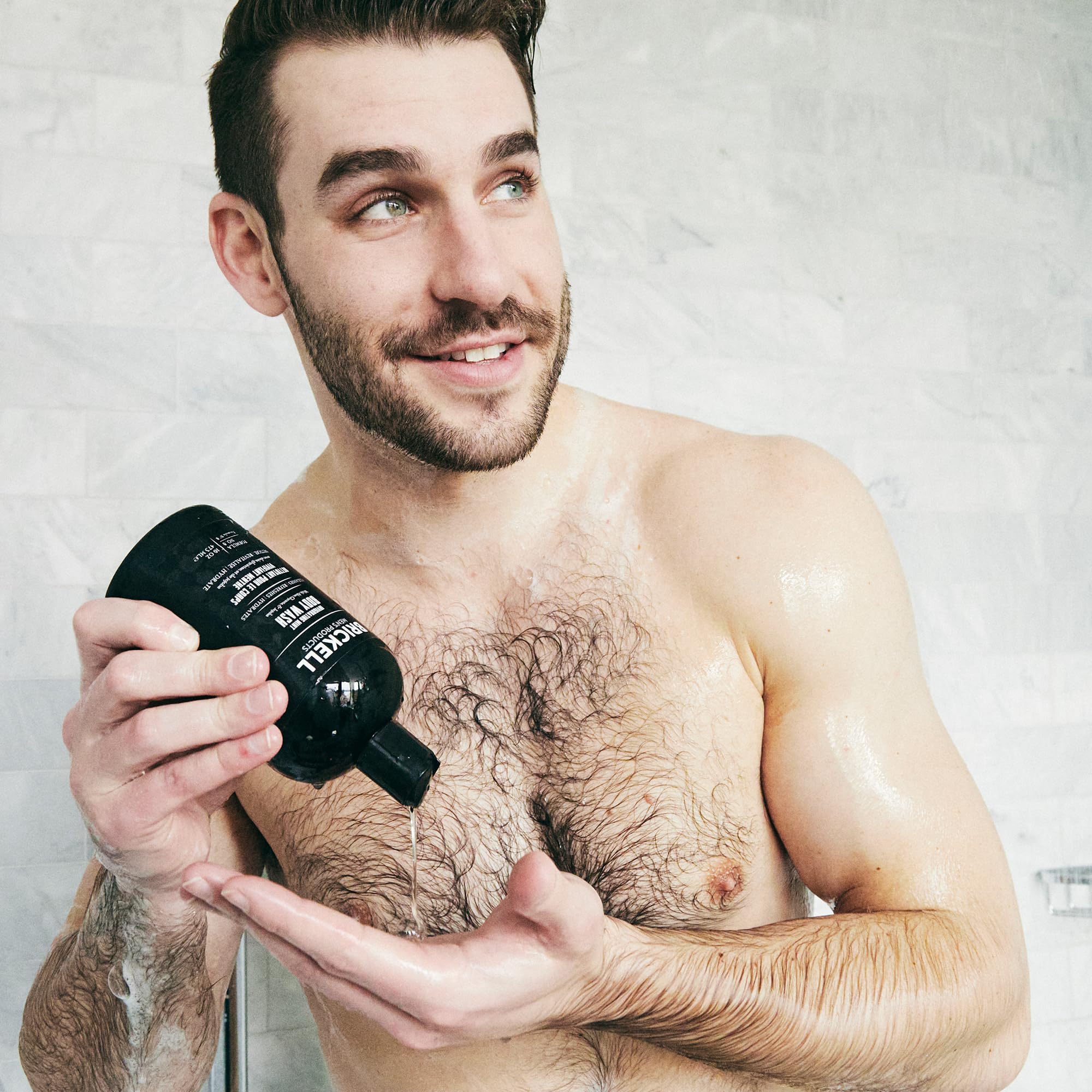
Men invigorating body wash. For men who appreciate natural ingredients and a revitalizing shower, Brickell Men’s Invigorating Mint Body Wash is an excellent option. Its fragrance is energizing because to the combination of tea tree oil and peppermint. That gives you a boost of energy and awakens you. Glycerin, jojoba oil, and aloe vera all have moisturizing qualities that keep your skin hydrated and smooth.
MEN INVIGORATING BODY WASH
Men’s grooming products have come a long way, and Brickell Men’s Invigorating Mint Body Wash is a prime example of a product that promises to elevate your daily shower routine. Known for its natural ingredients and invigorating scent, this body wash aims to provide a refreshing and effective cleanse. Let’s explore what makes this body wash a standout choice for men.
First Impressions;

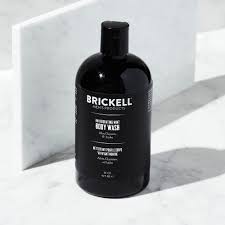
Brickell Men’s Invigorating Mint Body Wash comes in a stylish, dark green bottle that reflects the brand’s focus on natural ingredients and quality. The design is simple yet elegant, appealing to men who appreciate understated sophistication. The scent is immediately noticeable upon opening the bottle—an invigorating blend of peppermint and tea tree that promises a refreshing start to your day.
Ingredients and Benefits;
Brickell prides itself on using natural and organic ingredients. Here are some of the key components of this body wash and their benefits:
– Aloe Vera: Known for its soothing and hydrating properties, aloe vera helps to calm the skin and lock in moisture, preventing dryness.
– Jojoba Oil: This oil mimics the skin’s natural oils, providing deep hydration and helping to balance oil production.
– Glycerin: A powerful humectant, glycerin attracts moisture to the skin, ensuring it stays hydrated and soft.
– Tea Tree Oil: Renowned for its antibacterial and anti-inflammatory properties, tea tree oil helps to cleanse the skin thoroughly and prevent breakouts.
– Peppermint Oil: Provides a cooling sensation that invigorates the skin, making it feel refreshed and energized.
Performance;
Cleansing Power: Brickell Men’s Invigorating Mint Body Wash lathers well, creating a rich foam that effectively removes dirt, sweat, and oil. It leaves the skin feeling clean without any residue.
Scent: The peppermint and tea tree oil blend gives this body wash a refreshing, minty scent that is both energizing and long-lasting. The fragrance lingers subtly on the skin, providing a clean and crisp aroma throughout the day.
Hydration: Thanks to ingredients like aloe vera, jojoba oil, and glycerin, this body wash delivers excellent hydration. It helps to prevent dryness and leaves the skin feeling smooth and moisturized after each use.
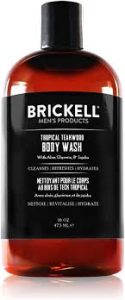
Men invigorating body wash
Skin Sensitivity: With its natural and organic ingredients, this body wash is suitable for all skin types, including sensitive skin. It does not contain harsh chemicals or synthetic fragrances, reducing the risk of irritation or allergic reactions.
Pros and Cons
Pros:
– Natural Ingredients: Free from parabens, sulfates, and synthetic fragrances, making it a healthier choice for your skin.
– Moisturizing: Leaves the skin hydrated and soft, thanks to aloe vera, jojoba oil, and glycerin.
– Refreshing Scent: The peppermint and tea tree oil provide an invigorating and long-lasting fragrance.
Cons:
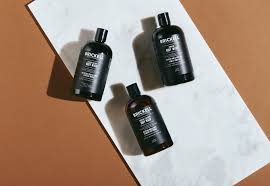
Men invigorating body wash
– Price: It is priced higher than some mainstream body washes, but the quality and natural ingredients justify the cost.
– Availability: Depending on your location, it may not be as readily available as other brands and might require online purchasing.
Summary
Even so, it can cost more than standard body washes. It is well worth the investment in skin health and quality. If you want to add a body wash that improves both performance and sensory experience to your everyday grooming regimen. Brickell’s Invigorating Mint Body Wash is a great choice.

Earth Frozen Frontiers

Natural Majestic Wonders

Daily Life Hacks

A Step-by-Step Guide to Deleting Reels on Instagram

A Comprehensive Guide to Setting Up a YouTube Premiere