
ear health
Tinnitus


TINNITUS
Tinnitus. The medical name for ringing in the ears is tinnitus. Sounds like ringing, clicking, pulsing, buzzing, or rushing that no one else can hear flood your mind if you have tinnitus. These sounds might be so low you hardly notice them, or they can be so high that they seem to drown out the sounds around you.
TINNITUS
People who suffer from acute tinnitus may find it difficult to focus or fall asleep. Depression and dissatisfaction may result from this over time. Tinnitus is not a medical condition. It is a sign of a number of illnesses, such as age-related hearing loss or ear trauma.
Causes

Age-related hearing loss. A certain amount of auditory stimulus is accustomed to your brain. Your hearing nerve is consequently subjected to a certain amount of activity. Your brain is not as stimulated when you have hearing loss, but your hearing nerve may continue to fire at its usual pace. You may hear sounds that aren’t actually there as a result of this. Ringing in the ears occurs in about one out of three persons over 65.
hearing loss brought on by noise. Tinnitus and hearing loss can result from exposure to loud noises. This may occur gradually or as a result of a single event, such as a close-range shooting or explosion.
People who experience tinnitus after an injury typically only have ringing in one ear. Ear conditions: Earwax blockages or ear infections can cause temporary hearing loss, which results in ear ringing. Medication: Some medications, such as some antibiotics, antidepressants, cancer medications, and nonsteroidal anti-inflammatory drugs, can cause tinnitus. Ear injuries and trauma: These injuries may affect the nerves or parts of your brain that aid in hearing.
Treatment

Physicians may be able to treat tinnitus by treating the underlying cause because it is a symptom of many different illnesses. To obtain a precise diagnosis, however, testing could be required. These evaluations may consist of speech comprehension, tympanometry, and hearing tests such as pure-tone audiometry, if necessary.
blood tests to screen for illnesses such as heart disease.
imaging procedures such as computed tomography scans and magnetic resonance imaging.
To find out if tinnitus is a sign of temporomandibular joint disease, you might also need to see a dentist.
Prevention

When working in factories or construction sites; in some performance arts or music-related occupations; in some fitness classes; many gyms play loud music to keep people motivated; at movie theaters and concerts, where the noise levels can be excessive and eventually damage your hearing; when operating power tools, mowing the lawn, or using other loud equipment; and when using firearms for hunting or recreational shooting.
Summary
Tinnitus is a common condition that many people experience at some point in their lives. Usually, it’s only transitory. It can become intolerable, though, if the ringing in your ears persists day after day, week after week. See a doctor whether you have hearing-related tinnitus or something else is causing it, especially if your symptoms persist for more than a week or two.



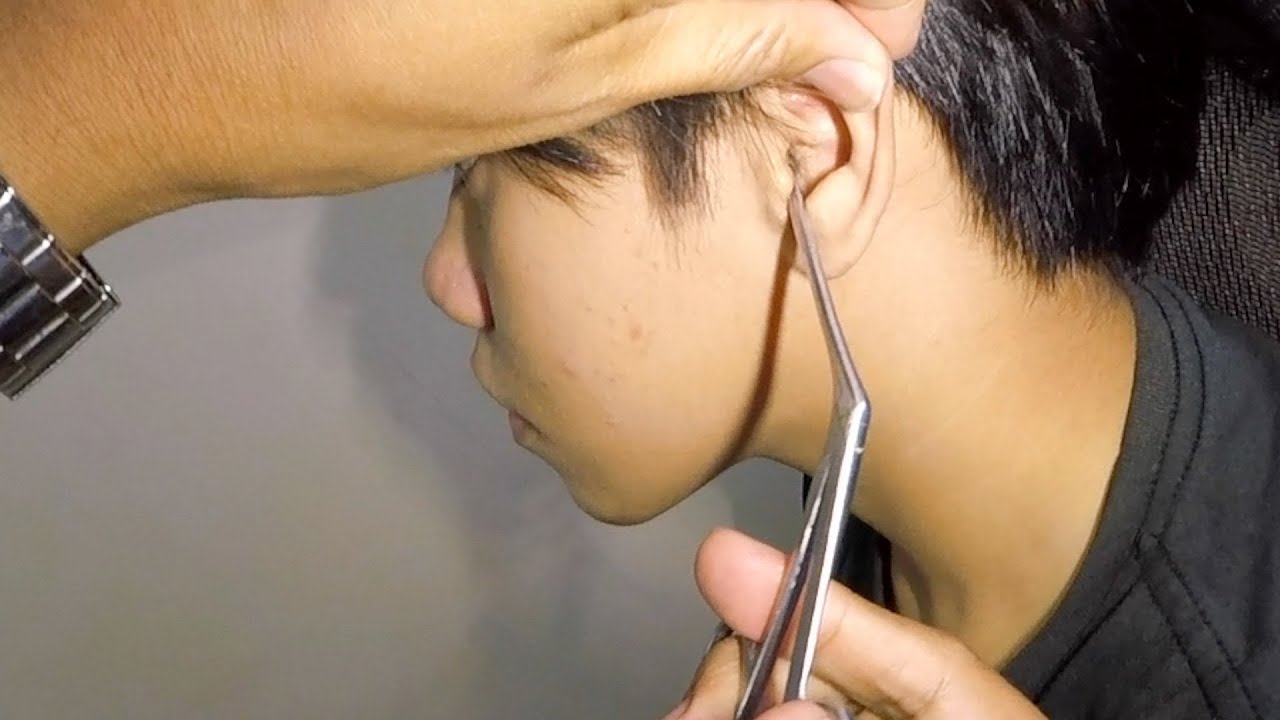
How to remove cotton bud in your ears. Remain composed and refrain from pressing a cotton bud that has become lodged in your ear. To let gravity draw the object out, try turning your head in the direction of the afflicted side and gently shaking it. You can carefully remove it with tweezers if it’s visible and within easy reach. Don’t prod or poke.
HOW TO REMOVE COTTON BUD IN YOUR EARS
It is risky and pointless to use cotton buds to clean inside your ears since they frequently push wax deeper, which can result in impaction, pain, hearing loss, or injury to the eardrum. Despite the pleasant feeling, inserting anything into the ear is risky since the ear canal cleans itself. If a cotton bud falls into your ear, try these steps:
1. Stay calm:

Panicking can make the situation worse.
2. Tilt your head: Tilt your head so that the ear with the cotton bud is facing downward. This might help the cotton bud fall out naturally.
3. Gravity and shaking: Gently jump or shake your head to encourage it to come out.
4. Use tweezers:

If you can see the cotton bud and it’s close to the ear opening, you may use tweezers to carefully grasp and remove it. Be gentle to avoid pushing it further.
5. Seek professional help:

HOW TO REMOVE COTTON BUD IN YOUR EARS
If you can’t remove the object or experience pain, discomfort, or changes in hearing, seek medical assistance promptly.
Remember not to insert any objects into your ear canal, as this can push the cotton bud deeper or cause injury. If in doubt, consult a healthcare professional.
Leaving a foreign object, like a cotton bud, in the ear can lead to potential risks:

1. Infection: The trapped object can create a conducive environment for bacterial growth, leading to ear infections.
2. Injury: The ear canal is delicate, and attempting to remove the object without proper care can cause injury, including damage to the ear canal or eardrum.
3. Hearing issues:
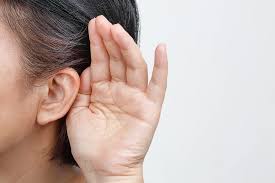
HOW TO REMOVE COTTON BUD IN YOUR EARS
A lodged object may obstruct the ear canal, affecting your hearing.
4. Pain and discomfort: The presence of a foreign object can cause pain, discomfort, and irritation.
5. Complications: If not addressed, complications such as inflammation, swelling, or damage to the ear structures may occur. Stay tuned for more updates.
Summary
In order to prevent complications, it is essential to obtain professional medical assistance for the safe and appropriate removal of any foreign object that becomes lodged in the ear or causes discomfort.
LABYRINTHITIS
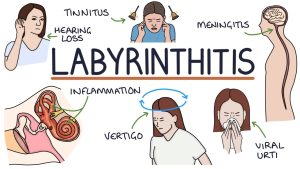
Labyrinthitis. One kind of inner ear infection is labyrinthitis. When it becomes inflamed, it occurs. The area of the inner ear that controls hearing and balance is called the labyrinth. Vestibular neuritis is strongly related to labyrinthitis. The swelling of both vestibulocochlear nerve branches is known as labyrinthitis. It impacts hearing as well as balance. The enlargement of one vestibulocochlear nerve branch is known as vestibular neuritis. Only equilibrium is impacted.
LABYRINTHITIS
This can affect anyone. It is most prevalent in individuals between the ages of 30 and 60. And females are twice as likely to suffer labyrinthitis. An infection of the inner ear is called labyrinthitis. It results in inflammation of the ear’s labyrinth, which impairs hearing and balance. It can be concerning and typically develops suddenly. You should consult a doctor right away.
Signs

Balance difficulties.
Blurred vision. having trouble focusing. Dizziness. loss of hearing.
vomiting and nausea. Involuntary eye movements, or nystagmus.
Tinnitus, or ringing in the ears.
Vertigo.
Causes
This is typically caused by viral infections. However, it can also be brought on by bacterial infections. Among the most frequent causes of labyrinthitis are Epstein-Barr virus and others.
Simplex herpes.
Stomach flu.
infections of the upper respiratory tract.
This is a less frequent consequence of a head injury.
Treatment

Treatment for labyrinthitis is contingent upon the severity of the ailment. Medical professionals may suggest home remedies, physical therapy, medicine, or a mix of these. Labyrinthitis may occasionally necessitate surgery.
Physical treatment
For labyrinthitis, your doctor will probably suggest vestibular rehabilitation therapy if your symptoms don’t go better in a few weeks. In order to control imbalance and vertigo, this entails performing specific exercises.
Natural cures
Home treatments can also be used to alleviate the symptoms of labyrinthitis:
Wrap your ear in a warm compress.
To assist clear your eustachian tube a tiny passageway that connects your neck and middle ear gargle with warm salt water.
Limit your alcohol consumption.
Try practicing stress-reduction strategies like meditation or mindfulness.
A flare-up should not be accompanied by abrupt change. The best course of action is to lie motionless and minimize movement and strong lighting.
Surgery
Very infrequently, you can need a labyrinthectomy. During this treatment, a surgeon removes your vestibular end organs the thin, membrane-like components of your inner ear.
Surgery for labyrinthitis is rarely recommended by providers. For those with vertigo and severe hearing loss in the afflicted ear, it is a last option treatment.
Prevention
Regular hand washing and taking the right measures during cold and flu season are the greatest ways to prevent it, as it is typically a sign of other diseases.
Summary
Although it is usually not a serious condition, it can have crippling side effects, such as vertigo that makes it difficult to get out of bed and go about your daily activities. If you experience symptoms, don’t wait until they worsen because prompt treatment can lower the risk of long-term inner ear problems.

TREATMENT OF HEARING LOSS
Treatment of hearing loss. Everyone can be affected by hearing loss, from infants to adults in their 60s and 70s. Hearing loss can be caused by a variety of factors, but high noise exposure is the most common cause. Surgery to cure certain problems can enhance hearing, but hearing loss cannot be restored. Hearing loss can be lessened by devices such as hearing aids.
TREATMENT OF HEARING LOSS
A partial or complete incapacity to hear, known as hearing loss, can affect one or both ears and range in severity from mild to severe. It may be acquired later in life or present from birth. Communication, social engagement, and general quality of life are all greatly impacted by hearing loss. When your hearing system. is impacted, you develop hearing loss. You could find it difficult to follow, comprehend, or take part in conversations if you have hearing loss. You can find it difficult to follow dialogue on television, participate in online meetings, or hear phone calls.
Types

Conductive hearing loss: This type of hearing loss occurs when anything blocks sound from traveling through the middle ear or outer ear.
Sensorineural hearing loss: This type of hearing loss develops over time as a result of injury to the inner ear. Sensorineural hearing loss rarely occurs rapidly. This is sudden deafness, often known as sudden sensorineural hearing loss. SSHL might occur over a few days or all at once.
Mixed: This occurs when you have problems with both your inner ear (sensorineural hearing loss) and middle or outer ear.
Signs

Frequently, you ask others to repeat themselves.
Particularly while speaking on the phone or in a busy setting like a restaurant, you find it difficult to follow a discussion.
People are murmuring, you thought.
Birdsong and other high-pitched sounds are inaudible.
You must increase the volume on your tablet, computer, or television.
Your ears are ringing, a condition known as tinnitus.
You’re experiencing ear pain.
You have the sensation that your ear is filled with fluid or pressure.
You’re dizzy or have trouble balancing.
Causes
The accumulation of earwax in your ear.
fluid from allergies or colds in your middle ear.
Otitis media, or middle ear infection.
(Otitis externa) swimmer’s ear.
Fluid is trapped in your middle ear due to eustachian tube problems.
eardrum rupture.
malignancies of the ears.
Your ear is trapped with something. For instance, if your child is served peas as a side dish, they might choose to stick one in their ear.
The development of a baby’s middle or outer ears might be impacted by congenital abnormalities.
Treatment

Hearing loss caused by conductive
antibiotics and other medications used to treat ear infections.
procedures such as tympanostomy to place ear tubes, tympanoplasty to repair a perforated eardrum, or surgery to remove tumors.
methods for clearing out debris from your ear canal, such as earwax.
Sensorineural hearing loss
drugs that lessen cochlear hair cell swelling, such as corticosteroids. (Excessive noise exposure can harm the hair cells in your cochlea.)
treatment such as cochlear implants and hearing aids.
Summary
If you believe you have hearing loss, consult a healthcare professional or audiologist who will determine the best course of action to improve your hearing. Temporary hearing loss is possible, but many people experience permanent hearing loss, which can make you feel as though you’re missing out on life, make it difficult to carry on phone conversations, or make you feel frustrated when you can’t enjoy your favorite shows or movies.

Exam success tips for waec

Tips for jamb success

Plastic water bottle hazards

A Step-by-Step Guide to Deleting Reels on Instagram

A Comprehensive Guide to Setting Up a YouTube Premiere

How to Create a WhatsApp Group
-

 Social media2 weeks ago
How to Delete Reels on IG
-

 Social media1 week ago
Tips for likes and Followers on Facebook
-

 Social media1 week ago
Guidelines for Creating a Facebook Page
-

 Photography1 week ago
Photography and Outdoors
-

 Social media1 week ago
Tips on how to Archive Instagram Post
-

 Social media2 weeks ago
Guidelines for Uploading Videos on Youtube