Health
What is Chikungunya?

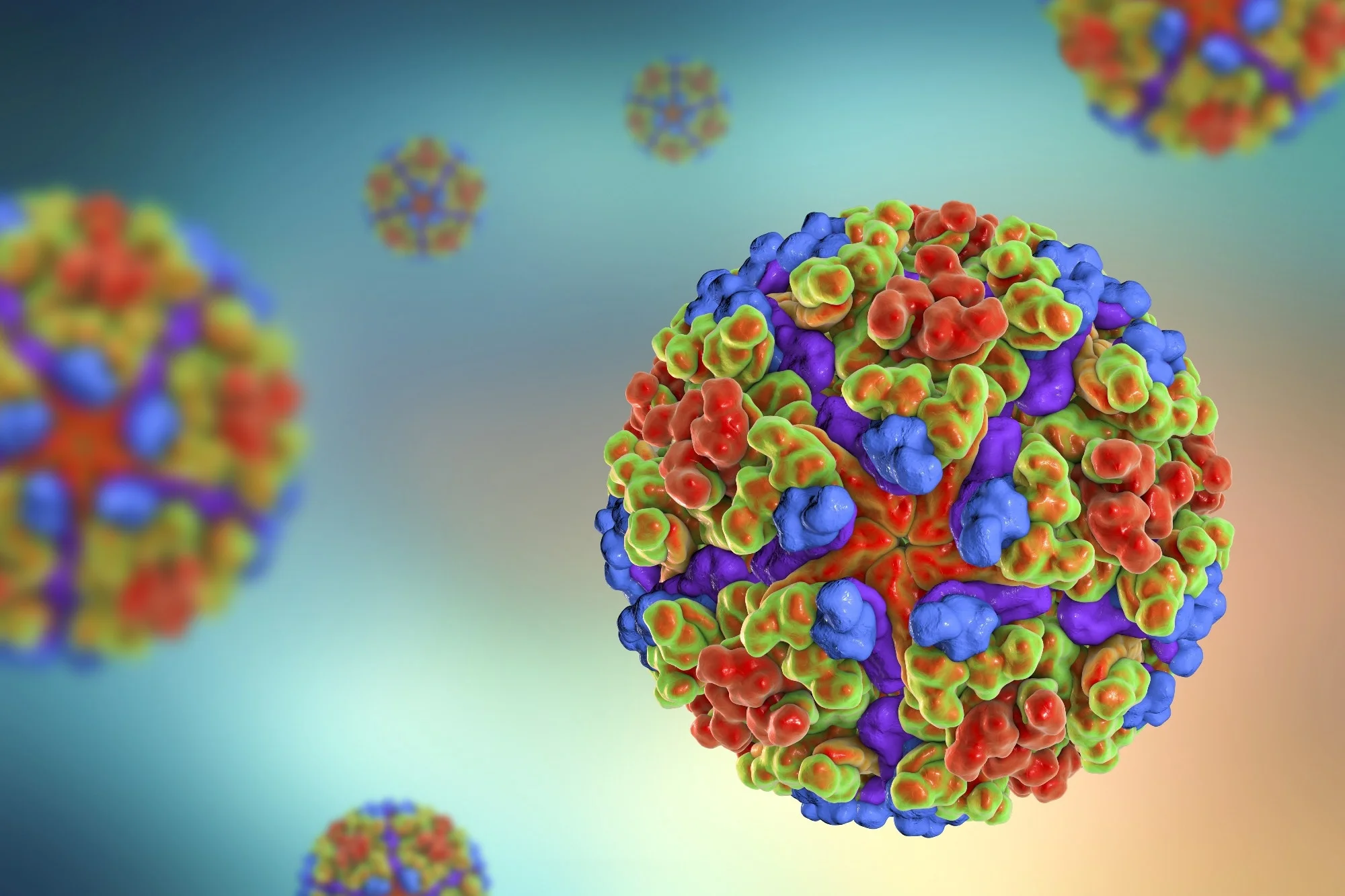

What is Chikungunya?. The virus can cause severe symptoms like fever and joint pain. Because chikungunya is known to cause joint pain, the term literally translates to “bent over.” Chikungunya cannot be treated with drugs. The goal of treatment is to control your symptoms. While some people experience chronic joint pain, the majority of people recover from the sickness in roughly a week. Visitors to regions where chikungunya is actively spreading should use extreme caution to prevent mosquito bites. After contracting the virus, it’s crucial to stay away from mosquito bites for around a week. This is due to the possibility that an uninfected mosquito could bite you and contract the virus, thereby spreading it farther.
WHAT IS CHIKUNGUNYA?
Chikungunya’s quick spread and excruciating joint pain make it a serious public health concern. Reducing the risk of infection requires an understanding of the symptoms, means of transmission, and preventive actions. People can protect themselves and their communities against chikungunya by removing mosquito breeding grounds and taking precautions against mosquito bites. To manage and stop the development of this crippling illness, public health campaigns and raised awareness are crucial.
Transmission;

What is Chikungunya?
Chikungunya virus is transmitted to humans through the bites of infected Aedes mosquitoes, particularly Aedes aegypti and Aedes albopictus. These mosquitoes are active during the day, with peak biting periods in the early morning and late afternoon. They thrive in areas with standing water, which serves as breeding sites.
Symptoms;

What is Chikungunya?
Symptoms of chikungunya typically appear 4 to 8 days after being bitten by an infected mosquito. They include:
– Fever: Sudden onset of high fever, which can reach up to 104°F (40°C).
– Severe Joint Pain: Often debilitating, affecting multiple joints and lasting for weeks or even months.
– Muscle Pain: Generalized muscle aches and pains.
– Headache: Intense headaches, often concentrated in the temples or behind the eyes.
– Rash: A rash that may cover the trunk and limbs.
– Fatigue: Extreme tiredness and weakness.
While chikungunya is rarely fatal, the joint pain can be severe and long-lasting, significantly affecting quality of life.
Prevention;
What is Chikungunya?
Preventing chikungunya involves avoiding mosquito bites and reducing mosquito habitats. Effective preventive measures include:
– Use Insect Repellents: Apply repellents containing DEET, picaridin, or oil of lemon eucalyptus to exposed skin.
– Wear Protective Clothing: Wear long-sleeved shirts, long pants, and socks to minimize skin exposure.
– Eliminate Standing Water: Regularly empty and clean containers that hold water, such as flower pots, buckets, and birdbaths, to reduce mosquito breeding sites.
– Use Mosquito Nets: Sleep under mosquito nets, especially in areas with high chikungunya transmission rates.
– Install Screens: Ensure that windows and doors have screens to prevent mosquitoes from entering indoor spaces.
Treatment;

There is no specific antiviral treatment for it. Management focuses on relieving symptoms and supporting recovery. Key treatment measures include:
– Rest: Adequate rest to help the body recover from the infection.
– Hydration: Drinking plenty of fluids to prevent dehydration caused by fever and sweating.
– Pain Relief: Using medications such as acetaminophen (paracetamol) to reduce fever and alleviate pain. Avoid aspirin and other NSAIDs, which can increase the risk of bleeding.
– Physical Therapy: In some cases, physical therapy and gentle exercises can help alleviate joint pain and improve mobility.
Summary
The viral illness known as chikungunya has drawn notice due to its crippling symptoms and quick spread throughout tropical and subtropical areas. Chikungunya, which is mostly spread by Aedes mosquitoes, can lead to serious health problems, including excruciating joint pain.


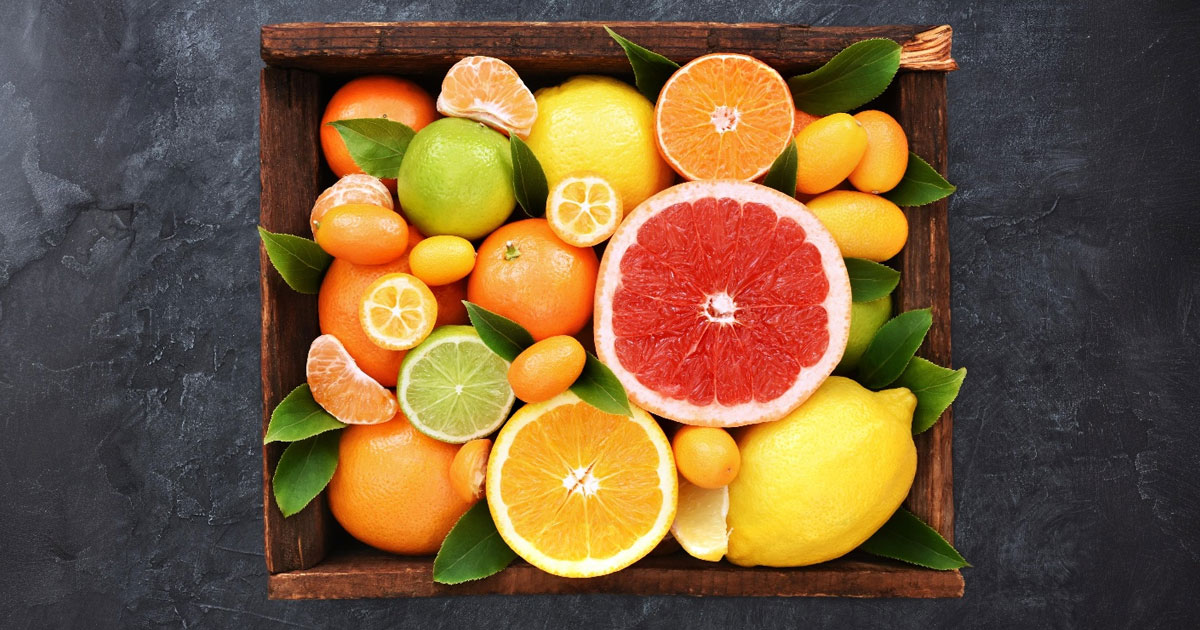
Health Components of Citrus Fruits. Winter days are made more colorful by citrus fruits with bright, sweet flavors. Citrus fruits are nutritious in addition to being delicious and appealing. This fruit class comprises grapefruit, oranges, lemons, and limes in addition to a number of hybrids and variations. Their health benefits include boosting immunity and avoiding cancer.
HEALTH COMPONENTS OF CITRUS FRUITS
Essential vitamins, dietary fiber, and bioactive plant chemicals found in citrus oranges support general health and lower the risk of chronic illnesses.
1. Their Vitamin and Plant Compound Content Is High in Vitamin C, which supports a healthy immune system and maintains elastic, smooth skin, and is abundant in citrus fruits. The amount of vitamin C you need in a day can be found in just one medium orange.

Health Components of Citrus Fruits
2. They’re a Good Source of Fiber Fiber is abundant in citrus fruits. Orange segments have four grams of fiber per cup. For example, it is advised that you eat 14 grams of fiber for every 1,000 calories consumed.
3. Fruits with Citrus Have Few Calories Citrus fruits are a wonderful option if you’re eating fewer calories. Although they don’t contain many calories, their fiber and water content make you feel full.
4. Fruits with Citrus Have Few Calories Citrus fruits are a wonderful option if you’re eating fewer calories. Although they don’t contain many calories, their fiber and water content make you feel full.
5. They could aid in the prevention or treatment of cancer. Citrus fruits are associated with a lower risk of some types of cancer, according to numerous research.

Health Components of Citrus Fruits
Side effects;
1. Consuming large amounts of citrus fruits or liquids may raise the risk of dental cavities. This is because citrus fruits’ acid breaks down tooth enamel. If you drink lemon water all day, you run a special danger of acidifying your teeth.
2. It’s interesting to note that some substances in citrus peels may fight the germs that cause cavities in the teeth, but further research is required to determine how that information could be applied.
Summary
Citrus fruits provide the body with vital vitamins, dietary fiber, and potent plant chemicals that promote general health.

Health Components of Lemon Fruits. Lemons are bright yellow citrus fruits. It has a distinct sour flavor and fresh scent due to its high citric acid concentration. Citrus limon is its scientific name, and it is a member of the Rutaceae family of flowering plants. Because of their unique flavor, lemons are frequently used in meals, beverages, and desserts. Nearly every component of a lemon can be used in cooking.
HEALTH COMPONENTS OF LEMON FRUITS
The Citrus genus of the Rutaceae family of flowering plants includes the lemon, a kind of tiny evergreen tree. A real lemon is a cross between a bitter orange and a citron. Although the origins of lemons are unknown, considerable evidence points to its beginnings in what is now northeastern India in the first millennium BC.
1. Vitamin C. More than half of the vitamin C required in your daily diet can be found in lemons, which provide roughly 35 milligrams of the vitamin. Antioxidants like vitamin C help shield cells from harm. Additionally, vitamin C strengthens your immune system, aids in the body’s absorption of iron, and helps your body produce facial collagen. The finest foods to get vitamin C are citrus fruits.

2. Weight control Because lemons contain pectin fiber, which swells after consumption, you will feel fuller for longer. A common claim is that lemon water is a useful aid for managing and losing weight. While there is nothing wrong with drinking water, adding lemon to water to help you lose weight isn’t particularly effective.
3. Prevention of anemia Lemon can increase the amount of iron your body absorbs from plant-based diets. Anemia can be avoided by keeping iron levels in check. Lower-than-normal red blood cell counts, or anemia, are frequently caused by iron deficiency.
4. Avoidance of kidney stones Lemons are rich in citric acid, which gives them their sour flavor. Citric acid may help avoid kidney stones, according to some research.

Health Components of Lemon Fruits
5. However, it brightens your skin Collagen is a protein that protects your skin, and the vitamin C in lemons aids in its formation. Lemons are a good source of vitamin C, folic acid, vitamin B, and minerals that can help reduce dandruff, greasy skin, blackheads, and acne.
6. Also, decreased likelihood of cardiac disease According to research, eating lemons can reduce your risk of heart disease and stroke.
Summary
Essential vitamins, fiber, and plant chemicals found in lemon fruits strengthen heart health, avoid kidney stones, and increase immunity.

Health Components of Cucumber. Without cucumbers, a healthy diet wouldn’t be complete! Cucumbers belong to the Cucurbitaceae family of gourds, which also includes pumpkins, squash, and melons. This fruit is low in calories and high in water and other minerals like fiber, calcium, potassium, and vitamins A, K, and C.
HEALTH COMPONENTS OF CUCUMBER
The Cucurbitaceae family of creeping vine plants includes the widely grown cucumber, which produces cylindrical to spherical fruits that are utilized as culinary veggies. There are three primary varieties of this annual plant: pickling, slicing, and seedless.
1. Promotes more hydration

Your health needs to drink water every day. It aids in: • Digestion. • Achy joints. Kidney function. • Memory and thought processes. The control of body temperature.
2. Fortifies bones
Vitamin K, which cucumbers are rich in, is very beneficial for bone health. Consuming enough vitamin K through diet lowers your risk of bone fractures and encourages the growth of healthy bone mass. Your chance of developing osteoporosis increases if your bone mineral density is poor.
3. Supports intestinal health
Cucumber water naturally aids in digestion by facilitating the breakdown of meals and the absorption of nutrients. the fiber in cucumbers also helps to maintain regular bowel motions.
4. Assists in controlling weight/ blood sugar

Cucumber snacks are very cost-effective, particularly for those who are obese, which is the main risk factor for Type 2 diabetes. They include less calories, sugar, and carbs. Cucumbers’ water and fiber content can also help you feel fuller for longer.
5. Offers cancer prevention
High concentrations of the naturally occurring plant chemical cucurbitacin B, which is attracting interest for its impact on cancer cells, are found in cucumbers. According to a recent analysis of studies, CuB may help prevent cancers of the liver, breast, lung, and prostate.
6. Enhances cardiac health
Elevated salt levels cause hypertension. By counteracting the effects of sodium, potassium helps reduce blood pressure. Cucumbers’ low sodium content and high potassium content work together to lower blood pressure.
7. Enhances cardiac health

Health Components of Cucumber
Elevated salt levels cause hypertension. By counteracting the effects of sodium, potassium helps reduce blood pressure. Cucumbers’ low sodium content and high potassium content work together to lower blood pressure.
Summary
With 95% to 96% water content and a wealth of vital nutrients, cucumbers are a low-calorie, extremely hydrating vegetable.

Adult Games for House Parties

Health Components of Citrus Fruits

Health Components of Lemon Fruits

A Step-by-Step Guide to Deleting Reels on Instagram

A Comprehensive Guide to Setting Up a YouTube Premiere