
Skin health
Types of Cleansers

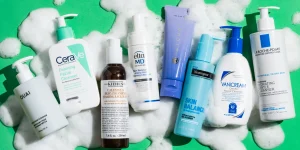
Types of cleansers. Oil-based balms and oils for deep makeup removal, creams and milks for dry and sensitive skin, foams and gels for oily and combination skin, clay cleansers for absorbing excess oil, and micellar waters for gentle, no-rinse cleaning are popular types of cleaners. Cleaners are made according to their formula and chosen according to skin type and desired cleaning effect. A top-notch cleanser prepares the skin for the next step of your skincare routine by leaving it feeling balanced, clean, and fresh. Although it might seem simple, the cleanser you choose can have a big impact on the appearance and feel of your skin. Navigating the myriad of cleansers to discover the one that works for you can be made easier if you know how they operate and which one best fits your skin type.
TYPES OF CLEANSERS
In the realm of skincare, finding the perfect cleanser is akin to discovering a trusted confidant a reliable ally that understands your skin’s needs and nurtures its well-being. Cleansers play a pivotal role in any skincare regimen, serving as the first line of defense against daily impurities while laying the foundation for a healthy complexion. However, with an abundance of options saturating the market, navigating the realm of cleansers can be overwhelming. Fear not, for within this vast landscape lie stalwart champions cleansers revered for their reliability, effectiveness, and gentle touch. Join us as we embark on a journey to uncover the most trusted cleansers, each meticulously crafted to cater to the diverse needs of every skin type and imbue your skincare routine with the promise of radiant vitality.
Several cleansers are highly regarded for their reliability and effectiveness across various skin types.
Here are a few:
1. CeraVe Hydrating Facial Cleanser

TYPES OF CLEANSERS
Known for its gentle formula containing ceramides and hyaluronic acid, it effectively cleanses without stripping the skin’s natural moisture barrier, making it suitable for dry and sensitive skin types.
2. La Roche-Posay Toleriane Hydrating Gentle Cleanser

This non-foaming cleanser is formulated with ceramides and glycerin to hydrate and soothe sensitive skin while removing impurities and makeup.
3. Neutrogena Ultra Gentle Daily Cleanser

TYPES OF CLEANSERS
With a mild, fragrance-free formula, this cleanser is suitable for all skin types, including sensitive skin. It effectively removes dirt, oil, and makeup without causing irritation.
4. Cetaphil Gentle Skin Cleanser
A classic favorite among dermatologists, this gentle cleanser is suitable for all skin types, including dry and sensitive skin. It effectively cleanses without stripping the skin’s natural oils.
5. Vanicream

Formulated without harsh ingredients like fragrance, dyes, and parabens, this cleanser is ideal for sensitive and reactive skin. It cleanses without leaving a residue, making it suitable for all skin types.
Summary
It may seem like a simple process to clean. In actuality, it is essential to attaining and preserving skin that appears healthy. Beyond just cleaning, the correct cleanser can protect and nourish your skin while addressing your biggest skin issues. When choosing a cleanser, consider your skin type, concerns, and any specific ingredients you may react to. It’s also essential to patch test new products and consult with a dermatologist if you have any questions or concerns about your skincare routine.
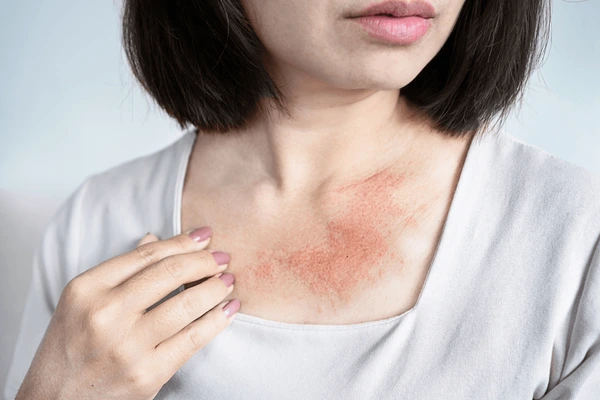
Effects of dust on skin. Dust can have serious and varied consequences on the skin, from dryness and irritation to allergic reactions and skin infections, even though these effects are frequently disregarded. Despite environmental constraints, people can preserve healthy, glowing skin by being aware of the possible risks of dust exposure and taking proactive steps to protect and care for the skin. Making skin health a priority may help people feel and look their best, from implementing a regular skincare routine to reducing dust exposure in both indoor and outdoor settings.
EFFECTS OF DUST ON SKIN
Dust is an inevitable part of our environment, accumulating in our homes, workplaces, and outdoor spaces. While we often associate dust with respiratory issues, its effects on the skin are equally significant and deserving of attention. In this article, we’ll explore the various ways in which exposure to dust can affect the skin and discuss strategies to protect and maintain skin health.
1. Dryness and Irritation:
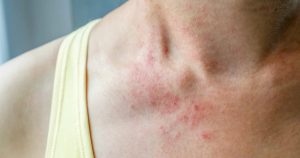
One of the most common effects of dust on the skin is dryness and irritation. Dust particles can contain various substances, including allergens, pollutants, and chemicals, which can strip the skin of its natural oils and moisture. Prolonged exposure to dust without proper protection can leave the skin feeling dry, tight, and itchy, particularly for individuals with sensitive or dry skin.
2. Allergic Reactions:
Dust mites, microscopic creatures found in household dust, are a common source of allergens that can trigger allergic reactions in susceptible individuals. When dust mite allergens come into contact with the skin, they can cause symptoms such as redness, itching, hives, and eczema flare-ups. These allergic reactions can be particularly troublesome for individuals with existing skin conditions or compromised immune systems.
3. Acne and Breakouts:
Effects of dust on skin
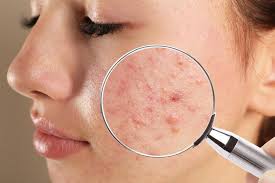
Dust particles, along with other environmental pollutants, can clog pores and contribute to the development of acne and breakouts. When dust accumulates on the skin’s surface, it mixes with excess oil, dead skin cells, and bacteria, forming a breeding ground for acne-causing bacteria. Regularly cleansing the skin and removing dust and impurities can help prevent clogged pores and minimize the risk of acne flare-ups.
4. Premature Aging:
Effects of dust on skin
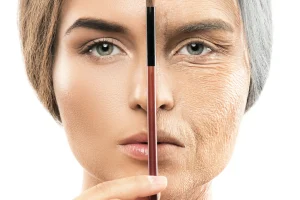
Exposure to environmental pollutants, including dust, can accelerate the aging process and lead to premature signs of aging such as wrinkles, fine lines, and age spots. Dust particles can generate free radicals, unstable molecules that damage skin cells and collagen fibers, leading to oxidative stress and skin aging. Protecting the skin from dust and other pollutants with antioxidant-rich skincare products and sun protection can help mitigate the effects of premature aging.
5. Skin Infections:
Effects of dust on skin
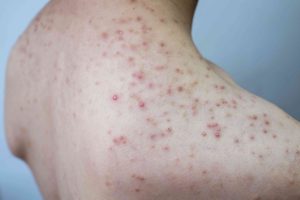
In addition to causing irritation and allergic reactions, dust can also harbor bacteria, viruses, and fungi that can lead to skin infections. Prolonged exposure to contaminated dust, particularly in environments with poor hygiene or sanitation, can increase the risk of developing infections such as bacterial folliculitis, fungal infections, and impetigo. Practicing good hygiene, including regular handwashing and keeping skin clean and dry, is essential for preventing skin infections caused by dust exposure.
Summary
Acne, allergic reactions, skin inflammation, and early aging are all brought on by dust, especially tiny particulate matter (PM2.5) and dust mites. In addition to increasing the breakdown of collagen, which results in wrinkles and spots, it weakens the skin’s barrier, producing dryness, irritation, and rashes. To prevent this damage, daily washing and nourishing, antioxidant-rich products are essential.
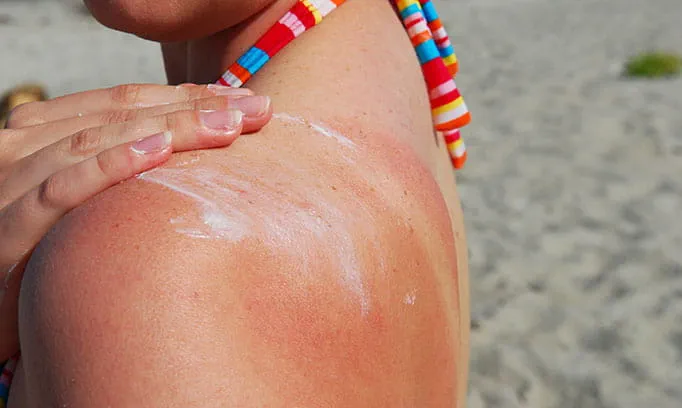
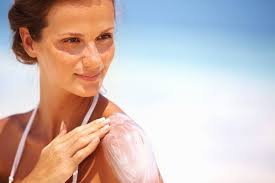
Sunburn and remedies. Overexposure to ultraviolet (UV) light from the sun or artificial sources, such as tanning beds, can result in sunburn, a skin response. It results in skin that is uncomfortable, red, and perhaps hot to the touch. Sunburn symptoms include swelling, blistering, and peeling, and they can vary in severity. Overexposure to ultraviolet (UV) radiation is the main cause of sunburn. The following are some particular causes of sunburn:
SUNBURN AND REMEDIES
Applying aloe vera or soy-based lotions, taking cold showers, drinking plenty of water, and taking ibuprofen or aspirin to relieve pain and inflammation are all effective ways to treat sunburns. When healing, stay out of the sun, avoid using harsh soaps, and refrain from popping blisters. Seek medical attention if you experience severe blistering, fever, or lightheadedness.
1. UVB and UVA Radiation:
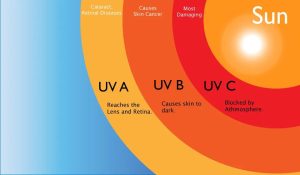
Prolonged exposure to both UVB and UVA rays from the sun can damage the skin. UVB rays cause sunburn, while UVA rays can contribute to premature aging.
2. Intensity of the Sun: The risk increases during periods of high sun intensity, typically between 10 a.m. and 4 p.m.
3. Sun Sensitivity: Some individuals are more susceptible to sunburn due to their skin type, which may include fair skin, light hair, and light-colored eyes.
4. Altitude and Location:

UV radiation is more intense at higher altitudes and closer to the equator, increasing the risk of sunburn.
5. Reflection: Surfaces like water, sand, and snow can reflect UV rays, intensifying exposure and the risk of sunburn.
6. Lack of Sunscreen: Not using or inadequately applying sunscreen with sufficient sun protection factor (SPF) can leave the skin vulnerable to sunburn.
7. Medications: Certain medications, like some antibiotics and acne treatments, can increase sensitivity to UV radiation, making sunburn more likely.
8. Duration of Exposure:
Sunburn and remedies
Spending extended periods outdoors without protection increases the likelihood of sunburn.
It’s important to take preventive measures, such as wearing sunscreen, protective clothing, and seeking shade to reduce the risk of sunburn.
To alleviate the discomfort of sunburn and promote healing, consider the following remedies:
1. Cool Compress: Apply a cool, damp cloth or compress to the affected area. Avoid using ice directly on the skin.
2. Hydration: Drink plenty of water to stay hydrated, as the situation can lead to dehydration.
3. Aloe Vera Gel:

Sunburn and remedies
Apply pure aloe vera gel to the sunburned area. Aloe vera has soothing and anti-inflammatory properties.
4. Over-the-Counter Creams: Use over-the-counter creams containing ingredients like hydrocortisone or calamine to relieve itching and inflammation.
5. Pain Relievers: Take over-the-counter pain relievers like ibuprofen or acetaminophen to help reduce pain and inflammation.
6. Avoid Sun Exposure: Stay out of the sun until it has healed to prevent further damage.
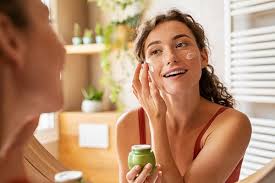
7. Moisturize:
Sunburn and remedies
Apply a gentle, fragrance-free moisturizer to keep the skin hydrated and prevent peeling.
8. Avoid Harsh Soaps: Use mild, fragrance-free soaps and avoid scrubbing the sunburned skin.
9. Loose Clothing: Wear loose, breathable clothing to avoid further irritation of the sunburned area.
10. Avoid Popping Blisters: If blisters form, avoid popping them, as this can increase the risk of infection.
Summary
See a medical expert if it is severe or if there are indications of an infection. It is still essential to prevent sunburns in the first place by wearing protective clothing and applying sunscreen.
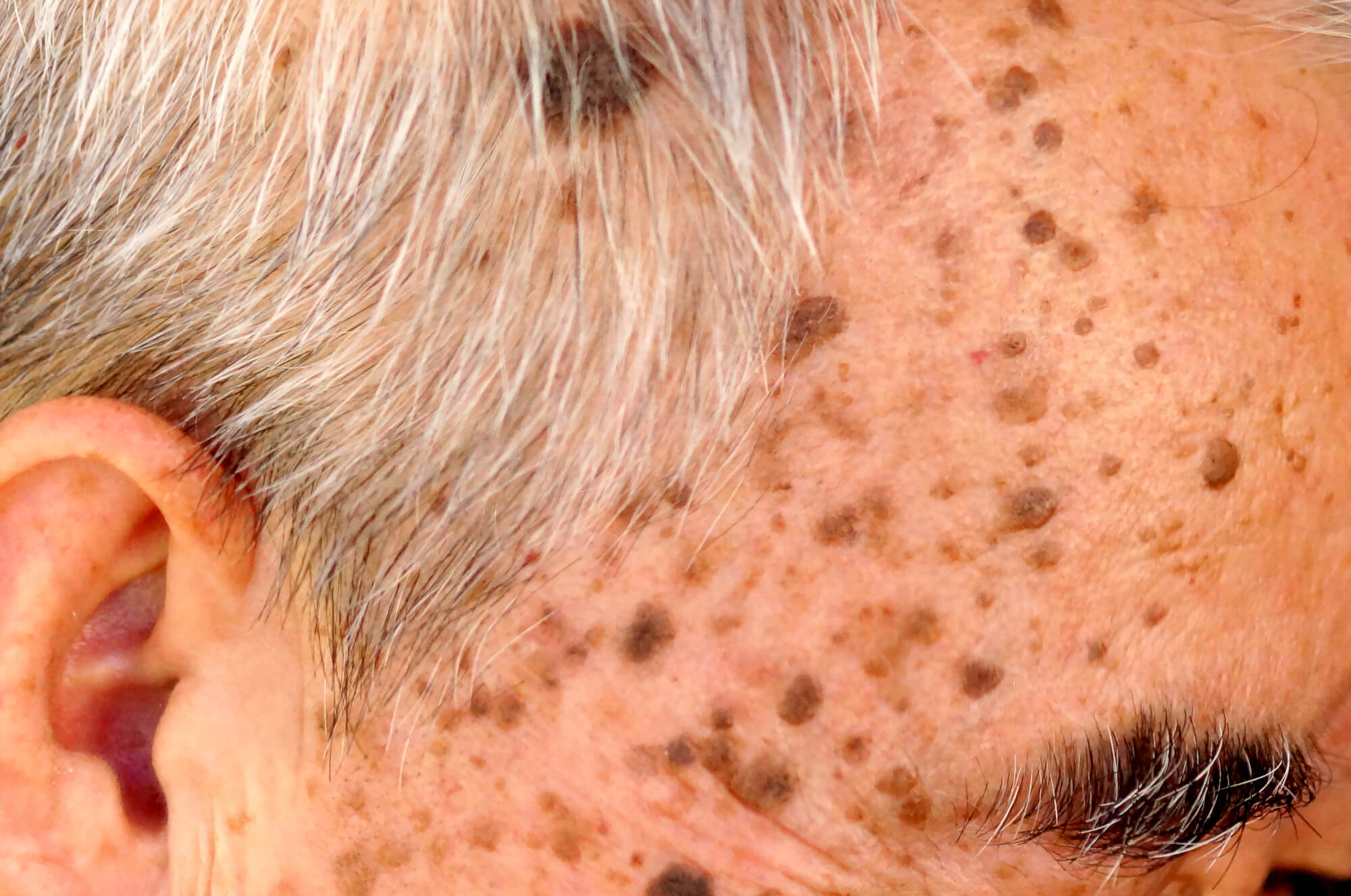
Skin and abnormal growth. The term “abnormal growth” refers to the uncontrolled, unusual development of cells, tissues, or the overall size of the body. It frequently indicates an underlying health problem, such as tumors (cancerous or benign), hormonal imbalances (such as excess growth hormone causing gigantism/acromegaly), genetic conditions, or infections. Patterns are evaluated using growth charts for children to identify slow growth (stunting) or rapid, excessive growth. Tumors, stunted stature, or disproportionate body parts are some of its manifestations; early identification and treatment necessitate medical evaluation.
SKIN AND ABNORMAL GROWTH
Although abnormal skin growths are frequently benign, it’s crucial to keep an eye out for any changes that can point to a more serious illness. The optimal course of action can be ensured by early detection and dermatologist advice. Skin lesions, often known as tumors, are abnormal growths on the skin that can take many different forms and cause concern for many. Early detection is crucial for appropriate treatment of these growths, which may be benign (non-cancerous) or malignant (cancerous).
Common Types of Abnormal Skin Growths;
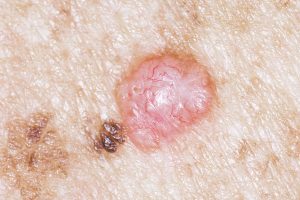
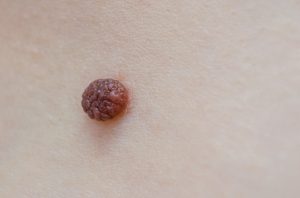
Moles are small, often pigmented growths caused by clusters of pigmented cells. Skin tags are small, soft pieces of skin that hang from the body, usually harmless but can be bothersome.
2. Warts:
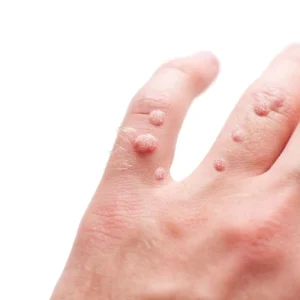
Caused by a viral infection (human papillomavirus, or HPV), warts are rough, raised growths that can appear anywhere on the skin.
3. Lipomas:
These are soft, fatty lumps that grow under the skin. Lipomas are generally harmless but may be removed if they cause discomfort or cosmetic concerns.
4. Cysts:
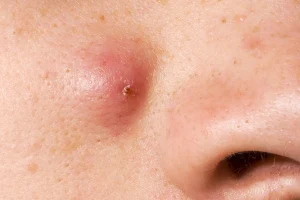
Cysts are fluid-filled sacs that develop under the skin. While usually non-cancerous, they can become infected or inflamed, requiring medical attention.
5. Actinic Keratosis:
A rough, scaly patch of skin that results from sun exposure, actinic keratosis can be a precursor to skin cancer and should be monitored by a doctor.
When to See a Doctor;

While many skin growths are benign, it’s important to seek medical advice if you notice any of the following:
– Rapid changes in size, shape, or color.
– Bleeding or itching.
– Persistent sores or unusual textures.
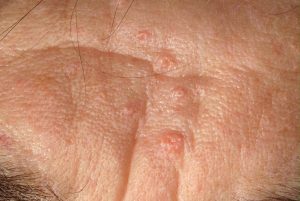
Skin and abnormal growth
A healthcare professional can perform a biopsy or other tests to determine whether a growth is malignant and needs further treatment.
Summary
Skin abnormal growths are common and can range from benign skin tags and moles to potentially dangerous cancerous lesions. These lesions can be caused by genetics, sun damage, viruses, or aging. They can appear as bumps, spots, or patches that are skin-colored, brown, or red. If they change in size, shape, color, bleed, or itch, a medical evaluation is necessary to rule out skin cancer.

Tips for Emotional stress

Anxiety and stress reduction

Face cleansing tips

A Step-by-Step Guide to Deleting Reels on Instagram

A Comprehensive Guide to Setting Up a YouTube Premiere

How to Create a WhatsApp Group
-

 Social media2 weeks ago
How to Delete Reels on IG
-

 Social media2 weeks ago
Tips for likes and Followers on Facebook
-

 Music2 weeks ago
Lyrics for Iké Nilé
-

 Photography2 weeks ago
Photography and Outdoors
-

 Social media2 weeks ago
Guidelines for Creating a Facebook Page
-

 Social media2 weeks ago
Guidelines for Uploading Videos on Youtube