Camera
Tips for Keeping Cameras Safe


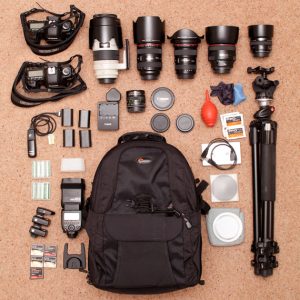
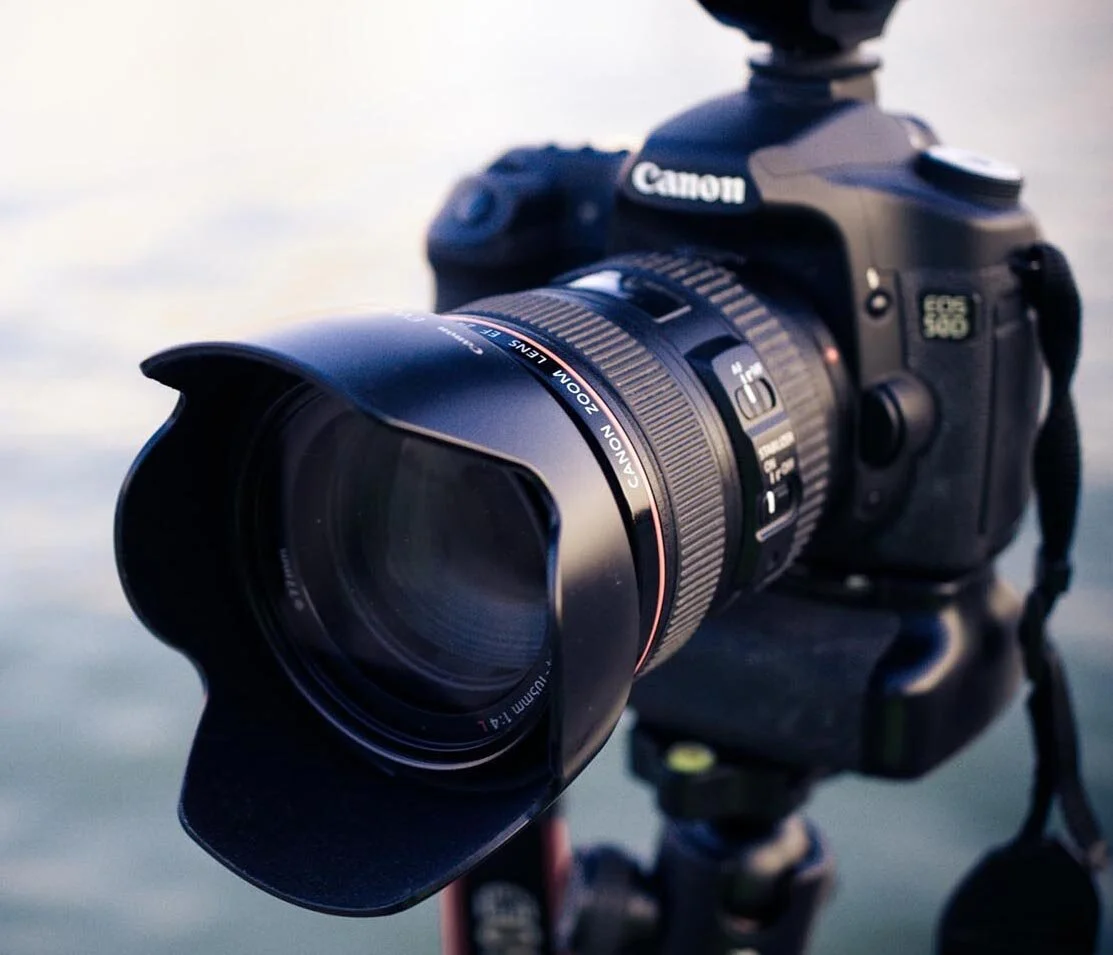
Tips for keeping cameras safe. Camera equipment is not easily replaceable and is not cheap. Additionally, although some of the types are more durable than others, they are still quite prone to breaking. In other words, neglecting your equipment could result in a challenging situation where you have to pay thousands of dollars or, worse, have your trip ruined. It’s essential to photography to keep your camera equipment safe and in working order. To ensure that your camera stays in top shape even when you travel in dry, dangerous, or damp conditions, I’ve listed five tips below.
TIPS FOR KEEPING CAMERAS SAFE
Use a cushioned camera bag, keep equipment on you at all times, and take preventative measures against weather and theft to keep cameras safe. Use accessories like lens hoods and UV filters to prevent damage to your equipment, and make sure you store it properly by cleaning it and taking the batteries out before putting it away for a long time. Be mindful of your surroundings at all times, and think about purchasing insuranc
1. Regularly clean, repair, and service;
TIPS FOR KEEPING CAMERAS SAFE
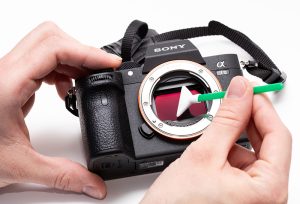
There is an old proverb that states, “Prevention is better than cure.” Therefore, maintaining the state of your camera is the first step towards making sure it is in good operating order. Develop the routine of cleaning your camera on a regular basis. It just takes a few minutes to clean a camera, and there are many excellent products available.
Just give your camera a quick wipe to remove any remaining dust and particles. Additionally, you should clean your lenses, but use caution—lens elements are easily scratched—and only use materials that are suitable with lenses.
Just give your camera a quick wipe to remove any remaining dust and particles. Additionally, you should clean your lense, but use
2. Be aware of the elements;

TIPS FOR KEEPING CAMERAS SAFE
Two of the main hazards your camera will encounter are water and sand. A few grains of sand may be very problematic, as anyone who has ever had their lens or sensor scraped by sand knows. Water, especially sea spray, can also create major problems. Thankfully, there are techniques to reduce the risk of sand and water damage to your camera when working in desert or coastal conditions.
3. Know your surroundings;
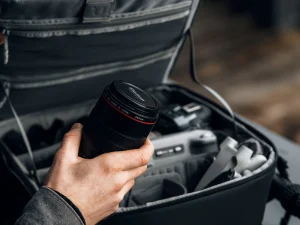
Theft can pose a serious risk to cameras, just as sand and water. Fortunately, you can prevent becoming a victim if you use a little prudence and common sense. Understanding your environment and acting appropriately in it are crucial
4. Store your equipment safely;
TIPS FOR KEEPING CAMERAS SAFE
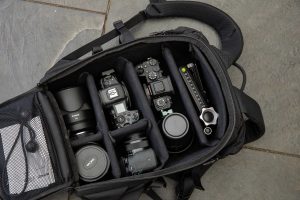
When not in use, take great care when storing it, ultimately, no of how often you snap pictures, there will be periods of time when you are without your camera (even of it’s only for the evening). Furthermore, sunshine and humidity can be problematic if you’re not careful. Steer clear of high humidity areas like damp basements and laundry rooms while keeping your equipment. Fungus can grow on your lens elements due to moisture, and it can cause havoc.
Summary
By no means is camera equipment inexpensive. This is an investment. More than that, though, it’s your ticket to documenting the beauty, history, and memories of the locations you visit. The last thing you want is to neglect a few basic safety measures and miss a shot—or worse, damage your camera.


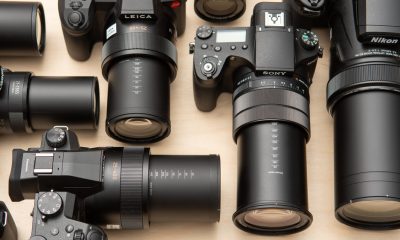

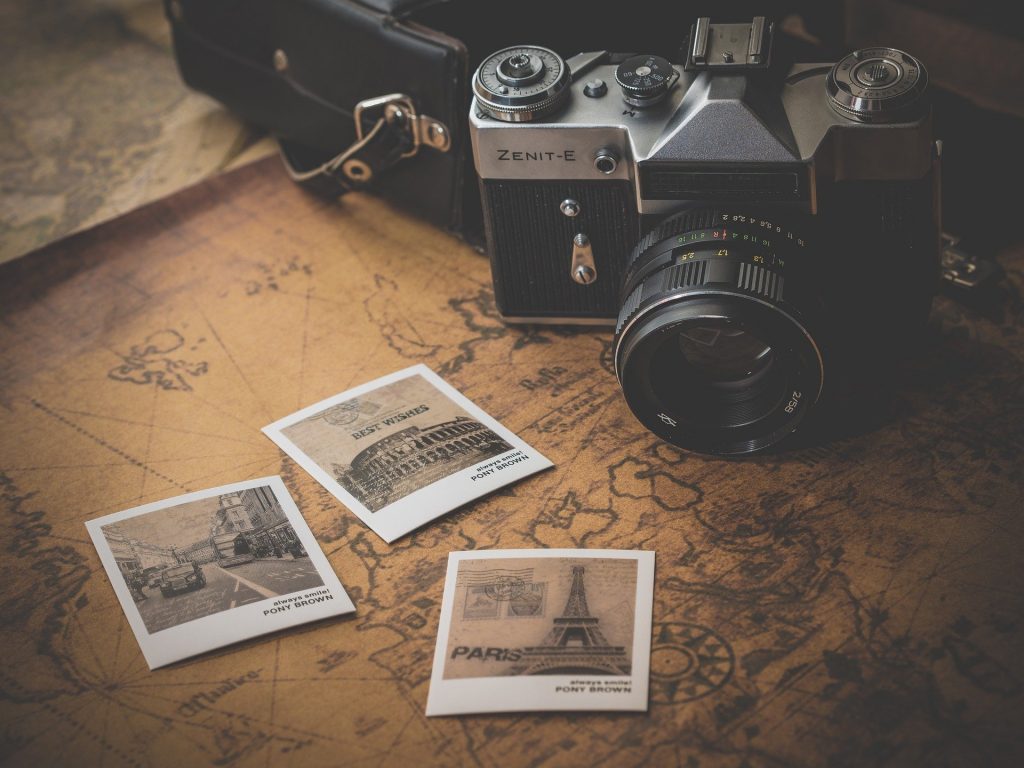
Photography and camera exploration. A wide variety of camera types are available in the photography industry to accommodate every taste, ability level, and style. even if you work as a professional photographer. Whether you’re an aficionado or just a casual shooter, there is a camera out there to help you express your creativity and capture your vision. From small point-and-shoot cameras and film cameras to DSLRs and mirrorless cameras. To encourage photographers to use their lenses to explore the world, each kind offers a unique combination of characteristics and capabilities.
PHOTOGRAPHY AND CAMERA EXPLORATION
Photography has evolved significantly over the years. With advancements in technology leading to a wide range of camera types suited to various preferences, skill levels, and photographic needs. From compact point-and-shoot cameras to professional-grade DSLRs and mirrorless cameras, each type offers unique features and capabilities.
1. Digital Single-Lens Reflex (DSLR) Cameras;
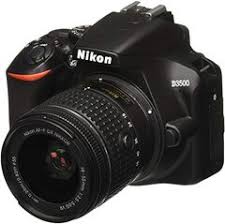
– DSLR cameras are popular among professional photographers and enthusiasts for their versatility, excellent image quality, and interchangeable lens system.
– They feature a mirror mechanism that reflects light from the lens to an optical viewfinder. Allowing photographers to preview the scene directly through the lens.
– DSLRs offer manual control over exposure settings, autofocus capabilities, and compatibility with a wide range of lenses. Making them ideal for various genres of photography, including portraits, landscapes, and sports.
2. Mirrorless Cameras for photography;
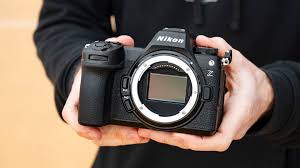
– Mirrorless cameras, as the name suggests, lack the mirror mechanism found in DSLRs, resulting in a more compact and lightweight design.
– Instead of an optical viewfinder, mirrorless cameras use electronic viewfinders (EVFs) or rear LCD screens to display a digital preview of the scene.
– Mirrorless cameras offer similar image quality and performance to DSLRs but often feature advanced autofocus systems, 4K video capabilities, and in-body image stabilization (IBIS).
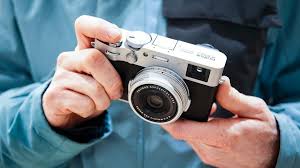
3. Compact Point-and-Shoot Cameras for photography;
Photography and camera exploration
– Compact cameras are small, portable, and easy to use, making them popular among casual photographers and travelers.
– They typically feature fixed lenses with zoom capabilities and automatic exposure modes, making them suitable for everyday snapshots and casual photography.
– While compact cameras may not offer the same level of control or image quality as DSLRs or mirrorless cameras, they are convenient for capturing spontaneous moments on the go.
4. Bridge Cameras;
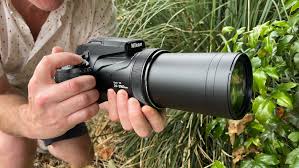
– Bridge cameras bridge the gap between compact point-and-shoot cameras and interchangeable lens systems, offering a versatile all-in-one solution.
– They feature fixed, long-range zoom lenses with a wide focal range, allowing photographers to capture a variety of subjects without changing lenses.
– Bridge cameras often include advanced features such as manual exposure modes, electronic viewfinders, and image stabilization, making them suitable for amateur photographers looking for more control and versatility.
5. Medium Format Cameras;
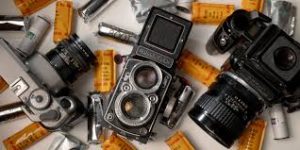
– Medium format cameras use larger image sensors than traditional DSLRs and mirrorless cameras, resulting in higher resolution and superior image quality.
– They are favored by professional photographers for commercial, studio, and landscape photography, where detail and dynamic range are critical.
– Medium format cameras are available in both digital and film formats, with digital medium format cameras offering features such as high-resolution sensors, interchangeable digital backs, and advanced autofocus systems.
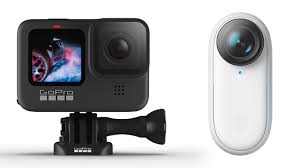
6. Action Cameras;
Photography and camera exploration
– Action cameras are designed for capturing fast-paced action and extreme sports in challenging environments.
– They are compact, rugged, and waterproof, making them ideal for mounting on helmets, bikes, or vehicles to capture immersive POV (point-of-view) footage.
Summary
Through a variety of viewpoints and technical experimentation, photographers are able to record, examine, and interpret the world, making photography an essential instrument for exploration. Walking, observing, and employing strategies like slow-shutter panning, low-angle shots, and silhouette creation are important ways to discover new compositions.
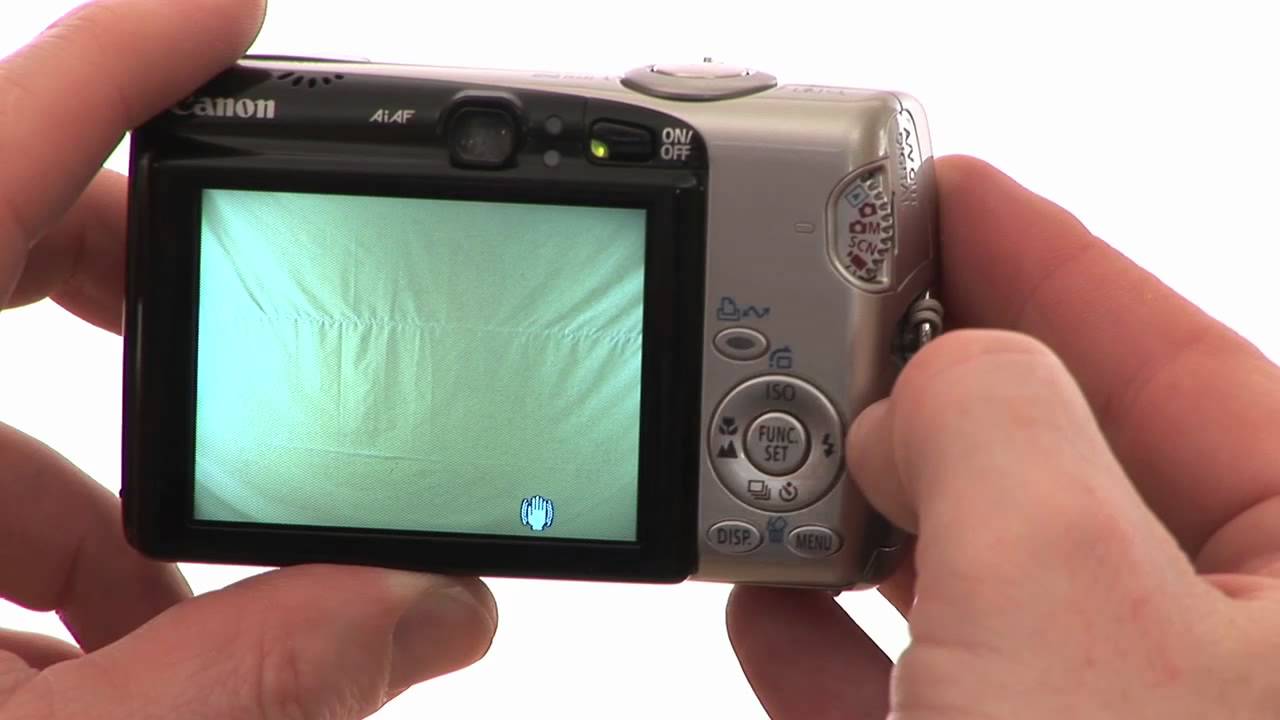
Digital camera usage. Film is no longer necessary thanks to digital cameras, which take, store, and edit photos electronically. Turning on the camera, turning on “auto” mode allowing novices to manage settings, composing using the screen or viewfinder, and half-pressing the shutter to focus before shooting a picture are the steps involved in using the camera. They provide rapid storage/transfer capabilities, superior low-light performance, instant photo review, and high-quality zoom.
DIGITAL CAMERA USAGE
Instead of utilizing film, a digital camera uses a sensor to electronically take pictures, which are then stored on memory cards. Mirrorless cameras for versatility, DSLRs for professional use, and small “point-and-shoot” cameras for convenience are common varieties. The market is dominated by well-known brands like Canon, Sony, and Nikon.
1) Turn the camera on:
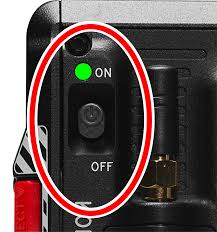
Digital camera usage
The first step to using a digital camera is simply turning the device on. utmost cameras have a small on button located nearly on the side of thecamera.However, read your manufacturer’s instructions, If you do not see your camera’s on button. They should explain how to find the on button.
2) Fit a memory card;
utmost digital cameras only have enough storehouse to hold a many filmland on their own. You will need to fit a memory card into your camera so it can hold a large quantum of prints. You can buy a memory card at most electronic stores or supermarkets.
3) Familiarize yourself with the buttons;
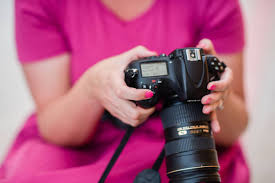
Digital camera usage
Digital cameras come with a variety of buttons. You should spend some time familiarizing yourself with what these buttons do. Some buttons help you zoom heft and take filmland. Others allow you to acclimate settings on your cam-era.
5) View your filmland;
Once you’ve taken a many practice filmland, review your filmland. Press down on the play button. The filmland you just took should appear on your camera’s screen. You can scroll through the filmland using the scroll wheel
6) Transfer your prints to your computer:
Digital camera usage
Once you’ve taken enough prints, you can upload your prints onto your computer. The process is generally fairly tone– explicatory and depends on the type of camera youhave.However, relate to your instruction primer, If you are confused.
Summary
An excellent investment is a digital camera. A digital camera can be used to capture footage of people, locations, and scenery.However, if you’ve never used a digital camera before, it can be difficult to know how to use it stylishly.
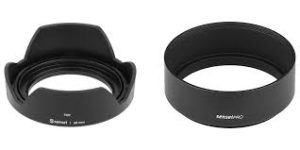
Types of lens hoods. Lens hoods are necessary additions that increase contrast and reduce lens flare by keeping undesired stray light out of the lens. The three main varieties—square/rectangular, petal (tulip), and cylindrical (round)—are selected according to lens type and focal length to avoid vignetting.
TYPES OF LENS HOOD
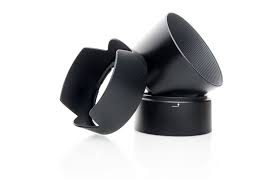
An essential camera accessory is a lens hood, which fastens to the front of a lens to prevent stray light, lessen lens flare, and enhance contrast. In addition to improving image quality, it serves as a shield against rain, snow, fingerprints, scratches, and unintentional impacts. They are square, petal, or round in shape.
Lens hoods are essential accessories for photographers, serving a dual purpose of enhancing image quality and protecting the lens. In this article, we’ll explore the types of lens hoods available and their various uses.
Types of Lens Hood:
1. Tulip Hood:
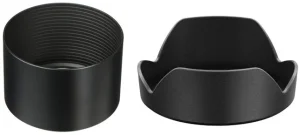
– Features a petal-like shape.
– Ideal for wide-angle lenses to prevent vignetting.
– Effective in blocking stray light from different angles.
2. Round Hood:
– Traditional cylindrical shape.
– Commonly used for standard and telephoto lenses.
– Offers basic protection against flare and stray light.
3. Petal Hood:
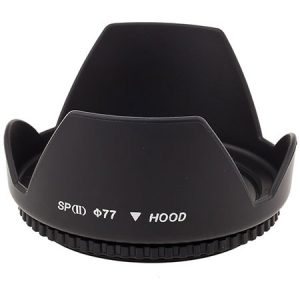
– Resembles a tulip with curved edges.
– Suited for zoom lenses with varying focal lengths.
– Minimizes vignetting and provides efficient light blocking.
Uses of Lens Hoods:
1. Flare Reduction:
• Lens hoods shield the lens from direct sunlight, reducing lens flare and ghosting.
• This is particularly crucial when shooting towards a bright light source.
2. Contrast Improvement:
• By preventing unwanted light from entering the lens, hoods enhance image contrast.
• This is beneficial in capturing scenes with a wide range of light intensities.
3. Protection:
TYPES OF LENS HOOD
• Lens hoods act as a physical barrier, safeguarding the lens from accidental bumps and scratches.
• They help maintain the lens’s pristine condition over time.
4. Vignetting Prevention:
• Properly designed hoods, such as tulip and petal hoods, prevent vignetting, especially on wide-angle lenses.
• Ensures consistent illumination across the frame.
TYPES OF LENS HOOD
Understanding the types and uses of lens hood is essential for photographers seeking to optimize their equipment. Whether it’s reducing flare, improving contrast, or providing physical protection, the right lens hood can significantly enhance the overall photography experience. Choose the appropriate hood for your lens and shooting conditions to maximize image quality. Read more interesting articles on photography here..
Summary
An essential camera accessory, a lens hood fastens to the front of a lens to prevent glare, low contrast, and undesired lens flare. Additionally, it offers the front element vital physical defense against bumps, scratches, fingerprints, and elements like rain and snow.

Reasons for water pollution

Tips for washing hair

Relevance of water consumption

A Step-by-Step Guide to Deleting Reels on Instagram

A Comprehensive Guide to Setting Up a YouTube Premiere