Camera
Tips for Keeping Cameras Safe


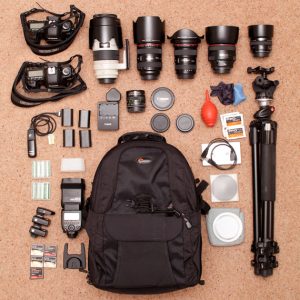
Tips for keeping cameras safe. Camera equipment is not easily replaceable and is not cheap. Additionally, although some of the types are more durable than others, they are still quite prone to breaking. In other words, neglecting your equipment could result in a challenging situation where you have to pay thousands of dollars or, worse, have your trip ruined. It’s essential to photography to keep your camera equipment safe and in working order. To ensure that your camera stays in top shape even when you travel in dry, dangerous, or damp conditions, I’ve listed five tips below.
TIPS FOR KEEPING CAMERAS SAFE
Use a cushioned camera bag, keep equipment on you at all times, and take preventative measures against weather and theft to keep cameras safe. Use accessories like lens hoods and UV filters to prevent damage to your equipment, and make sure you store it properly by cleaning it and taking the batteries out before putting it away for a long time. Be mindful of your surroundings at all times, and think about purchasing insuranc
1. Regularly clean, repair, and service;

TIPS FOR KEEPING CAMERAS SAFE
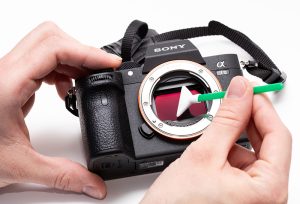
There is an old proverb that states, “Prevention is better than cure.” Therefore, maintaining the state of your camera is the first step towards making sure it is in good operating order. Develop the routine of cleaning your camera on a regular basis. It just takes a few minutes to clean a camera, and there are many excellent products available.
Just give your camera a quick wipe to remove any remaining dust and particles. Additionally, you should clean your lenses, but use caution—lens elements are easily scratched—and only use materials that are suitable with lenses.
Just give your camera a quick wipe to remove any remaining dust and particles. Additionally, you should clean your lense, but use
2. Be aware of the elements;


TIPS FOR KEEPING CAMERAS SAFE
Two of the main hazards your camera will encounter are water and sand. A few grains of sand may be very problematic, as anyone who has ever had their lens or sensor scraped by sand knows. Water, especially sea spray, can also create major problems. Thankfully, there are techniques to reduce the risk of sand and water damage to your camera when working in desert or coastal conditions.
3. Know your surroundings;
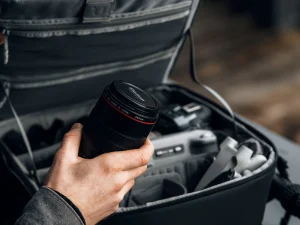

Theft can pose a serious risk to cameras, just as sand and water. Fortunately, you can prevent becoming a victim if you use a little prudence and common sense. Understanding your environment and acting appropriately in it are crucial
4. Store your equipment safely;

TIPS FOR KEEPING CAMERAS SAFE
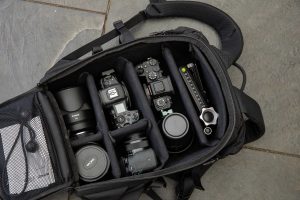
When not in use, take great care when storing it, ultimately, no of how often you snap pictures, there will be periods of time when you are without your camera (even of it’s only for the evening). Furthermore, sunshine and humidity can be problematic if you’re not careful. Steer clear of high humidity areas like damp basements and laundry rooms while keeping your equipment. Fungus can grow on your lens elements due to moisture, and it can cause havoc.
Summary
By no means is camera equipment inexpensive. This is an investment. More than that, though, it’s your ticket to documenting the beauty, history, and memories of the locations you visit. The last thing you want is to neglect a few basic safety measures and miss a shot—or worse, damage your camera.