
environment
Tools for Herbicides

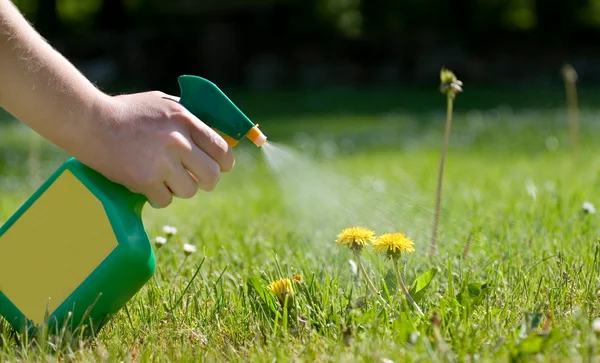
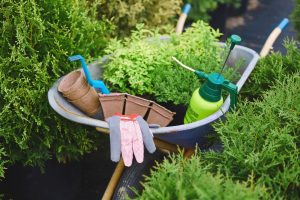
Tools for herbicides. It provide major advantages in crop yield and weed control, making them essential instruments in contemporary agriculture and environmental management. To reduce possible dangers to the environment and human health, its use must be carefully controlled. In order to ensure that these essential chemicals may be used safely and efficiently in the future, ongoing research and development aims to produce more targeted and sustainable herbicides. Chemicals called herbicides, sometimes referred to as weed killers, are used to manage undesirable vegetation. By identifying and getting rid of invasive weeds that compete with crops for nutrients, water, and sunlight, they are essential to contemporary gardening, agriculture, and environmental management.
TOOLS FOR HERBICIDES
In both agricultural and non-agricultural contexts, herbicides are chemicals used to suppress undesirable plants, also known as weeds. They can be non-selective, eliminating all vegetation they come into contact with, or selective, focusing on particular kinds of weeds. They function by either killing or preventing the growth of plants. Herbicides can be used pre-plant (before to planting), pre-emergent (prior to weeds emerging), or post-emergent (after weeds have begun to develop).
Types of Herbicides;
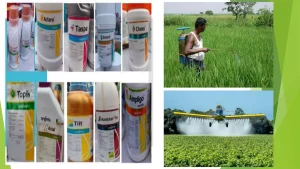
Herbicide can be classified into several categories based on their mode of action, selectivity, and application timing:
1. Selective Herbicides: These target specific types of plants while leaving others unharmed. For example, broadleaf herbicide is designed to kill dicot plants (like dandelions) without affecting monocot plants (like grasses).
2. Non-Selective Herbicides: These kill all plant types and are typically used in areas where complete vegetation control is desired, such as industrial sites, railways, and roadsides.
3. Pre-Emergent Herbicides: Applied before the weed seeds germinate, these prevent the emergence of new weeds by inhibiting seedling growth.
4. Post-Emergent Herbicides: These are applied after the weeds have emerged and are actively growing. They work by disrupting critical physiological processes in the plant.
Mechanism of Action;
Tools for herbicides
Herbicides operate through various mechanisms, depending on their chemical composition and target plants. Common modes of action include:
– Inhibition of Photosynthesis: Some herbicide interfere with the plant’s ability to conduct photosynthesis, effectively starving the plant of energy.
– Disruption of Cell Division: Certain herbicides prevent cell division, hindering plant growth and development.
– Hormonal Disruption: Some herbicides mimic plant hormones, causing abnormal growth and eventually death.
Benefits of herbicides;
Tools for herbicides
The use of herbicides offers several advantages, particularly in agriculture:
– Increased Crop Yields: By effectively controlling weeds, herbicide help ensure that crops receive more of the essential resources they need to grow, leading to higher yields.
– Labor and Cost Efficiency: Herbicide reduce the need for manual weeding, saving time and labor costs for farmers and gardeners.
– Improved Soil Health: When used properly, herbicide can reduce soil erosion by maintaining ground cover and minimizing the need for tillage.
Environmental and Health Concerns;
Tools for herbicides
Despite their benefits, herbicides pose potential risks to the environment and human health. Overuse or improper application can lead to:
– Herbicide Resistance: Weeds can develop resistance to herbicide over time, making them harder to control and leading to the need for stronger chemicals.
– Water Contamination: Runoff from herbicide-treated areas can contaminate water sources, affecting aquatic ecosystems and potentially entering drinking water supplies.
– Human Health Risks: Exposure to certain herbicide has been linked to health issues, including respiratory problems, skin irritation, and in some cases, more severe conditions such as cancer.
Summary
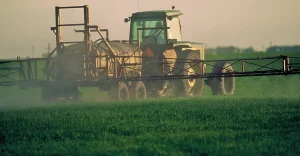
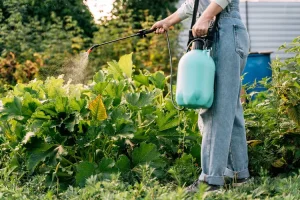
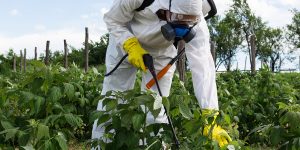
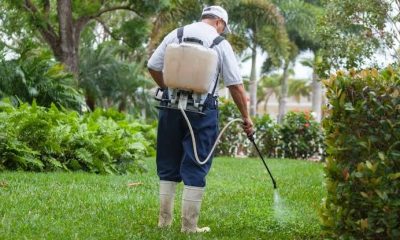
Granular applicators, mechanical instruments like hoes for manual removal, and handheld, backpack, or big boom sprayers are some of the tools used to apply herbicides. Furthermore, protective clothing is necessary for safe handling, and specialist equipment such as weed wipers or aircraft application is required for big regions.


Risks of aerosol sprays. Long-term inhalation of aerosol sprays can cause neurological damage, cardiovascular problems, and respiratory irritation, among other serious health and safety dangers. They contain volatile organic compounds (VOCs) that contribute to air pollution and are extremely flammable, making them fire dangers if used near heat. While frequent usage can result in long-term liver or lung damage, intentional abuse (huffing) might cause unexpected death.
RISKS OF AEROSOL SPRAYS
Although aerosol sprays are frequently used for personal care, cleaning, and air freshening, many of them include volatile organic compounds (VOCs) that are bad for the environment and human health. VOCs are substances that contribute to indoor air pollution by evaporating into the atmosphere at room temperature.
Health Risks of Aerosol sprays;
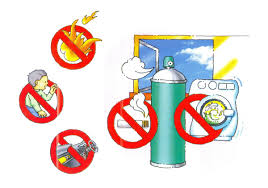
– Respiratory Irritation: Inhaling VOCs can cause coughing, sneezing, and shortness of breath, especially in individuals with asthma or allergies.
– Headaches and Dizziness: Prolonged exposure to VOCs may lead to headaches, fatigue, and nausea

– Long-Term Effects: Some VOCs, like formaldehyde and benzene, are linked to more severe health issues, including cancer and organ damage.
Environmental Impact of Aerosol sprays;
VOCs contribute to the formation of ground-level ozone, a major component of smog, which harms both human health and ecosystems.
Safer Alternatives;

RISKS OF AEROSOL SPRAYS
– Use pump sprays or water-based products free of VOCs.
– Opt for natural air fresheners like essential oil diffusers.
– Improve ventilation by opening windows to reduce the need for sprays.
Summary
Although aerosol sprays are practical, the environment and human health are at risk due to their volatile organic compound composition. Making the switch to safer, non-toxic substitutes lessens environmental damage and helps preserve a healthier home environment.

Gardening and urban settlement. Urban gardening improves sustainability, food security, and community well-being by turning urban areas—such as rooftops, balconies, and empty lots—into fruitful green spaces. It provides fresh, local products while mitigating urban heat islands by lowering food miles, fostering biodiversity, and fostering social cohesion. Container and vertical gardening are important techniques that solve the limitations of constrained urban area.
GARDENING AND URBAN SETTLEMENT
Growing and maintaining plants, such as fruits, vegetables, flowers, and herbs, is known as gardening. It can be used as a soothing pastime as well as a means of producing food or improving landscapes. A sunny, well-draining location, nutrient-rich soil, and climate-appropriate plants are necessary for success. It encourages sustainability while providing physical advantages like stress relief and exercise.
Origin;
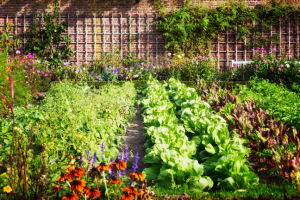
Urban gardening is not a new idea, even if it has recently gained popularity. Community wastes were utilized to support the urban farming that was practiced in ancient Egypt, which is where its origins may be found. Food shortages have been addressed through urban gardening ever since.
Impacts;
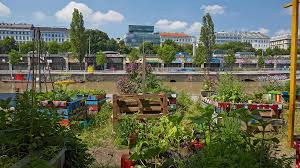
GARDENING AND URBAN SETTLEMENT
Urban gardening is now utilized for purposes other than ensuring food security. Having plants in the house and workplace not only improves people’s overall emotional and social well-being but also lowers stress levels. Even though it may sound absurd, urban gardening makes individuals more physically active because there are a lot of tasks involved in garden maintenance, like digging holes and tilling soil.
Tips;
Sunlight is essential. Look for an area where the plant may receive six to eight hours of sunlight each day.
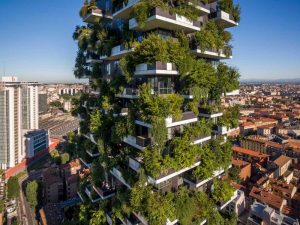
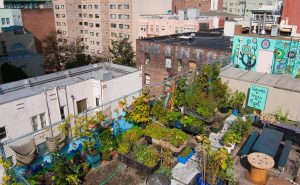
1. On the roof, plants can be planted. Moreover, they can be cultivated in hanging baskets on balconies, patios, and window boxes.
GARDENING AND URBAN SETTLEMENT
2. Deep soil is crucial. For plants under one foot in height, the soil depth must be at least 6 inches. Plants with deeper roots require a minimum soil depth of one foot.
3. To prevent root rot in the plants, drainage is crucial. Verify that the pot of your choice has holes for drainage.
4. Soil composition is essential. Unlike ordinary ground soil, potting soil is lighter and has a superior ability to drain excess water.
GARDENING AND URBAN SETTLEMENT
5. Do not forget to water your garden! When watering, it’s crucial to moisten the entire container. Additionally, it’s critical to avoid overwatering. To avoid root rot, empty the saucer beneath the plant of any extra water.
Summary
Finding a parking spot or having a yard to enjoy are two examples of things that may seem challenging if you live in an area, but gardening doesn’t have to be one of those things. Urban gardening is the practice of growing plants in an urban environment.


Environmental protection. There are several ways to safeguard the environment. However, as “charity begins at home,” self-awareness and autonomous work should be the initial steps. Sorting waste, reducing non-recyclable materials, taking public transportation or carpooling, conserving water, lowering electricity waste, buying locally grown food and minimizing waste, and supporting environmental nonprofit organizations are just a few of the many ways to help the environment.
ENVIRONMENTAL PROTECTION
The activity of preserving the natural environment and upholding ecological balance through laws, individual acts, and technical developments to stop pollution and deterioration is known as environmental protection. It includes initiatives to preserve biodiversity, protect the quality of the air, water, and soil, and lessen the effects of climate change brought on by human activity.
Water Conservation;
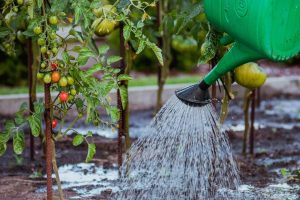
• taking shorter showers (less than five minutes), eating a diet higher in plant-based foods, shutting off the faucet while brushing your teeth, constructing rainwater collecting systems, and fixing leaky taps and faucets right away.
Recycle, Reuse, and Compost;
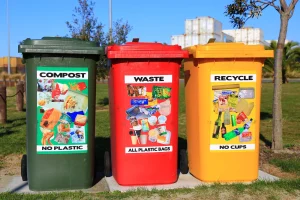
Environmental protection
This well-known adage suggests using less materials overall, reusing them wherever practical, and recycling them where feasible. This can be followed in the following ways.
1. Minimize the usage of fresh materials and single-use materials such as tissue paper, plastics, etc.
2. Reuse and upcycle materials such as wood, glass, textiles, and grocery bags. Limit the acquisition of new products and increase the usage of used goods.
3. Promote the purchase of recyclable materials, such as paper, cardboard, or glass, and instruct people to place them in recycling bins to keep them out of the trash.
Transport Efficiency;

Environmental protection
Air pollution outside is another consequence of vehicular traffic and is one of the main causes of heart and respiratory issues. Worldwide, there is a persistent upward trend in the number of vehicles per person; however, barely half of urbanites have access to public transportation. By 2050, carbon dioxide emissions from automobiles might be cut by about six gigatons if 60% of them are electric.
Shop secondhand;
Look first in a thrift store or vintage shop, or trade clothes with friends, before making your way to the mall to buy new clothes. Without squandering the valuable resources required to make new clothes, you can revitalize your existing wardrobe.
Buy Local;

Environmental protection
While we’re talking about buying, it’s crucial to consider the route your belongings take to get to you. The environmental impact of all that packing and the fuel required for delivery is substantial. Instead, before you click for that two-day shipping, check out your local farmers market for fresh, package-free food; consider dining at a farm-to-table restaurant; and make purchases from local businesses, artists, and apparel designers. Composting your food scraps and yard waste
Summary
All of the surrounding biotic (living) and abiotic (non-living) elements, such as air, water, land, and organisms, that affect the survival, growth, and behavior of life make up the environment. It includes architectural, social, and natural environments, creating intricate ecosystems such as the hydrosphere, lithosphere, and atmosphere.

Tips for Emotional stress

Anxiety and stress reduction

Face cleansing tips

A Step-by-Step Guide to Deleting Reels on Instagram

A Comprehensive Guide to Setting Up a YouTube Premiere

How to Create a WhatsApp Group
-

 Social media3 weeks ago
How to Delete Reels on IG
-

 Music2 weeks ago
Lyrics for Iké Nilé
-

 Social media2 weeks ago
Tips for likes and Followers on Facebook
-

 Social media2 weeks ago
Guidelines for Creating a Facebook Page
-

 Photography2 weeks ago
Photography and Outdoors
-

 Social media3 weeks ago
Guidelines for Uploading Videos on Youtube