environment
Risks of Aerosol Sprays


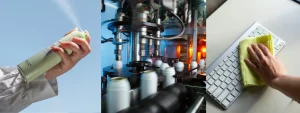
Risks of aerosol sprays. Long-term inhalation of aerosol sprays can cause neurological damage, cardiovascular problems, and respiratory irritation, among other serious health and safety dangers. They contain volatile organic compounds (VOCs) that contribute to air pollution and are extremely flammable, making them fire dangers if used near heat. While frequent usage can result in long-term liver or lung damage, intentional abuse (huffing) might cause unexpected death.
RISKS OF AEROSOL SPRAYS
Although aerosol sprays are frequently used for personal care, cleaning, and air freshening, many of them include volatile organic compounds (VOCs) that are bad for the environment and human health. VOCs are substances that contribute to indoor air pollution by evaporating into the atmosphere at room temperature.
Health Risks of Aerosol sprays;
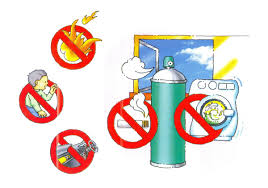
– Respiratory Irritation: Inhaling VOCs can cause coughing, sneezing, and shortness of breath, especially in individuals with asthma or allergies.
– Headaches and Dizziness: Prolonged exposure to VOCs may lead to headaches, fatigue, and nausea

– Long-Term Effects: Some VOCs, like formaldehyde and benzene, are linked to more severe health issues, including cancer and organ damage.
Environmental Impact of Aerosol sprays;
VOCs contribute to the formation of ground-level ozone, a major component of smog, which harms both human health and ecosystems.
Safer Alternatives;
RISKS OF AEROSOL SPRAYS
– Use pump sprays or water-based products free of VOCs.
– Opt for natural air fresheners like essential oil diffusers.
– Improve ventilation by opening windows to reduce the need for sprays.
Summary
Although aerosol sprays are practical, the environment and human health are at risk due to their volatile organic compound composition. Making the switch to safer, non-toxic substitutes lessens environmental damage and helps preserve a healthier home environment.



Germ Free Environments and Disinfectants. Maintaining a clean and secure environment depends on selecting the appropriate disinfectant. Among the best choices are quats, phenolic disinfectants, hydrogen peroxide, bleach, and alcohol-based disinfectants. Because each disinfectant has special qualities and advantages, it can be used in a variety of ways. To guarantee the best possible disinfection and prevent any risks, always adhere to the manufacturer’s instructions for correct use and safety precautions. Frequent use of these best disinfectants can help create a healthier living and working environment and guard against dangerous germs.
GERM FREE ENVIRONMENTS AND DISINFECTANTS
Although it is nearly impossible to establish a “germ-free” (totally clean) environment in everyday situations, you can build a highly sanitized place that stops the transmission of illness. The best approach combines chemical disinfection (which eliminates bacteria and viruses) with mechanical cleaning (which uses soap and water to remove dirt).
1. Bleach;
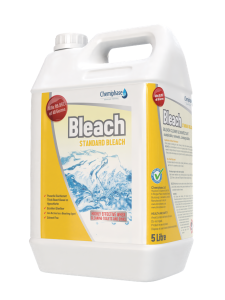
Bleach is a powerful disinfectant commonly used in households and healthcare settings. Its benefits include:
– Broad-Spectrum Efficacy: Effective against a wide range of microorganisms, including bacteria, viruses, and fungi.
– Quick Action: Works rapidly to disinfect surfaces, making it ideal for quick cleanups.
– Versatility: Can be used on various surfaces, including countertops, floors, and bathroom fixtures. Always follow dilution guidelines to avoid damaging surfaces and ensure safe use.
2. Alcohol-Based Disinfectants;

Alcohol-based disinfectants are popular for their convenience and effectiveness. They are widely used in healthcare, commercial, and residential settings. Their benefits include:
– Rapid Action: Kills most bacteria, viruses, and fungi within seconds of application.
– Ease of Use: Available in sprays, wipes, and gels, making them convenient for on-the-go disinfection.
– No Residue: Evaporates quickly without leaving a residue, making it suitable for electronics and other sensitive equipment.
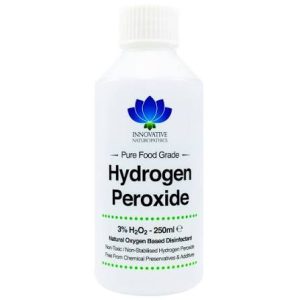
3. Hydrogen Peroxide;
Germ Free Environments and Disinfectants
Hydrogen peroxide is a versatile disinfectant known for its efficacy and safety. Its benefits include:
– Oxidizing Agent: Kills microorganisms through oxidation, effectively destroying bacteria, viruses, and fungi.
– Safe for Surfaces: Non-corrosive and safe to use on a variety of surfaces, including fabrics and medical equipment.
– Environmentally Friendly: Breaks down into water and oxygen, leaving no harmful residues.
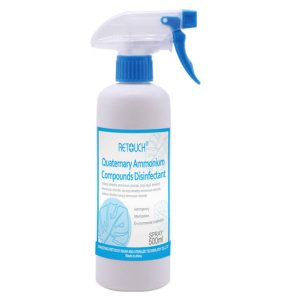
4. Quaternary Ammonium Compounds;
Germ Free Environments and Disinfectants
Quats are widely used in commercial disinfectants and household cleaning products. Their benefits include:
– Effective Germicide: Works against a broad spectrum of pathogens, including bacteria, viruses, and fungi.
– Residual Activity: Provides lasting disinfection, continuing to kill germs for hours after application.
– Surface Compatibility: Safe for use on a variety of surfaces, including floors, walls, and countertops.
Summary
For health and safety, it is essential to keep the surroundings hygienic and free of germs. By removing dangerous germs from surfaces, disinfectants serve a crucial part in halting the spread of illness. The top five disinfectants that are very successful at maintaining hygiene and cleanliness are as follows:
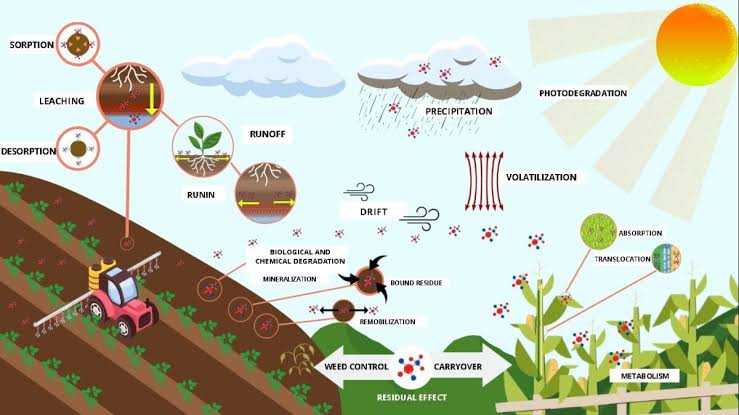
Herbicides and Environmental Management. Herbicides provide major advantages in crop yield and weed control, making them essential instruments in contemporary agriculture and environmental management. To reduce possible dangers to the environment and human health, its use must be carefully controlled. In order to ensure that these essential chemicals may be used safely and efficiently in the future, ongoing research and development aims to produce more targeted and sustainable herbicides.
HERBICIDES AND ENVIRONMENTAL MANAGEMENT
Chemicals called herbicides, sometimes referred to as weed killers, are used to manage undesirable vegetation. By identifying and getting rid of invasive weeds that compete with crops for nutrients, water, and sunlight, they are essential to contemporary gardening, agriculture, and environmental management.
Types of Herbicides;
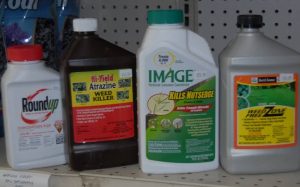
Herbicide can be classified into several categories based on their mode of action, selectivity, and application timing:
1. Selective Herbicides: These target specific types of plants while leaving others unharmed. For example, broadleaf herbicide is designed to kill dicot plants (like dandelions) without affecting monocot plants (like grasses).
2. Non-Selective Herbicides: These kill all plant types and are typically used in areas where complete vegetation control is desired, such as industrial sites, railways, and roadsides.
3. Pre-Emergent Herbicides:
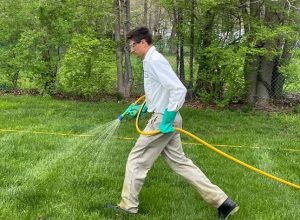
Applied before the weed seeds germinate, these prevent the emergence of new weeds by inhibiting seedling growth.
4. Post-Emergent Herbicides: These are applied after the weeds have emerged and are actively growing. They work by disrupting critical physiological processes in the plant.
Mechanism of Action;
Herbicides operate through various mechanisms, depending on their chemical composition and target plants. Common modes of action include:
– Inhibition of Photosynthesis:
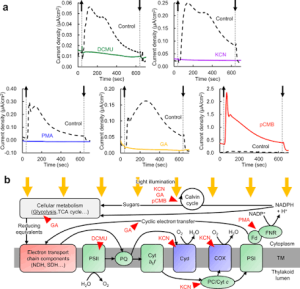
Some herbicide interfere with the plant’s ability to conduct photosynthesis, effectively starving the plant of energy.
– Disruption of Cell Division: Certain herbicides prevent cell division, hindering plant growth and development.
– Hormonal Disruption: Some herbicides mimic plant hormones, causing abnormal growth and eventually death.
Benefits;
The use of herbicides offers several advantages, particularly in agriculture:
– Increased Crop Yields: By effectively controlling weeds, herbicide help ensure that crops receive more of the essential resources they need to grow, leading to higher yields.
– Labor and Cost Efficiency:
Herbicide reduce the need for manual weeding, saving time and labor costs for farmers and gardeners.
– Improved Soil Health:

Herbicides and Environmental Management
When used properly, herbicide can reduce soil erosion by maintaining ground cover and minimizing the need for tillage.
Environmental and Health Concerns;
Despite their benefits, herbicides pose potential risks to the environment and human health. Overuse or improper application can lead to:
– Herbicide Resistance: Weeds can develop resistance to herbicide over time, making them harder to control and leading to the need for stronger chemicals.
– Water Contamination:

Herbicides and Environmental Management
Runoff from herbicide-treated areas can contaminate water sources, affecting aquatic ecosystems and potentially entering drinking water supplies.
– Human Health Risks: Exposure to certain herbicide has been linked to health issues, including respiratory problems, skin irritation, and in some cases, more severe conditions such as cancer.
Summary
Herbicide-resistant weed species are rapidly emerging as a result of the overuse and indiscriminate application of herbicides and their dominance in weed control. Additionally, environmental losses of the herbicides’ active constituents seriously harm the ecosystem and endanger living things.

Tips for baby friendly environment. It takes a combination of safety precautions, comfort, stimulation, and hygiene to create a baby-friendly environment. You can make sure that your baby grows up in a safe, caring, and stimulating environment by carefully setting up your home. These precautions not only safeguard the infant but also give caregivers peace of mind, allowing them to concentrate more easily on the delight of raising a happy, healthy child.
TIP FOR BABY FRIENDLY ENVIRONMENT
Welcoming a baby into your home involves more than just providing love and care; it requires creating a safe, stimulating, and nurturing environment. Whether you are a new parent, grandparent, or caregiver, making your space baby-friendly ensures the child’s well-being and fosters their development. Here are some essential tips to help you create a baby-friendly environment.
Safety First;

1. Baby-Proofing:
– Secure Furniture: Anchor heavy furniture, such as bookshelves and TVs, to the wall to prevent tipping.
– Cover Outlets: Use outlet covers to prevent curious fingers from exploring electrical sockets.
– Install Gates: Place safety gates at the top and bottom of stairs and in doorways to restrict access to potentially dangerous areas.
2. Hazard-Free Spaces:
– Remove Small Objects: Keep small items that could pose choking hazards out of reach.
– Lock Cabinets: Use childproof locks on cabinets containing cleaning supplies, medicines, and sharp objects.
– Check for Hazards: Regularly scan your home for potential hazards, such as loose cords or uncovered sharp corners, and address them promptly.
Comfort and Convenience;

1. Cozy Sleeping Area:
– Safe Crib: Ensure the crib meets safety standards, with a firm mattress and no loose bedding or soft toys.
– Room Temperature: Maintain a comfortable room temperature, typically between 68-72°F (20-22°C), to ensure the baby sleeps well.
2. Accessible Essentials:
– Changing Station: Set up a convenient changing station stocked with diapers, wipes, creams, and a change of clothes.
– Feeding Supplies: Keep feeding supplies, whether bottles, formula, or breastfeeding accessories, within easy reach to make feeding times more manageable.
Stimulating Environment;

Tips for baby friendly environment
1. Sensory Stimulation:
– Toys and Books: Provide age-appropriate toys and books to stimulate the baby’s senses and support their development.
– Visual and Auditory Cues: Hang colorful mobiles, play soft music, and talk to the baby regularly to enhance their auditory and visual development.
2. Safe Play Area:
– Soft Mats: Create a designated play area with soft mats or rugs to cushion falls and provide a comfortable space for tummy time and crawling.
– Interactive Play: Engage in interactive play with the baby, encouraging movement, exploration, and social interaction.
Health and Hygiene;

Tips for baby friendly environment
1. Cleanliness:
– Regular Cleaning: Keep the baby’s environment clean by regularly washing toys, bedding, and surfaces.
– Hand Hygiene: Ensure that everyone who handles the baby washes their hands frequently to prevent the spread of germs.
2. Non-Toxic Products:
– Baby-Safe Products: Use non-toxic, hypoallergenic products for cleaning, bathing, and laundry to protect the baby’s sensitive skin.
– Natural Materials: Opt for natural, breathable fabrics for clothing and bedding to minimize the risk of skin irritation.
Summary
The three main foundations of a baby-friendly environment are safe sleep, injury prevention, and sensory development. You should cover electrical outlets, secure heavy furniture, and establish a clear, risk-free area for your child to explore before they start to roll or crawl.

Earth Frozen Frontiers

Natural Majestic Wonders

Daily Life Hacks

A Step-by-Step Guide to Deleting Reels on Instagram

A Comprehensive Guide to Setting Up a YouTube Premiere