
Travelling guide
Possible causes of motion sickness.









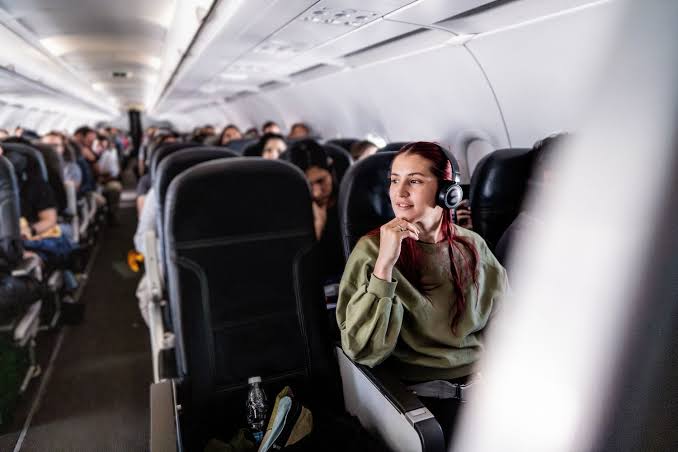
Tips for flights journey. Arrive at the airport at least two hours early, check in online 24 hours prior to departure, and dress comfortably in layers to guarantee a smooth journey. Include gadgets, travel documents, and prescription drugs in your carry-on. Don’t forget to pack an empty water bottle and noise-canceling headphones.
TIPS FOR FLIGHT JOURNEY
There are various strong reasons to fly late at night or early in the morning, as previously noted. However, if you travel after 10:00 at night and before 6:00 in the morning, your internal body clock may be thrown off, and you can arrive hungry and weary.The main disadvantages of flying when most people are asleep are as follows:
1) A lack of sleep;

You should get to the airport no later than 3:00 a.m if your flight is scheduled to depart at 5:00 a.m you should be up and getting ready for your vacation no later then 1:30 a.m. assuming you only need an hour to get ready for your 30-minute travel to the airport. Getting by on a few hours of sleep alone will wear you out and possibly cause you become forgetful. And the last thing you want to happen is misplace your phone or identity!
2) Minimal food and beverage choices;
Many airport restaurants, including some of the biggest in the world, are closed from the biggest in the world, are closed from midnight to five in the morning Even while there might be a vending machine with soft drinks and snacks, you’ll have to bring your own or wait to eat a sit down meal until you get to your destination.
3) Missed flights;

Tips for flights journey
There is a greater chance that you will oversleep and miss your flight when you go early in the morning. Additionally, it may be expensive and difficult to find another flight. If you have a history of sleeping in late, you should take extra care to ensure that you don’t miss your flight.
What can you do to make early morning and late night travel less stressful?
1) Learn how to travel light;
You may reduce your stress level at the airport by bringing everything you need in a carry on bag, whether you are travelling for a well earned holiday or a crucial work trip if you are infamous for packing everything but the kitchen sink, this might seem like a challenging task! But with a little forethought and thoughtful packing, you can become an expert at packing light.
2) Plan well in advance if you are traveling with children;

Tips for flights journey
When travelling with young children or toddlers, the difficulties mentioned above may become much more daunting. Being early for every part of your trip is essential for a trouble free early morning or late night flight with kids. If you have rented a car service to bring you to the airport quickly, you are already off to a good start. Make sure snacks and entertainment are readily available and take advantage of the early boarding benefit once you reach the gate.
Summary
A flying journey entails going by air from one place to another. Whether arranging a domestic trip from Murtala Muhammed International Airport in Lagos or an international route, contemporary technologies streamline ticketing, scheduling, and baggage management for a seamless experience
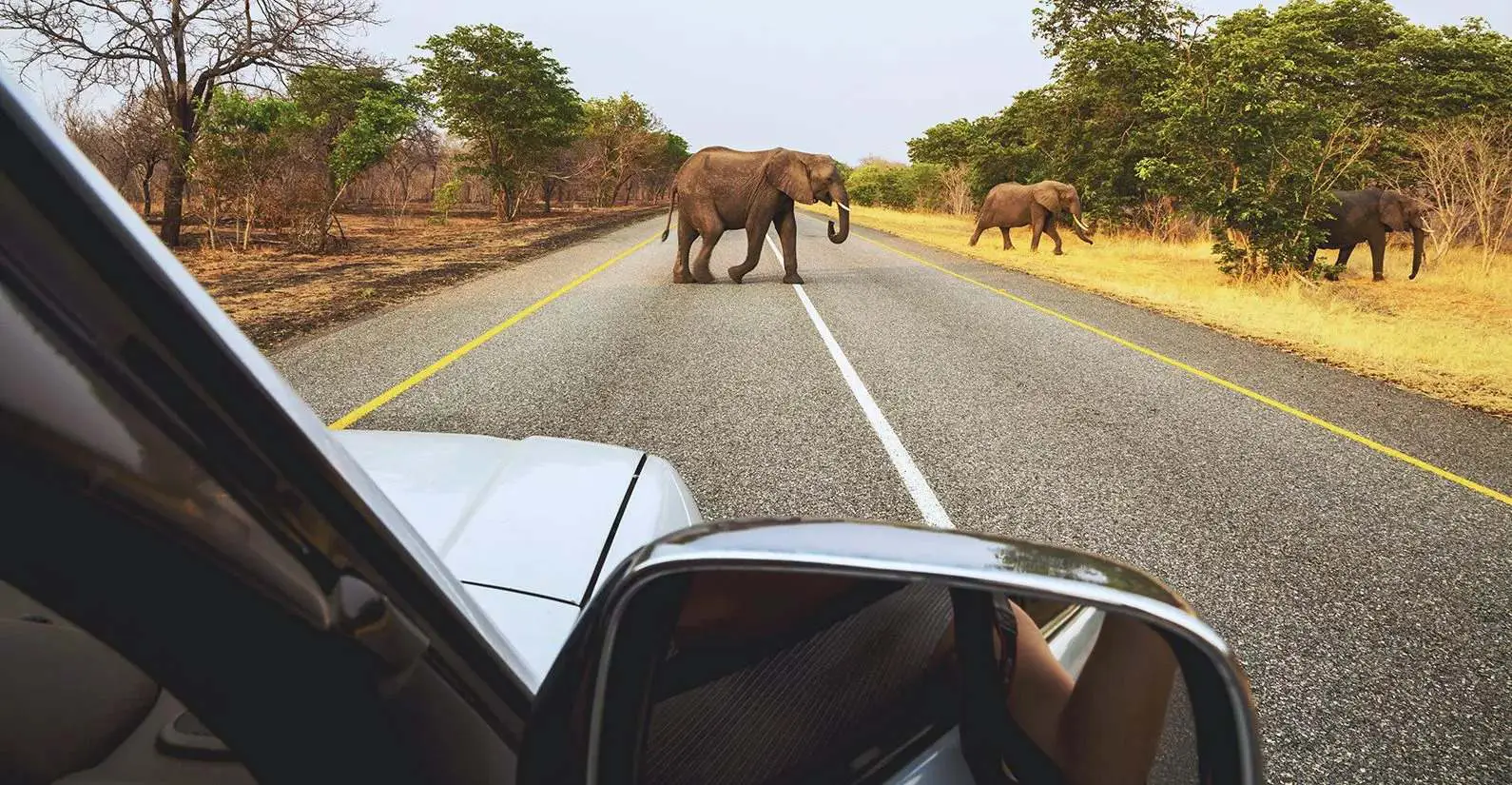
Important road trip tips. key pillars should be prioritized in order to guarantee a safe, easy, and pleasurable road trip: in-car comfort, route mapping, and vehicle preparation. Plan to switch drivers every two to three hours, download offline maps and tickets, prepare an emergency kit with food and drink, and always get your car serviced before you go.
IMPORTANT ROAD TRIP TIPS
A successful road trip requires balancing flexibility with smart preparation. Prioritize fluid routing (download offline maps and reserve motels in advance for peace of mind), vehicle readiness (check tire pressure and fluids), and strategic packing (have an ice-filled cooler, hydration, and a small “overnight bag” easily available).
1. Prepare Your Car;

Don’t forget to get your car ready for trip. It will serve as your second home. Any unplanned repairs should be scheduled at least one month in advance. Examine and modify the following as necessary:
- Coolant
- Oil
- Tire Pressure
- Spare Tire
- Brakes
- Belts, caps, hoses and filters
2. Prepare Yourself;
Keep in mind that you must be as prepared to drive as your car is. Get a good night’s sleep the night before your vacation and let folks know where you’re heading. It’s crucial to confirm that you can reach emergency operators from wherever you are travelling by checking the range of your cell phone. Learn about the routes you’ll be taking and the weather prediction before you go. Make sure to bring the essentials and dress comfortably :
- First aid kit
- Water and snacks
- Blankets and pillows
- Jumper cables and flares
- Travel brochures and maps
- Tool kit and cutting tool
3. Make Reservations or Check Hotels in the Area;

Important road trip tips
If you have an idea of where you want to spend the night, make bookings. what happens if there’s a music festival or concert nearby? It important to confirm that a reasonable rate for a room can be obtained. Make reservations for hotels in advance. Not having to get on and off exits and stop at several motels to check rates and availability will save you time and petrol.
4. Be Smart With Gas Mileage;
Reduce the speed at which you accelerate. For instance, you can save 30% on gas mileage if you reduce the acceleration time from 0 to 60 mph to 15 seconds.
5. Be Safe and Alert While Traveling;
Important road trip tips
Being cautious and vigilant when driving is the last step to a safe road trip. Recall that you want to stay away from all of the crises that you have just prepared for.
Summary
A road trip is a long-distance drive that gives you flexibility, independence, and the opportunity to find hidden treasures at your own speed. A good vacation takes some route planning, vehicle preparation, and astute packing, regardless of whether you are organizing a weekend escape or a cross-country expedition.

Tips to note on a journey. Maintaining safety by keeping digital copies of paperwork, drinking plenty of water, and learning about local customs are all crucial voyage considerations. On the other hand, recording everyday details, preserving mementos (like as tickets and maps), and taking impromptu pictures enhance the experience. Accuracy is ensured by prompt documentation, and stress is decreased by packing light and maintaining organization.
TIPS TO NOTE ON A JOURNEY
Purchasing adequate travel insurance, obtaining the required visas, and making sure your passport is valid for at least six months after your trip are all essential pieces of travel knowledge. Put safety first by discussing your schedule, keeping both digital and hard copies of vital documents, and carrying emergency cash. Before leaving, learn about the local currencies, culture, and health regulations.
1. Take the path less travelled;

Many travelers find comfort in staying inside resort boundaries or visiting just the popular attractions. However, their tales are all the same when they arrive home. Take the less-traveled route whether you’re traveling alone or with a group. Go to the left where fewer people are if you’re alone in a market. Ask the tour leader for suggestions for places to visit off the beaten route during your downtime if you’re exploring a new city in a group.
2. Take public transport;
Using public transportation is the quickest method to live like a local since you can interact with regular people going about their daily lives, pick up a few essential phrases, and start a discussion.
3. Strike up a conversation;

Start a conversation with the locals to turn your trip from average to spectacular. This, in my opinion, is the greatest approach to socialize and hone my language abilities.
4. Avoid the tacky souvenirs;
When traveling, avoid purchasing the obvious memento to bring back home. Visit your neighborhood markets to discover truly local products. I could have purchased a lot of lanterns and slippers a la Aladdin from tourist traps when I was in Marrakech. Rather, I purchased a handwoven rug from an elderly woman who had been creating them for her entire life at a market, which I still treasure today.
5. Never miss a moment;

Tips to note on a journey
Don’t get caught up in taking photos – yes, they are wonderful keepsakes to remind you of your travels when you get home, but often travellers get so distracted taking a photo that they miss the magic moments.
6. Eat somewhere local;

Tips to note on a journey
Whenever I travel alone, I always ask locals to recommend their favorite eateries—that is, assuming they are willing to divulge their trade secrets! When I go on a group trip, I always ask the guide to recommend their best restaurants so I may indulge in them during my free time.
7. Get lost in the moment;
When I travel, my favorite times are when I venture into the back streets and get lost while wandering aimlessly. If I start to feel anxious, I know I can always check my phone’s GPS or ask for directions; but, it’s these carefree moments that make me happiest.
8. Challenge yourself;

Tips to note on a journey
Consume something novel. Talk to a complete stranger. Don’t make daily plans. For advice that only a local would know, ask your guide. Carry a carry-on with you. Avert the beaten route. Take a strenuous hike. Confront your worries. Keep a daily journal
Summary
A voyage is the act of moving from one location to another; it usually refers to a lengthy, exciting, or important excursion rather than a quick commute. It describes the travel experience, the distance traveled, or the duration of the trip. Figuratively, it refers to a protracted process of personal growth, transformation, or life events.

Agricultural sector of the economy

Agricultural forms

Tips for successful proofreading

A Step-by-Step Guide to Deleting Reels on Instagram

A Comprehensive Guide to Setting Up a YouTube Premiere













Pingback: What triggers Vomiting, possible coping techniques - SimplExplainer
Pingback: Five Sicknesses Ginger Can Help Cure - SimplExplainer
Pingback: Nausea and Vomiting - SimplExplainer