Health
Indoor and ventilation quality


Indoor and ventilation quality. The cleanliness, temperature, and humidity of the air inside buildings are referred to as indoor air quality (IAQ) and ventilation, and they are greatly impacted by the introduction of outside air to reduce indoor pollutants. In addition to preventing health problems like asthma and lower productivity, good ventilation lowers pollutants like CO2 and airborne viruses. Source management, appropriate ventilation (natural or mechanical), and filtering must be combined for optimal IAQ.
INDOOR AND VENTILATION QUALITY
While inadequate ventilation can result in “sick building syndrome” and elevated CO2 levels, adequate ventilation lowers allergens, virus particles, and volatile organic compounds. Natural (windows) or mechanical (HVAC/fans) systems are used to maintain it.
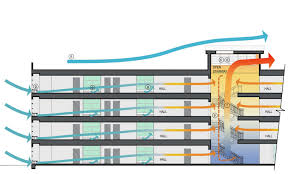
In order to increase the quality of the indoor air, ventilation is the process of bringing outside air into a building and circulating it around the space while expelling stagnant air. Either mechanical or natural methods, or both, can be used to accomplish this.
Types of Ventilation;
Natural Ventilation

is a method of bringing outside air into a structure without the use of fans or other mechanical devices. This involves ventilation through the building’s windows, doors, roof turrets, and other openings.
Mechanical ventilation
defines the process of using powered devices, such as fans, to transport air into or out of a structure. The outside air may require filtering or cleaning before it reaches the building, depending on where it comes from. The supply and extraction theory states that while a second set of ducts takes the stale air and exhausts it outside, the first set of ducts and inlet grilles bring outside air into a space. Diffusers for incoming air can be found on the floor, on the wall, or in the ceiling.
Local exhaust ventilation (LEV)

Indoor and ventilation quality
is an engineering system intended to transfer pollutants to a safe emission point or a filter/scrubber from the source of the contaminants ( dust, mist, fume, vapour,gas). There isn’t any general ventilation for it.
How to improve ventilation;
While it is difficult to reduce the needs for ventilation to a single, easy to follow method. The kind of ventilation, the duration of exposure, the nature of the building and its user, and the occupational activities being carried out must all be taken into consideration when designing specialized safety measures. Nonetheless, there are useful methods to enhance your ventilation
Natural ventilation can be improved by;
Indoor and ventilation quality
1) Whenever feasible, open doors, windows, and vents, especially in between tasks or users, to enhance the quantity of fresh air without compromising the comfort employees.
2) Avoid closing doors or windows completely when people are in a naturally ventilated area
3) “air rooms” as much as you can. It might be ideal to do this at breaks, at the start and end of the day, or while the room is empty.
Summary
The efficiency of replacing indoor air with fresh outdoor air to eliminate contaminants, regulate humidity (preferably between 30 and 60 percent), and maintain optimum oxygen levels is referred to as ventilation quality.
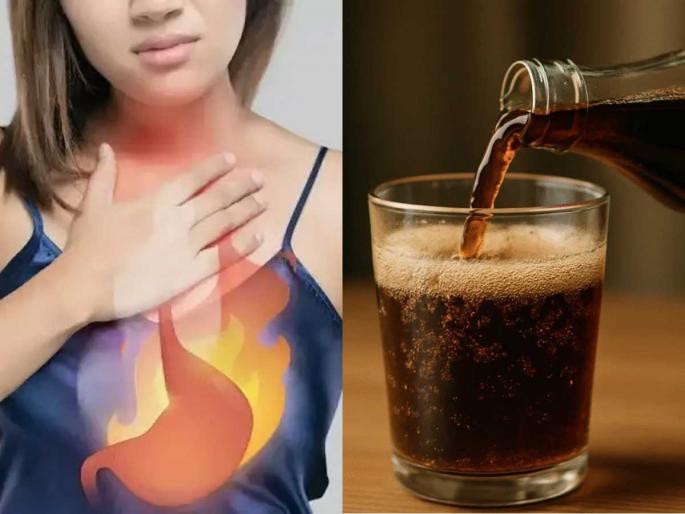
Carbonated drinks side effects. Soft drinks are referred to be “soft” in contrast to “hard” alcoholic and non-alcoholic beverages. Soft drinks may include small amounts of alcohol, although in many nations and regions, the alcohol concentration must be less than 0.5% of the drink’s total volume (ABV). if the beverage is not to be classified as alcoholic. Lemon-lime beverages, orange soda, cola, grape soda, cream soda, ginger ale, and root beer are a few types of soft drinks.
CARBONATED DRINKS SIDE EFFECTS
Because of their high sugar and acid content, carbonated drinks can cause serious health problems such as obesity, Type 2 diabetes, tooth enamel erosion, and fatty liver disease. Additionally, they can lead to digestive problems including gas, bloating, and GERD, and cola’s high phosphorus content can have an impact on bone density.
IT CAN CAUSE TOOTH DECAY;
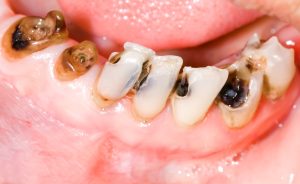
The bacteria in your mouth produce chemicals that can erode the strong enamel on your teeth as they feed on sugar. The soft, inner core of your tooth becomes visible due to enamel loss, which is when a cavity forms. When you consume fizzy soda that has been sweetened, the sugar stays in your mouth and accelerates the processes that cause tooth decay.
BELCHING AND HEARTBURN;
Carbon dioxide that has been dissolved in carbonated drinks turns into a gas in your stomach when it gets to body temperature. The accumulation of carbon dioxide gas in your stomach might induce frequent belching when you consume carbonated soft beverages. When you belch, food particles and stomach acid may enter your food pipe, giving you heartburn and a foul aftertaste
INCREASED RISK OF OBESITY

Carbonated drinks side effects
Drinking carbonated drinks with added sugar increases the number of calories in your diet and raises your risk of obesity and overweight.
Obesity and being overweight are major risk factors for osteoarthritis, heart disease, and type 2 diabetes
POOR NUTRITION;
Drinking carbonated soft drinks can negatively impact the amount of nutrients you take in overall. If you consume these drinks, you may consume less protein, carbs, dietary fiber, and vitamin B-2, or riboflavin. In comparison to people who do not drink soda, people who drink carbonated beverages also typically eat less fruit and drink less fruit juice
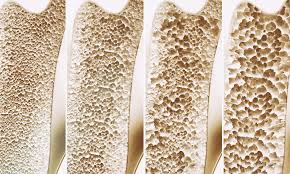
REDUCED BONE STRENGTH;
Carbonated drinks side effects
Compared to women who do not drink normal or diet cola, women who drink these beverages typically have weaker hipbones.
Effects Of Carbonation On Taste and Texture
Drink carbonation influences taste and texture in addition to adding a lovely fizz. The drink tastes lighter and more energizing because of the bubbles in it. Additionally, carbonation can add a hint of tanginess or acidity, which improves the flavor profile overall. Moreover, the carbonation can enhance the enjoyment of the drink by counterbalancing its sweetness or other qualities.
Role Of Carbon Dioxide In Carbonation;
Carbonated drinks side effects
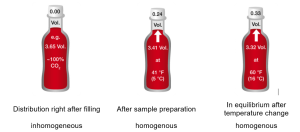
The gas that gives carbonated drinks their magical sparkle is carbon dioxide. When carbon dioxide is dissolved in water, carbonic acid is created. When pressure is then released, carbonic acid bubbles burst. The characteristic tingle and fizz in your mouth are produced by these bubbles.
Summary
High-sugar soft drink consumption is most commonly associated with obesity, type 2 diabetes, and weight gain. Drinks, however, can also damage your teeth, raising the possibility of cavities and even visible tooth decay. When you consume soda, the sugars mix with mouth bacteria to create acid.
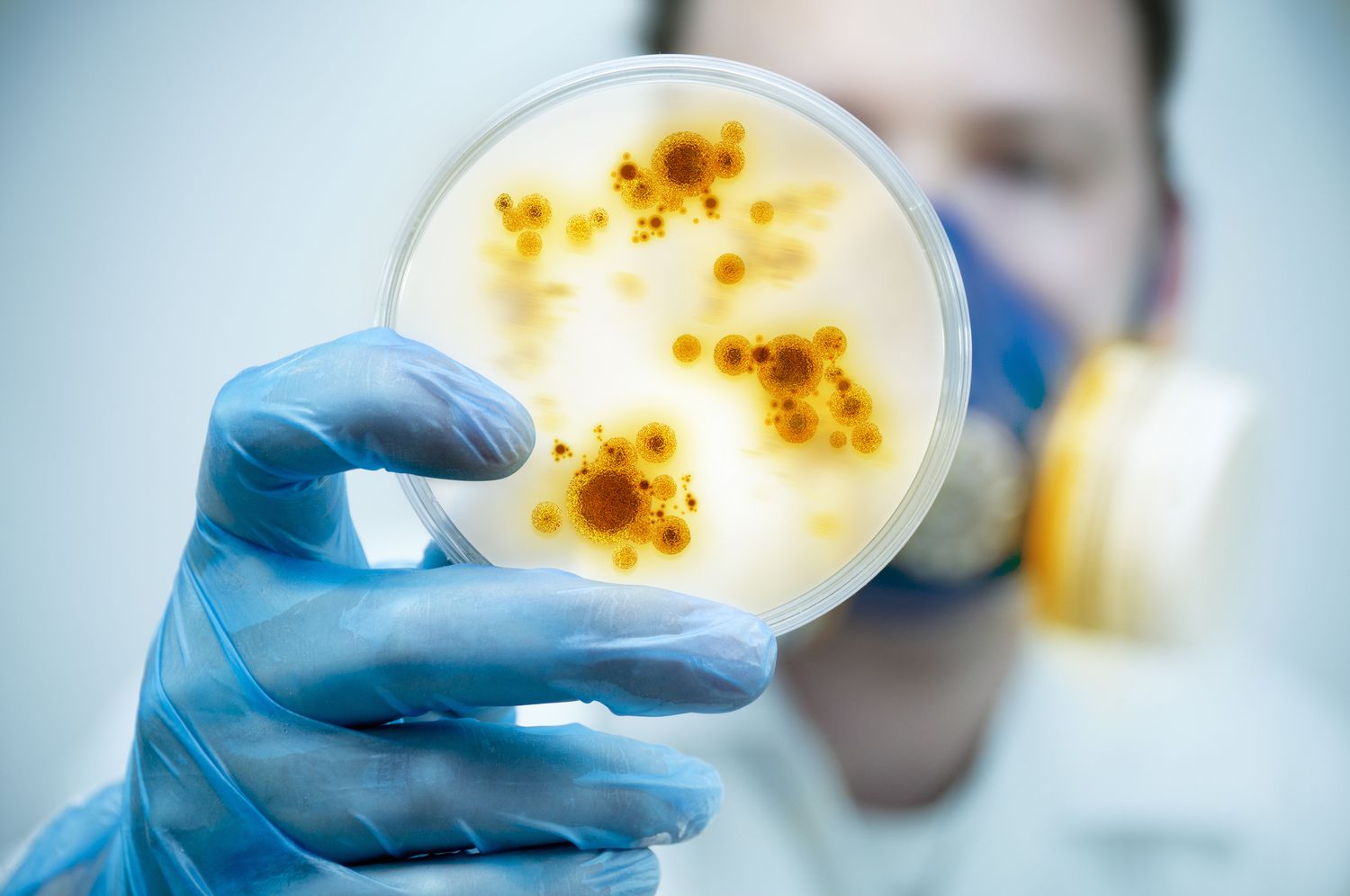
Health and pathogens. Microorganisms known as pathogens, which include bacteria, viruses, fungi, parasites, and prions, are responsible for infectious diseases through host invasion, immune system evasion, and replication. They can cause anything from simple colds to deadly infections, and they are usually spread by contact, bodily fluids, or airborne particles. Handwashing, immunization, and safe food handling are important defenses.
HEALTH AND PATHOGENS
By infiltrating a host and causing cell damage, pathogens—also referred to as germs—cause illnesses in people, animals, and plants. The main categories include viruses, bacteria, fungus, and parasites (such as helminths and protozoans). They are responsible for illnesses ranging from the common cold and food poisoning to catastrophic infections like TB Pathogens, though invisible to the naked eye, wield immense power over our health and well-being. Understanding these microscopic threats is crucial in combating infectious diseases and safeguarding public health.
What Are Pathogens?
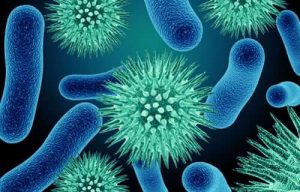
Pathogens are microorganisms, including bacteria, viruses, fungi, and parasites, that cause disease in humans, animals, and plants. These tiny invaders have evolved various mechanisms to survive and thrive within their hosts, often exploiting vulnerabilities in the immune system to establish infections.
Types of Pathogens;
1. Bacteria: Single-celled organisms that can cause a range of infections, from minor skin infections to life-threatening illnesses like pneumonia and meningitis.
2. Viruses: Genetic material wrapped in a protein coat, viruses hijack host cells to replicate and spread, causing diseases such as influenza, HIV/AIDS, and COVID-19.
3. Fungi:
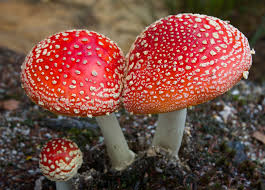
Microscopic organisms that can cause superficial infections like athlete’s foot or more serious systemic infections in immunocompromised individuals.
4. Parasites: Organisms that live on or inside a host and rely on it for nourishment. Parasitic infections include malaria, giardiasis, and tapeworm infestations.
How Pathogens Spread;
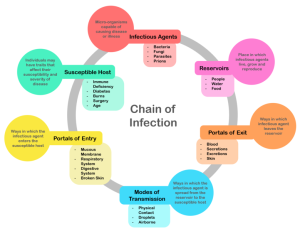
Pathogens spread through various means, including:
– Direct Contact: Through physical contact with an infected person, animal, or contaminated surface.
– Airborne Transmission:
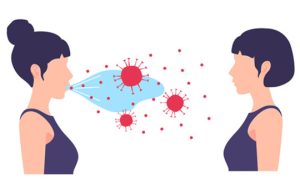
Inhalation of respiratory droplets expelled by coughing or sneezing.
– Waterborne Transmission: Consumption of contaminated water or exposure to waterborne pathogens through recreational activities.
– Vector-Borne Transmission: Transmission through vectors such as mosquitoes, ticks, and fleas, which carry and transmit pathogens to humans.
Impact on Health
Pathogen can cause a spectrum of diseases, ranging from mild infections to severe, life-threatening conditions. They contribute significantly to the global burden of disease, affecting individuals, communities, and entire populations. The emergence of antibiotic-resistant bacteria and new infectious diseases underscores the ongoing challenge posed by pathogens to public health systems worldwide.
Prevention and Control
Health and pathogens
Preventing the spread of pathogen requires a multifaceted approach, including:
– Vaccination: Immunization programs help prevent infectious diseases by stimulating the body’s immune response to specific pathogens.
– Hygiene Practices: Regular handwashing, proper sanitation, and food safety measures can reduce the transmission of pathogen.
– Vector Control: Measures to control vectors, such as insecticide-treated bed nets and environmental management, help prevent vector-borne diseases.
– Antimicrobial Stewardship:

Health and pathogens
Responsible use of antibiotics and antiviral medications helps mitigate the development of antimicrobial resistance.
Summary
We can better defend ourselves and future generations against the invisible but powerful enemies known as infections by implementing efficient public health policies and encouraging scientific research and innovation.
Stomach upset and natural solutions. Strong acids and digestive enzymes are used by the stomach, a muscular, J-shaped organ in the upper left belly, to store, churn, and break down food. It transforms food into a liquid mixture before it reaches the small intestine, acting as a crucial processing hub in the digestive system.To provide you with the most pertinent information, are you interested in learning about the anatomy of the stomach, or are you looking for information on how to treat health problems or discomfort in the stomach?
STOMACH UPSET AND NATURAL SOLUTIONS
Usually, infections, indigestion, or food intolerances are the cause of an upset stomach (nausea, cramping, diarrhea, or gas). Using home remedies, such as resting the stomach, drinking plenty of water, and eating bland meals like crackers, toast, or bananas, most cases improve in 24 to 36 hours. Seek medical attention if you have dehydration, a high fever, or excruciating discomfort.
1. Bitters and Soda;

Although you would probably assume the last place to seek relief from nausea would be a bar, many swear by adding five or six drops of cocktail bitters to a chilled glass of ginger ale, tonic, or club soda. A combination of herbs, including ginger, fennel, mint, and cinnamon, is found in most popular bitters brands. Bitters may help some people feel less queasy because of these substances.
2. Ginger;
While it may seem counterintuitive to seek solace from nausea in a bar, many swear by diluting a cool glass of ginger ale, tonic, or club soda with five or six drops of cocktail bitters. Most well known bitter products contain a blend of herbs, such as ginger,fennel,mint, and cinnamon. some people may find that bitters reduce nausea due to these substances.
3. Apple cider vinegar;

Stomach upset and natural solutions
Try taking a spoonful of this basic, acidic pantry item to soothe an upset stomach, if you can stomach it. Overly powerful? Slowly sip a mixture made with a spoonful, one cup of water, and one teaspoon of honey. Apple cider vinegar’s acids may aid in slowing down the breakdown of starch, enabling it to enter the intestines and maintaining the good bacteria there. Some take a teaspoon daily as a prophylactic precaution.
4. Heating Pad;
When you’re feeling under the weather, you might find that a heating pad or hot water bottle helps, so curl up with your electric blanket and take it easy until your symptoms go away. The heat on your stomach can assist to relax your muscles and lessen nausea, as well as divert your attention from any cramps or pain. However, avoid leaving it on for too long since this can cause damage to your skin from misuse.
5. Chamomile tea;

Stomach upset and natural solutions
As an anti-inflammatory, a good cup of chamomile tea can help reduce the discomfort associated with an upset stomach. Your stomach muscles will relax as a result of these anti-inflammatory qualities, lessening the discomfort of cramps and spasms.
Summary
Give your digestion a break by avoiding solid foods, drink clear liquids to stay hydrated, and try soothing teas to naturally relieve a moderate upset stomach. Use a heating pad for cramps or take mild herbal medicines for focused alleviation.

Review for saint laurent black

Varieties of perfumes for women

Feminine body mists

A Step-by-Step Guide to Deleting Reels on Instagram

A Comprehensive Guide to Setting Up a YouTube Premiere