
Sleep
Sleeping diet


Sleeping diet. The total amount of food and beverages a person regularly consumes is called their diet. In addition to preventing malnutrition and lowering the risk of chronic conditions like diabetes and heart disease, a balanced diet gives your body the energy and nutrients it needs to function at its best.A healthy diet emphasizes complete, minimally processed meals that are customized to your personal lifestyle, ethical, or health objectives.
SLEEPING DIET
Sleep is an important, active process where your brain and body restore energy, mend tissues, and consolidate memories. In order to preserve their physical, mental, and cognitive well-being, adults normally require 7 to 9 hours of sleep each night.Each whole cycle of sleep lasts between 90 and 120 minutes and alternates between two primary phases:
These six food and drink categories are things you should not eat or drink right before going to bed
1. Alcohol;

While it might seem that a few beers, a few glasses of wine, or a nightcap aid with sleep, they actually don’t. However, there are three good reasons not to consume alcohol especially not too much of it right before bed.
i. While it helps you asleep, alcohol disrupts your body’s natural sleep cycle later in the evening. This may result in less deep, rejuvenating Rem sleep for you
ii. Alcohol consumption causes all of the body’s muscles to relax, which can make loud snoring and obstructive sleep apnea worse
iii. Alcohol also has effect on the esophageal sphincter, a muscle. It usually result in acid reflux when it relaxes
2. Heavy Foods;
Meals that appear heavy in the stomach actually take longer to break down. Fried, and fatty foods might cause dyspepsia and keep you up at night steer clear of late day like cheeseburgers, fries, fried food, and sizable steaks
3. Foods with High Water Content;

Sleeping diet
Getting up to use the restroom might seriously interfere with your sleep. Naturally, staying hydrated is essential to good health, but you don’t want to find yourself with a full bladder in the middle of the night. It is preferable to avoid eating anything rich in water content, even if the item is healthful. Cucumbers, watermelon, and celery are among them.
4. Foods with Hidden Caffeine;
Examine the nutrition information on the labels. Caffeine can be found in many foods, including ones you might not expect. Unless otherwise noted, tea and soda are often caffeine-containing beverages. Additionally, certain sweets and ice creams contain chocolate, coffee,or espresso caffeine containing food like chocolate, have stimulant effects. They lessens the amount of REM sleep you would typically get and make it harder to enter the deeper stages of sleep
5. Super Sugary Treats;

Sleeping diet
Yoyos with insulin can seriously disrupt sleep cycles. Because they can cause your blood sugar to surge and then plummet, excessively sugary snacks should be avoided for this reason, suger filled cereals, pastries, and candies are not recommended as bedtime snacks.
Summary
Aligning your eating habits with your circadian rhythm is the goal of a sleep diet. It stresses avoiding heavy, sugary, or caffeinated foods right before bed and eating foods high in tryptophan, magnesium, and natural melatonin. This method improves digestion, lowers inflammation during the night, and organically encourages peaceful, rejuvenating sleep.










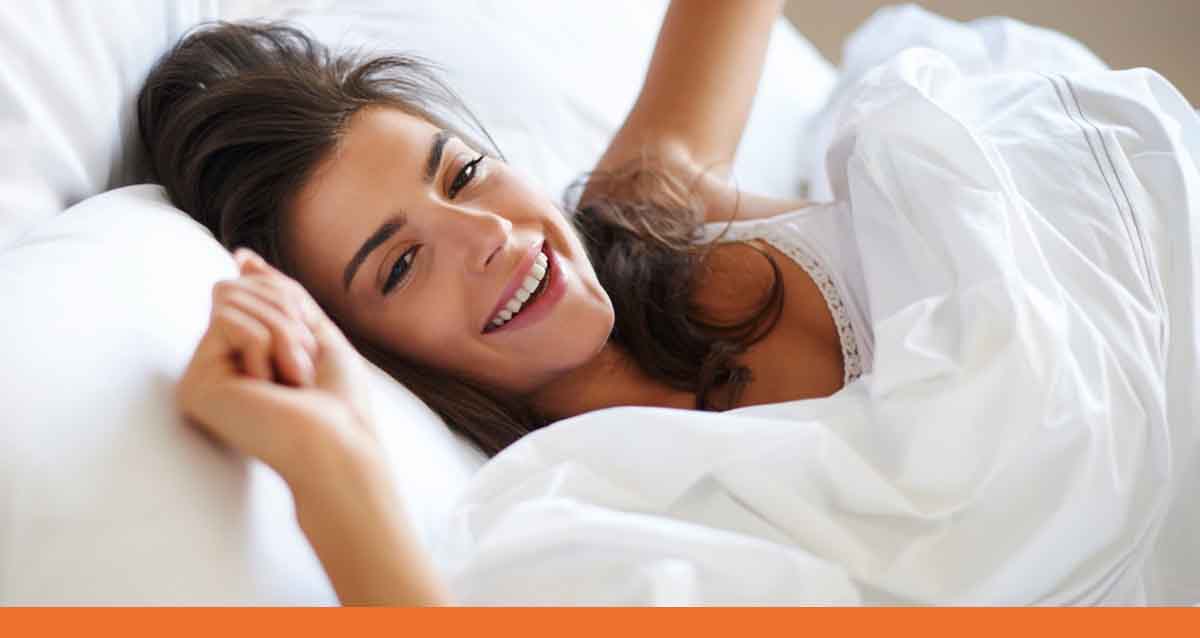
Sleep and physical health. Poor sleep is typically the result, even if a person wakes up throughout the night and doesn’t remember it. Sleep disorders include obstructive sleep apnea and periodic limb movement disorder can cause frequent overnight awakenings and poor sleep quality. Hormonal changes brought on by the menstrual cycle, pregnancy, and menopause may interfere with a person’s ability to sleep soundly.
SLEEP AND PHYSICAL HEALTH
Whether or not someone gets enough restorative sleep depends on their physical health. An individual may experience sleep deprivation due to physical or mental ailments. Likewise, the length and quality of a person’s sleep might be adversely affected by drugs and supplements they may take for medical conditions. While not getting enough sleep is a common cause of sleep deprivation, poor quality sleep can also contribute to this condition. If one’s sleep is of low quality, even eight hours a night can leave one feeling sleep deprived.
The Effects of Sleep Deprivation on Your Physical Health;
Getting too little sleep can negatively affect one’s physical health because getting enough sleep is necessary for several body processes.
Lack of sleep over time can have a number of detrimental effects on one’s physical well-being. People who don’t get enough sleep are more likely to experience the following problems:
- Injury from car crashes and work accidents
- Heart attack and stroke
- High blood pressure
- Type 2 diabetes
- Reduced immunity and risk of infection
- Cancer
- Early death
Are You Getting Enough Sleep? Here’s How to Tell;

Sleep and physical health
Adults need to sleep for at least seven hours every night. A person’s mental health seem to be impaired when they don’t get enough sleep, and they frequently feel exhausted during the day. Lack of sleep can cause symptoms such as:
- Feeling extremely tired during the day
- Mood changes, including increased stress, anxiety, or irritability
- Impaired thinking, memory, and judgment
- Reduced attention span
The Physical Benefits of Sleep;
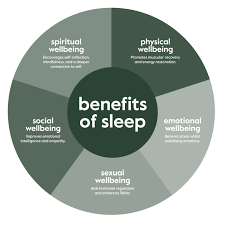
Sleep and physical health
Lack of it can occasionally affect a person’s social and professional life. Due to fatigue, they could cut back on fun activities or discover that they are running behind on their obligations at work or home. A person may realize they have more energy to devote to their work, hobbies, and home life if they are able to get enough sleep again.
Summary
Your body’s general state and capacity to perform at its best in day-to-day activities are included in physical health. Consistent exercise, a healthy diet, restorative sleep, and preventive medical treatment are its four main pillars.
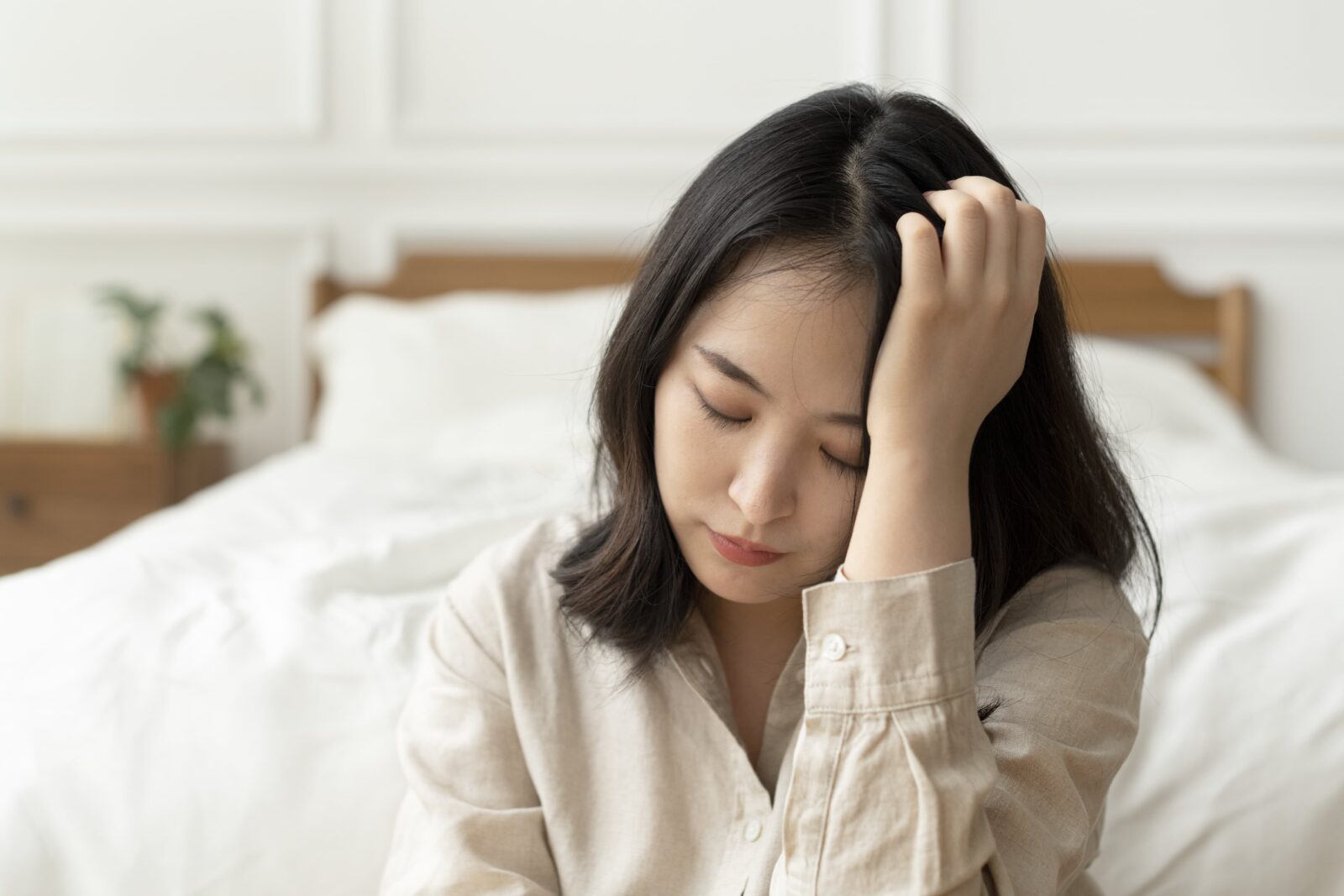
Sleep and long term health. One of the most important pillars of physical wellness is getting enough good sleep. It enables self-healing and self-regulation of your immune, endocrine, and cardiovascular systems. Chronic sleep deprivation raises the long-term risk of serious illnesses like obesity, diabetes, and heart disease.
SLEEP AND LONG TERM HEALTH
Just as important as nutrition and exercise is getting enough sleep. Your long-term risk of serious medical illnesses, such as type 2 diabetes, cardiovascular diseases, and neurodegenerative disorders, is greatly increased by chronic sleep deprivation (sleeping fewer than 7 to 9 hours every night). Sleeping enough at night shields you against a host of health issues. Here are a few of the most significant ones.
Heart disease
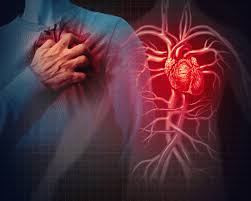
A healthy sleep pattern lowers the risk of heart disease. In the United States, it is the main cause of death for both men and women. Your blood pressure and heart rate decrease as you sleep. Your heart will have to exert less effort as a result.3. Sleeping well also contributes to a healthy cortisol balance. If this stress hormone remains too high for an extended length of time, it might be harmful to the body.
Weight gain
Increasing your sleep will assist you in managing your weight. Your body produces an excess of a chemical that causes hunger when you’re sleep deprived. What was the outcome? You consume more food than you usually do. And you have a craving for foods heavy in sugar and fat. Maintaining a healthy weight reduces your chances of high blood pressure, high cholesterol, and other conditions.
Best advice for a great night’s sleep;
You can now see why getting more sleep is necessary. These hints will improve your quality of sleep at night.
Stick to a schedule
Every day, get up and go to bed at the same hour. On the weekends, it could be tempting to stay up late and sleep in. However, that simply makes Monday morning more difficult for you to wake up.
Don’t eat too late

Sleep and long term health
Heartburn can occur when a full meal is consumed close to bedtime. Chest discomfort that burns is one of the signs of heartburn. This may prevent you from going to sleep and remaining asleep. Before going to bed, eat something small and light, like a banana, if you’re hungry. Alternately, have a low-sugar yogurt cup or some almonds.
Nap wisely
If you must nap throughout the day, try to limit the duration to no more than 20 minutes and take it before 3 p.m. Sleeping at night becomes more difficult after extended, late naps.
Cut down on screen time
Melatonin is disrupted by the blue light emitted by your computer, tablet, and phone screens. This is a hormone that makes you feel drowsy by rising naturally around bedtime. When the light is too strong, your body suppresses melatonin because it believes it is still daytime. At least half an hour before going to bed, turn off all gadgets.
Give your bedroom a makeover

Sleep and long term health
Make a relaxing, peaceful sleeping area. Turn down the lights before going to bed, and avoid sleeping with the TV on. To make your room as dark as possible, hang curtains or room-darkening shades on your windows. To reduce noise, use a free white noise app on your phone. Moreover, maintain a temperature of between 60° and 67°F.
Limit fluids
If you have too much water right before bed, you’ll wake up in the middle of the night to go to the bathroom.
Summary
Consistent lifestyle choices that avoid chronic illness and preserve cognitive function are essential for long-term health. A healthy, plant-based diet, 150 minutes of aerobic exercise plus strength training, getting enough sleep, and abstaining from smoking are all important practices.
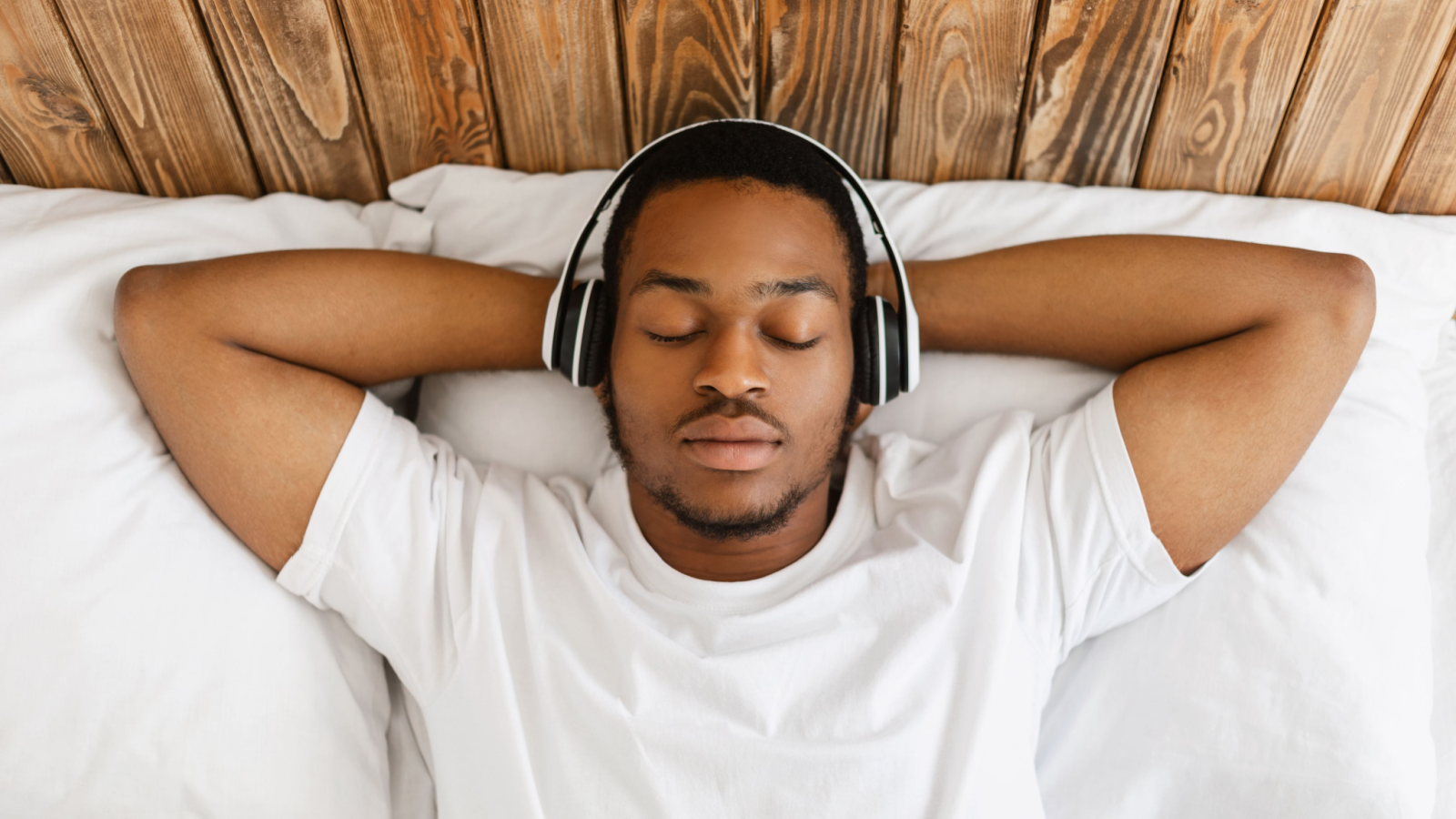
Headphones and sleep. Sleep, which is characterized by altered consciousness, decreased sensory activity, and relaxed muscles, is an essential, naturally occurring condition of rest for the body and mind. Because it enables the brain to process memories, rid itself of pollutants, and control the immune and neurological systems, it is vital for survival.Every 90 to 120 minutes throughout a normal sleep cycle, there are two main stages.
HEADPHONES AND SLEEP
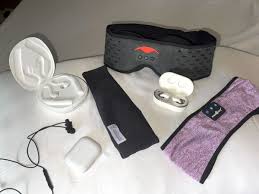
Wearing headphones while you sleep can help you shut out noise, slow down your mind, and cover up your partner’s snoring. Bulky designs, however, may make side sleepers uncomfortable and raise the possibility of infections or earwax accumulation.
Can Shut Out Noise
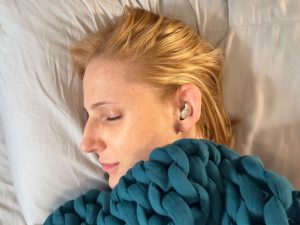
To help you sleep more soundly, you can use headphones or earbuds to block out all types of noise, such as other people chatting or outside traffic sounds. You can even turn off the noise that is keeping you awake and listen to the music of your choice
Relaxing with White Noise
One item that can make you sleep better is white noise. To unwind and go asleep, put on some headphones and listen to white noise. Research indicates that listening to music can help you breathe and pulse rate decrease. You can always unwind mentally by listening to music before bed, so put on some calming tunes on your headphones. Your body will become more relaxed as a result, concentrating more on falling asleep rather than other bothersome daytime thoughts.
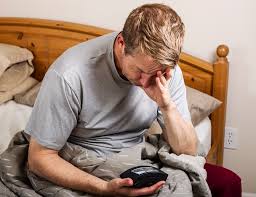
Treatment for Insomnia and PTSD
Headphones and sleep
Research has indicated that sleeping to music can be an excellent therapeutic method for individuals with PTSD or insomnia, since it helps soothe their minds and enhances the quality of their slumber.
Stimulates Serotonin
Our brains create the neurotransmitter serotonin, which gives us a positive feeling. It is possible to increase serotonin production and experience happiness and relaxation by listening to our favorite music. It’s lot simpler to go asleep and remain asleep when you’re feeling so well.
Precautions to Consider when Using Headphones or Earbuds while Sleeping;
Headphones and sleep
Avoid listening to loud music in your ears. This will harm your eardrum in addition to stimulating your brain and making you wakeful. Simply turn on the television and adjust the station to something you enjoy at a low volume if you don’t have a radio. You can listen to it and go to sleep. Try listening to something on the radio instead of the headphones if you are the only person sleeping in your room.
Summary
In order to provide private audio, headphones are electroacoustic devices that are worn on or around the head over the ears. They are mostly utilized for focused concentration, gaming, remote work, and music listening.
Foods Rich in Zinc

Appetite Enhancement Tips

Nutritional Value of Rolled Oats

A Step-by-Step Guide to Deleting Reels on Instagram

A Comprehensive Guide to Setting Up a YouTube Premiere

How to Create a WhatsApp Group
-
 Health4 weeks ago
Harmful side effects of earphones
-
 Self esteem4 weeks ago
Tips for self esteem improvement
-

 Exercise4 weeks ago
Regular physical activities importance
-

 Health4 weeks ago
Headphones safety tips
-

 Business3 weeks ago
Local business promotion
-

 Entertainment3 weeks ago
Women and British dance music