Sleep
Sleeping diet

Sleeping diet. The total amount of food and beverages a person regularly consumes is called their diet. In addition to preventing malnutrition and lowering the risk of chronic conditions like diabetes and heart disease, a balanced diet gives your body the energy and nutrients it needs to function at its best.A healthy diet emphasizes complete, minimally processed meals that are customized to your personal lifestyle, ethical, or health objectives.
SLEEPING DIET
Sleep is an important, active process where your brain and body restore energy, mend tissues, and consolidate memories. In order to preserve their physical, mental, and cognitive well-being, adults normally require 7 to 9 hours of sleep each night.Each whole cycle of sleep lasts between 90 and 120 minutes and alternates between two primary phases:
These six food and drink categories are things you should not eat or drink right before going to bed
1. Alcohol;
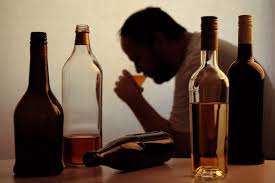

While it might seem that a few beers, a few glasses of wine, or a nightcap aid with sleep, they actually don’t. However, there are three good reasons not to consume alcohol especially not too much of it right before bed.
i. While it helps you asleep, alcohol disrupts your body’s natural sleep cycle later in the evening. This may result in less deep, rejuvenating Rem sleep for you
ii. Alcohol consumption causes all of the body’s muscles to relax, which can make loud snoring and obstructive sleep apnea worse
iii. Alcohol also has effect on the esophageal sphincter, a muscle. It usually result in acid reflux when it relaxes
2. Heavy Foods;
Meals that appear heavy in the stomach actually take longer to break down. Fried, and fatty foods might cause dyspepsia and keep you up at night steer clear of late day like cheeseburgers, fries, fried food, and sizable steaks
3. Foods with High Water Content;

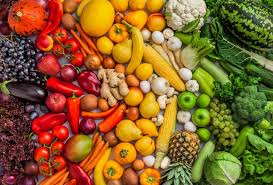
Sleeping diet
Getting up to use the restroom might seriously interfere with your sleep. Naturally, staying hydrated is essential to good health, but you don’t want to find yourself with a full bladder in the middle of the night. It is preferable to avoid eating anything rich in water content, even if the item is healthful. Cucumbers, watermelon, and celery are among them.
4. Foods with Hidden Caffeine;
Examine the nutrition information on the labels. Caffeine can be found in many foods, including ones you might not expect. Unless otherwise noted, tea and soda are often caffeine-containing beverages. Additionally, certain sweets and ice creams contain chocolate, coffee,or espresso caffeine containing food like chocolate, have stimulant effects. They lessens the amount of REM sleep you would typically get and make it harder to enter the deeper stages of sleep
5. Super Sugary Treats;


Sleeping diet
Yoyos with insulin can seriously disrupt sleep cycles. Because they can cause your blood sugar to surge and then plummet, excessively sugary snacks should be avoided for this reason, suger filled cereals, pastries, and candies are not recommended as bedtime snacks.
Summary
Aligning your eating habits with your circadian rhythm is the goal of a sleep diet. It stresses avoiding heavy, sugary, or caffeinated foods right before bed and eating foods high in tryptophan, magnesium, and natural melatonin. This method improves digestion, lowers inflammation during the night, and organically encourages peaceful, rejuvenating sleep.