Crime
Crimes and Classifications


Crimes and Classifications. Crimes are categorized in several ways. The subject matter of crimes can be used to classify them. For example, crimes like assault, rape, and violence frequently cause bodily harm to the victim, which is why they are classified as “crime against the person.” A crime may be classified as a “crime against property” if it has the potential to harm someone by depriving them of their property or causing property damage.
CRIMES AND CLASSIFICATIONS
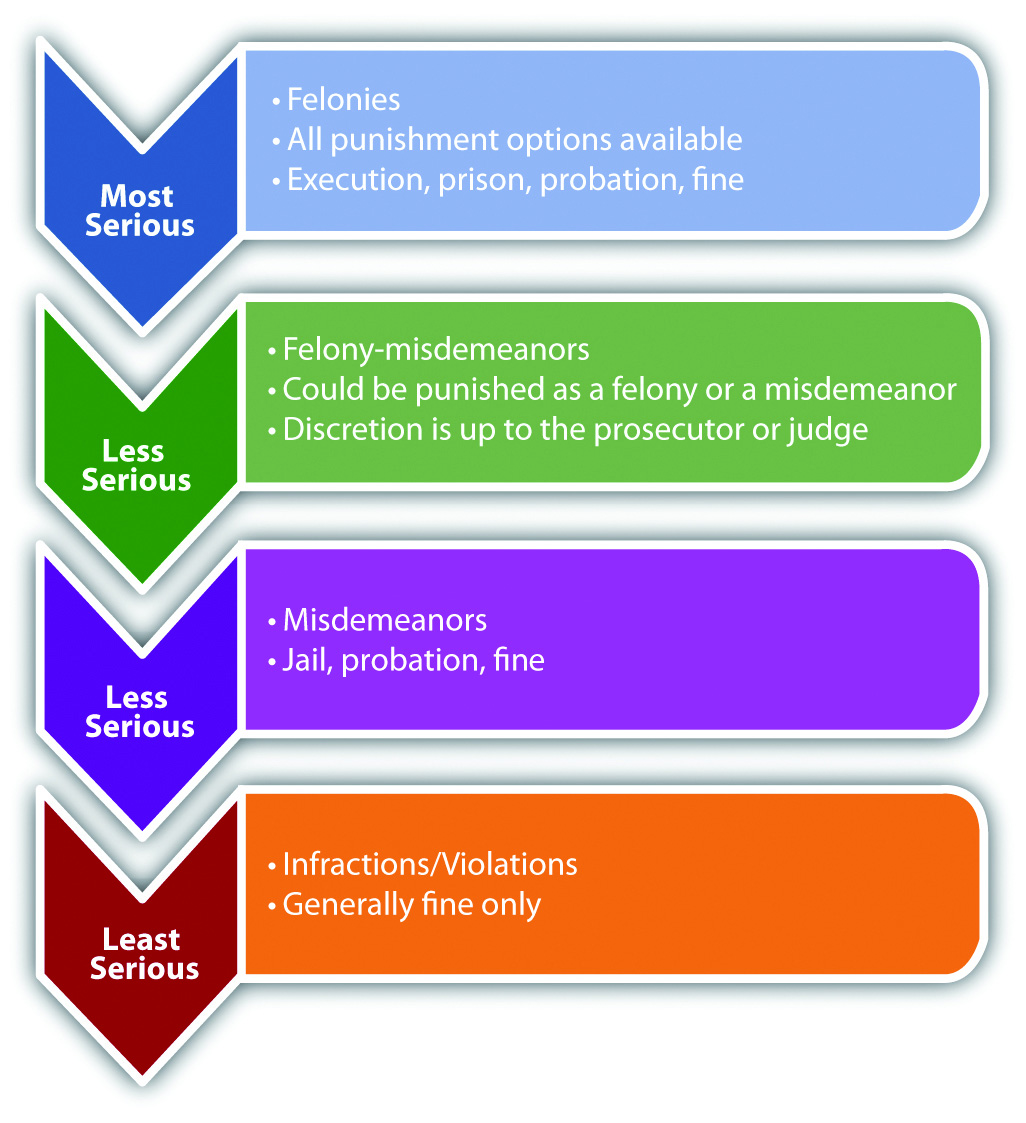
Crimes are mainly categorized into felonies, misdemeanors, and infractions based on their severity, a process known as grading. These classifications are primarily used for convenience; they are not required to comprehend criminal law.
Felonies

Crimes and Classifications
Although, felonies represent the gravest offenses. They either have an exceedingly terrible outcome, like the loss of life, severe injury, or destruction of property, or they are motivated by a horrible goal, like the desire to kill. Due to their seriousness, felonies receive the highest grade and are subject to all possible sentencing choices.
Misdemeanors

Crimes and Classifications
Meanwhile, whether the result is less severe or the intent requirement is lower, misdemeanors are less serious than felonies. A fine, a year or less in jail, or an alternative punishment like community service, probation, or rehabilitation are typically used to punish misdemeanors. A jail is run by a city or county government, but a prison is run by the state or federal government, depending on the nature of the offense.
Felony-Misdemeanors
However, the government may prosecute and punish crimes as either felonies or misdemeanors, depending on the specific circumstances surrounding the incident. These crimes are known as felony-misdemeanors. Judges often have the authority to decide whether to prosecute crimes.
Infractions

Also, the least serious crimes are known as violations or infractions, and they include infractions involving motor vehicles that result in a simple traffic ticket and jaywalking, among other minor infractions. A fee or an alternative punishment, such traffic school, is typically imposed.
Summary
Also, any deliberate act or behavior that contravenes criminal law and is subject to state or governmental punishment is considered a crime.




Crimes Classifications. Crimes are categorized in several ways. The subject matter of crimes can be used to classify them. For example, crimes like assault, rape, and violence frequently cause bodily harm to the victim, which is why they are classified as “crime against the person.” A crime may be classified as a “crime against property” if it has the potential to harm someone by depriving them of their property or causing property damage.
CRIMES CLASSIFICATIONS
Any act or action that violates the law is considered a crime. Because it harms society or other individuals, the state or government punishes this behavior. These classifications are primarily for convenience; they are not required to comprehend criminal law.
Felonies;

Although, felonies represent the gravest offenses. They either have an exceedingly terrible outcome, like the loss of life, severe injury, or destruction of property, or they are motivated by a horrible goal, like the desire to kill. Due to their seriousness, felonies receive the highest grade and are subject to all possible sentencing choices.
Misdemeanors;
Meanwhile, whether the result is less severe or the intent requirement is lower, misdemeanors are less serious than felonies. A fine, a year or less in jail, or an alternative punishment like community service, probation, or rehabilitation are typically used to punish misdemeanors. A jail is run by a city or county government, but a prison is run by the state or federal government, depending on the nature of the offense.
Felony-Misdemeanors;

Crimes Classifications
However, the government may prosecute and punish crimes as either felonies or misdemeanors, depending on the specific circumstances surrounding the incident. These crimes are known as felony-misdemeanors. Judges often have the authority to decide whether to prosecute crimes.
Infractions;
Also, the least serious crimes are known as violations or infractions, and they include infractions involving motor vehicles that result in a simple traffic ticket and jaywalking, among other minor infractions. A fee or an alternative punishment, such traffic school, is typically imposed.
Summary
Typically, crimes are categorized either by the type of harm they cause (e.g., violent, property, or statutory offenses) or by the degree of severity (e.g., felonies, misdemeanors, and infractions).

Athlete conviction of murder. A formal pronouncement of guilt in a court of law or a strong, unwavering belief are the two main definitions of a conviction. The phrase serves as a link between a person’s strong moral convictions and the legal ramifications of their actions.
ATHLETE CONVICTION OF MURDER
Oscar Pistorius, the former South African Paralympic and Olympic hailed as an inspirational figure until he was convicted of killing his girlfriend, was released on parole on Friday after more than seven years in prison.
Mr. Pistorius quietly left a Pretoria prison, away from the public glare that characterized his high-profile trial nearly a decade ago, and the subsequent stop-start legal proceedings that continued until his parole hearing last November.
Singabakho Nxumalo, a spokesman for the Department of Correctional Services, said in a statement released just after 8:30 a.m. local time that Mr. Pistorius was “now at home.” The authorities declined to disclose further details about his release, including when or how he had left the prison.

Mr. Pistorius was granted parole on the basis that he had served half of a 15-year sentence for murder. In 2013, Mr. Pistorius shot his girlfriend, Reeva Steenkamp, through a locked bathroom door before dawn, killing her.
The court case drew global headlines and intense interest. Mr. Pistorius, a double amputee, had gained international acclaim first as a Paralympic athlete and then for competing in the Olympic Games, and Ms. Steenkamp was a model and reality-television star.

Athlete conviction of murder
The trial, which was televised, spanned seven months. Audiences heard the testimony of almost 40 witnesses and watched as Mr. Pistorius sobbed in the South African courtroom.
More Reports on NYT
This week, the South African authorities emphasized that Mr. Pistorius’s “elevated public profile” would not afford him any special treatment. The authorities forbade him to speak to reporters, in line with regulations restricting media interactions.

Athlete conviction of murder
“Inmates and parolees are never paraded,” the department said in a statement.
Mr. Pistorius will be under parole supervision until 2029, when his sentence officially ends. Now 37, he is expected to live with his family, and must remain in Pretoria, South Africa’s administrative capital. He must also attend rehabilitation programs and is barred from consuming alcohol or any banned substances, the department said.
Summary
The Steenkamp family, who had previously opposed his release before changing their minds, claimed they found solace in his parole requirements, which include attending classes on anger management and gender-based violence.
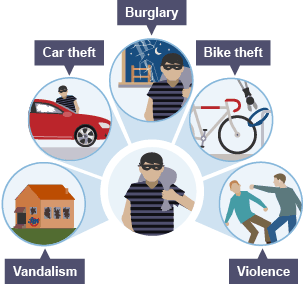

Types of crimes. Violent crimes (homicide, assault, rape), property crimes (burglary, theft, arson, vandalism), white-collar crimes (fraud, embezzlement, insider trading), cybercrimes (hacking, online scams), organized crimes (drug trafficking, human trafficking), and crimes against society (disturbing public order) are all broadly classified according to the harm they cause. Additionally, crimes are categorized according to their nature, such as statutory offenses or inchoate crimes (incomplete crimes), as well as their severity, ranging from small misdemeanors to serious felonies.
TYPES OF CRIMES
Crimes are categorized in a variety of ways. The subject matter of a crime might be used to classify it. For example, crimes such as assault, rape, and violence frequently cause physical harm to the victim, which is why they are classified as “crime against the person.” A crime may be classified as a “crime against property” if it has the potential to harm a person by depriving them of their property or causing property damage. These categories are primarily used for convenience; they are not required to comprehend criminal law.
Felonies;

TYPES OF CRIMES
Although, felonies represent the gravest offenses. They either have an exceedingly terrible outcome, like the loss of life, severe injury, or destruction of property, or they are motivated by a horrible goal, like the desire to kill. Due to their seriousness, felonies receive the highest grade and are subject to all possible sentencing choices.
Misdemeanors;

TYPES OF CRIMES
Meanwhile, whether the result is less severe or the intent requirement is lower, misdemeanors are less serious than felonies. A fine, a year or less in jail, or an alternative punishment like community service, probation, or rehabilitation are typically used to punish misdemeanors. A jail is run by a city or county government, but a prison is run by the state or federal government, depending on the nature of the offense.
Felony-Misdemeanors;
TYPES OF CRIMES
However, the government may prosecute and punish crimes as either felonies or misdemeanors, depending on the specific circumstances surrounding the incident. These crimes are known as felony-misdemeanors. Judges often have the authority to decide whether to prosecute crimes.
Infractions;
Also, the least serious crimes are known as violations or infractions, and they include infractions involving motor vehicles that result in a simple traffic ticket and jaywalking, among other minor infractions. A fee or an alternative punishment, such traffic school, is typically imposed.
Summary
Any voluntary, illegal act or omission that is forbidden by law and subject to state punishment is considered a crime. It entails a guilty deed (actus reus) and a guilty mentality (mens rea), which are typically prosecuted by government authorities and carry consequences like fines or incarceration.

Torchlight Selection

Best Practices for Face Exfoliation

Chemical Face Exfoliation

A Step-by-Step Guide to Deleting Reels on Instagram

A Comprehensive Guide to Setting Up a YouTube Premiere