
Career Guide
A Guide to Becoming a Successful Proofreader


Proofreading plays a crucial role in ensuring the accuracy, clarity, and professionalism of written content. From manuscripts and academic papers to websites and marketing materials, the demand for skilled proofreaders continues to grow in various industries. If you have a keen eye for detail, a passion for language, and a commitment to excellence, embarking on a career as a proofreader may be the perfect fit for you. This article serves as a comprehensive guide to help you navigate the path to becoming a successful proofreader.
1. Develop Strong Language Skills: 
A solid foundation in grammar, punctuation, spelling, and syntax is essential for effective proofreading. Enhance your language skills through formal education, self-study, and continuous practice. Invest time in reading widely across different genres and styles to familiarize yourself with various writing conventions and language nuances.
2. Hone Your Attention to Detail:

Becoming a successful proofreader or in Proofreading, it requires meticulous attention to detail to identify and correct errors in written content. Train yourself to spot inconsistencies, typos, and grammatical mistakes by reviewing texts systematically and methodically. Develop a systematic approach to proofreading, focusing on one aspect of the text at a time to ensure thoroughness and accuracy.
3. Familiarize Yourself with Style Guides:
Different industries and publications adhere to specific style guides and formatting conventions. Familiarize yourself with popular style guides such as the Chicago Manual of Style, AP Stylebook, and MLA Handbook, depending on the type of content you’ll be proofreading. Understand the rules and guidelines for punctuation, capitalization, citation formats, and other stylistic elements relevant to your field.
4. Acquire Proficiency in Proofreading Tools:
Utilize proofreading tools and software to streamline your workflow and enhance your efficiency as a proofreader. Invest in reputable proofreading software such as Grammarly, ProWritingAid, or Hemingway Editor to help identify spelling errors, grammatical mistakes, and style inconsistencies. While these tools can be invaluable aids, always rely on your judgment and expertise to make final editing decisions.
5. Practice Regularly:
Like any skill, proofreading improves with practice and repetition. Seek out opportunities to proofread a variety of texts, including articles, essays, reports, and marketing materials. Offer your services to friends, colleagues, or online platforms to gain experience and build your portfolio. Analyze feedback from clients or mentors to identify areas for improvement and refine your proofreading skills over time.
6. Develop Effective Communication Skills:
Effective communication is key when working with clients, authors, or editors. Clearly articulate your proofreading process, discuss project timelines and expectations, and provide constructive feedback in a professional and courteous manner. Cultivate strong interpersonal skills to establish trust and rapport with clients, fostering long-term relationships and repeat business.
7. Stay Updated and Adapt:

The publishing industry and language conventions are constantly evolving, so it’s essential to stay updated on industry trends, emerging technologies, and changes in language usage. Attend workshops, webinars, and conferences to expand your knowledge and network with fellow proofreaders and industry professionals. Adapt to new tools, techniques, and client preferences to remain competitive in the ever-changing landscape of proofreading.
Becoming a successful proofreader requires dedication, expertise, and a commitment to continuous improvement. By developing strong language skills, honing attention to detail, familiarizing yourself with style guides, acquiring proficiency in proofreading tools, practicing regularly, developing effective communication skills, and staying updated and adaptable, you can establish yourself as a trusted and sought-after proofreader. Embrace the challenges and opportunities of the proofreading profession, and let your passion for language and precision guide you towards success in this rewarding career path.













Babysitting guidelines. It is a fulfilling profession that calls for commitment, planning, and a proactive attitude to guarantee children’s safety and wellbeing. You may give exceptional care and establish a solid reputation as a dependable and trustworthy babysitter by adhering to these best practices and advice. Your care and attention can have a big impact on the lives of infants, toddlers, and older kids as well as the trust you develop with their families.
BABYSITTING GUIDELINES
Being a babysitter is a big job that calls for tolerance, dependability, and a sincere affection for kids. Knowing the best practices and crucial advice may help guarantee a fun and safe experience for both you and the kids you look after, regardless of your level of experience. Here’s a comprehensive guide to babysitting.
Getting Started;

1. Obtain Necessary Training:
– First Aid and CPR Certification: Enroll in a certified first aid and CPR course. These skills are crucial in handling emergencies and ensuring the safety of the children.
– Babysitting Classes: Many organizations, such as the Red Cross, offer babysitting courses that cover the basics of child care, safety, and emergency protocols.
2. Know the Family and the Children:
– Meet in Advance: Arrange a meeting with the family before your first babysitting job. This allows you to get to know the parents and children, understand their routines, and address any special needs or concerns.
– Learn About Preferences: Ask about the children’s favorite activities, allergies, bedtime routines, and any household rules.
Preparing for the Babysitting Job;

1. Create a Checklist:
– Emergency Contacts: Have a list of emergency contacts, including parents’ phone numbers, neighbors, and local emergency services.
– Medical Information: Know any medical conditions, allergies, and the location of first aid supplies.
– House Rules: Be aware of any specific household rules regarding screen time, snacks, and bedtime.
2. Bring a Babysitting Kit:
– Entertainment: Pack books, games, and activities that are appropriate for the children’s ages.
– Essentials: Include basic supplies like wipes, tissues, a flashlight, and any personal items you may need.
During the Babysitting Job

1. Keep Children Engaged:
– Interactive Activities: Engage the children in activities such as reading, arts and crafts, and outdoor play. This not only keeps them entertained but also helps build a positive relationship.
– Limit Screen Time: Encourage creative play over screen time. Use electronics sparingly and according to the parents’ guidelines.
2. Ensure Safety at All Times:
– Supervision: Always keep a close eye on the children, especially during playtime and meals. Avoid distractions such as phone calls or social media.
3. Follow the Routine:

Babysitting guidelines
– Meals and Snacks: Provide healthy meals and snacks according to the parents’ instructions. Be mindful of any allergies or dietary restrictions.
Handling Emergencies;
1. Stay Calm and Collected:
– Assess the Situation: Quickly evaluate the situation to determine the severity of the emergency.
2. Know When to Seek Help:
– Non-Emergency Issues: For non-emergency issues, contact the parents or designated emergency contact for advice and assistance.
– Behavioral Problems: If a child exhibits behavioral problems, stay calm and use positive reinforcement and redirection techniques. Avoid physical punishment or harsh language.
Building a Good Reputation;

Babysitting guidelines
1. Communicate Effectively:
– Feedback: Provide detailed feedback to the parents about the day’s activities, meals, and any incidents. This helps build trust and ensures transparency.
2. Be Reliable and Punctual:
– Arrive on Time: Punctuality is crucial in building a positive relationship with the family.
Summary
The main tenets of babysitting standards are active monitoring, safety, and open communication. Securing emergency contacts, adhering to the family’s strict house rules, and never leaving kids alone are important duties.

Requirements to become a Nurse. A nurse is a certified healthcare practitioner committed to promoting health, avoiding disease, and providing care for the ill, injured, or frail. They serve as the cornerstone of the medical system, providing evidence-based treatment and comprehensive care in hospitals, clinics, schools, and private homes either on their own or in conjunction with doctors and surgeons.
.REQUIREMENTS TO BECOME A NURSE
Starting a nursing career is an honorable and fulfilling path, but it has prerequisites to guarantee skill and higg quality patient care. This in depth blog post will walk you through all of the prerequisites for becoming a nurse, including training, certification, and personal qualities that are essential for success in this fast-paced field of healthcare.
Educational Requirements;

1. High school Diploma or Equivalent: Getting a high school diploma or its equivalent, such as a general Educational Development (GED) certificate, is the first requirement for becoming a nurse. It can help to have solid background in biology, chemistry and mathematics.
2. Prerequisite College Courses: Completing prerequisite course in anatomy, physiology, microbiology, and psychology is mandatory for many nursing programs. The fundamental knowledge required for nursing education is covered in these courses.
Nursing Degree Programs:

To become a nurse, one can follow one of several different educational pathways, each with specific requirements:
Nursing diploma: A few hopital provide two to three year nursing diploma programs. These days, though this path is less typical.
Bachelor of Science in Nursing (BSN): University based BSN programs normally last four years. BSN holders are more in demand in the nursing field and frequently have wider job options.
Clinical Experience And Training;

Requirements to become a Nurse
Clinical Rotations: As part of the nursing curriculum, students participate in practical clinical rotations that enable them to apply their theoretical knowledge in actual healthcare settings. These rotations include a wide range of disciplines, including pediatrics, obstetrics, and medical-surgical nursing.
Simulation Labs: A lot of nursing programs include simulation labs where students can hone their abilities in a safe setting. This offers a secure environment for honing clinical skills prior to working with real patients.
Professional Attributes And Skills;

Requirements to become a Nurse
Effective Communication: Being able to communicate well is essential for nurses. To guarantee coordinated and thorough care, nurses must communicate openly and effectively with patients, families, and other medical professionals.
Empathy & Compassion: As a compassionate vocation, nursing requires the capacity to sympathize with patients during difficult situations. In addition to fostering trust, compassion improves patient outcomes.
Critical Thinking: In order to evaluate situations, make wise judgments, and efficiently prioritize treatment, nurses need to be very proficient in critical thinking. Rapid thinking is frequently needed in fast-paced healthcare settings.
Summary
A state or regional practice license, a recognized nursing degree (such as an ADN or BSN), and passing the necessary national licensing exam (such as the NCLEX or Nursing and Midwifery Council of Nigeria examinations) are normally prerequisites for becoming a nurse.
Benefits of internships. Internships are life-changing experiences that position you for long-term success in your chosen professional path and prepare you for future employment chances. They are more than just résumé boosters. Internships offer a multitude of advantages that can advance your career, from obtaining practical experience and honing critical skills to growing your professional network and defining your career objectives. Investing in internship opportunities can be a wise and fulfilling choice that opens the door to a bright and exciting future, regardless of your status as a student, new graduate, or career changer.
BENEFITS OF INTERNSHIPS
For students and new graduates, internships are priceless chances to obtain practical experience, hone critical skills, and expand their professional networks. Internships provide several advantages beyond just boosting your résumé, even if they may be seen as stepping stones to future work. This post will discuss five important advantages of internships that can help you succeed in your chosen professional path over the long term and prepare you for your future employment.
1. Hands-On Experience;

One of the most significant benefits of internships is the opportunity to gain hands-on experience in your field of interest. Unlike classroom learning, internships provide practical, real-world exposure to industry-specific tasks, projects, and challenges. Whether you’re interning at a corporate office, a research lab, or a nonprofit organization, you’ll have the chance to apply theoretical knowledge to practical situations, develop technical skills, and learn from experienced professionals in your field. This hands-on experience not only enhances your understanding of industry practices but also boosts your confidence and competence as you prepare to enter the workforce.
2. Skill Development:
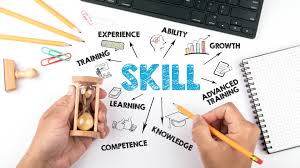
Internships offer a unique environment for skill development and refinement across various domains, including communication, teamwork, problem-solving, and time management. By actively participating in workplace activities, collaborating with colleagues, and taking on responsibilities, you’ll hone essential soft skills that are highly valued by employers. Additionally, internships provide opportunities to master technical skills specific to your field, whether it’s coding, data analysis, graphic design, or marketing. These acquired skills not only make you a more attractive candidate for future job opportunities but also equip you with the tools necessary to excel in your chosen career path.
3. Networking Opportunities:

Benefits of internships
Internships provide invaluable networking opportunities that can open doors to future job prospects and career advancement. Throughout your internship, you’ll have the chance to connect with professionals in your industry, including supervisors, mentors, colleagues, and fellow interns.
4. Resume Enhancement:
Internships serve as powerful resume builders, allowing you to showcase relevant experience and skills to potential employers. Listing internships on your resume demonstrates your commitment to your chosen field, as well as your ability to apply classroom knowledge to real-world settings. Moreover, internships provide concrete examples of your accomplishments, contributions, and achievements, which can differentiate you from other job candidates and make your resume stand out to hiring managers.
5. Career Exploration and Clarification:

Benefits of internships
Internships offer a valuable opportunity for career exploration and clarification, allowing you to test-drive different roles, industries, and work environments before making long-term career decisions. Through exposure to various aspects of the job, you’ll gain insights into your strengths, interests, and preferences, helping you make more informed career choices moving forward.
Summary
Important career benefits from internships include obtaining industry-specific abilities, gaining professional experience, and expanding one’s network. They aid in bridging the gap between classroom theory and practical application, which frequently results in increased job placement rates, enhanced confidence, and possible full-time work offers, as mentioned in Indeed and GSDRC’s Benefits of Doing an Internship.
Foods Rich in Zinc

Appetite Enhancement Tips

Nutritional Value of Rolled Oats

A Step-by-Step Guide to Deleting Reels on Instagram

A Comprehensive Guide to Setting Up a YouTube Premiere

How to Create a WhatsApp Group
-

 Health4 weeks ago
Harmful side effects of earphones
-

 Self esteem4 weeks ago
Tips for self esteem improvement
-

 Exercise4 weeks ago
Regular physical activities importance
-

 Business3 weeks ago
Local business promotion
-

 Health4 weeks ago
Headphones safety tips
-

 Entertainment3 weeks ago
Women and British dance music
Pingback: How to Locate Proofreading Jobs - SimplExplainer