
Food
Advantages of Eating Beans


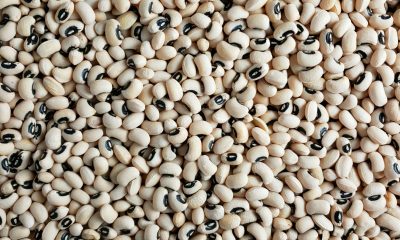
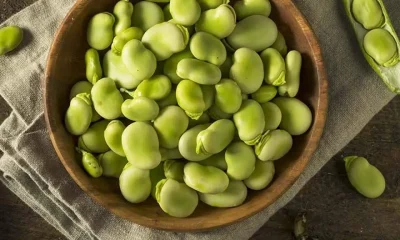
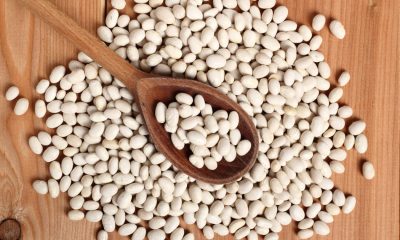
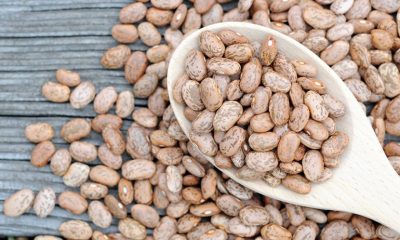
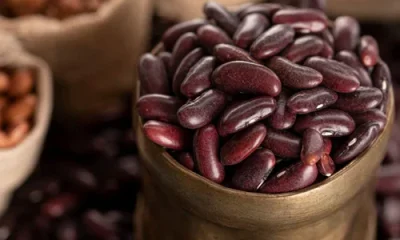
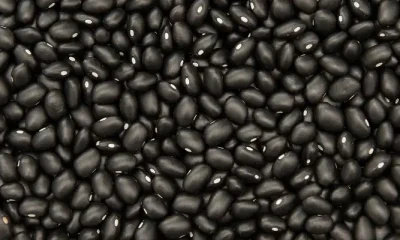
Advantages of eating beans. A plant that contains pods, beans are a nutrient-dense, practical, adaptable, and affordable legume. Beans have numerous health advantages, including lowering blood sugar and cholesterol and facilitating digestion, thanks to their special blend of fiber, protein, vitamins, and minerals.
ADVANTAGES OF EATING BEANS
Increasing your weekly intake of beans can help you reach your fiber goals. Depending on gender, 25–38 grams of fiber should be consumed each day.3 In addition, beans are high in calcium, magnesium, zinc, potassium, antioxidant, iron, folate, and more.
1. Reduced Cholesterol

Complex carbohydrates, including dietary fiber, are abundant in beans. Fiber lowers cholesterol, helps control blood sugar, regulates the bowels, and increases feelings of fullness. Like a sponge, soluble fiber absorbs liquids and forms a gel-like substance that draws cholesterol from the body.
2. A Good Iron Source
Plant-based iron, found in beans, serves a number of purposes. Neurological development, cellular activity, hormone synthesis, and physical growth all depend on iron. Nonheme iron, which is found in beans, is not well absorbed by the body. Nonetheless, consuming foods strong in vitamin C along with foods high in iron can improve absorption. Try some sautéed peppers with beans.
3. Lower Blood Pressure

Because they are naturally high in potassium and low in fat and sodium, beans may help decrease blood pressure. Potassium is an electrolyte that lowers blood pressure by promoting sodium excretion through urine and easing blood vessel wall tension.
4. Has Folate in It
The natural form of vitamin B9 is called folate. To reduce the risk of congenital defects, pregnant women must consume enough amounts of folate. Folate is also involved in DNA synthesis, homocysteine metabolism, and fast cell division.
5. Reduces the Chance of Type 2 Diabetes

About 11% of your magnesium requirements can be met by eating half a cup of beans. A necessary mineral, magnesium serves a variety of purposes in the body. It is a cofactor (coenzyme) in about 300 enzyme systems that are involved in the production of proteins, the regulation of blood pressure and sugar, and the function of muscles and nerves. Magnesium-rich diets are linked to a decreased risk of type 2 diabetes.
6. Boosts Immune Function
Polyphenols, which are chemicals with anti-inflammatory and antioxidant qualities, are abundant in plant-based meals like beans. Their function in immunological health is still being studied, though. Zinc, a necessary mineral that strengthens the immune system, is also found in beans.
7. Gut Health with Prebiotics

Pulses and beans contain a fiber called resistant starch. By stimulating the formation of fatty acids in the colon and encouraging the growth of good gut bacteria, it functions as a prebiotic. This can enhance the gut microbiome’s diversity of bacteria and other species, which is good for general health.
8. Maintains Bowels

Regular fiber-rich foods, such as beans, may give stool more volume and speed up its passage through the intestines.15 To lower the risk of gas and bloating, add modest amounts of beans gradually while drinking enough water if your diet is poor in fiber.
Summary
Beans, of which there are hundreds of varieties, are a nutrient-dense, handy, and adaptable supplement to most diets. Protein, fiber, minerals, and plant-based chemicals linked to improved intestinal health, lower blood pressure, blood sugar management, and other health benefits can be found in beans. Try preparing your own beans to manage the sodium amount, flavor, and texture. Choose low- or no-sodium canned or boxed alternatives if you are short on time and need something quickly.






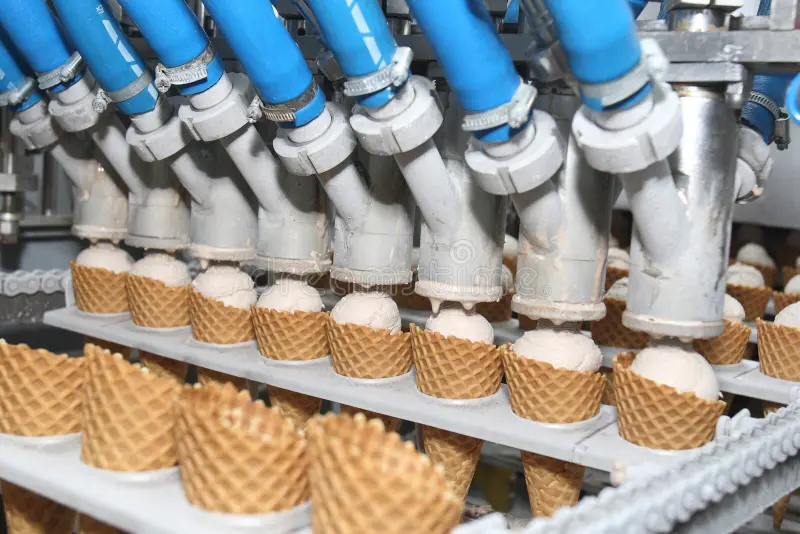
Ice cream and factory preparation. Ice cream is a frozen treat that is usually produced from milk or cream that has been flavored with fruit, like strawberries or peaches, or with a sweetener, like sugar or an alternative, and a spice, like chocolate or vanilla. Sometimes stabilizers are combined with food coloring. In order to integrate air gaps and stop observable ice crystals from forming, the mixture is chilled below the freezing point of water and agitated. It can also be produced by whisking a flavored cream base and liquid nitrogen together.
ICE CREAM AND FACTORY PREPARATION
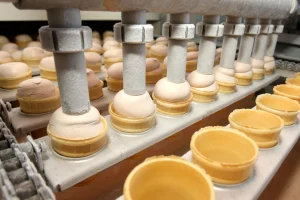
Factory ice cream manufacture comprises combining dairy ingredients, sugar, stabilizers, and emulsifiers, followed by pasteurization (\(72^{\circ }\text{C}\) for 30 min) and homogenization to make a smooth, safe base. The mixture is aged for four to twenty-four hours, flavored, churned in a continuous freezer to add air, and then hardened at -18°C or below.
Items you require Production needs include: * Dry storage for materials and packaging * Mixing/aging vat * Pasteurizer/homogenizer * Batch or continuous ice cream freezer * Packing machine/filler * Freezer room * Freezer store.
fat Taste, body, and texture are provided by fat. Certain items are categorized based on the kind and amount of fat they contain in accordance with laws. “Dairy ice cream” should have no additional fat and at least 5% milk fat.
More Tips;
Ice cream and factory preparation
Also, Solid nonfat milk Minerals, lactose, and proteins (casein and whey) make up non-fat milk solids. The ice cream’s structure and the processing’s ability to incorporate air are both facilitated by the proteins. Milk protein content in ice cream must be at least 2.5%.
sweeteners and sugar; To give sweetness and enhance texture, sugar is used. To get the appropriate sweetness in the finished product, a mixture of sugars (such as fructose, glucose, and sucrose) is typically utilized. Colors and tastes Almost all ice cream has flavors and colors added to it to improve its look and flavor, although these ingredients may also come from natural sources.
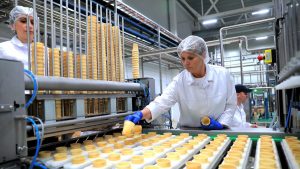
Ice cream and factory preparation
Additives and stabilizers; Emulsifiers enhance the whipping quality during mixing and aid in binding all the ingredients during the manufacturing process. Stabilisers enhance the assimilation of air. filling machines to wrapping machines
Summary
Making ice cream The next stage in creating ice cream is pasteurization, which comes after the ingredients are combined. The next stage is homogenization, which divides the fat into as many separate small fat globules as feasible. After homogenization, there is a cooling and aging phase. The fat crystallizes and all of the dry ingredients are moistened. Following air inclusion, the product is frozen in a continuous freezer. Approximately 50% of the water in the ice cream freezes when it comes out of the continuous freezer at -5˚C.


Traditional diets benefits. In contrast to today’s processed, convenience-focused foods, traditional diets are cultural eating patterns that have been refined over generations. They use local, whole, and minimally processed foods, emphasizing plants, seasonal variety, and traditional preparation methods. This often results in nutrient-rich meals that lower risks for modern chronic diseases like diabetes and heart disease. Fresh ingredients, a variety of local products (such as root vegetables, legumes, whole grains, fish, fruits, and wild greens), healthy fats, fermented meals, and bone broths that support gut health and sustainability are what define them.
TRADITIONAL DIETS BENEFITS
By emphasizing whole, unprocessed foods high in vitamins, minerals, fiber, and antioxidants, traditional diets promote gut health, increase immunity, lower the risk of chronic illnesses like diabetes, heart disease, and some types of cancer, and enhance cultural identity and general wellbeing. Compared to many contemporary diets, they offer a more balanced nutritional intake by emphasizing natural preparation techniques and a variety of products.
Benefits;

1. However, No processed, hydrogenated, refined, or denatured foods or substances (such as white flour, canned foods, pasteurized, homogenized, skim, or low-fat milk, protein powders.
2. Also, All traditional societies eat some form of animal food, including eggs, milk and dairy products, fish and shellfish, land and aquatic birds, land and marine mammals, and insects.

3. Foods rich in nutrients that contain four times the minerals, water-soluble vitamins, and ten times the fat-soluble vitamins present in animal fats compared to the typical American diet.
4. Meanwhile, All traditional cultures ingested certain animal it4. uncooked and cooked some of their food.
5. Lactose-fermented fruits, vegetables, dairy products, meats, and sauces are rich sources of food enzymes and beneficial bacteria that are found in primitive and traditional diets.
More Relevance;
6. However, To counteract naturally occurring anti-nutrients such tannins, phytic acid, and enzyme inhibitors, seeds, grains, and nuts are soaked, sprouted, fermented, or naturally leavened.

TRADITIONAL DIETS BENEFITS
7. Although, between 30 and 80 percent of calories in typical diets are fat, but only approximately 4% of those calories originate from naturally occurring polyunsaturated oils found in cereal, and vegetables.
8. Meanwhile, The necessary fatty acids omega-6 and omega-3 are present in almost equal proportions in traditional diets.

TRADITIONAL DIETS BENEFITS
9. There is some salt in every traditional diet.
10. However, Animal bones are utilized in all traditional civilizations; these are typically made into bone broths that are high in collagen.

TRADITIONAL DIETS BENEFITS
11. Also, Conventional societies provide specific, high-nutrient animal foods for expectant parents, growing children, and pregnant women; they also space out their children appropriately and instill in their youth the importance of eating a healthy diet.
Summary
Traditional foods are those that have been enjoyed for a long time or that have been passed down through the generations. Traditional meals and foods may have historical roots in another cuisine or in local, regional, or national cuisine. Restaurants serve traditionally prepared cuisine and beverages.
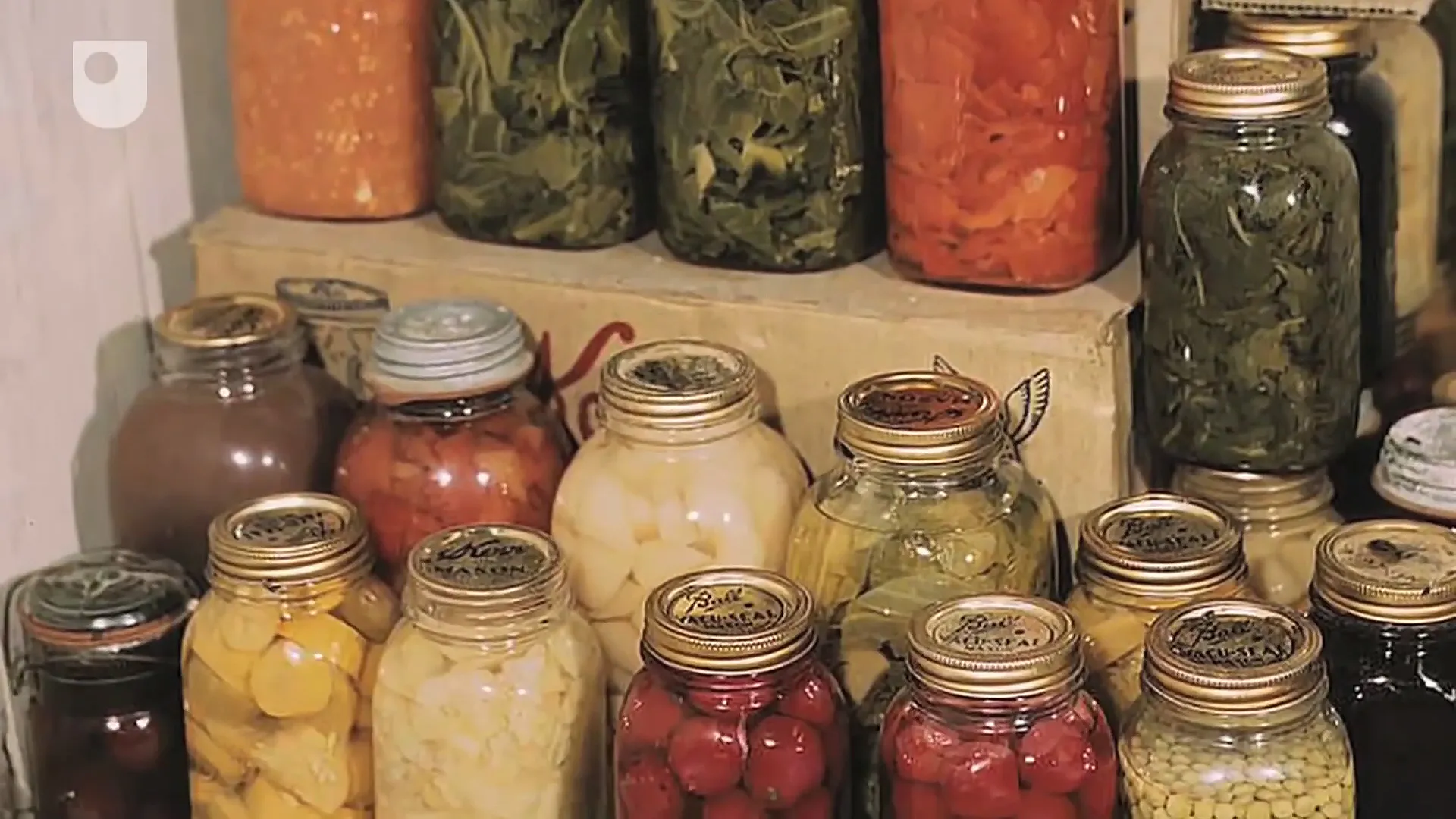
Methods of preserving foods. By suppressing bacteria and enzymes, drying, freezing, canning, fermenting, salting, or adding chemicals, food preservation procedures improve shelf life, reduce food waste, and ensure food security by keeping food safe and accessible for longer. Aiming to preserve food quality and safety over time, techniques range from antiquated ones like smoking and drying to contemporary ones like pasteurization, irradiation, and vacuum packing.
METHODS OF PRESERVING FOODS
We preserve food to extend its shelf life. This is because food spoils easily. It will go bad if it is not stored or eaten right away. It needs special care to maintain its nutritional value and last as long as possible. There are several methods for preserving food. In this blog, we look at seven alternative methods of food preservation. These methods improve the quality of our food when used correctly.
The Definition of Food Preservation;
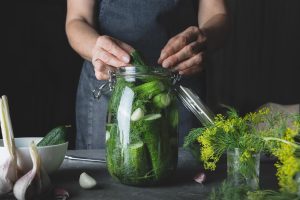
Food preservation, in its simplest form, is the management and treatment of food in order to prevent or reduce deterioration. Along with preventing food-borne infections, food preservation helps to preserve the nutritional content, flavor, and texture of food items.
chilly;
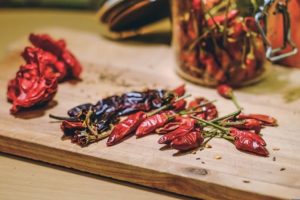
One of the simplest methods for preserving and ensuring food safety is to refrigerate it. Our refrigerators’ low temperatures inhibit the growth of microorganisms and lessen spoiling. Food that has been refrigerated can stay safe for a few days.
Cold-freezing;
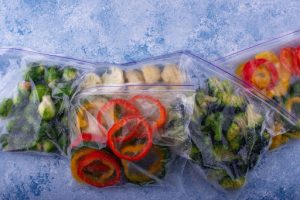
Although, Bacteria cannot grow in frozen environments. Thus, food can be preserved for a long period by freezing it properly. Years, to be precise. That being said, it’s definitely time to discard that frozen emergency pizza.
Sugarcoating;
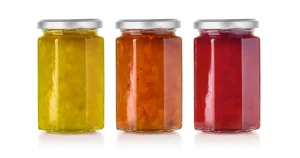
Methods of preserving foods
Meanwhile, food that has been heavily sugar-preserved has less water in it, which inhibits the growth of microorganisms. Sugar comes in granules, syrup, molasses, and honey forms. To make jams or relishes, fruits like apples and plums as well as vegetables like carrots are sugared. To preserve particular fish or meats, you can also add salt and sugar to the brine.
Adding salt;
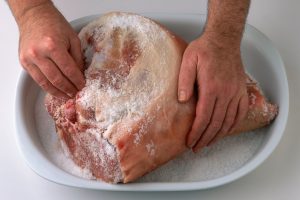
Methods of preserving foods
However, salt works wonders in extracting water from some meals. This inhibits the growth of germs, just as sugaring. Salt, water, and occasionally sugar are used to create wet curing. After adding food, this mixture is put inside cans. Meats like this are cured by immediately applying salt to them. Water is extracted in this way.
Canning;
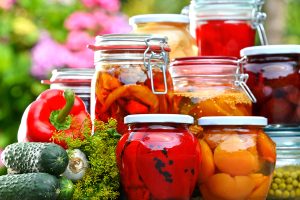
Methods of preserving foods
Also, foods preserved with this technique lose some of their oxygen. Baking is inhibited when food is kept in an environment that is airtight, acidic, high in salt, or sugar. Good quality and hygiene practices are required while handling canned food. Canning-specific jars are what you should use. To make sure they are airtight, this is being done.
Summary
Also, modern food preservation techniques include canning, freezing, pasteurization, pickling, and using chemical additives or vacuum sealing, all of which aim to reduce water, control temperature, or create inhospitable environments to extend shelf life. Prehistoric methods of food preservation prevent spoiling by inhibiting microbes through techniques like drying, salting, and fermentation.

Holidays and Vacations

Bilingual Education Impacts

Career Tips

A Step-by-Step Guide to Deleting Reels on Instagram

How to Create a WhatsApp Group





Pingback: What Causes Weakening of Bones - SimplExplainer