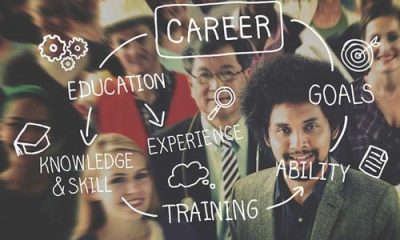
Career
Career Tips


Career tips. By establishing SMART goals, developing a solid professional network, and consistently picking up new skills, you may advance your career. Finding a mentor, asking for input on a regular basis, and keeping a proactive, solution-focused mindset are important tactics. Make work-life balance a priority, be flexible, and express your worth to leadership in an understandable manner.
CAREER TIPS
It takes time, patience, and training to pursue your chosen career, therefore having an optimistic mindset is essential. Regardless of how long you’ve been in your area or how recently you entered it, there are always opportunities for growth and advancement. Developing productive habits and formulating a plan to advance in your field may be made easier by reading career advice.
Career Advice;
1. One of these tips is to get outside of your comfort zone;

You get ready for your next career by attempting new things. Maybe you might try taking on challenging new duties that make you uncomfortable at first. Accept the process of developing more sophisticated skills for your position and the process of reskilling to pursue a different career.
2. Get to know new individuals;
It’s important to remember that every individual is important and deserving of your time and attention. Unexpected sources can present chances for advancement, recommendations, and growth. The connections you make with coworkers, for instance, may result in a recommendation for a permanent position that better suits your objectives if you’re working a temporary job outside of your Industry.
3. Be punctual;

CAREER TIPS
Try your best to arrive early and be prepared to finish the tasks you are given, even if you get weary of your job. If you show your willingness to work by arriving early, your employer may notice and appreciate your effort and you may continue to be on good terms.
4. Make learning a lifetime habit;
Regardless of where you are in your job, you can always learn more. Continuous learning helps you advance your abilities and develop the flexibility and adaptability you’ll need for your chosen vocation. In today’s workforce, a lot of individuals admire the ability to learn new things.
5. Review your professional trajectory annually;

CAREER TIPS
Examine new opportunities, update your network, and compare salaries approximately once a year.
6. Look for the good in criticism or comments. You may improve and advance in your job with each piece of feedback you get. career development plan
Summary
Instead of just one job, a career is the series of occupations, work experiences, education, and training that an individual undertakes throughout their lives. It is a long-term career path that allows for growth, personal development, and promotion, frequently within a particular sector or field.




Requirements to become a Nurse. A nurse is a certified healthcare practitioner committed to promoting health, avoiding disease, and providing care for the ill, injured, or frail. They serve as the cornerstone of the medical system, providing evidence-based treatment and comprehensive care in hospitals, clinics, schools, and private homes either on their own or in conjunction with doctors and surgeons.
.REQUIREMENTS TO BECOME A NURSE
Starting a nursing career is an honorable and fulfilling path, but it has prerequisites to guarantee skill and higg quality patient care. This in depth blog post will walk you through all of the prerequisites for becoming a nurse, including training, certification, and personal qualities that are essential for success in this fast-paced field of healthcare.
Educational Requirements;

1. High school Diploma or Equivalent: Getting a high school diploma or its equivalent, such as a general Educational Development (GED) certificate, is the first requirement for becoming a nurse. It can help to have solid background in biology, chemistry and mathematics.
2. Prerequisite College Courses: Completing prerequisite course in anatomy, physiology, microbiology, and psychology is mandatory for many nursing programs. The fundamental knowledge required for nursing education is covered in these courses.
Nursing Degree Programs:

To become a nurse, one can follow one of several different educational pathways, each with specific requirements:
Nursing diploma: A few hopital provide two to three year nursing diploma programs. These days, though this path is less typical.
Bachelor of Science in Nursing (BSN): University based BSN programs normally last four years. BSN holders are more in demand in the nursing field and frequently have wider job options.
Clinical Experience And Training;

Requirements to become a Nurse
Clinical Rotations: As part of the nursing curriculum, students participate in practical clinical rotations that enable them to apply their theoretical knowledge in actual healthcare settings. These rotations include a wide range of disciplines, including pediatrics, obstetrics, and medical-surgical nursing.
Simulation Labs: A lot of nursing programs include simulation labs where students can hone their abilities in a safe setting. This offers a secure environment for honing clinical skills prior to working with real patients.
Professional Attributes And Skills;

Requirements to become a Nurse
Effective Communication: Being able to communicate well is essential for nurses. To guarantee coordinated and thorough care, nurses must communicate openly and effectively with patients, families, and other medical professionals.
Empathy & Compassion: As a compassionate vocation, nursing requires the capacity to sympathize with patients during difficult situations. In addition to fostering trust, compassion improves patient outcomes.
Critical Thinking: In order to evaluate situations, make wise judgments, and efficiently prioritize treatment, nurses need to be very proficient in critical thinking. Rapid thinking is frequently needed in fast-paced healthcare settings.
Summary
A state or regional practice license, a recognized nursing degree (such as an ADN or BSN), and passing the necessary national licensing exam (such as the NCLEX or Nursing and Midwifery Council of Nigeria examinations) are normally prerequisites for becoming a nurse.
Personal advisor and business owner. Becoming a personal advisor to a business owner is a dynamic and complex process that calls for a special combination of knowledge, compassion, and strategic insight. A personal advisor’s responsibilities as a strategic partner and trusted confidant include helping business owners make difficult financial decisions, providing specialized solutions to deal with their particular problems, and enabling them to realize their long-term objectives.
PERSONAL ADVISOR AND BUSINESS OWNER
In order to enhance corporate performance and personal wealth, a personal adviser for a business owner provides strategic advice, serves as a sounding board for important choices, analyzes market trends, and manages risks. Their areas of expertise include financial planning, cash flow optimization, and helping solopreneurs migrate to sustainable enterprises. The key traits and abilities required to succeed in this position, the duties and demands of advising business owners, and the chances for both professional and personal development along the road will all be covered in this introduction.
1. Expertise in Business and Finance:

A deep understanding of business principles, finance, and economics is essential for providing valuable advice to business owners. This includes knowledge of financial statements, budgeting, cash flow management, taxation, investment strategies, and risk management. Continuous learning and staying updated on industry trends and regulations are also crucial for maintaining relevance and credibility.
2. Strong Communication Skills:
Effective communication is vital for building trust, rapport, and understanding with business owners. As a personal adviser, you must be able to articulate complex financial concepts in a clear and concise manner, listen attentively to the needs and goals of your clients, and communicate recommendations and strategies in a way that aligns with their vision and values.
3. Client Relationship Management:

Personal advisor and business owner
Building and maintaining strong relationships with business owners is key to success in this role. This involves being responsive, reliable, and accessible to clients, demonstrating empathy and understanding, and proactively anticipating their needs. Developing a personalized approach to client service and consistently delivering value-added solutions can help foster long-term partnerships and referrals.
4. Analytical and Problem-Solving Skills:
Business owners often face complex challenges and decision-making dilemmas, and they rely on their personal advisers to provide strategic guidance and solutions. Strong analytical and problem-solving skills are essential for evaluating financial data, identifying opportunities and risks, and devising effective strategies to achieve business objectives. This may involve scenario planning, financial modeling, and risk assessment to inform decision-making and mitigate potential pitfalls.
5. Ethical Standards and Integrity:

Personal advisor and business owner
Trust is the foundation of any successful advisory relationship. And maintaining the highest ethical standards and integrity is paramount. Personal advisers must act with honesty, transparency, and objectivity in all dealings with clients. avoiding conflicts of interest and putting the client’s interests above their own. Upholding professional standards and adhering to industry regulations. And codes of conduct are essential for building credibility and trustworthiness as a trusted adviser.
Summary
Aspiring personal advisers can set themselves up for success by developing these qualities and assets. in helping entrepreneurs reach their financial objectives and ambitions. maintaining knowledge and always improving your abilities. Additionally, cultivating deep connections with clients is essential to long-term success in this fulfilling field.

Roles of personal assistants. They play dynamic, diverse roles that need for a special combination of administrative skills. strategic thinking, judgment, and communication abilities. Whether it’s scheduling, project management, or strategic assistance. Personal assistants are essential to the success and efficiency of their employer’s business and personal initiatives. Personal assistants, who exemplify the true essence of behind-the-scenes greatness, greatly contribute to the success and well-being of individuals they help by their dedication, professionalism, and commitment to excellence.
ROLES OF PERSONAL ASSISTANTS
Every successful person has a capable and committed personal assistant behind them. In order to help executives, business owners, celebrities, and other prominent people manage their personal and professional lives, personal assistants are essential. Personal assistants play a variety of functions that are crucial to the seamless running of both personal and professional lives, from managing administrative duties to offering strategic support.
1. Administrative Support:

At the core of the personal assistant’s role is providing comprehensive administrative support to their employer. This includes managing calendars, scheduling appointments, coordinating meetings, handling correspondence, and organizing travel arrangements. Personal assistants must possess excellent organizational skills, attention to detail, and the ability to prioritize tasks effectively to ensure that their employer’s schedule runs seamlessly.
2. Communication Liaison:

Personal assistants often serve as the primary point of contact for their employer, both internally and externally. They may screen and prioritize phone calls, emails, and other communications, relaying important messages and inquiries to the appropriate parties. Strong communication skills are essential for personal assistants to effectively convey information and represent their employer professionally in various interactions.
3. Information Management:

In today’s digital age, personal assistants are responsible for managing vast amounts of information on behalf of their employer. This may involve organizing files, maintaining databases, tracking expenses, and preparing reports or presentations. Personal assistants must be proficient in using productivity tools and software to streamline information management processes and ensure data accuracy and accessibility.
4. Project Coordination:

Roles of personal assistant
Personal assistants often play a pivotal role in coordinating projects and initiatives on behalf of their employer. This may involve overseeing timelines, delegating tasks to other team members, conducting research, and monitoring progress to ensure that deadlines are met and objectives are achieved. Strong project management skills are crucial for personal assistants to effectively navigate complex projects and drive them to successful completion.
5. Confidentiality and Discretion:

Roles of personal assistant
Personal assistants are entrusted with sensitive and confidential information about their employer and their affairs. It is imperative for personal assistants to exercise discretion and maintain strict confidentiality in all aspects of their work. This includes handling confidential documents and communications with the utmost professionalism and integrity, safeguarding their employer’s privacy and reputation at all times.
6. Strategic Support:

Roles of personal assistant
Beyond administrative tasks, personal assistants often provide strategic support to their employer by anticipating needs, identifying opportunities, and offering valuable insights and recommendations. This may involve conducting research, preparing briefing materials, and assisting with decision-making processes. Personal assistants serve as trusted confidants and advisors, playing a critical role in helping their employer navigate challenges and capitalize on opportunities.
Summary
To increase productivity, a Personal Assistant (PA) offers executives or people complete administrative and logistical help. Managing hectic schedules, responding to letters, planning travel, creating reports, and overseeing daily work are important duties. They serve as the main point of contact, guaranteeing efficient operations.

Earth Frozen Frontiers

Natural Majestic Wonders

Daily Life Hacks

A Step-by-Step Guide to Deleting Reels on Instagram

A Comprehensive Guide to Setting Up a YouTube Premiere