
adventure
Adventure Survival Tips

ADVENTURE SURVIVAL TIPS
Adventure survival tips. The most important rule for successful traveling is to be ready for everything, whether you’re heading to the mountains or starting your longest hike to yet. It might be thrilling to discover the beauties of nature, but in order to have a safe and fun journey, you must be prepared with outdoor survival skills.
ADVENTURE SURVIVAL TIPS
We’ll explore crucial advice in this post that every intrepid traveler needs to be aware of in order to survive and thrive in the wild. Before you put on your boots and venture into the wilderness, let’s quickly review some essential survival advice. We go over everything you might need to know to meet any obstacle head on, from preparation to mastering key skills.
1. Get ready and make a plan in advance
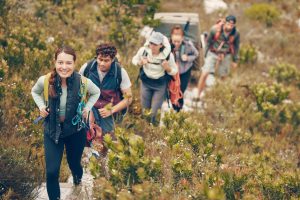
Examine the climate and surroundings. Spend some time learning about the local climate and environment before venturing into the bush. You can make better decisions and be more ready for what’s ahead if you have a thorough understanding of the terrain, fauna, and potential threats. Check the trail conditions, weather predictions, and any other pertinent information for the area you plan to explore.
2. Learn how to navigate
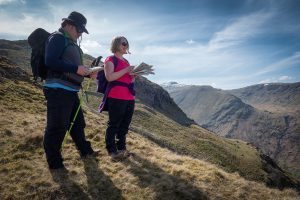
Learn how to use GPS devices, maps, and compasses. For navigating in the outdoors, maps, compasses, and GPS units are necessary equipment. Learn how to read topographic maps and become familiar with the scale, contour lines, and symbols. To find your direction and orient yourself, learn how to use a compass. Additionally, before your excursion, spend some time learning how GPS devices work and practicing their use. These resources will serve as your traveling companions, assisting you in staying on course and arriving at your intended locations.
3. Construct a shelter
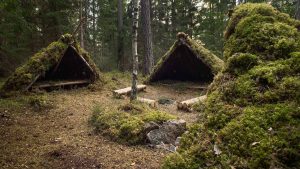
Finding appropriate shelter sites Selecting the ideal site for your shelter is essential. Seek out places that offer natural defense, like the leeward side of cliffs or hills. Steer clear of low-lying, flood-prone places. Make a note of any possible dangers, such as fallen trees or loose stones. You may improve your shelter’s efficiency and protect yourself from environmental dangers by picking a good spot.
4. Locate and clean water
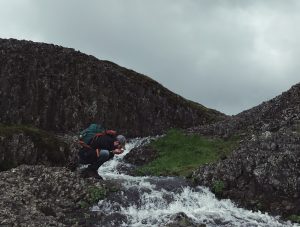
In the wild, locating water sources can save lives. Look for evidence of water, such as plants, animal traces, or sunk earth, which could point to the existence of subterranean springs. You may be able to locate a nearby stream or river by listening for the sound of flowing water. Melting snow or ice can potentially be used as a source of water if you’re close to mountains. Always look for water as soon as you can, and be proactive in your search. Avoid dehydration.
5. Light a fire

In a survival scenario, fire has several uses. It helps with food preparation, serves as a signal for rescuers, provides warmth on chilly evenings, and provides psychological support. Additionally, fire can offer a sense of security in the dark and deter hazardous creatures. Knowing the value of fire and its many uses can help you prioritize it in your survival attempts.
6. Keep an optimistic attitude

Having a positive outlook can be your greatest strength in survival situations. Here are some tips for developing mental toughness and maintaining concentration during adventures.
Summary
Keep in mind that this is only the start of your survival quest. Regular practice and improvement of these abilities are crucial. Remain inquisitive, keep learning, and look for chances to expand your understanding of surviving.
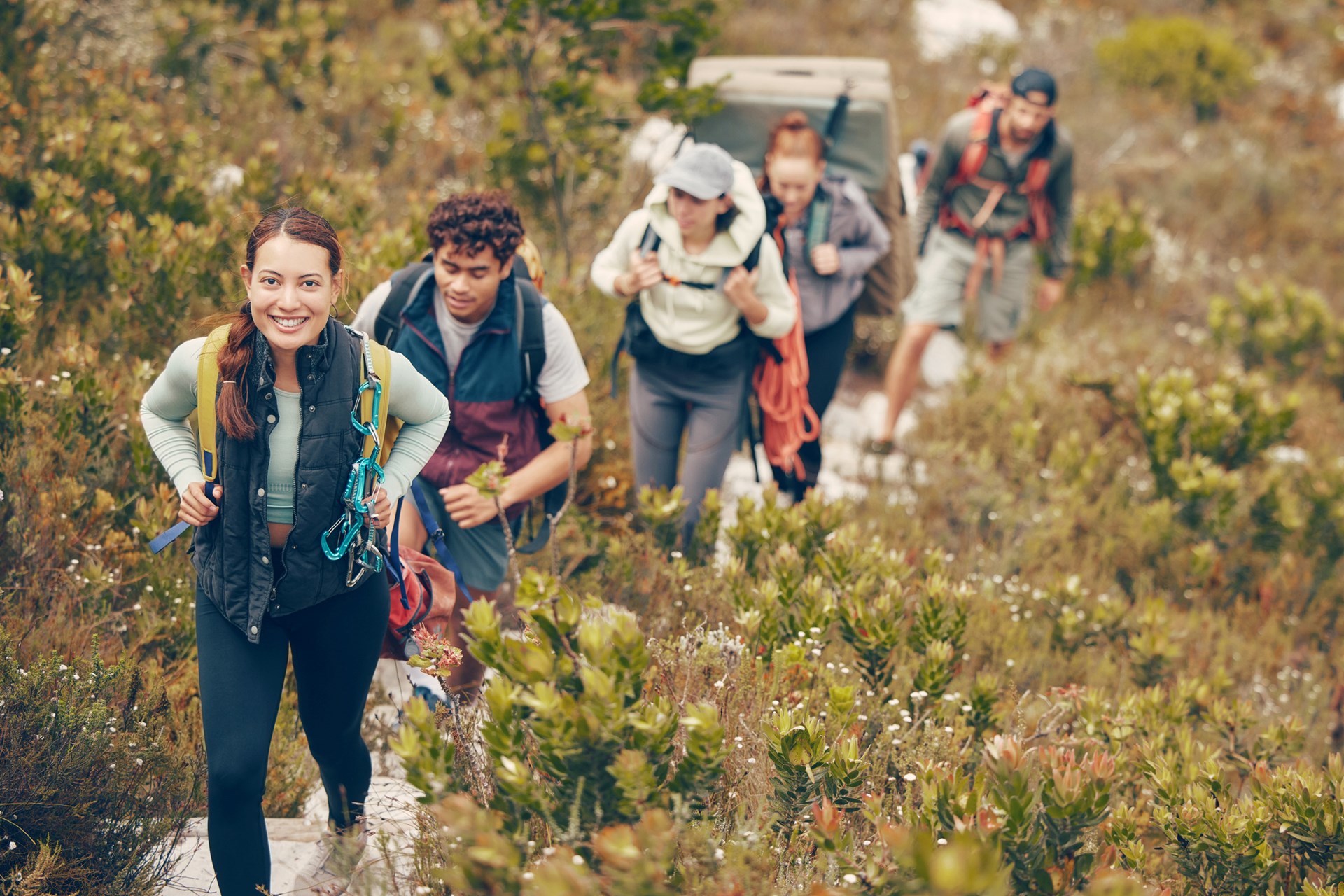
Hiking tips. Plan your route, check the weather, share your plans with someone, and include necessities like water, snacks, first aid, and navigational aids for a safe and enjoyable hike. Stay on designated trails, wear appropriate footwear, dress in layers for changeable circumstances, and follow the “Leave No Trace” philosophy by packing out all rubbish and showing consideration for wildlife. Know your boundaries, pace yourself with brief pauses, and be ready to go back if things get worse.
HIKING TIPS
Hiking is one of the best activities in the vast outdoors. The country’s more than 400 national parks offer a variety of hiking choices. Whether you are hiking alone or in a group, be sure to follow the written and unwritten rules of the path. Appropriate hiking behavior promotes respect for other route users and environmental management. The “golden rule,” which says that you should treat people as you would like to be treated, is the finest advise for hiking.
Definition;
Hiking tips
This is an outdoor recreational activity that involves walking through natural settings. Additionally, it is a type of physical activity and exercise that enhances well-being and health.
Hiking Code Edition;
1. Recognize your rights;
Make sure you follow the proper right-of-way yields and consult the trail’s signage before trekking. These are the main rules for yielding on trails; signs may differ depending on the park.
2. Introduce yourself;
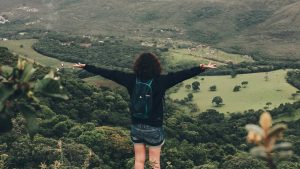
Hiking tips
Give a kind “hello” or a straightforward head nod to other walkers and trail users that you come across. This contributes to the pleasant vibe along the trail. When approaching a fellow hiker from behind, make sure to declare your presence in a composed and kind manner and inform them of your intention to pass.
3. Remain on the path;
When surrendering, don’t stray off the path unless it is necessary. Going off route might harm the surrounding ecosystems and cause the extinction of some plant and animal species.
4. Avoid upsetting the wildlife;
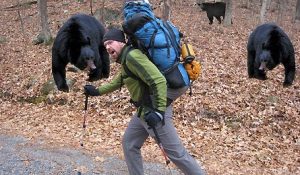
Hiking tips
You need your space, and they need theirs. When you come across wildlife, keep your distance from it.
5. Give listening some time;
When trekking in the vast outdoors, allow the natural world to speak for itself.
Summary
A hike is a lengthy, strenuous stroll, typically on rural pathways or trails. The eighteenth century saw the development of leisure walking in Europe. For a much longer period of time, religious pilgrimages have included lengthy hikes.

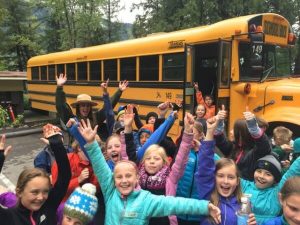
School trip safeguards. Pre-trip preparation, on-site rules like staying together and listening to adults, post-trip review, and health and safety (first aid, allergies, hydration), security (buddy systems, designated meeting places, avoiding strangers), and logistical checks (transport, emergency contacts) are all part of school trip safeguards, which include thorough planning, clear communication, and stringent supervision.
SCHOOL TRIP SAFEGUARDS
A field trip or excursion is a trip taken by a group of related peers, such as coworkers or students, to a location outside of their regular surroundings for fun or education, either domestically or overseas. It is also referred to as a school tour in Ireland and a school trip in the UK, Australia, Kenya, New Zealand, and Bangladesh when it is organized for pupils by the school administration.
Meaning of Safeguard;

A safeguard is an action or precaution used to stop, damage, or injury.
Trip to School Definition;
School travels, sometimes referred to as field trips, are planned expeditions that allow students to experience and see new things.
Safeguards;
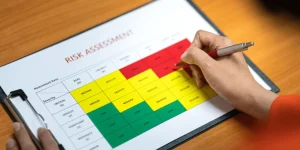
SCHOOL TRIP SAFEGUARDS
1. Pick a secure area and safe pursuits. The venue and activities selected should be suitable for the participants’ age and typically free of any risks or hazards 2. Request the signing of a no objection form from parents or legal guardians to confirm that they have been informed about and agree to their child’s involvement in the trip.
2. Make sure the teacher is accompanied by a capable helper. Having multiple adults accompany the field trip would be much more beneficial. 4. Split up the class into groups, then designate group prefects. Group prefects are responsible for monitoring their fellow group members, helping to resolve conflicts, and handling unforeseen circumstances.
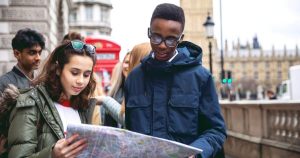
SCHOOL TRIP SAFEGUARDS
3. Also, describe to the pupils the locations they will be going. Students can better prepare for the field trip by dressing appropriately and bringing appropriate footwear, for example, if they are aware of the destination. Inform pupils of what to do if they split off from the group. This can assist them in maintaining their composure and attention, which helps lessen any fear or confusion that could otherwise occur.
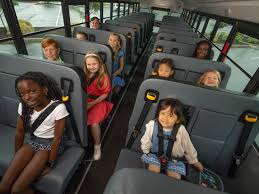
SCHOOL TRIP SAFEGUARDS
4. Meanwhile, bring refreshments and energy drinks. Students are less likely to get hurt or have accidents when they have access to proper nourishment and water, which helps them stay focused and alert.
8. Pack first aid supplies. Having basic medical supplies on hand can help save minor injuries
Summary
safeguards for field trips. Field trips provide students with chances for experiential learning that are not available in the classroom. However, these outings also expose students to a variety of potentially hazardous environments and situations.
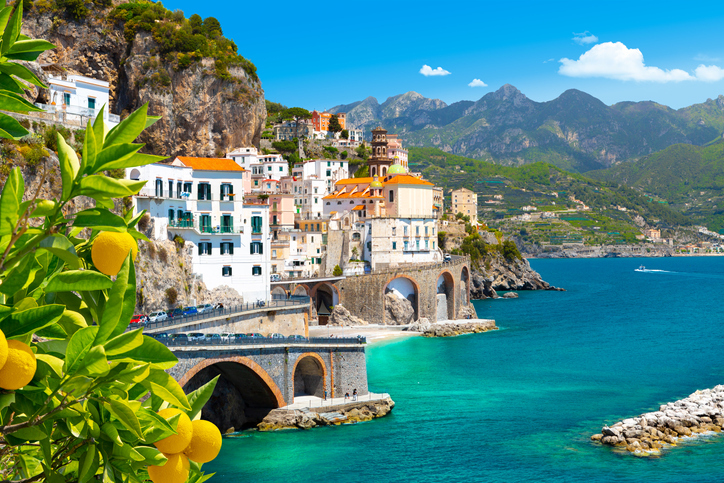
Top travel destinations. the top places to visit. Do you have visions of your next destination? Around the world, a plethora of amazing experiences are waiting for you to book them. A tourist destination is a location on Earth that attracts tourists due to its special qualities and allure. It is defined as a region that attracts tourists due to its built-up, recreational, and natural qualities. Scholars have proposed many definitions of a tourist destination based on topographical, economic, social, and administrative characteristics. Additionally, a tourist site is viewed as something that requires management, is susceptible to natural forces, and calls for strategic planning and marketing tactics.
TOP TRAVEL DESTINATIONS
Budget-friendly travel options include Southeast Asian treasures like Bali and Cambodia, as well as varied locations in Mexico, Portugal, and Egypt’s Hurghada. Popular travel destinations include famous cities like Paris, Rome, and Tokyo, as well as natural wonders like Machu Picchu (Peru), the Galapagos Islands, and the Swiss Alps. Think of Istanbul and India’s Golden Triangle (Delhi, Agra, and Jaipur) for culture; the Maldives, Bora Bora, or the Caribbean for beaches; and Costa Rica, New Zealand, or Patagonia for adventure.
The Best Destinations;
1. Chile, Argentina, and Patagonia
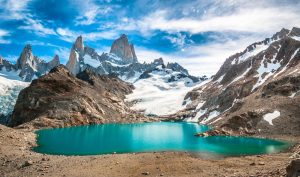
The untamed lands of Patagonia are a refuge for nature lovers seeking unmatched splendor. This isolated area entices travelers with its towering hills, breathtaking glaciers, and pure lakes.
2. Mexico’s Cancun
Cancun has long been praised for its immaculate beaches, stunning turquoise waters, and exciting nightlife. with the ideal balance of excitement and leisure.
3. Japan’s Kyoto
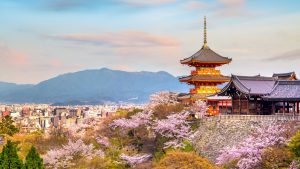
Top travel destinations
Kyoto, a city rich in culture and tradition, draws tourists with its ancient temples, tranquil parks, and fascinating geisha districts.
4. Greece’s Santorini
Santorini is a dream destination for many because of its famous white-washed structures, blue-domed churches, and stunning sunsets.
5. India
Peru, a country rich in historical cultures and stunning scenery, captivates tourists with its ethereal charm.
6. Portugal’s Lisbon

Top travel destinations
Travelers looking for a distinctive European experience have recently taken an interest in Lisbon, the energetic city of Portugal.
7. Indonesia’s Bali
Bali’s appeal as a dream vacation spot never wanes, drawing visitors with its magnificent scenery, deep cultural legacy, and spiritual retreats. Read Best Vacations Methodolog
Importance;

Top travel destinations
It produces enduring sensations and memories.
2. Offers fresh concepts and experimentation.
3. Traveling inspires bravery.
4. It strengthens bonds with others.
5. It fosters greater creativity.
6. You can sample traditional meals while traveling.
7. Immersion in culture
8. Individual growth
9. Traveling reduces anxiety and tension.
Summary
According to recent travel lists for 2025–2026, top travel destinations vary by interest but consistently include famous cities like Paris, Rome, London, and Tokyo along with natural wonders like the Maldives, Swiss Alps, Great Barrier Reef, and Machu Picchu. Emerging favorites for adventure include South Korea, Vietnam, and Costa Rica.

Exam success tips for waec

Tips for jamb success

Plastic water bottle hazards

A Step-by-Step Guide to Deleting Reels on Instagram

A Comprehensive Guide to Setting Up a YouTube Premiere

How to Create a WhatsApp Group
-

 Social media2 weeks ago
How to Delete Reels on IG
-

 Social media1 week ago
Tips for likes and Followers on Facebook
-

 Social media1 week ago
Guidelines for Creating a Facebook Page
-
 Social media1 week ago
Tips on how to Archive Instagram Post
-
 Photography1 week ago
Photography and Outdoors
-

 Social media2 weeks ago
Guidelines for Uploading Videos on Youtube