tooth health
Analysing Oral Thrush

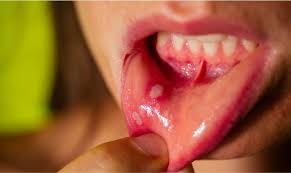
Analysing oral thrush. A fungal infection known as oral thrush, or oral candidiasis, is brought on by an excess of Candida yeast in the mouth. It frequently affects the oral cavity’s mucous membranes, resulting in the formation of elevated, white or creamy lesions on the tonsils, gums, roof of the mouth, inner cheeks, and tongue. A weaker immune system, the use of antibiotics, diabetes, wearing dentures, and certain illnesses or drugs that decrease the immunological response are common risk factors for oral thrush.
ANALYSING ORAL THRUSH
An overabundance of Candida yeast, most frequently Candida albicans, causes oral thrush, also known as oropharyngeal candidiasis, a fungal illness of the mouth and throat. It is distinguished by creamy white lesions that resemble cottage cheese and are usually found on the tongue or inner cheeks. While frequent in newborns, elderly individuals, and those with compromised immune systems, it is curable with antifungal medicine.
Symptoms:
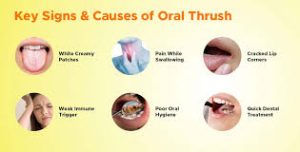

1. White Lesions: The appearance of creamy, white lesions on the tongue, inner cheeks, gums, tonsils, or roof of the mouth.
2. Redness and Discomfort: Infected areas may appear red and can be associated with discomfort, a burning sensation, or irritation.
3. Difficulty Swallowing:


In some cases, oral thrush may lead to difficulty swallowing or a feeling of having a lump in the throat.
4. Altered Taste: An affected individual may experience changes in taste perception.
5. Cracking and Redness at Corners: Angular cheilitis, characterized by redness and cracking at the corners of the mouth, can occur.
Below are ome remedies:
1. Antifungal Medications: Over-the-counter or prescription antifungal medications, such as oral rinses or lozenges, are often used to treat oral thrush. These medications help to control the growth of the Candida yeast.
2. Good Oral Hygiene:


ANALYSING ORAL THRUSH
Maintain good oral hygiene practices, including regular brushing of teeth, gums, and tongue. Use a soft toothbrush to avoid irritation.
3. Saltwater Rinse: Rinse your mouth with a warm saltwater solution. This can help soothe the affected areas and may have mild antifungal properties.
4. Probiotics: Incorporate probiotic-rich foods or supplements into your diet. Probiotics can help restore the balance of healthy bacteria in your mouth.
5. Gentle Brushing of Lesions:


ANALYSING ORAL THRUSH
Gently brush the white lesions with a soft toothbrush to remove the plaques. Be careful not to cause further irritation.
6. Limit Sugar Intake: Reduce your intake of sugary foods and beverages, as sugar can promote the growth of Candida.
7. Stay Hydrated: Drink plenty of water to help maintain a moist environment in the mouth and promote overall oral health.
8. Avoid Irritants:

ANALYSING ORAL THRUSH
Avoid tobacco and limit alcohol intake, as these can irritate the mouth and compromise the immune system.
9. Denture Care: If you wear dentures, clean them thoroughly and remove them at night. Ensure proper hygiene to prevent reinfection.
Treatment often involves antifungal medications, such as oral antifungal rinses or lozenges. Maintaining good oral hygiene practices and addressing underlying health conditions can help prevent and manage oral thrush. Consultation with a healthcare professional or dentist is recommended for an accurate diagnosis and appropriate treatment.
Summary
Oropharyngeal candidiasis, also known as oral thrush, typically manifests as creamy white, cottage cheese-like patches on the tongue, inner cheeks, gums, or throat that may bleed when scraped. A cottony mouth feel, taste loss, redness or pain, difficulty swallowing, and broken skin at the corners of the mouth are some of the symptoms.