Biology
Analysis of Spirogyra


Analysis of Spirogyra. The genus Spirogyra of green algae is well-known for both its function in aquatic environments and its characteristic spiral-shaped chloroplasts. Spirogyra, which is frequently found in freshwater settings, is crucial to aquatic ecosystems and provides information about the varied world of algae.
ANALYSIS OF SPIROGYRA
Because of its spirally coiled chloroplasts, the genus Spirogyra is the easiest to identify among the filamentous freshwater green algae in the Zygnemaceae family. Spirogyra species are filamentous, unbranched algae that reproduce sexually in a special way. The planet is home to more than 400 species.
What is Spirogyra?

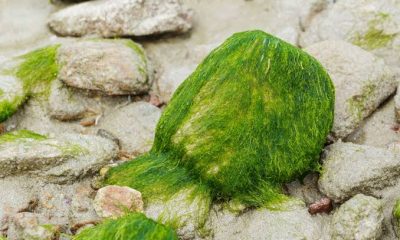
Spirogyra belongs to the division Chlorophyta, which includes green algae. It is characterized by its filamentous structure, where cells are arranged in long, unbranched chains. The most notable feature of spirogyra is its spiral arrangement of chloroplasts within each cell. These chloroplasts are arranged in a helical pattern, giving the algae its characteristic appearance.
Habitat and Distribution
Spirogyra thrives in various freshwater habitats, including ponds, lakes, and slow-moving streams. It prefers nutrient-rich waters, often flourishing in environments with high levels of organic matter. During warmer months, spirogyra can form dense mats on the water’s surface, which may be visible as greenish or greenish-brown layers.
Structure and Reproduction;

1. Structure: Each filament of spirogyra is composed of a single row of cells, with each cell containing spiral-shaped chloroplasts. The cells have a cylindrical shape and are surrounded by a cell wall made of cellulose.
2. Reproduction: Spirogyra reproduces both sexually and asexually.
– Asexual Reproduction: This occurs through fragmentation, where a filament breaks into smaller pieces, each of which can grow into a new filament.
– Sexual Reproduction: Involves the process of conjugation, where two filaments align side by side and form conjugation tubes. The contents of one filament transfer to the other, leading to the formation of a diploid zygote that can develop into a new filament.
Ecological Significance;

Analysis of Spirogyra
Spirogyras plays a crucial role in aquatic ecosystems by contributing to primary production. It performs photosynthesis, converting sunlight into energy and producing oxygen, which supports aquatic life. Additionally, spirogyras serves as a food source for various microorganisms and small aquatic animals.
However, excessive growth of spirogyras, often due to high nutrient levels in water bodies, can lead to algal blooms. These blooms can deplete oxygen levels in the water, causing problems for fish and other aquatic organisms.
Research and Uses;

Analysis of Spirogyra
Spirogyra is also of interest to researchers due to its unique chloroplast arrangement and reproductive methods. Studies on spirogyras contribute to our understanding of algal biology, photosynthesis, and the evolutionary relationships among different algal groups.
Summary
The genus of green algae known as Spirogyras is intriguing and important to the environment. It is a topic of scientific interest and environmental significance due to its unique spiral chloroplasts, function in aquatic ecosystems, and reproductive strategies.



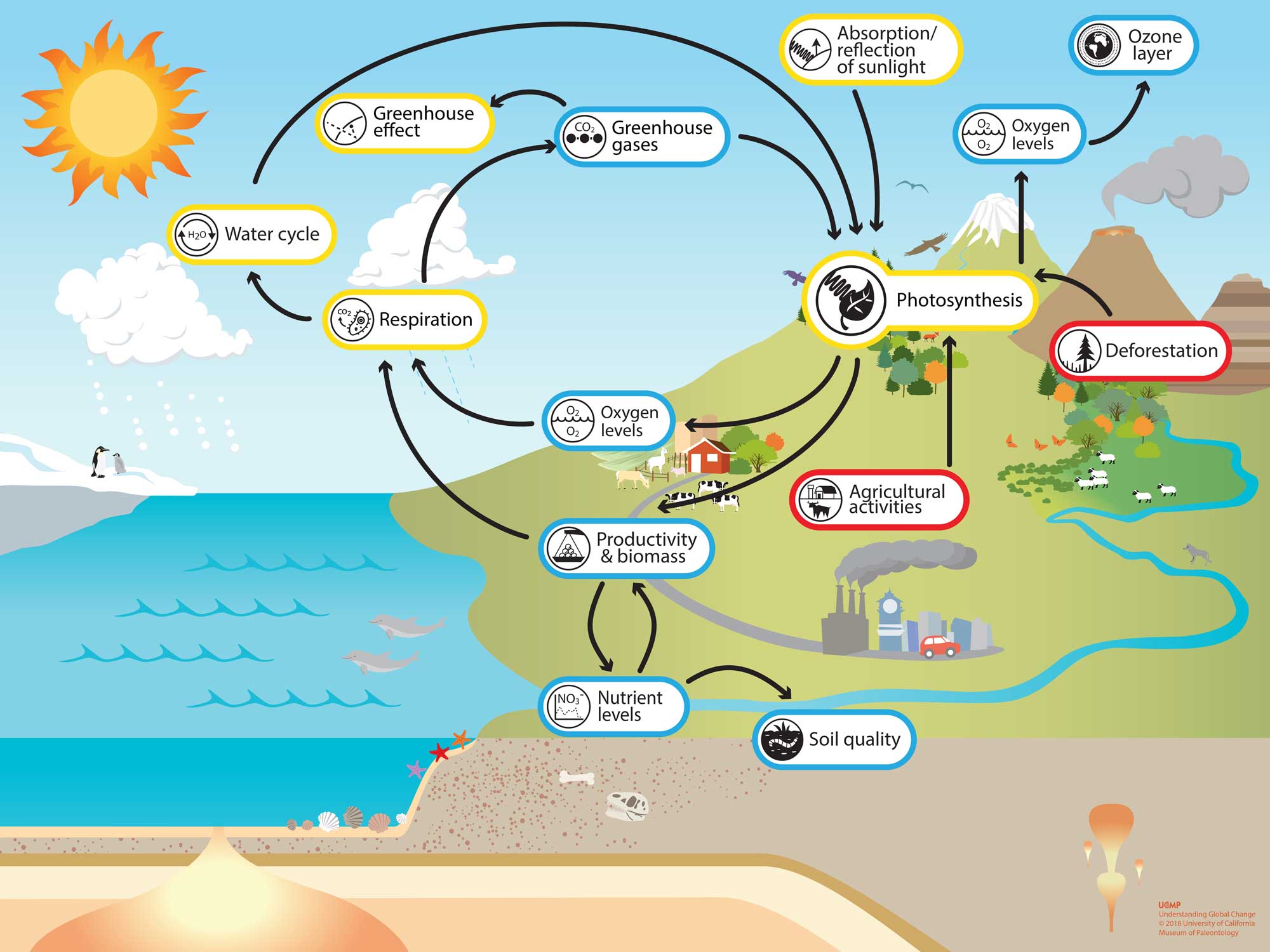
The Impacts of Photosynthesis. Life on Earth is maintained by the amazing and intricate process of photosynthesis, which produces oxygen and transforms solar energy into chemical energy. It serves as the base of the food chain and is crucial to preserving the equilibrium of the atmosphere. Research on photosynthesis is still vital, particularly when it comes to tackling global issues like food security and climate change.
THE IMPACTS OF PHOTOSYNTHESIS
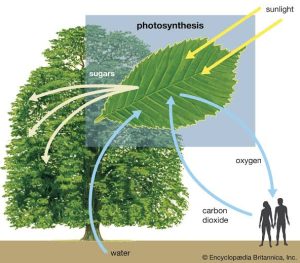
A basic biological process called photosynthesis enables plants, algae, and some microorganisms to transform solar light energy into chemical energy in the form of glucose. Because it forms the base of the food chain and adds to the supply of oxygen, this process is essential to the survival of these species as well as to life on Earth.
The Process;
Photosynthesis occurs primarily in the chloroplasts of plant cells, which contain the pigment chlorophyll. This pigment captures light energy, which initiates the photosynthetic process. Photosynthesis can be divided into two main stages: the light-dependent reactions and the light-independent reactions (Calvin cycle).
1. Light-Dependent Reactions:
– These reactions occur in the thylakoid membranes of the chloroplasts. When chlorophyll absorbs sunlight, it energizes electrons, which are then transported through a series of proteins known as the electron transport chain. This process generates ATP (adenosine triphosphate) and NADPH (nicotinamide adenine dinucleotide phosphate), which are energy carriers. Additionally, water molecules are split, releasing oxygen as a byproduct.
2. Calvin Cycle (Light-Independent Reactions):
– The ATP and NADPH produced in the light-dependent reactions are used in the Calvin cycle to convert carbon dioxide from the atmosphere into glucose. This cycle occurs in the stroma of the chloroplasts and does not require light, hence the name light-independent reactions. Through a series of enzymatic steps, carbon dioxide is fixed into a three-carbon molecule that eventually forms glucose.
Photosynthetic Importance;
1. Energy Production:

The Impacts of Photosynthesis
• Photosynthesis is the primary means by which energy from the sun is captured and converted into a form that can be used by living organisms. Plants produce glucose, which serves as an energy source for themselves and for other organisms that consume them.
2. Oxygen Generation:
• A byproduct of photosynthesis is oxygen, which is essential for the respiration of most living organisms. The oxygen produced during photosynthesis is released into the atmosphere, maintaining the balance of oxygen levels in the air.
3. Carbon Dioxide Utilization:
The Impacts of Photosynthesis
• Photosynthesis helps regulate atmospheric carbon dioxide levels. Plants absorb carbon dioxide, a greenhouse gas, during the process, thereby playing a role in mitigating climate change.
Photosynthesis and Human Life
Photosynthesis has a direct impact on human life in several ways:
– Food Supply:

– Photosynthesis is at the base of the food chain, providing the energy needed for plants to grow, which in turn feed herbivores, and subsequently, carnivores.
– Oxygen Supply:
– The oxygen generated through photosynthesis is vital for the survival of aerobic organisms, including humans.
– Agriculture and Ecosystems:
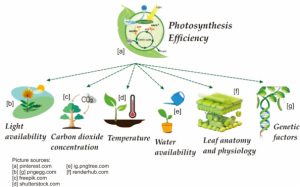
The Impacts of Photosynthesis
– Understanding it is crucial for improving agricultural practices and managing ecosystems sustainably.
Summary
One result of photosynthesis is oxygen. Ocean algae provide around 70% of the oxygen in the atmosphere that humans breathe. The ozone layer, which shields living things from the Sun’s damaging high-energy ultraviolet (UV) radiation, is also formed by atmospheric oxygen from photosynthesis.

Earth Frozen Frontiers

Natural Majestic Wonders

Daily Life Hacks

A Step-by-Step Guide to Deleting Reels on Instagram

A Comprehensive Guide to Setting Up a YouTube Premiere