Health
Antioxidants roles and benefits

Antioxidants roles and benefits. They are vital substances that are vital to preserving our health and wellbeing. These compounds, which are included in many foods, aid in shielding the body from harm brought on by dangerous molecules called free radicals. People can make educated dietary decisions to promote their general health by being aware of what antioxidants are, how they function, and their advantages.
ANTIOXIDANTS ROLES AND BENEFITS
A healthy diet must include antioxidants because they defend against oxidative stress and help avoid chronic illnesses, maintain good skin, and promote general wellbeing. You may improve your quality of life and support your health by learning the value of antioxidants and including a range of foods high in antioxidants in your regular diet.
What are Antioxidants?
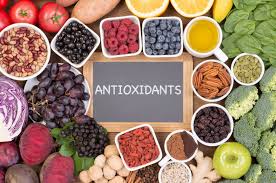

Antioxidants are molecules that inhibit the oxidation of other molecules. Oxidation is a chemical reaction that can produce free radicals, leading to chain reactions that may damage cells. Free radicals are unstable molecules that can cause oxidative stress, contributing to aging and various diseases, including cancer, heart disease, and neurodegenerative disorders.
Types;
Antioxidants come in various forms and can be categorized into several types:
1. Endogenous Antioxidants: These are produced naturally by the body and include enzymes like superoxide dismutase, catalase, and glutathione peroxidase.
2. Exogenous Antioxidants:
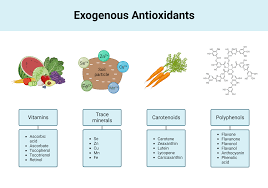

These are obtained from the diet and include:
– Vitamin C (Ascorbic Acid): Found in citrus fruits, strawberries, and bell peppers.
– Vitamin E (Tocopherol): Found in nuts, seeds, and green leafy vegetables.
– Beta-Carotene and Other Carotenoids: Found in colorful fruits and vegetables like carrots, sweet potatoes, and spinach.
– Polyphenols: Found in tea, coffee, red wine, chocolate, and many fruits and vegetables.
– Selenium: A trace mineral found in nuts, seafood, and meats.
How Antioxidants Work;


Antioxidants neutralize free radicals by donating an electron, thereby reducing their reactivity. This process helps to prevent the free radicals from causing cellular damage. The body relies on a balance between free radicals and antioxidants to maintain optimal physiological function. An imbalance, with more free radicals than antioxidant, leads to oxidative stress.
Benefits of Antioxidant;
Antioxidants offer a wide range of health benefits, primarily through their ability to combat oxidative stress and support overall cellular health. Here are some of the key benefits:
1. Prevention of Chronic Diseases: By neutralizing free radicals, antioxidant help reduce the risk of chronic diseases such as cancer, cardiovascular diseases, and neurodegenerative disorders like Alzheimer’s and Parkinson’s disease.

Antioxidants roles and benefits
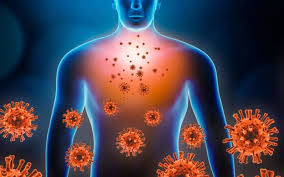
Antioxidants boost the immune system by protecting immune cells from damage, thereby enhancing the body’s ability to fight off infections and illnesses.
3. Skin Health: Antioxidants such as vitamins C and E protect the skin from damage caused by ultraviolet (UV) radiation and pollution, reducing the signs of aging, such as wrinkles and age spots.
4. Eye Health: Certain antioxidants, like lutein and zeaxanthin, are essential for eye health and can help prevent age-related macular degeneration and cataracts.
5. Anti-Inflammatory Properties:


Antioxidants roles and benefits
Many antioxidants have anti-inflammatory properties, helping to reduce inflammation throughout the body. This can be particularly beneficial for conditions like arthritis and other inflammatory diseases…
–
Summary
Antioxidants are molecules that counteract free radicals, which are unstable substances that harm cells by causing oxidative stress. Antioxidants boost the immune system, shield the body from chronic illnesses, and increase general health and longevity by preventing this cellular damage.