Breath
Bad breath tips


Bad breath tips. Inhaling and expelling gas or air to maintain life is called breathing. It is different from the verb breathe (which has a voiced “th” sound and an additional “e” at the end) and serves as a noun (rhyming with “death”).
BAD BREATH TIPS
Odor-producing bacteria in the mouth are typically the source of bad breath, or halitosis. By utilizing a tongue scraper, brushing and flossing twice a day, and drinking lots of water, you may easily counteract it.Use these practical, focused behaviors for long-lasting freshness:
1. Drink Water Often;

Bacteria in your mouth are there by nature to prevent tooth deterioration. But it also contains a lot of bad germs that lead to tartar accumulation and foul smelling plaque. The most effective technique to get rid of those germs with an unpleasant odor is to drink water. There are many that recommend eight glasses of water each day. others advise drinking half your body weight in ounces. Whichever guideline you use, make sure you get enough water each day
2. Use a Tongue Scraper;
Not all food particles are always removed from your mouth by cleaning your teeth. The tongue appears white due to a deposit of food particles, germs, and dead cells. It might also be a factor in foul breath. One quick and simple method to get rid of tongue dirt is to use a tongue scraper. For best effects, incorporate it into your evening dental hygiene routine.
3. Consume More Probiotics;

Bad breath tips
An imbalance in the gut flora might occasionally be cause of bad breath. Eating meals strong in probiotics can help you rebalance your flora. This covers pickle, miso, kimchi, yogurt, and sauerkraut. Food doesn’t break down sufficiently if your body doesn’t have enough digestive enzymes. Rather, it releases an unpleasant smell that gets into your mouth. Digestive enzymes are also supported by the nutrients mentioned above.
4. Rinse Your Mouth;
Food particles become trapped in the space between your teeth and gums. It stays in your mouth for hours if you wait until night to clean it off. Depending on the meal, this could result in really foul breath. You should think about cleaning your mouth after eating even if you don’t brush. A simple mouth wash to use is a solution of warm water and salt
5. Take Care of Your Gums;
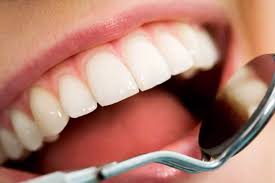
Bad breath tips
As sensitive tissues in your mouth, your gums can become infected. Food frequently becomes lodged behind the gum line and is overlooked during brushing. Make sure you treat your gums with the same consideration as you do your teeth. Use tiny circular motions to gently brush the gum line. Wide strokes when brushing the gums might cause damage, therefore avoid doing so.
Summary
Halitosis, the medical term for bad breath, is usually brought on by bacteria that break down food particles in the mouth, releasing sulfur compounds that smell bad. Although it can occasionally indicate an underlying medical disease, poor oral hygiene, dry mouth, or certain meals are the main causes.




Earth Frozen Frontiers

Natural Majestic Wonders

Daily Life Hacks

A Step-by-Step Guide to Deleting Reels on Instagram

A Comprehensive Guide to Setting Up a YouTube Premiere