Personal hygiene
Best Antibacterial Agents

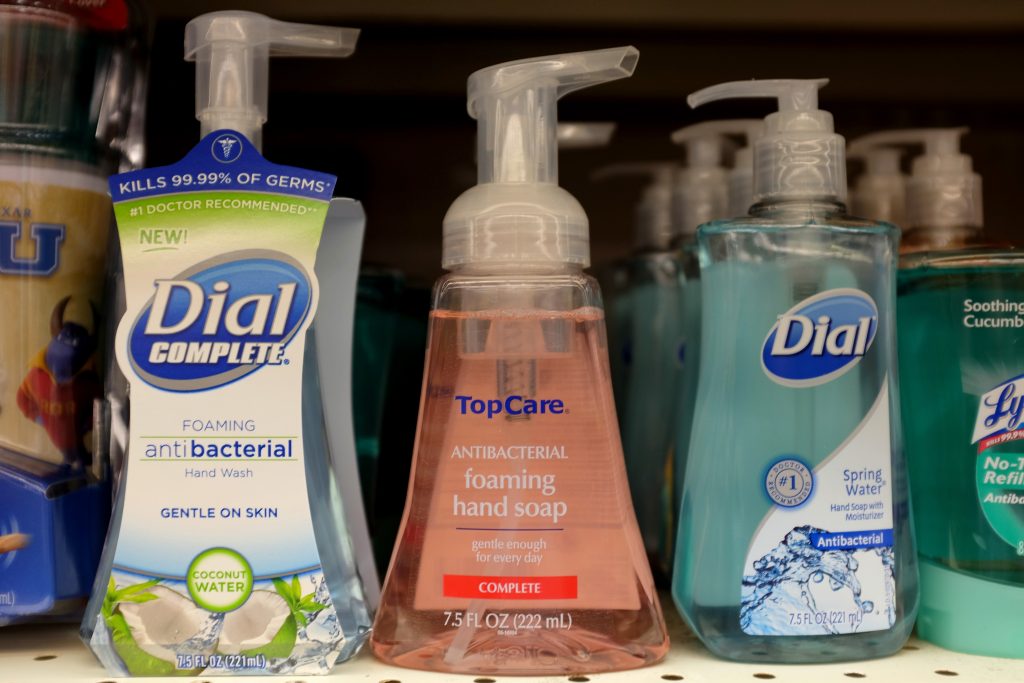
 Best antibacterial agents. They play a vital role in preserving health and hygiene by preventing, inhibiting, or killing microorganisms. In order to prevent the spread of bacterial diseases and maintain a healthy environment, they are essential to both medical procedures and regular cleaning procedures. In order to safeguard health and stop the development of bacterial illnesses, antibacterial agents are crucial. Their many uses, which range from daily cleanliness and food safety to medical treatments, help to keep the environment clean and healthy. To maximize their advantages and reduce any possible hazards, proper use and knowledge are essential.
BEST ANTIBACTERIAL AGENTS
The “best” antibacterial drug varies on the particular infection, but frequent and successful classes include tetracyclines (like doxycycline), macrolides (like azithromycin), fluoroquinolones (like ciprofloxacin), and beta-lactams (like amoxicillin and cephalosporins). Although natural alternatives like essential oils of thyme and oregano show promise, external use is advised and caution should be exercised. Additionally, alcohols work well as broad-spectrum surface disinfectants.
Types of Antibacterial Agents;
1. Antibiotics:

These are drugs specifically designed to target and kill bacteria or inhibit their growth. Antibiotics, such as penicillin and tetracycline. Are used to treat bacterial infections ranging from minor wounds to serious illnesses like pneumonia and tuberculosis. It’s essential to use antibiotics as prescribed to avoid resistance.
2. Antiseptics:
These are substances applied to living tissues to reduce the risk of infection. Common antiseptics include alcohol, iodine, and hydrogen peroxide. They are used for cleaning wounds and sanitizing skin before medical procedures.
3. Disinfectants:
These agents are used on non-living surfaces to kill bacteria and other pathogens. Commonly found in cleaning products for households, hospitals, and public areas are disinfectants such bleach, phenols, and quaternary ammonium compounds.
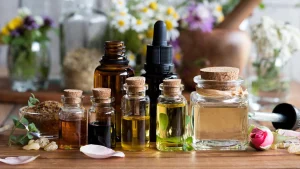
4. Essential Oils:
BEST ANTIBACTERIAL AGENTS
Some essential oils, like tea tree oil and eucalyptus oil, have natural antibacterial properties. They are often used in alternative medicine and natural cleaning solutions for their antimicrobial benefits.
Applications and Benefits;
BEST ANTIBACTERIAL AGENTS
1. In Medical Settings:
These are crucial in preventing and treating infections in hospitals and clinics. Proper use of antibiotics and antiseptics helps control the spread of bacterial diseases and supports recovery.
2. Daily Hygiene:
Antibacterial soaps and hand sanitizers help reduce the spread of bacteria and lower the risk of infections. Regular hand washing and cleaning with antibacterial agents contribute to overall public health.
3. In Food Safety:
Antibacterial agents are used to sanitize surfaces and equipment in food preparation areas, helping to prevent foodborne illnesses.
Proper Use and Considerations;

BEST ANTIBACTERIAL AGENTS
– Avoid Overuse:
Excessive use of antibiotics and antibacterial products can lead to antibiotic resistance, making bacteria harder to treat.
– Follow Instructions:
Use antibacterial agents according to guidelines to ensure their effectiveness and reduce the risk of adverse effects.
– Balance with Hygiene:
Regular hand washing and proper hygiene practices complement the use of antibacterial agents in preventing infections.
Summary
Any chemical that destroys or inhibits the growth of bacteria is an antibacterial. Antibiotics, a class of antibacterial drugs, fall within this wide category. Antibacterials are used to treat bacterial illnesses. They function by either directly killing bacteria (bactericidal) or stopping their growth. They can be synthetic, semi-synthetic, or natural.




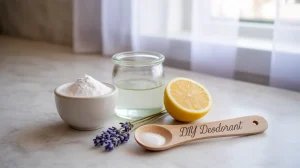
Body odor and natural remedies. This is caused by bacteria breaking down perspiration, although bacteria can be killed by natural therapies including applying baking soda paste, diluted apple cider vinegar/lemon juice, or witch hazel; Natural odor management also involves reducing stress, using breathable materials (cotton, wool, and silk), and keeping clean with antibacterial soap, however individual outcomes may differ.
BODY ODOR AND NATURAL REMEDIES
Body odor is a frequent problem that can be uncomfortable and embarrassing. Despite the widespread use of commercial deodorants and antiperspirants, some people prefer using natural solutions to control body odor. Here are some efficient natural solutions for controlling body odor, whether you want to limit your exposure to chemicals or are looking for alternatives because of sensitive skin.
1. Baking Soda;
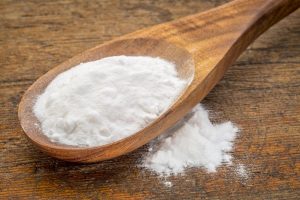
Baking soda is a popular natural deodorant because of its ability to neutralize odors and absorb moisture. It acts as a natural antibacterial agent, reducing the bacteria that contribute to body odor. To use baking soda:
– Mix a small amount of baking soda with water to form a paste.
– Apply the paste to your underarms or any area prone to odor.
– Let it sit for a few minutes, then rinse off or leave it on as a natural deodorant.
2. Apple Cider Vinegar;

Apple cider vinegar (ACV) is known for its antibacterial properties, making it effective in killing odor-causing bacteria. ACV also helps balance the skin’s pH, which can reduce the production of sweat. To use apple cider vinegar:
– Dilute ACV with equal parts water.
– Apply the mixture to your underarms with a cotton ball or spray bottle.
– Let it dry naturally; there’s no need to rinse it off.
3. Coconut Oil;
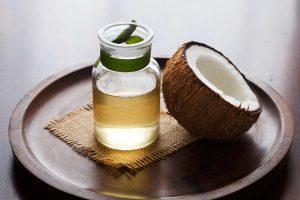
Coconut oil is a versatile natural remedy with antibacterial and antifungal properties. It can help reduce body odor by killing bacteria on the skin and moisturizing it to prevent irritation. Coconut oil also leaves a pleasant, mild scent. To use coconut oil:
– Apply a small amount of virgin coconut oil directly to your underarms after showering.
– Massage it in gently and let it absorb into the skin.
4. Lemon Juice;

Lemon juice is a natural astringent with antibacterial properties that can help reduce body odor. The acidity of lemon juice lowers the skin’s pH, making it less hospitable to odor-causing bacteria. To use lemon juice:
– Cut a fresh lemon in half and rub it gently on your underarms.
– Leave the juice on for 5-10 minutes, then rinse off with water.
– Avoid using lemon juice on freshly shaved skin, as it can cause irritation.
5. Witch Hazel;

BODY ODOR AND NATURAL REMEDIES
Witch hazel is a natural astringent that helps to shrink pores and reduce sweating. It also has antibacterial properties that can help eliminate odor-causing bacteria. To use witch hazel:
– Apply witch hazel to a cotton ball and swipe it over your underarms or other areas prone to odor.
– Reapply as needed throughout the day for a refreshing effect.
Additional Tips for Managing Body Odor Naturally;

BODY ODOR AND NATURAL REMEDIES
– Diet:
Your diet can influence body odor. Eating a diet rich in fresh fruits, vegetables, and whole grains can help reduce odor, while spicy foods, red meat, and processed foods may contribute to stronger body odor.
– Hydration:

BODY ODOR AND NATURAL REMEDIES
Drinking plenty of water helps flush out toxins from your body, which can reduce odor.
– Clothing:
Wear natural fabrics like cotton, linen, or bamboo that allow your skin to breathe and reduce sweating.
– Hygiene: Regular showers and thorough cleaning of odor-prone areas can help keep body odor at bay.
Summary
In addition to being effective, natural body odor cures don’t contain the harsh chemicals that are frequently present in commercial deodorants. You may naturally control body odor and feel confident and fresh throughout the day by implementing these easy fixes into your daily routine.
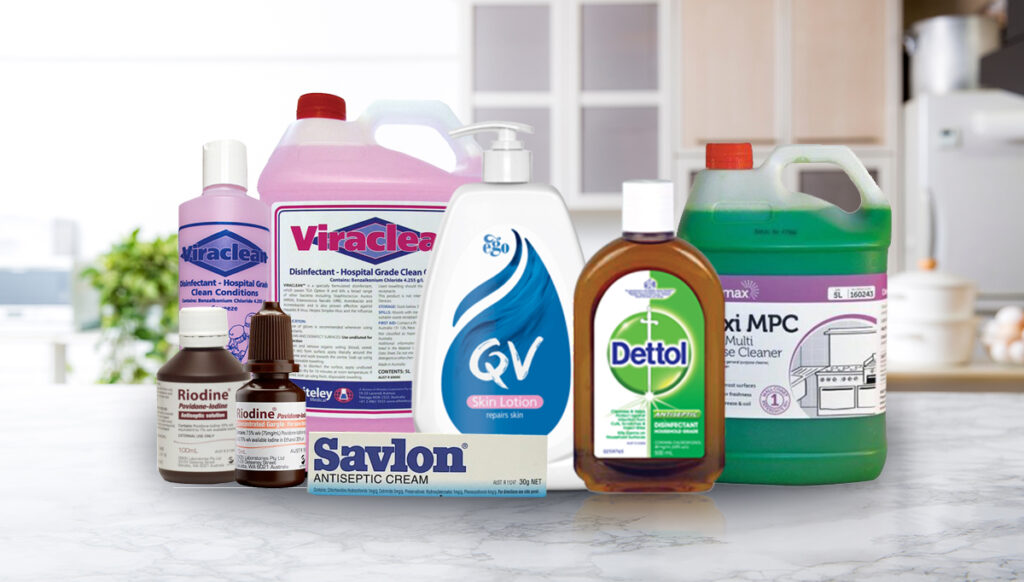
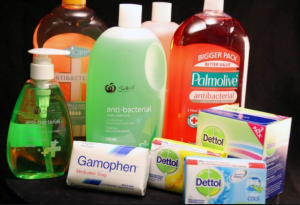
Antiseptics: infections preventer. They are crucial instruments for managing and preventing infections. by being aware of their varieties and proper applications. They can be successfully incorporated into your hygiene regimen to preserve health and stop the spread of infections. Antiseptics are essential for creating a cleaner, safer environment, whether they are used for wound care, hand hygiene, or surgical preparation.
ANTISEPTICS: INFECTIONS PREVENTER
Meanwhile, antiseptics are antimicrobial agents that are applied to living tissue in order to stop or limit the growth of germs and lower the risk of infection. They are applied to the skin and mucous membranes to clean wounds and get the skin ready for treatments. Antiseptics are distinct from antibiotics, which act within the body, and disinfectants, which are applied to inanimate things.
Importance;
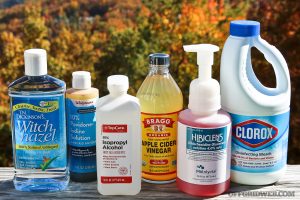
Also, antiseptic play a crucial role in healthcare and daily hygiene. They are commonly used to:
– Prevent Infection: By reducing the number of microorganisms on the skin, antiseptics help prevent infections, especially in wounds and surgical sites.
– Promote Healing: Keeping wounds clean with antiseptics aids the natural healing process.
– Reduce the Spread of Pathogens: Regular use of antiseptics can help control the spread of infectious diseases, particularly in healthcare settings.
Types;
1. Alcohol-Based Antiseptics:
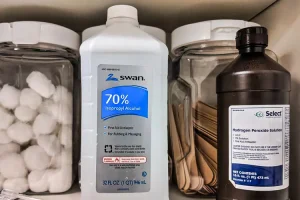
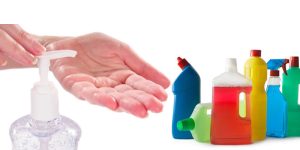
– Ethanol and Isopropanol: These are widely used due to their rapid action against bacteria, viruses, and fungi. Commonly found in hand sanitizers and disinfectant wipes, alcohol-based antiseptics are effective for quick skin disinfection.
2. Chlorhexidine:
– Known for its long-lasting antimicrobial effects, chlorhexidine is often used in surgical scrubs, mouthwashes, and wound dressings. It’s effective against a broad range of bacteria and some viruses and fungi.
3. Hydrogen Peroxide:
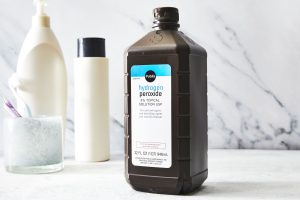
– A mild antiseptic, hydrogen peroxide is used for cleaning wounds and as a mouth rinse. It works by releasing oxygen, which causes foaming that helps remove dead tissue and cleanse the area.
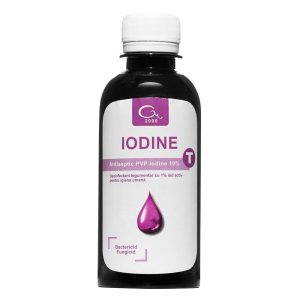
4. Iodine-Based Antiseptic:
ANTISEPTICS: INFECTIONS PREVENTER
– Povidone-Iodine: This antiseptic is effective against a wide variety of pathogens, including bacteria, viruses, and fungi. It is commonly used for preoperative skin preparation and in the treatment of minor wounds.
5. Phenolic Compounds:
– Phenol and its derivatives, such as hexachlorophene, are used in some surgical scrubs and antiseptic soaps. They have strong bactericidal properties but are generally less common due to potential skin irritation.
Common Uses;
ANTISEPTICS: INFECTIONS PREVENTER
– Wound Care:
– Antiseptics are used to clean cuts, abrasions, and minor burns, helping to prevent infection and promote healing.
– Preoperative Skin Preparation:
– Before surgical procedures, antiseptics are applied to the skin to reduce the risk of infection.
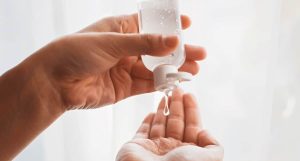
– Hand Hygiene:
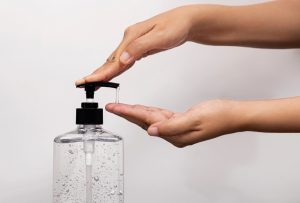
– Hand sanitizers and antiseptic hand washes are essential for maintaining hygiene, especially in healthcare settings and during disease outbreaks.
– Oral Care:
– Antiseptic mouthwashes help reduce oral bacteria, prevent gum disease, and maintain oral hygiene.
Safety and Usage;
ANTISEPTICS: INFECTIONS PREVENTER
While antiseptic is generally safe for topical use, it’s important to follow usage instructions to avoid potential side effects, such as skin irritation or allergic reactions. Here are some tips:
– Follow Directions: Always use antiseptics as directed by the product label or healthcare provider.
– Avoid Overuse: Excessive use can lead to skin irritation or disruption of normal skin flora.
– Consult a Professional: For deep or serious wounds, always seek medical advice.
Summary
Because they stop germs from growing and spreading on living tissues, antiseptics are essential for both preventing and treating infections. Unlike disinfectants, which are intended for non-living surfaces, antiseptics are safe to use on skin and mucous membranes.
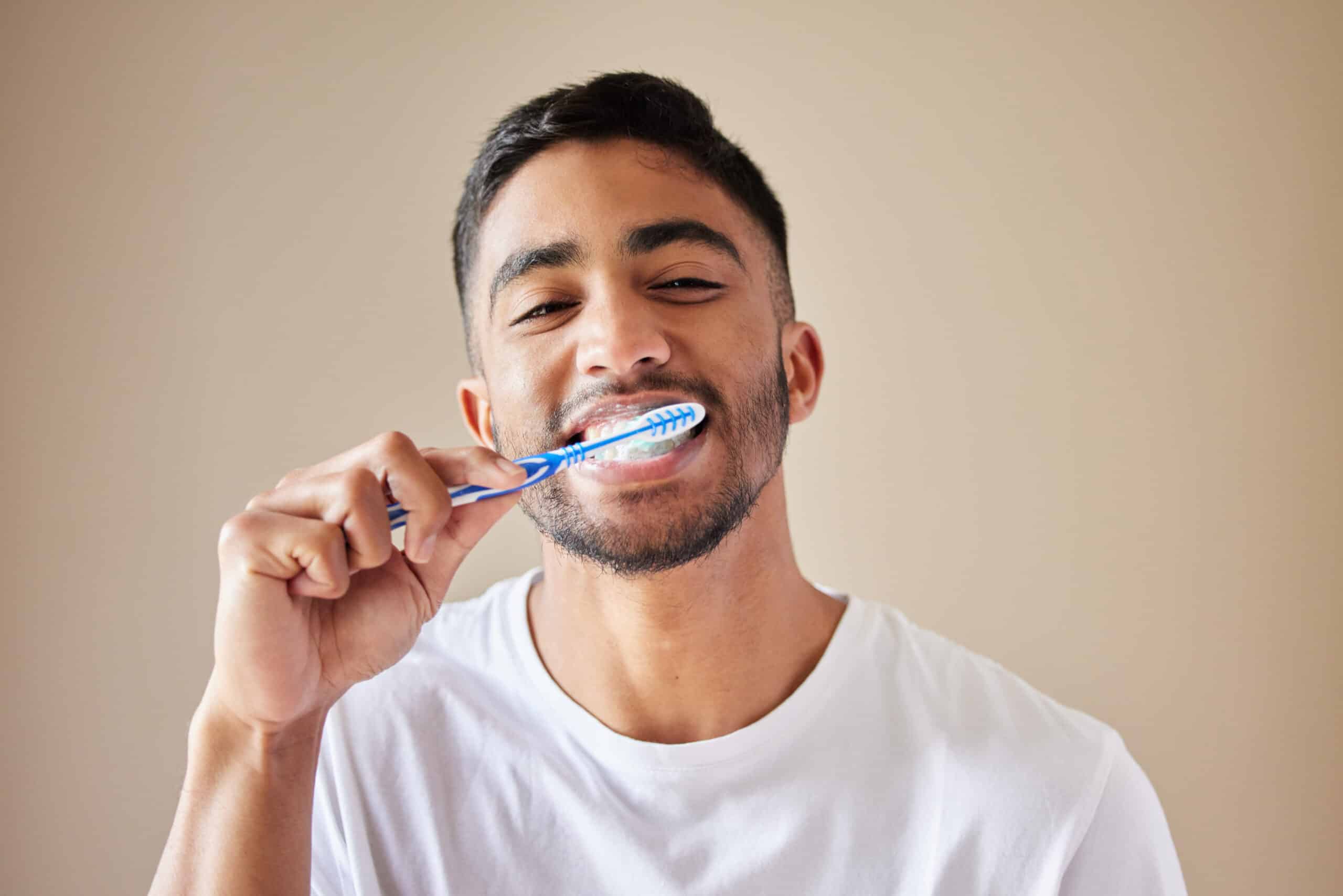

Why brush your teeth?. To maintain the health of your mouth and teeth, brush your teeth twice a day for approximately two minutes each time using fluoride toothpaste. A layer of bacteria called plaque forms on your teeth if you don’t clean them thoroughly. It exacerbates tooth decay and gum disease. Plaque accumulation is prevented by brushing your teeth. Make every effort to keep all of your teeth clean. Spend roughly two minutes brushing your teeth twice a day. Brushing them is vital at night, so do it the final thing before bed and once more. Depending on your unique dental needs and condition, dental healthcare professionals can offer you more guidance.
WHY BRUSH YOUR TEETH?
Plaque is a sticky layer of bacteria that can lead to cavities, gum disease, and tooth decay. We brush our teeth to get rid of it. Because poor dental hygiene has been connected to more significant problems like heart disease, brushing on a regular basis also helps to avoid bad breath and improves general health. There are numerous approaches to eliminating foul breath. Below are well tested techniques.
1. Drink Water Often;

WHY BRUSH YOUR TEETH?
Bacteria in your mouth are there by nature to prevent tooth deterioration. But it also contains a lot of bad germs that lead to tartar accumulation and foul smelling plaque. The most effective technique to get rid of those germs with an unpleasant odor is to drink water. There are many that recommend eight glasses of water each day. others advise drinking half your body weight in ounces. Whichever guideline you use, make sure you get enough water each day
2. Use a Tongue Scraper;

WHY BRUSH YOUR TEETH?
Not all food particles are always removed from your mouth by cleaning your teeth. The tongue appears white due to a deposit of food particles, germs, and dead cells. It might also be a factor in foul breath. One quick and simple method to get rid of tongue dirt is to use a tongue scraper. For best effects, incorporate it into your evening dental hygiene routine.
3. Consume More Probiotics;

WHY BRUSH YOUR TEETH?
An imbalance in the gut flora might occasionally be cause of bad breath. Eating meals strong in probiotics can help you rebalance your flora. This covers pickle, miso, kimchi, yogurt, and sauerkraut. Food doesn’t break down sufficiently if your body doesn’t have enough digestive enzymes. Rather, it releases an unpleasant smell that gets into your mouth. Digestive enzymes are also supported by the nutrients mentioned above.
4. Rinse Your Mouth;
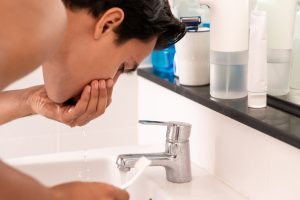
Food particles become trapped in the space between your teeth and gums. It stays in your mouth for hours if you wait until night to clean it off. Depending on the meal, this could result in really foul breath. You should think about cleaning your mouth after eating even if you don’t brush. A simple mouth wash to use is a solution of warm water and salt
5. Take Care of Your Gums;
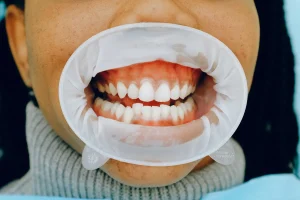
As sensitive tissues in your mouth, your gums can become infected. Food frequently becomes lodged behind the gum line and is overlooked during brushing. Make sure you treat your gums with the same consideration as you do your teeth. Use tiny circular motions to gently brush the gum line. Wide strokes when brushing the gums might cause damage, therefore avoid doing so.
Summary
Regular brushing improves your oral and general health by removing bacteria and plaque, which helps to avoid gum disease, decay, and other systemic problems.

Airline Travellers and Baggage Allowances

First Time Travellers and Airline Policies

Plane Tickets Relevance

A Step-by-Step Guide to Deleting Reels on Instagram

How to Create a WhatsApp Group