Uncategorized
Bladder and kidney cancer treatment

Bladder and kidney cancer treatment. Millions of people worldwide suffer from kidney and bladder cancers, which are among the most common types of urologic malignancies. Despite the fact that both malignancies start in the urinary system, there are particular difficulties with diagnosis, treatment, and prognosis. We will examine the complexities of kidney and bladder cancer in this thorough guide, providing information on risk factors, symptoms, diagnostic techniques, and potential treatments. People can increase their chances of survival and quality of life by being aware of certain illnesses and taking proactive measures for early detection and efficient treatment.
BLADDER AND KIDNEY CANCER TREATMENT
Cancers of the kidney and bladder provide serious difficulties for both patients and medical professionals. However, prompt action and early discovery can significantly enhance results. by being aware of the symptoms, risk factors, and available treatments for these illnesses. People can actively pursue early diagnosis, effective treatment, and prevention. The prognosis for patients with kidney and bladder cancer is improving due to continuous research and advances in medical technology, providing optimism for a better future in the battle against these cancers.
Risk Factors;


1. Smoking: Tobacco use is a significant risk factor for both kidney and bladder cancer. With smokers being at a higher risk compared to non-smokers.
2. Occupational Exposures: Certain occupations involving exposure to chemicals such as aromatic amines and polycyclic aromatic hydrocarbons (found in industries like dyeing, painting, and rubber manufacturing) increase the risk of bladder cancer.
3. Age: The risk of kidney and bladder cancer increases with age, with the majority of cases diagnosed in individuals over 50 years old.
4. Obesity:


Being overweight or obese is associated with an increased risk of kidney cancer.
5. Family History: A family history of kidney or bladder cancer can elevate an individual’s risk of developing these diseases.
6. Chronic Kidney Disease: Individuals with chronic kidney disease are at a higher risk of developing kidney cancer.
7. Gender: Men are more likely to develop kidney and bladder cancer compared to women.
Symptoms;
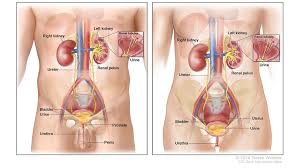

1. Blood in the Urine (Hematuria): One of the most common symptoms of both kidneys and bladder cancer is blood in the urine, which may be visible to the naked eye or detected through urine tests.
2. Persistent Pain: Persistent pain in the side or lower back can be a symptom of kidney cancer, while pain in the pelvic area may indicate bladder cancer.
3. Changes in Urinary Habits: This includes frequent urination, urgency, and difficulty urinating.
4. Fatigue and Weight Loss:


Unexplained fatigue and weight loss may occur in advanced stages of kidney or bladder cancer.
5. Swelling: Kidney cancer can sometimes cause swelling in the legs and ankles due to the buildup of fluid.
Treatment Options:
1. Surgery: Surgical removal of the tumor or the affected kidney (nephrectomy) or bladder (cystectomy) is often the primary treatment for localized kidney or bladder cancer.
2. Radiation Therapy: Radiation therapy may be used to target and destroy cancer cells. Either alone or in combination with surgery or chemotherapy.
3. Chemotherapy:
Chemotherapy drugs may be administered orally or intravenously to kill cancer cells or shrink tumors.
4. Immunotherapy: This treatment option uses drugs that stimulate the body’s immune system to recognize and attack cancer cells.
5. Targeted Therapy: Targeted therapy drugs specifically target cancer cells’ vulnerabilities, inhibiting their growth and spread.
Summary
Treatments for bladder cancer include radiation, chemotherapy, intravesical immunotherapy (BCG), TURBT (tumor removal), and cystectomy (bladder removal). Treatments for kidney cancer include immunotherapy, targeted treatments, ablation (freezing or heating tumors), and partial or radical nephrectomy. For individualized treatment approaches, both frequently need multidisciplinary care.