Deodorants
Body Spray and Roll-On Comparison



Body spray and roll-on comparison. Your individual needs and tastes will determine whether you choose roll-on or body spray deodorant. For people who want a short, revitalizing scent boost all day, body sprays are ideal. On the other hand, roll-on deodorants provide long-lasting, focused defense against perspiration and odor. By being aware of these variations, you can choose the best product to satisfy your personal hygiene requirements while preserving confidence and freshness.
BODY SPRAY AND ROLL-ON COMPARISON
While roll-ons give targeted, long-lasting perspiration and odor prevention with a liquid application that requires drying time, body sprays deliver a rapid, refreshing burst of scent and odor control. For ease and a fast refresh, go for body spray; if you have a strong body odor or want long-lasting results, go for roll-on for more protection against perspiration and a stronger odor.
1. Purpose and Functionality
Body Spray:

BODY SPRAY AND ROLL-ON COMPARISON
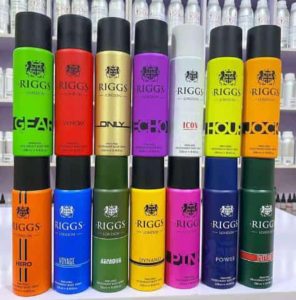
Body spray primarily functions as a light fragrance to mask body odor and provide a pleasant scent. It is designed to be applied over large areas of the body, offering a refreshing burst of fragrance that can be reapplied throughout the day. While some body sprays may contain antibacterial agents to reduce odor-causing bacteria, their main purpose is to provide a pleasant aroma rather than to prevent sweating.
Roll-On Deodorant;
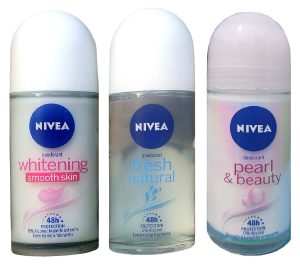

In contrast, roll-on deodorants are designed to prevent or neutralize the microorganisms that create odor by targeting the skin. Many roll-ons also contain antiperspirant ingredients, such as aluminum compounds, that help reduce sweating by blocking sweat glands. The primary function of a roll-on deodorant is to keep the underarms dry and odor-free, providing long-lasting protection against perspiration and odor.
2. Application Method
Body Spray:
Body sprays come in aerosol cans or spray bottles and are applied by misting the product over the body. The application is quick and covers a wide area, making it convenient for a full-body refresh. Body sprays are generally applied to the chest, neck, and other parts of the body where fragrance is desired.
Roll-On Deodorant
roll-on deodorants come in bottles with a ball applicator that dispenses the product directly onto the skin. The roll-on mechanism ensures precise application to the underarms, where it is most needed.
3. Formulation and Ingredients
Body Spray:
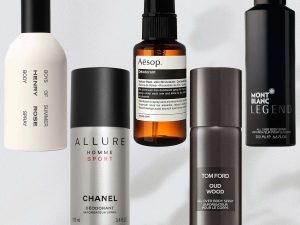

Body sprays typically contain a higher concentration of alcohol and fragrance oils, which help disperse the scent evenly across the skin. Some body sprays may include mild antibacterial agents, but they do not contain the active ingredients found in antiperspirants. The focus is on providing a pleasant scent rather than on controlling sweat.
Roll-On Deodorant;


BODY SPRAY AND ROLL-ON COMPARISON
Roll-on deodorants are formulated with active ingredients like triclosan or other antibacterial agents that target odor-causing bacteria. Many roll-ons also contain antiperspirant compounds, such as aluminum chloride or aluminum zirconium, that help reduce sweating.
4. Longevity and Effectiveness
Body Spray:

BODY SPRAY AND ROLL-ON COMPARISON
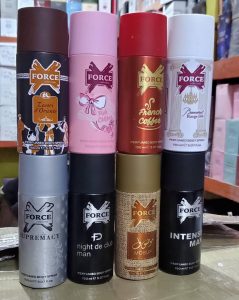
The scent of body spray is generally lighter and less long-lasting compared to traditional perfumes or colognes. It provides a temporary fragrance boost that may need to be reapplied throughout the day to maintain its effectiveness. Body sprays are ideal for quick refreshes but do not offer prolonged protection against odor or sweat.
Roll-On Deodorant:

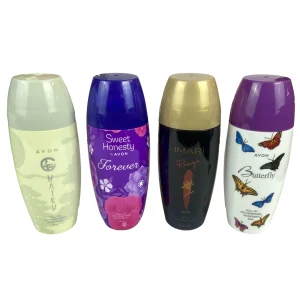
BODY SPRAY AND ROLL-ON COMPARISON
Also, roll-on deodorants provide longer-lasting protection against body odor and perspiration. The antibacterial and antiperspirant ingredients ensure that the product remains effective for several hours, often lasting an entire day.
Summary
Hence, body spray and roll-on deodorants have different functions and special advantages when it comes to personal hygiene products. Although both are necessary to preserve freshness, there are considerable differences in their compositions, uses, and functionality.