Health
Key Relevance of Vitamin K

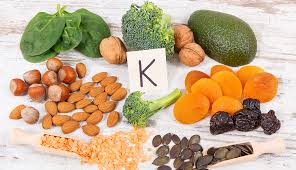

Key relevance of vitamin K. Essential for blood clotting and bone health, vitamin K is a fat-soluble vitamin that may also be beneficial for cardiovascular and cognitive health, according to new research. It serves as a cofactor for an enzyme that activates particular body proteins known as “Gla-proteins.” The clotting vitamin is vitamin K. Vitamin K is necessary for the body to produce specific proteins in the liver that lead to blood clots. We refer to these proteins as clotting factors. Blood would not clot in the absence of vitamin K because the liver would not be able to create clotting factors II, VII, IX, and X.
KEY RELEVANCE OF VITAMIN K
Bone health, cardiovascular health, and appropriate blood coagulation all depend on vitamin K. Maintaining these essential functions and promoting general health can be achieved by ensuring a sufficient intake of the vitamin through a balanced diet. You may support a healthy body and lower the risk of associated health problems by incorporating foods high in vitamin K into your diet.
Functions of Vitamin K;
1. Blood Clotting:


One of the most well-known functions of the vitamin is its role in blood clotting. It is necessary for synthesizing proteins called clotting factors, which help prevent excessive bleeding and facilitate proper wound healing. Without adequate vitamin , the blood clotting process is impaired, increasing the risk of uncontrolled bleeding.
2. Bone Health:


Vitamin K is also critical for bone health. It helps regulate calcium within the bones and bloodstream by activating proteins that bind calcium to the bone matrix. This function is essential for maintaining bone density and reducing the risk of fractures, especially in older adults.


KEY RELEVANCE OF VITAMIN K
The Vitamin contributes to cardiovascular health by helping to prevent the calcification of blood vessels. It activates proteins that inhibit the buildup of calcium in the arteries, reducing the risk of arterial stiffness and heart disease.
Sources of Vitamin K;

KEY RELEVANCE OF VITAMIN K
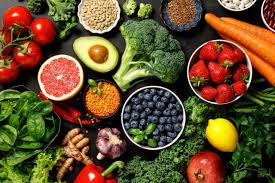
The Vitamin is found in various foods, with two main forms: K1 (phylloquinone) and K2 (menaquinone). The Vitamin K1 is predominantly found in green leafy vegetables such as spinach, kale, and broccoli. Vitamin K2 is present in fermented foods like natto, as well as in animal products such as meat, eggs, and dairy.
Deficiency Risks;


KEY RELEVANCE OF VITAMIN K
Vitamin K deficiency can lead to several health issues, including increased bleeding risk, poor bone health, and, in severe cases, cardiovascular problems. Deficiency is relatively rare in healthy adults but can occur in individuals with malabsorption issues or those on certain medications that interfere with the vitamin metabolism.
Summary
One of the most important nutrients for preserving many facets of health is vitamin K. It is a crucial part of a balanced diet because it is necessary for many physiological functions.