Breastfeeding
Breastfeeding


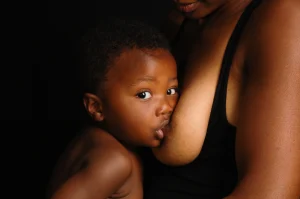
Breastfeeding. Also known as nursing, is the process of giving an infant breast milk, either directly from the breast or through expressed milk. It offers optimal nutrition, antibodies, and health benefits, such as a lower risk of illness for infants and a lower risk of cancer for mothers. Major health organizations recommend exclusive breastfeeding for the first six months of life, followed by solid foods for a year or longer. It begins with nutrient-rich colostrum and progresses to mature milk, which provides essential immune protection and promotes bonding. It also entails appropriate latching and common holds like the cradle hold.
BREASTFEEDING
Whether you’re pregnant or a new mother, you hear a lot of stories about nursing—some positive, some negative, and some ugly! Some of them could make you wonder if nursing is the right career choice for you. Breastfeeding differs from person to person and can be difficult at times. The good news is that our presence makes it easy for you to get the information you need at the most opportune time. Because there is so much information available, we have put together a list of common misconceptions and helpful details to help you.
Meaning of Facts and Myths;

BREASTFEEDING
Anything that is known to have happened or to exist is a fact, especially if there is documentation available. A myth is a conventional story that is usually told about supposedly true historical events. It might be used to explain religion, behavior, or natural phenomena.
Types of Myths about Breastfeeding;
BREASTFEEDING
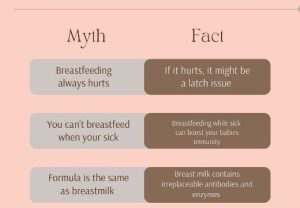
1. Within a day or two, you’ll know whether breastfeeding is effective for you. It shouldn’t be too difficult. It takes practice to breastfeed, and it can be difficult in the beginning.
2. Breastfeeding hurts. Breastfeeding shouldn’t hurt, but while your body adjusts to nursing, it’s normal for your breasts and nipples to feel sore and tender for a few days. Seek assistance from a lactation expert if you experience any pain or discomfort.
3. Although, throughout the initial several days, you won’t produce enough breastmilk. Colostrum, sometimes known as “liquid gold,” is the milk you produce in those early stages. This milk has every vitamin your baby might require. Its modest volume is sufficient to fill your newborn’s little stomach.
4. Also, fathers and other family members find it more difficult to form a bond with their breastfed child. a child is 12 months old or older. The American Academy of Pediatrics and the World Health Organization
Summary
Contrary to popular belief, breastfeeding is a learned skill (pain isn’t normal, but discomfort happens), milk production is supply/demand (not related to breast size), you don’t need a special diet (balanced nutrition is key), and you can take many medications while breastfeeding (check with a doctor). Myths also claim that nursing promotes drooping (pregnancy and heredity are major influences) or that you shouldn’t nurse when unwell since you pass antibodies rather than germs.



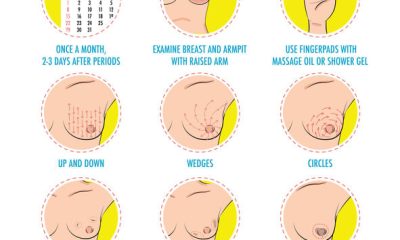




Breastfeeding impacts. It provides moms and babies with numerous long-term health advantages, including as increased immunity, decreased chance of illness, and strengthened bonds. It gives infants the best, most up-to-date nutrition, reducing their risk of allergies, obesity, SIDS, and infections. It promotes mothers’ mental health, speeds up their recuperation, and lowers their risk of developing breast or ovarian cancer.
BREASTFEEDING IMPACTS
One of the many decisions you will have to make as a parent is how to feed your child. Before making a choice, weigh the many benefits of nursing. It’s okay for some people to be only partially or completely unable of breastfeeding. There are several different formula options to aid in your baby’s growth. Consult your child’s pediatrician for information and support as you acclimate to life with your new baby.
There are numerous health advantages to breastfeeding for both you and your child. You can choose whether breastfeeding is the best option for your family by being aware of these advantages. Breastfeeding may help your infant develop a robust immune system and reduce their risk of contracting certain diseases, according to research. Babies who are breastfed are less likely to: A child can survive without Breastfeeding , however there are many advantages to prolonged breastfeeding that have been shown by researchers. Generally speaking, there are more advantages for both parents and children the longer a child is breastfed.
Merits
1. Parental health;

Breastfeeds are less likely to develop high blood pressure, type 2 diabetes, ovarian cancer, and breast cancer. The longer they continue to breastfeed, the more benefits they will receive.
2. Child health;
Antibodies found in breast milk may aid youngsters in fending off illnesses. It also varies according to the baby’s requirements, using data from their spit to create a personalized meal that can help guard against illnesses and guarantee the best possible nutrition.
3. Emotional health;

Breastfeeding impacts
Research indicates that breastfed individuals experience less stress, anxiety, and depression than formula users. Additionally, nursing promotes connection and lowers stress levels by strengthening the bond between the parent and child.
4. Ease of calming;
Nursing is calming for many babies and toddlers. Others seek nursing because they are agitated or afraid, while others do so to fall asleep. The child may find this easily accessible source of consolation to help alleviate some of the stress that comes with becoming a parent.
5. Convenience;
Breast milk is easily accessible and practical. Without postponing food or water, a parent can help a child have access to fluids wherever they are by providing them with a small snack.
Demerits
1. Long-term;

Breastfeeding impacts
breastfeeding is not considered a cultural “norm” in the majority of Western countries. A person may experience censure and shame, feel isolated or judged by their friends, and not receive enough support from their family.
2. Time;
Breastfeeding requires both effort and time. Individuals’ time is precious, and parents of little children may already find it difficult to find adequate time for self-care, employment, hobbies, and sleep. Bottle-feeding and formula are two more convenient feeding methods.
3. Workplace issues;

Breastfeeding impacts
Breastfeeding can be challenging for people who work outside the home, particularly if their hours are long. Certain individuals may encounter pressure at work to stop nursing, or they may need to defend their entitlement to pumping breaks.
Summary
Breastfeeding or bottle-feeding is a personal choice. As a new parent, it’s one of the first big decisions you’ll have to make. Each has benefits and drawbacks. Over the years, the issue has been controversial, often making parents feel bad about choosing bottle-fed formula over breast milk. Anyway, don’t let the critics bring you down. There is no right or wrong choice—there is only the healthy one.

Airline Travellers and Baggage Allowances

First Time Travellers and Airline Policies

Plane Tickets Relevance

A Step-by-Step Guide to Deleting Reels on Instagram

How to Create a WhatsApp Group