Fruits
Calamansi Citrus



Calamansi citrus. Sometimes it is referred to as Philippine lime or calamondin, is a citrus hybrid that is grown mostly in the Philippines and is highly valued for its sour, zesty, and fragrant fruit. It is widely used in Filipino cuisine for marinating and seasoning, as well as for drinks and sweets. It has a sweet skin and a fairly sour pulp. Because of its small stature, dark green leaves, white blooms, and year-round fruiting cycle, calamansi trees are also cultivated for aesthetic purposes.
CALAMANSI CITRUS
Calamansi has many health advantages and a unique sweet-tart flavor. is a beloved fruit used in traditional medicine and Southeast Asian cooking. It is a useful asset to any cuisine due to its strong nutritional profile and adaptability in both savory and sweet recipes. either as a cool beverage or to improve the taste of a meal. Alternatively, calamansi remains a small yet powerful citrus powerhouse due to its therapeutic qualities.
Characteristics and Cultivation;
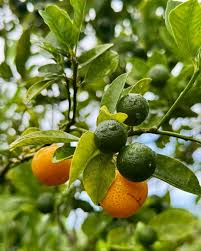

Calamansi,citrus fruit are small, typically about 1-2 inches in diameter, with a thin. Smooth skin that changes from green to bright orange as they ripen. Despite their diminutive size, they are packed with a potent, tangy juice that is often described as a cross between a lime and a tangerine.
The calamansi tree is a hardy, bushy plant that can grow up to 20 feet tall. It thrives in tropical and subtropical climates, preferring well-drained soil and full sunlight. The trees are known for their prolific fruit production and can bear fruit year-round. Making them a reliable source of citrus throughout the year.
Culinary Uses;

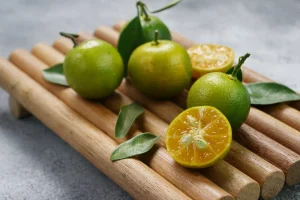
calamansi citrus
Calamansi is a versatile fruit in the kitchen, used both for its juice and zest. The juice is a key ingredient in many Filipino dishes, adding a bright, citrusy flavor to marinades, sauces, and drinks. It is commonly used in dipping sauces, such as the popular soy sauce and calamansi dip served with grilled meats and seafood.
In beverages, calamansi juice is often sweetened and served as a refreshing drink, similar to lemonade. It is also used to flavor cocktails, smoothies, and iced teas. The fruit’s zest can be used to add a fragrant, citrus note to baked goods and desserts, enhancing their flavor profiles.
Nutritional Benefits;


calamansi citrus
Calamansi is rich in vitamin C, which supports immune health, skin vitality, and antioxidant protection. It also contains smaller amounts of other vitamins and minerals, such as vitamin A, potassium, and calcium. The fruit’s high acidity and natural enzymes aid in digestion, making it a popular remedy for digestive issues in traditional medicine.
Medicinal Uses;

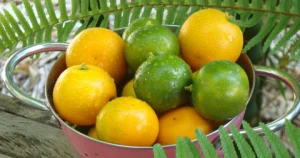
calamansi citrus
In traditional Filipino medicine, calamansi is used to treat a variety of ailments, from colds and coughs to skin conditions. Its high vitamin C content makes it an effective immune booster, while its antibacterial properties help in treating infections. The juice is often applied topically to the skin to lighten dark spots and acne scars, showcasing its versatility beyond culinary uses.
Summary
A tiny citrus fruit indigenous to Southeast Asia, especially the Philippines, calamansi is sometimes referred to as calamondin or Citrus microcarpa. Calamansi, prized for its distinct blend of sour and sweet tastes, is now a common component in many regional culinary and therapeutic applications.