Menstruation
Calculating Menstrual Cycle

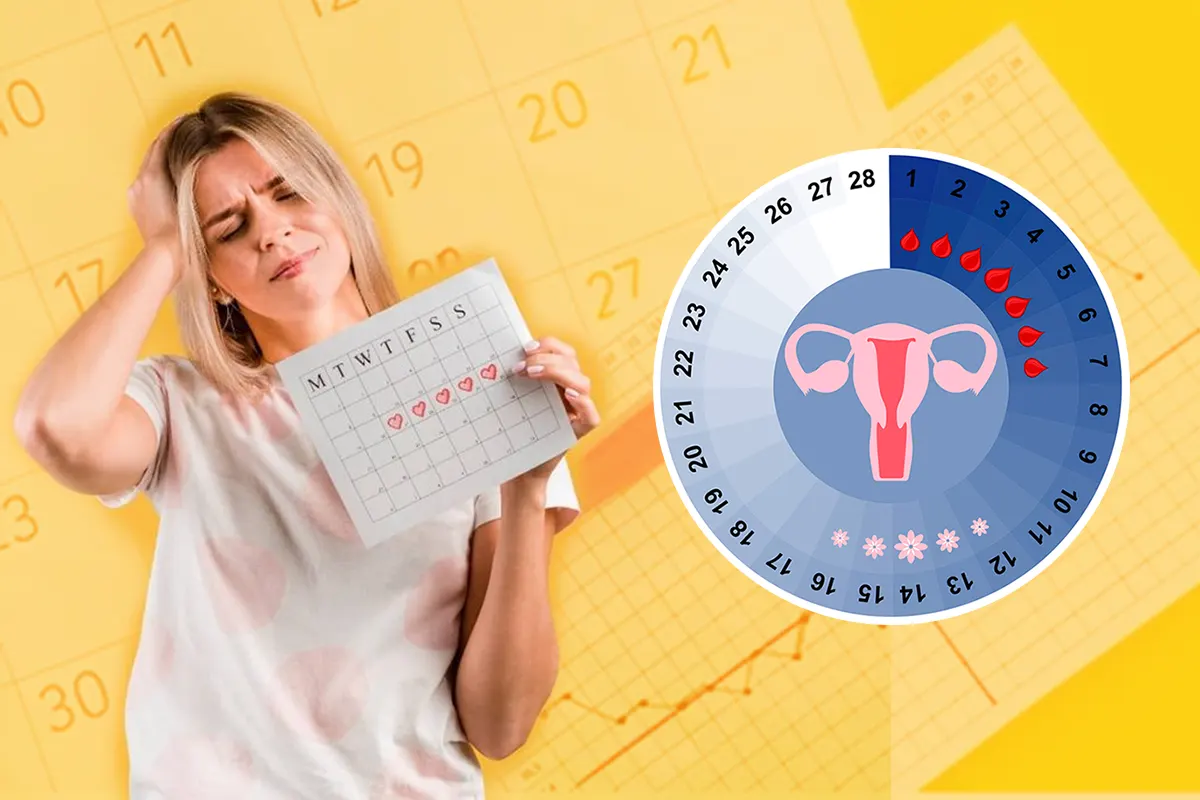
Calculating menstrual cycle. Women are better equipped to manage their health when they recognize and accept the menstrual cycle as a normal aspect of reproductive health. Women can confidently navigate their menstrual cycles, encouraging not only physical health but also emotional and mental well-being during each stage of the menstrual journey, by paying attention to the body’s signs, adopting healthy lifestyle behaviors, and seeking support when needed.
CALCULATING MENSTRUAL CYCLE
An important and natural component of a woman’s reproductive health is her menstrual cycle. Hormonal swings and physiological alterations are part of this intricate, recurrent process. The various stages of the menstrual cycle, the hormonal dynamics at work, and strategies for women to maintain their health and wellbeing during this monthly cycle will all be covered in this article.
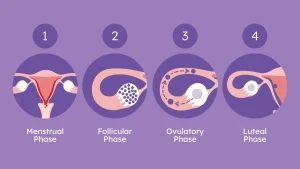
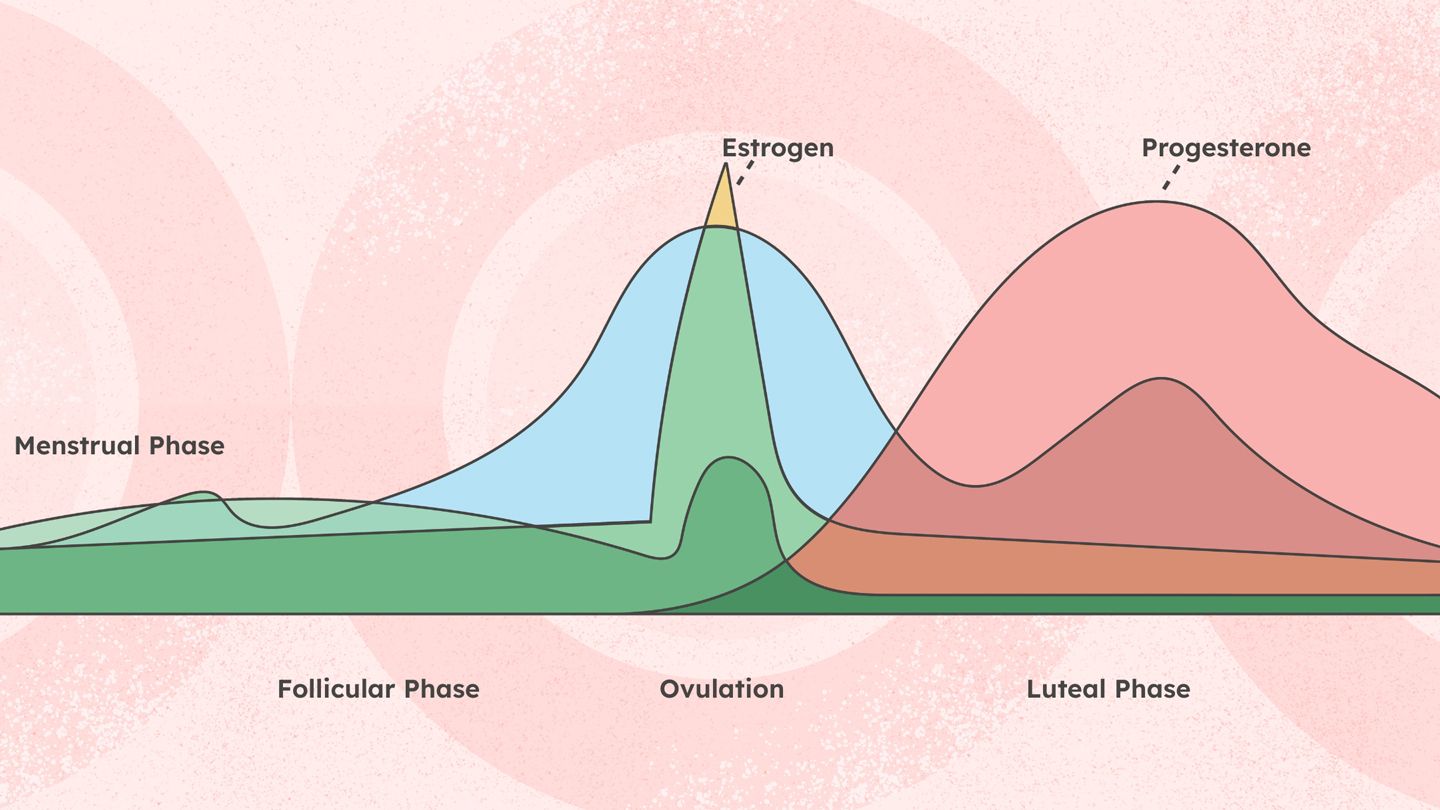
1. Menstrual Phase:
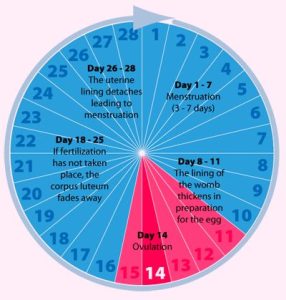
• It Typically lasts 3-7 days.
– The Description: The shedding of the uterine lining results in menstrual bleeding.
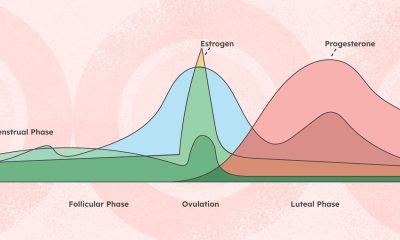
• Hormonal Changes: Estrogen and progesterone levels are low during this phase.
2. Follicular Phase:
• It’s Approximately 7-14 days.
– Description: The body prepares for ovulation as the ovaries produce follicles containing eggs.
• Hormonal Changes: Estrogen levels rise, stimulating the thickening of the uterine lining.
3. Ovulatory Phase:
• Duration: Usually occurs around day 14 of a 28-day cycle.
– Description: The mature egg is released from the ovary, ready for fertilization.
• Hormonal Changes: A surge in luteinizing hormone (LH) triggers ovulation, and estrogen levels peak.
4. Luteal Phase:
-Duration: Approximately 14 days.
• Description: If the egg is not fertilized, hormone levels drop, leading to the breakdown of the uterine lining.
• Hormonal Changes: Progesterone rises to prepare the uterus for a potential pregnancy.
Managing Menstrual Health:
1. Nutrition:

• Iron-Rich Foods: Consume iron-rich foods to replenish lost iron during menstruation.
• Omega-3 Fatty Acids: Foods like flaxseeds and fatty fish may help alleviate menstrual cramps.
2. Exercise:
• Regular Physical Activity: Engaging in regular exercise can help manage stress and may alleviate menstrual symptoms.
• Yoga and Stretching: Gentle exercises like yoga can be beneficial for menstrual pain and discomfort.
3. Hydration:

Calculating menstrual cycle
• Adequate Water Intake: Staying hydrated is crucial for overall health and can help manage bloating and water retention.
4. Sleep:
• Prioritize Sleep: Ensure sufficient rest, as sleep plays a vital role in hormonal balance and overall well-being
5. Menstrual Products:

Calculating menstrual cycle
• Choices: Explore various menstrual products, such as pads, tampons, menstrual cups, or period underwear, to find what suits your comfort and lifestyle.
Period-Tracking Apps:

Calculating menstrual cycle
• Technology: Consider using menstrual cycle tracking apps to monitor and predict your menstrual cycles, ovulation, and symptoms. Stay tuned for more updates.
Summary
Determine your average cycle length (usually 21–35 days) and the first day of your most recent period to determine your next period and viable window. The start date of your previous period is added to your cycle length to estimate the upcoming period. Typically, ovulation takes place 14 days before to the subsequent menstrual cycle.






Changes in Menstrual Cycle. This can be brought on by a number of things, from underlying medical issues to stress and lifestyle modifications. It’s crucial to speak with a healthcare professional if you observe notable or ongoing changes in your menstrual cycle in order to rule out any serious problems and to talk about how to manage or resolve these changes. You can take proactive measures to preserve your reproductive health by being aware of the elements that affect your cycle.
CHANGES IN MENSTRUAL CYCLE
Changes in the menstrual cycle can be brought on by a number of things, from underlying medical issues to stress and lifestyle modifications. It’s crucial to speak with a healthcare professional if you observe notable or ongoing changes in your menstrual cycle in order to rule out any serious problems and to talk about how to manage or resolve these changes. You can take proactive measures to preserve your reproductive health by being aware of the elements that affect your cycle.
1. Stress;

Stress is one of the most common reasons for changes in the menstrual cycle. High levels of stress can disrupt the balance of hormones like cortisol and adrenaline, which can, in turn, affect the hormones that regulate the menstrual cycle. This can lead to delayed or skipped periods.
2. Weight Fluctuations;
Significant changes in body weight, whether weight gain or loss, can impact menstrual cycles. Body fat plays a role in estrogen production, and too much or too little body fat can lead to irregular periods. Extreme dieting or eating disorders can also cause menstruation to stop altogether, a condition known as amenorrhea.
3. Exercise;

Changes in Menstrual Cycle
Intense physical activity, especially when combined with low body fat, can disrupt the menstrual cycle. Athletes, particularly those in endurance sports, may experience irregular periods or amenorrhea due to the strain on the body and changes in hormone levels.
4. Hormonal Birth Control;
Hormonal contraceptives, such as birth control pills, patches, or intrauterine devices (IUDs), can alter the menstrual cycle. These methods work by changing the natural hormone levels in the body to prevent ovulation, which can lead to lighter, less frequent, or even absent periods.
5. Polycystic Ovary Syndrome;
PCOS is a hormonal disorder that affects many women of reproductive age. It causes irregular menstrual cycles, often due to higher levels of androgens (male hormones) and insulin resistance. Women with PCOS may experience infrequent periods, prolonged periods, or even the absence of menstruation.
6. Thyroid Issues;

Changes in Menstrual Cycle
The thyroid gland plays a crucial role in regulating metabolism and hormone production. Both hyperthyroidism (overactive thyroid) and hypothyroidism (underactive thyroid) can lead to changes in the menstrual cycle, such as irregular periods or heavier bleeding.
7. Perimenopause;
As women approach menopause, typically in their late 40s to early 50s, their menstrual cycles often become irregular. This transitional phase, known as perimenopause, is marked by fluctuating hormone levels, leading to changes in cycle length, flow, and symptoms.
Summary
Everybody’s cycle is different. Menstrual bleeding can last up to eight days and occur every 24 to 38 days. Your periods may be lengthier when you initially start getting them. Your menstrual cycles usually get shorter and more regular as you get older.

Earth Frozen Frontiers

Natural Majestic Wonders

Daily Life Hacks

A Step-by-Step Guide to Deleting Reels on Instagram

A Comprehensive Guide to Setting Up a YouTube Premiere