
Skin health
Carrots Benefits on Skin


Carrots benefits on skin. Root vegetables like carrots were first cultivated in Afghanistan circa 900 AD. Though their most well-known color is orange, they also come in purple, yellow, red, and white. Carrots were originally either purple or yellow. In Central Europe, orange carrots were first cultivated in the fifteenth or sixteenth century. Daucus carota, the scientific name for carrot, is a root vegetable that has amazing medicinal properties. It is one of the primary dietary sources of beta-carotene, a provitamin
CARROTS BENEFITS ON SKIN
In addition, it contains minerals like calcium, magnesium, phosphorus, potassium, and vitamins B and C. Carrots are a nutritional powerhouse that can help your skin in many ways; they’re not just a crunchy, sweet addition to your diet. These root vegetables, which include carrot oil and carrot juice, provide a number of skin-benefiting properties that can help you attain a healthy, radiant complexion. This post will discuss six fantastic skin-benefiting qualities of carrots and how to include them in your skincare regimen.
1. Enhances Skin Glow

Carotenoids, primarily β-carotene and lycopene, are abundant in carrots and exhibit strong antioxidant qualities. They also give them their vivid red and orange colors. These prevent skin damage, reduce dark spots, and enhance the overall health of your skin. Carrot juice can help keep your skin glowing and prevent dullness when consumed or applied topically.
2. Avoiding Wrinkles
One of the main causes of premature skin aging is most likely oxidative stress. Your body may produce more free radicals as a result of psychological stress, exposure to the sun, pollution, and an unhealthy diet and way of life. Natural antioxidants like alpha and beta-carotene, anthocyanins, and lycopene, which help scavenge reactive species and stop cell death and skin damage, are abundant in carrots.
3. Hydrates Parched Skin
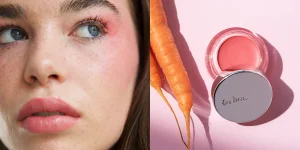
One of the main causes of dry skin is transepidermal moisture loss brought on by an aggravation of the Vata dosha. About 88% of a carrot is made of water. By balancing the Vata dosha and restoring lost moisture, applying carrot juice or oil to your skin helps avoid dryness. Additionally, the presence of carotene, a precursor to vitamin A, aids in the healing of dry skin conditions and the reconstruction of the epidermal barrier.
4. Addresses Skin Discolorations
Dark spots and blemishes on your skin can be caused by an excess of the melanin pigment, which can be brought on by hormonal changes, inflammatory conditions, and frequent sun exposure. The high concentration of phenolic compounds, particularly chlorogenic acid, in carrots makes them prized.
5. Enhances Skin Permeability Barrier

The stratum corneum lipids and corneocytes that make up the epidermal barrier aid in preserving homeostasis and thwarting the entry of pathogenic microbes. Its depletion due to age and environmental factors, however, can make your skin more susceptible to infections. Applying apigenin, a naturally occurring flavone found in carrots, topically enhances your skin’s permeability barrier function. It improves the general health of your skin by promoting the differentiation of epidermal cells, the synthesis of lipids, and the production of cutaneous antimicrobial peptides.
6. Strengthens Resistance to Sunlight

Carotenoids are a class of antioxidants found in carrots that build up in the topmost layer of your skin when you eat or apply them. This shields your skin from the sun’s damaging rays. Carotenoids prevent photodermatoses and UV-induced erythema and lessen your skin’s sensitivity to UV radiation. Additionally, they aid in the absorption of solar radiation and inhibit the production of free radicals, which cause premature aging and skin damage.
Summary
Reversing skin damage, delaying aging, and shielding your skin from the sun’s harmful rays are all possible with carrot oil. Both dry and oily skin regimens benefit greatly from the addition of this delicious vegetable, which has numerous skin-benefitting properties. Determine a dosage based on your Prakriti (body constitution) if you intend to include it in your diet.




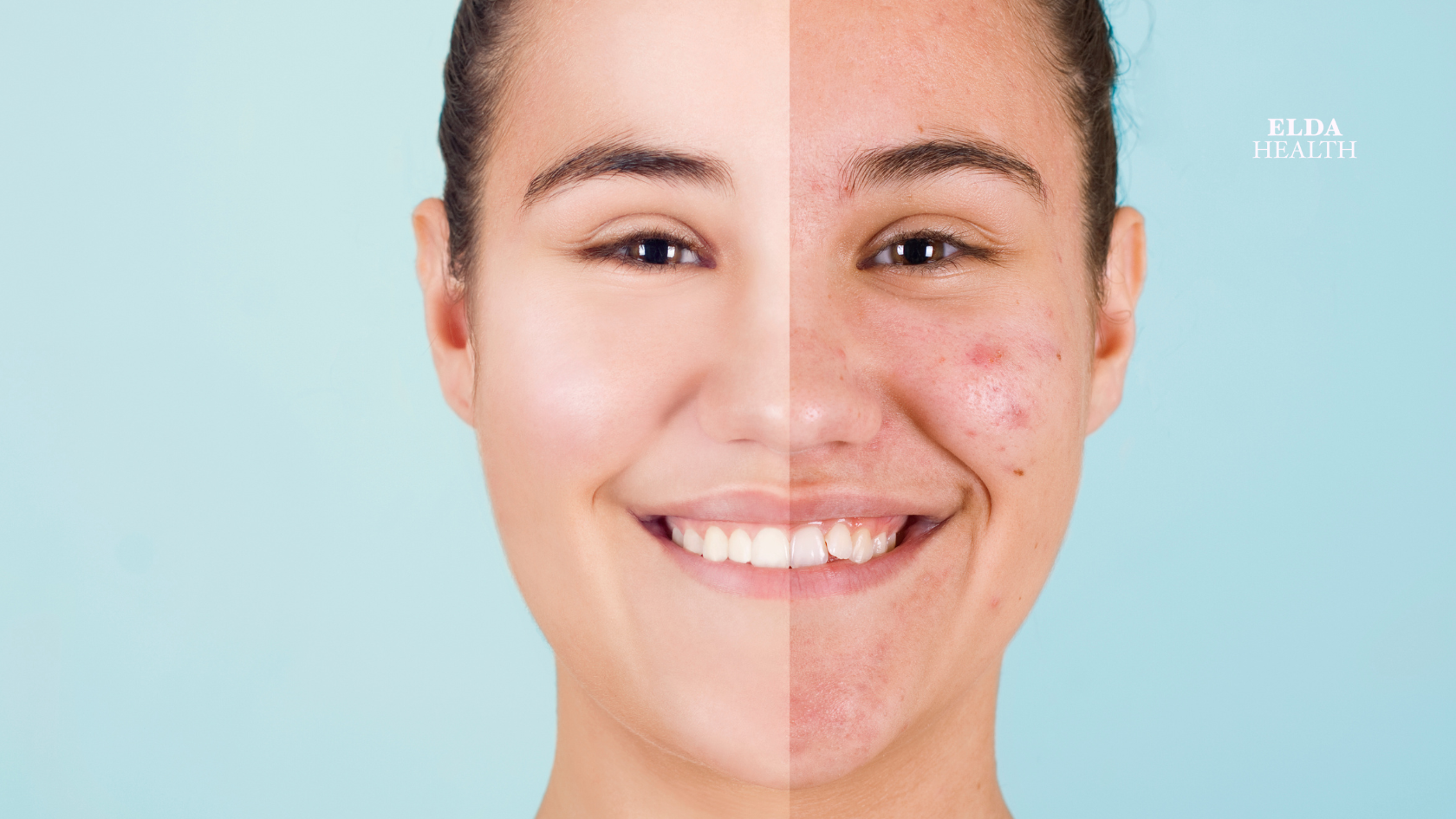
Effective home remedies for skin acne. Natural treatments for acne include apple cider vinegar, tea tree oil, honey and cinnamon masks, and aloe vera gel. Your skin can be calmed and cleared by incorporating these into your routine. Before attempting any new therapy, always conduct a patch test.
EFFECTIVE HOME REMEDIES FOR SKIN ACNE
Acne is a common skin condition caused by clogged hair follicles due to oil and dead skin cells, leading to pimples, blackheads, and sometimes cysts. Factors like hormonal changes, excess oil production, bacteria, diet, stress, and genetics can contribute to acne. Here are four home remedies to help manage and reduce acne:
1. Tea Tree Oil;
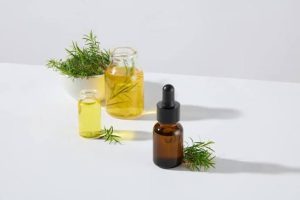
Overview: Known for its antiseptic and anti-inflammatory properties, tea tree oil kills acne-causing bacteria and soothes the skin.
Usage:
– Dilution: Mix one part tea tree oil with nine parts water.
– Application: Apply with a cotton swab to affected areas and leave for 15-20 minutes before rinsing.
– Frequency: Once or twice daily.
2. Honey and Cinnamon Mask;

Effective home remedies for skin acne
Overview: Honey’s antibacterial and healing properties combined with cinnamon’s anti-inflammatory effects help reduce acne.
Usage:
– Preparation: Mix two tablespoons of honey with one teaspoon of cinnamon.
– Application: Apply to face, leave for 10-15 minutes, and rinse with lukewarm water.
3. Aloe Vera Gel;
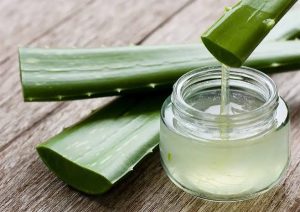
Effective home remedies for skin acne
Overview: Aloe vera soothes, heals, and reduces redness and inflammation.
Usage:
– Extraction: Apply fresh aloe vera gel to clean skin, leave overnight, and rinse in the morning.
4. Apple Cider Vinegar;

Overview: ACV contains organic acids that kill bacteria and exfoliate the skin.
Usage:
– Dilution: Mix one part ACV with three parts water.
– Application: Apply with a cotton ball, leave for 5-20 seconds, and rinse off.
– Frequency: Once or twice daily.
Summary
Reducing inflammation, eliminating germs, and clearing clogged pores are the main goals of effective home treatments for skin acne. Important treatments include applying green tea to lessen oil production, soothing redness with aloe vera, and treating spots with diluted tea tree oil.
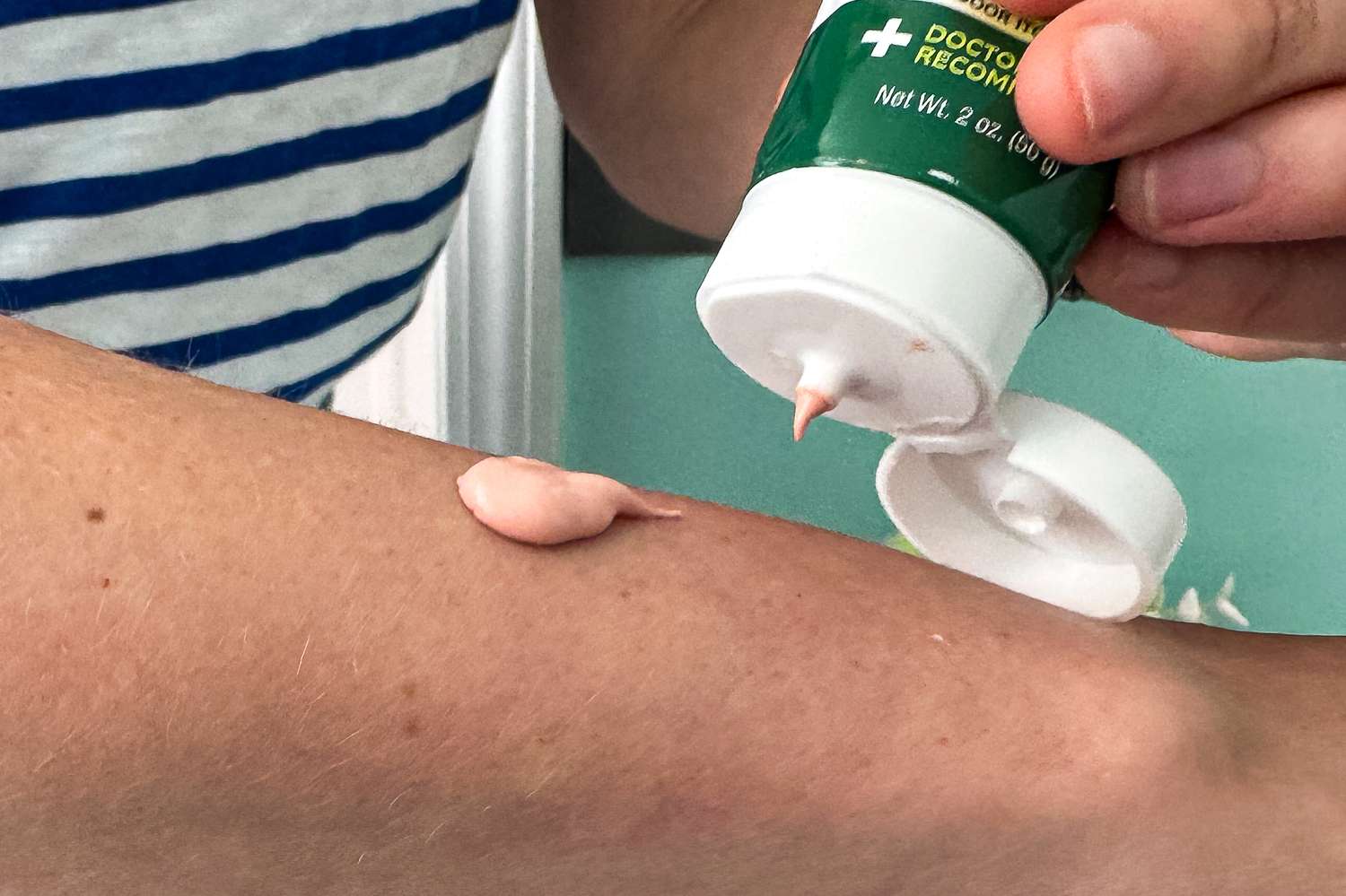
Types of anti-itch creams. When managing itchy skin conditions, selecting the appropriate anti-itch cream can greatly enhance comfort and quality of life. For different kinds of itching and irritation, hydrocortisone cream, calamine lotion, diphenhydramine cream, pramoxine cream, and menthol and camphor cream all have special advantages and work well. Consult a healthcare provider if symptoms worsen or continue, and always follow the directions that come with each product.
TYPES OF ANTI-ITCH CREAMS
Itchy skin can be an uncomfortable and distracting problem, whether caused by insect bites, allergies, eczema, or other conditions. Anti-itch creams provide much-needed relief by soothing irritation and reducing inflammation. Here are five highly effective anti-itch creams that can help alleviate discomfort and promote skin healing.
1. Hydrocortisone Cream;
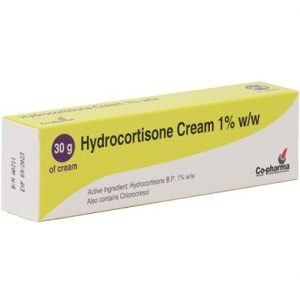
Overview: Hydrocortisone cream is a popular over-the-counter solution for itching and inflammation. It contains a mild corticosteroid that reduces redness, swelling, and itching.
Uses: Ideal for treating eczema, insect bites, allergic reactions, and rashes.
Benefits:
– Provides fast relief from itching and irritation.
– Reduces inflammation and redness.
– Available in various strengths for different levels of severity.
Application: Apply a thin layer to the affected area 1-2 times daily, following the instructions on the label or as directed by a healthcare professional.
2. Calamine Lotion;
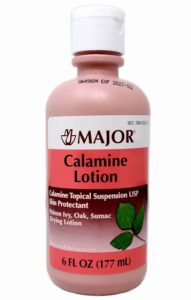
Overview: Calamine lotion is a time-tested remedy for itching and irritation. It contains zinc oxide and ferric oxide, which have astringent and soothing properties.
Uses: Effective for treating poison ivy, poison oak, insect bites, and mild skin irritations.
Benefits:
– Provides a cooling sensation that alleviates itching.
– Helps dry out oozing or weeping skin conditions.
– Safe for use on children and adults.
Application: Shake the bottle well before use, apply to the affected area with a cotton ball or pad, and let it dry on the skin.
3. Diphenhydramine Cream;
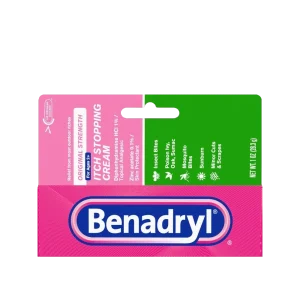
Overview: Diphenhydramine cream, commonly known by the brand name Benadryl, is an antihistamine cream that blocks histamines, the chemicals in the body that cause allergic reactions and itching.
Uses: Useful for treating itching from insect bites, minor skin irritations, and allergic reactions.
Benefits:
– Provides targeted relief from itching.
– Reduces the body’s histamine response.
– Easy to apply and fast-acting.
Application: Apply a small amount to the affected area up to 3-4 times a day, ensuring not to use on large areas of the body.
4. Pramoxine Cream;

Types of anti-itch creams
Overview: Pramoxine cream is a topical anesthetic that numbs the skin, providing relief from itching and discomfort.
Uses: Suitable for treating itching associated with eczema, poison ivy, insect bites, and other minor skin irritations.
Benefits:
– Provides quick numbing relief.
– Reduces the urge to scratch, which can prevent further skin damage.
– Often combined with other soothing ingredients like hydrocortisone or aloe vera.
Application: Apply to the affected area 3-4 times daily, or as directed by a healthcare provider.
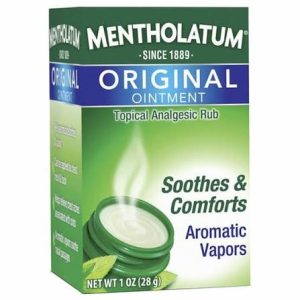
5. Menthol and Camphor Cream;
Types of anti-itch creams
Overview: Sarna cream combines menthol and camphor to provide a cooling effect that helps soothe itching and irritation. These ingredients are known for their counterirritant properties.
Uses: Effective for relieving itching from dry skin, insect bites, sunburn, and minor skin irritations.
Benefits:
– Provides a cooling, soothing sensation.
– Non-greasy and absorbs quickly into the skin.
– Free from steroids, making it suitable for long-term use.
Application: Apply to the affected area no more than 3-4 times daily.
Summary
The active components in anti-itch creams are classified according to how they reduce inflammation, numb the skin, or provide a cooling effect. The underlying cause of your itchy skin will determine which cream is best for you.

Skin and Irritations. They are frequent conditions that can afflict people of all ages. They might appear as anything from little redness to severe rashes, which can be uncomfortable and, if addressed, can occasionally result in more significant health issues. Effective management and prevention of skin irritations can be achieved by being aware of their causes, symptoms, and available treatments.
SKIN AND IRRITATIONS
Even though they are frequently irritating, skin irritations are typically treatable with the right care. People can take proactive measures to avoid irritations and maintain healthy skin by being aware of the causes and symptoms. To guarantee proper treatment and care in cases that are severe or persistent, expert medical advice is crucial.
Causes;

1. Allergies: Contact with allergens such as pollen, pet dander, certain foods, or latex can trigger allergic reactions on the skin, leading to conditions like eczema or hives.
2. Irritants: Exposure to harsh chemicals, soaps, detergents, or certain fabrics can irritate the skin, causing dermatitis. Frequent hand washing or using hand sanitizers can also strip the skin of its natural oils, leading to dryness and irritation.
3. Infections: Bacterial, viral, or fungal infections can cause skin irritations. Common examples include impetigo (bacterial), herpes simplex (viral), and ringworm (fungal).
4. Environmental Factors: Extreme weather conditions, such as excessive heat, cold, or humidity, can irritate the skin. Sunburn from overexposure to UV rays is another common environmental cause.
5. Underlying Health Conditions: Certain health conditions, such as psoriasis, rosacea, or autoimmune diseases, can cause chronic skin irritations.
Symptoms;
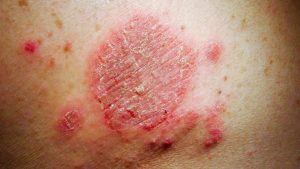
– Redness: The affected area may appear red or inflamed.
– Itching: Persistent itching is a common symptom of many skin irritations.
– Swelling: The irritated skin may become swollen or puffy.
– Dryness: The skin may feel dry, rough, or scaly.
– Blisters or Rashes: Some irritations can lead to the development of blisters, rashes, or hives.
– Pain or Tenderness: The affected area may be painful or sensitive to touch.
Treatment Options;
Skin and Irritations
1. Avoiding Triggers: Identifying and avoiding the triggers of skin irritation is crucial. This includes steering clear of known allergens and irritants.
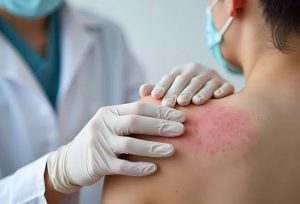
2. Topical Treatments: Over-the-counter creams and ointments containing hydrocortisone, aloe vera, or calendula can help soothe irritated skin. Prescription medications may be necessary for more severe cases.
3. Moisturizers: Regularly applying moisturizers can help prevent dryness and protect the skin barrier. Look for products with ingredients like ceramides, glycerin, or hyaluronic acid.
4. Antihistamines: Oral antihistamines can relieve itching and allergic reactions. They are particularly useful for conditions like hives or allergic dermatitis.
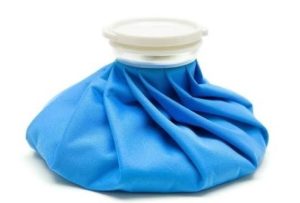
5. Cold Compresses:
Skin and Irritations
Applying a cold compress can reduce inflammation and provide immediate relief from itching and swelling.
6. Proper Hygiene: Keeping the affected area clean and dry can prevent infections and promote healing. Avoid using harsh soaps and opt for gentle, fragrance-free cleansers.
7. Professional Help: If skin irritation persists or worsens, seeking advice from a dermatologist is recommended. They can provide specialized treatments and identify any underlying health conditions.
Summary
Contact with allergens, irritants (such as specific textiles, soaps, or plants), or underlying inflammatory diseases like psoriasis and eczema are usually the causes of skin irritations and rashes. The best way to start feeling better is to find and eliminate the trigger.
Foods Rich in Zinc

Appetite Enhancement Tips

Nutritional Value of Rolled Oats

A Step-by-Step Guide to Deleting Reels on Instagram

A Comprehensive Guide to Setting Up a YouTube Premiere

How to Create a WhatsApp Group
-

 Health4 weeks ago
Harmful side effects of earphones
-

 Self esteem4 weeks ago
Tips for self esteem improvement
-

 Exercise4 weeks ago
Regular physical activities importance
-

 Health4 weeks ago
Headphones safety tips
-

 Business3 weeks ago
Local business promotion
-

 Entertainment3 weeks ago
Women and British dance music