
Fruits
Cashew Skin Benefits


CASHEW SKIN BENEFITS
Cashew skin benefits. Skincare regimens and dietary decisions are frequently combined in the pursuit of glowing, healthy skin. The humble cashew is one unsung hero in this endeavor. Setting out on a path to glowing skin involves more than just topical treatments; it also involves making dietary decisions. We reveal the benefits of cashews for skin health in this investigation. These cashews, bursting with distinctively flavored roasts, provide a delicious way to improve complexion from the inside out. These nuts, which are high in heart-healthy monounsaturated fats, help to hydrate and supple skin.
CASHEW SKIN BENEFITS
Rich in antioxidants, they fight oxidative stress and encourage a more youthful appearance. A rich source of vital nutrients, cashews are essential vitamins, minerals and for keeping skin healthy and radiant: Monounsaturated and polyunsaturated fatty acids, which are abundant in cashews, help preserve the natural suppleness and moisture of skin, avoiding dryness and the development of fine lines.
1. Vitamin E for Healthy Skin

Vitamin E, a strong antioxidant with skin-nourishing qualities, is abundant in cashews. Vitamin E supports the elasticity and general health of the skin by shielding it from oxidative stress.
2. Synthesis of Collagen and Its Anti-Aging Properties Coppe
a mineral found in cashews, is necessary for the production of collagen, a protein that gives skin its elasticity and structure. Consuming enough copper helps to promote a more youthful complexion by lessening the visibility of wrinkles and fine lines.
3. Zinc to Manage Acne

Another important ingredient in cashews is zinc, which helps regulate inflammation and may aid in the treatment of acne. By controlling oil production and promoting the skin’s natural healing mechanisms, its anti-inflammatory qualities help to create a clearer complexion.
4. Aids in the Healing of Wounds
Cashews are a great source of zinc, which is necessary for skin regeneration and repair. It lessens the possibility of scarring and promotes wound healing. Including cashews in your diet can promote quicker healing of minor cuts and blemishes.
5. Lowers Inflammatory

Cashews’ magnesium content aids in the body’s reduction of inflammation, which is advantageous for skin disorders like psoriasis and acne. Cashews can lessen redness and increase overall skin clarity by reducing inflammation.
6. Encourages Skin Health

Antioxidants, which are abundant in cashews, help fight oxidative stress and shield the skin from harm. Cashews’ antioxidants, such as polyphenols and carotenoids, can help minimize wrinkles and fine lines, resulting in a more youthful complexion.
7. Retention of Hydration and Moisture
Cashews’ healthy fats are essential for preserving the hydration of the skin. By forming a barrier that retains moisture, these fats help avoid dryness and flakiness. Skin that is softer and more supple can result from regular cashew consumption. Combats Aging Vitamin E, which is known to have anti-aging effects, is abundant in cashews. This vitamin contributes to a more youthful appearance by shielding skin cells from UV and free radical damage. Frequent cashew consumption can support the preservation of skin suppleness.
8. Enhances Skin Tone

The synthesis of melanin, which gives skin its color, depends critically on copper. You can prevent hyperpigmentation and hel€p maintain a balanced skin tone by making sure you’re getting enough copper from cashews.
9. Skin Rejuvenation

Vitamin E and selenium, which are abundant in cashews, are potent antioxidants that protect your skin from UV rays and help keep it clear of imperfections, giving you a youthful glow. Additionally, they encourage skin cell renewal, which aids in skin rejuvenation and repair.
Summary
You might be surprised to learn how beneficial cashews are for your body, hair, and skin. They are very good at checking anemia because they are rich in iron and zinc. They give you that sun-kissed glow because they contain iron, zinc, magnesium, vitamin C, and selenium. They are also the best for your hair because they contain a lot of copper and phosphorus. To learn more about this superfood, continue reading.







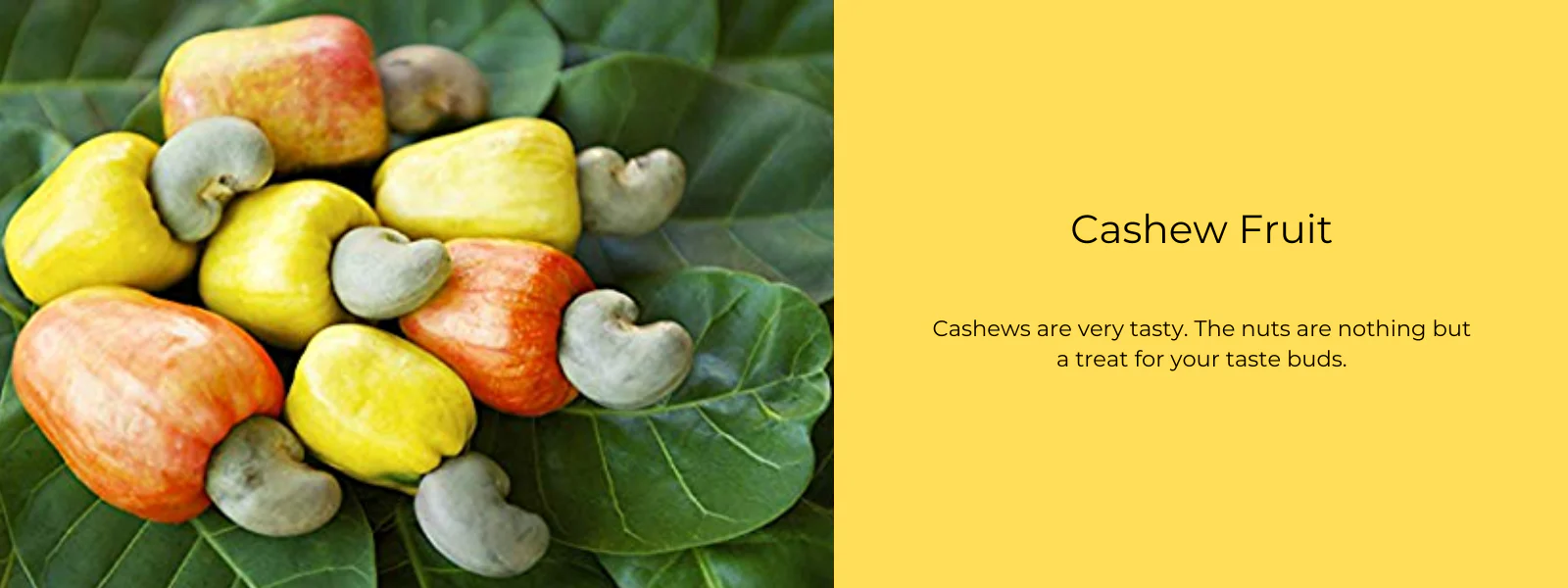
Nutritional impacts of cashew fruits. High quantities of vitamin C, antioxidants, vital minerals (copper, magnesium, iron), and healthy unsaturated fats are just a few of the nutritional advantages of cashew fruits, particularly the cashew apple, and the nuts that are linked to them. These nutrients build bone density, support heart health, increase immunity, and help control weight.
NUTRITIONAL IMPACTS OF CASHEW FRUITS
The Anacardium occidentale tree’s interesting and incredibly useful cashew fruit is sometimes overlooked in favor of the cashew nut. The cashew fruit, which is indigenous to Brazil, is made up of two parts: the cashew nut, which develops beneath the cashew apple, which is a plump, juicy stem.
Nutritional Benefits;
The cashew apple is rich in vitamins and minerals, making it a healthy addition to diets:
– Vitamin C: A powerful antioxidant that boosts immunity and supports skin health.

Nutritional impacts of cashew fruits
– Dietary Fiber: Aids digestion and promotes gut health.
– Low Calorie: A refreshing, nutrient-packed fruit for weight-conscious individuals.
Culinary Uses;

Nutritional impacts of cashew fruits
Though less popular than the nut, the cashew apple is widely consumed in many tropical regions:
– Juices and Drinks: The fruit is processed into refreshing juices or fermented to create alcoholic beverages.
– Jams and Syrups: Its sweet and tangy flavor makes it ideal for preserves and syrups.

Nutritional impacts of cashew fruits
– Raw Consumption: While edible raw, it is often eaten with a sprinkle of salt or sugar due to its astringent taste.
Economic and Agricultural Importance;

The cashew fruits plays a significant role in economies where cashew farming is prominent:
– Cashew Nut Production: The nut, more commercially valuable, drives global demand for cashew cultivation.
– Byproducts: The apple is increasingly used in producing biofuels, animal feed, and compost, reducing waste.
Environmental Impact of Cashew;

Cashew trees are resilient and thrive in arid climates, making them a sustainable crop in regions prone to drought. However, care must be taken to avoid overexploitation and promote fair trade practices.
Summary
Cashew fruits are a source of innovation, nourishment, and economic opportunities in addition to being a nut-bearing plant. We can maximize the potential of this amazing tropical fruit by investigating its applications.
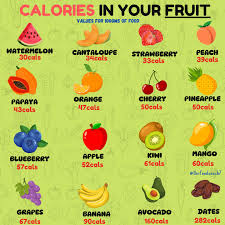
Healthy low calories fruits. With fiber, vitamins, and a high water content to encourage fullness, these nutritious, low-calorie fruits—which typically have less than 70 calories per 100g—are great choices for managing weight. Berries (strawberries, raspberries), citrus (grapefruit, oranges), melons, and stone fruits are excellent options since they promote immunity and heart health.
HEALTHY LOW CALORIES FRUITS
Fruits, many of which are naturally low in calories, are a tasty and nourishing way to sate hunger. These fruits are ideal for people who want to control their weight while still indulging in a tasty treat that is high in fiber, vitamins, and minerals.
Top Low-Calories Fruits;
1.Watermelon (30 calories per 100g): Hydrating and refreshing, it’s perfect for hot days.
2.Strawberries (32 calories per 100g): Rich in vitamin C and antioxidants, they make a healthy snack or dessert topping.

HEALTHY LOW CALORIES FRUITS
3.Peaches (39 calories per 100g): Juicy and sweet, peaches are a great source of vitamins A and C.
4.Apples (52 calories per 100g): Low in calories and high in fiber, apples are perfect for keeping you full longer.
5.Oranges (47 calories per 100g): Packed with vitamin C, oranges are a low-calorie option for boosting immunity.
Benefits;

HEALTHY LOW CALORIES FRUITS
– Weight Management: They provide natural sweetness with fewer calories, making them an excellent substitute for sugary snacks.
– Rich in Fiber: Helps keep you full, supports digestion, and reduces unhealthy cravings.
– Hydration: Many low-calorie fruits, like watermelon and oranges, are high in water content.
Tips for Enjoying Low-Calorie Fruits;

HEALTHY LOW CALORIES FRUITS
– Snack on them raw or combine them into fruit salads.
– Blend them into smoothies without added sugars.
– Pair with a handful of nuts or yogurt for a balanced snack.
Summary
Low-calorie fruits are a delicious approach to meet your exercise objectives while staying hydrated, healthy, and full.

High calorie fruits. Bananas (~90/100g), mangoes (~60/100g), avocados (~160/100g), and dried fruits like dates (282/100g) are rich in calories, while watermelon (around 30/100g) and strawberries (~32/100g) are low in calories. Serving size and fruit variety affect calorie content; fruits high in water have less calories than dried or fatty fruits (such as avocado or coconut).
HIGH CALORIE FRUITS
fruits, such as avocado, coconut, bananas, mangoes, and dried fruits (dates, raisins, and prunes), are perfect for gaining weight in a healthy way. These nutrient-dense options contain fiber, good fats, and carbohydrates; a cup of avocados has about 240 calories, while a cup of dried fruit has more than 350–400 calories.
Fruits to Watch Out For;

1.Avocado (160 calories per 100g): While rich in healthy fats and nutrients, avocados are dense and best enjoyed in small portions.
2.Dates (277 calories per 100g): These sweet fruits are high in natural sugars, making them better suited as an occasional treat.
3.Coconuts (354 calories per 100g of flesh): Coconut meat is rich in fats, making it heavy despite its fiber content.

HIGH CALORIE FRUITS
4.Bananas (89 calories per 100g): Though not excessively, their carbohydrate content can add up if consumed in large quantities.
5.Grapes (69 calories per 100g): Easy to overeat due to their small size, grapes are relatively high in sugar.
Why Limit it?

HIGH CALORIE FRUITS
•Weight Management: Overeating dense fruits can hinder weight loss goals.
•Blood Sugar Control: Some fruits, like dates and grapes, can spike blood sugar levels when consumed in excess.
Healthy Alternatives;

HIGH CALORIE FRUITS
Opt for watermelon, berries, or peaches to satisfy sweet cravings without overloading on calories.
While it is still nutritious, mindful portion sizes ensure you reap their benefits without compromising your dietary goals.
Summary
Fruits are rich in nutrients, but they can also contain natural sugars and. It’s crucial for people limiting their calorie intake to eat these fruits in moderation to prevent going over their daily energy requirements.

Holidays and Vacations

Bilingual Education Impacts

Career Tips

A Step-by-Step Guide to Deleting Reels on Instagram

How to Create a WhatsApp Group


