Health
Causes of reduced sense of taste and smell

Causes of reduced sense of taste and smell. Aging, head injuries, exposure to environmental chemicals, common infections, and nasal problems are only a few of the causes of diminished sense of smell and taste. Effective management and treatment depend on determining the underlying cause. For an accurate diagnosis and advice, it’s crucial to speak with a healthcare provider if you have a chronic loss of taste and smell.
CAUSES OF REDUCED SENSE OF TASTE AND SMELL
A diminished sense of taste (hypogeusia) and smell (hyposmia) can have a major impact on day-to-day activities and food satisfaction. A loss of one of these senses frequently affects the other because of their close relationship. Finding the right treatment and successfully treating these illnesses can be aided by being aware of the possible reasons.
1. Upper Respiratory Infections;
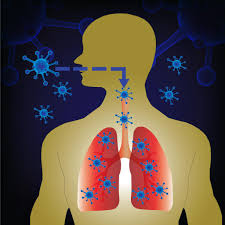

Viral infections, such as the common cold, flu, and COVID-19, are leading causes of temporary loss of smell and taste. These infections cause inflammation and congestion in the nasal passages, which can block the olfactory receptors responsible for detecting smells. In most cases, these symptoms resolve once the infection subsides.
2. Nasal and Sinus Issues;
Conditions like chronic sinusitis, nasal polyps, and allergic rhinitis can lead to reduced smell and taste. Chronic sinusitis causes persistent inflammation and blockage in the nasal passages, while nasal polyps are noncancerous growths that can obstruct airflow and reduce the ability to smell. Allergic rhinitis, triggered by allergens like pollen or dust mites, leads to nasal congestion and inflammation, impacting olfactory function.
3. Aging;


Causes of reduced sense of taste and smell
As people age, their sense of smell and taste naturally decline. This is due to the gradual loss of olfactory receptor cells and taste buds, as well as changes in the way the brain processes these sensory signals. Aging also increases the likelihood of developing conditions like Alzheimer’s or Parkinson’s disease, which can further affect these senses.
4. Head Injuries;
Traumatic brain injuries or head trauma can damage the olfactory nerves or the brain areas involved in processing smell and taste. Even minor concussions can lead to temporary or permanent loss of these senses, depending on the severity and location of the injury.
5. Exposure to Environmental Toxins;


Causes of reduced sense of taste and smell
Exposure to certain environmental toxins, chemicals, or pollutants can impair the sense of smell and taste. For instance, prolonged exposure to solvents, heavy metals, or certain pesticides can damage the olfactory system. Smoking is another significant factor, as the chemicals in tobacco smoke can dull the senses of smell and taste over time.
Summary
The most common causes of a diminished sense of taste and smell are upper respiratory infections, sinus and nasal obstructions, aging naturally, and certain drugs or lifestyle choices. A problem with smell usually directly affects your ability to taste because the two senses are intimately related.