public spaces
Challenges of Public Spaces

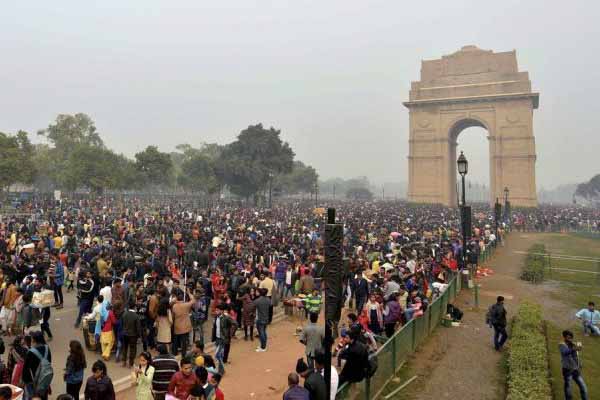
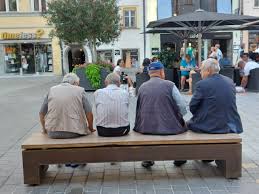
Challenges of public spaces. Managing a variety of uses, guaranteeing safety and security, handling funding and maintenance, adjusting to environmental changes, addressing social fairness and accessibility, and overcoming governance fragmentation (such as disorganized efforts or privatization) are some of the challenges associated with public spaces. Important concerns include striking a balance between regulation and unrestricted access, preventing unofficial activity from encroaching, fighting graffiti, guaranteeing use for all groups (including women and girls), and preparing for long-term sustainability in the face of urbanization and climate change.
CHALLENGES OF PUBLIC SPACES
Although ensuring true inclusivity for all groups continues to be a major challenge, public spaces—such as parks, streets, squares, and libraries—are accessible, shared areas that serve as vital urban hubs for social interaction, recreation, and community identity. They also foster well-being and economic activity by freely connecting people and activities.
Definition of public space;
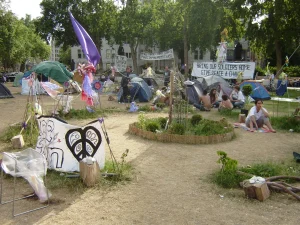
All areas designated for unrestricted usage by all are considered public spaces; this is the idea of free access for everybody. Squares, forecourts, pavements, and pedestrian zones are among them, as are green spaces (parks, gardens, walks, riverbanks), as well as any furniture or other items that may be found there.
Challenges;
1. Absence of seating Not many public areas even have seating available. People are so frequently compelled to adjust to the circumstances in their unique ways as a result of their prolonged search for comfort.
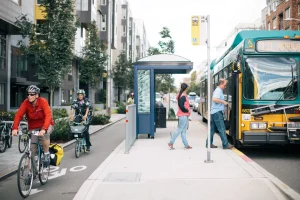
2. transportation stops that are inconveniently placed Places where nobody wants to use bus or rail stations are a surefire way to fail.
3. Dead zones or blank barriers encircling an area A place’s surrounding environment is just as crucial to its success as the layout and administration of the actual space.
4. Meanwhile, the dominance of automobiles in an area There might not be enough crosswalks, too-wide streets, or enough sidewalks. Features that are dysfunctional Often, rather than promoting activity around them.
More Challenges;
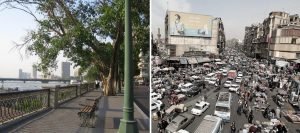
Challenges of public spaces
5. However, poor entryways and areas that are not visually accessible People must be able to see and access an area for it to be used.
6. Although, absence of meeting places: This refers to amenities that people need or desire, like playgrounds, or locations where a variety of components come together to form a gathering spot, such as a bus stop, a vending cart, or outdoor seating.
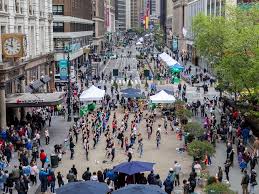
Challenges of public spaces
7. Also, food is frequently an essential element of a well-functioning gathering place.
Summary
Public spaces now face extra societal, environmental, political, technical, and economic challenges in addition to the uncertainties of a changing world. How may public spaces be designed to meet various social norms and adapt to changing times?


Review for saint laurent black

Varieties of perfumes for women

Feminine body mists

A Step-by-Step Guide to Deleting Reels on Instagram

A Comprehensive Guide to Setting Up a YouTube Premiere