Children
Child Exploitation



Child exploitation. When a person or group uses an imbalance of power to coerce, manipulate, or trick a person under the age of eighteen for financial gain, sexual fulfillment, labor, or personal profit, it is considered child exploitation, a severe form of child abuse. It can take many forms, including child sexual exploitation (CSE), child criminal exploitation (CCE), and child trafficking, and it can happen in person or online.
CHILD EXPLOITATION
A child’s growth, beliefs, sense of self-worth, and ability to function can all be severely impacted by child exploitation. A child’s mental and physical health may suffer long-term consequences due to the frequent and complex nature of abuse. Children and teenagers who are abused may experience the following psychological, emotional, and physical consequences.
1. Physical well-being;


Injuries from physical abuse of children can range from mild ones like abrasions or bruises to more serious ones like internal bleeding, deep cuts, or fractured bones. Long-term emotional harm may also follow these physical wounds.
2. Mental well-being;
Long into adulthood, the effects on a child’s mental health may continue. Mental health issues like post-traumatic stress disorder, attention deficit hyperactivity disorder (ADHD), anxiety, depression, and other mood disorders can be brought on by child abuse.
3. Childhood trauma;


A child who has experienced child abuse may develop problems with relationships, conduct, trust, and communication. Victims may be violent, confrontational, or prone to suicidal thoughts or drug and alcohol misuse. They could find it hard to pick things up or stay employed. They might also experience persistent worry and anxiety.
4. Brain development;


Abuse can have an impact on a child’s cognitive development and brain growth, leading to speech and language problems. Victims might experience learning disabilities or a reversal in their growth or skill set.
5. Problems in society;
Neglected and mistreated children frequently struggle with trust and are afraid. They could struggle with relationships and communication. They could be clinging, withdrawn, aggressive, nervous, or insecure.
6. Behavioral problems;


CHILD EXPLOITATION
Childhood and early adult behavioral problems can result from child maltreatment. A victim may experience emotional outbursts, mood swings, behavioral changes, depression, withdrawal, aggression, violence, hyperactivity, bedwetting, low self-esteem, etc. Adulthood may see some of these tendencies remain.
What symptoms indicate child exploitation?

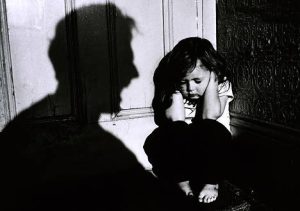
CHILD EXPLOITATION
The age of the child and the kind of abuse they are experiencing determine the symptoms of child abuse. Some children may not exhibit significant outward symptoms, and a child’s display of these symptoms does not necessarily indicate that they are being mistreated.
Among them are;
- Physical wounds include fractures, bite marks, belt marks, and welts
- Damage to the genital area
- Clinging or withdrawing behavior; • Abrupt behavioral shifts; • Violent or aggressive behavior; • Risk-taking behaviors
- Explosions of emotion
Summary
A victim’s physical, emotional, and social well-being is negatively impacted by it and abuse for the rest of their lives. These impacts can occasionally be passed down through generations and can be both instant and long-lasting.