Culture
Coffee Culture and Relevance

COFFEE CULTURE AND RELEVANCE
Coffee culture and relevance. The social and cultural elements that accompany coffee consumption are referred to as coffee culture. It includes everything, including the customs and rituals around coffee use. We’ll look at what coffee culture is and why it matters in our lives in this blog post.

COFFEE CULTURE AND RELEVANCE
Importance;
Traditions and Rituals
Numerous customs and traditions that are specific to various nations and areas are part of coffee culture. Coffee has a deeper meaning because of these customs and rituals, which also serve to strengthen our ties to our cultural past.
Social Bond
Since coffee has always been a social beverage, community and connection are valued in coffee culture. Coffee shops are becoming well-liked meeting spots where people may chat, work, and meet. Beyond the beverage itself, coffee culture encompasses the bonds and relationships that are forged around it.
Expression of Self
Another aspect of coffee culture is individual expression. Whether it’s making your own coffee at home or getting a special latte, coffee gives us a platform to showcase our creativity and personality. We are encouraged to attempt various blends and brewing techniques since coffee culture encourages experimentation and innovation.
Sustainability and Morality
In recent years, ethics and sustainability have also gained more attention in coffee culture. As people grow more conscious of the effects that coffee production has on the environment and society, they are looking for coffee that is grown and sourced sustainably. Transparency and moral business practices are highly valued in the coffee culture.
Nigeria’s consumption of coffee
Nigeria is mostly a country that drinks tea and cocoa. By 2023, it’s predicted that these two categories will represent about 40% of Nigerian consumers’ total non-alcoholic drink spending.
Additionally, despite the country’s easy access to instant coffee products, coffee consumption is still quite low overall. About 1,000 tones of coffee were consumed by Nigerian consumers in 2020, which is a little amount but represents a 23% rise over the year before.
Future
Social relationships, individual expression, and cultural legacy are all a part of coffee culture, which is a rich and varied part of our life. It gives us a means of expressing ourselves, relating to others, and connecting with our history. Ensuring that our coffee use is both pleasurable and responsible requires us to prioritize sustainability and ethics in the coffee business as we continue to embrace coffee culture.


Germany rosenmontag celebration. It unites communities in celebration and solidarity as a joyful and vibrant representation of German culture and tradition. Rosenmontag captures the essence of Carnival and is a beloved yearly custom for many people throughout Germany, whether through the ornate parades, whimsical costumes, or exuberant celebration.
GERMANY ROSENMONTAG CELEBRATION
However, every year on the Monday before Ash Wednesday, the German Carnival season (Karneval/Fasching) culminates in Rosenmontag, also known as Rose Monday. Large, vibrant street parades with satirical floats, marching bands, and costumed crowds tossing and collecting candies are well-known, especially in Cologne, Düsseldorf, and Mainz (“Kamelle”).
Origins and History:

Also, the origins of Rosenmontag can be traced back to medieval times when it was primarily observed in Catholic regions as a prelude to the somber season of Lent. The name “Rosenmontag” is believed to derive from the German word “Rosensonntag,” meaning “Sunday of Roses,” reflecting the joyful atmosphere of the occasion.
Traditions and Customs:

Meanwhile, central to the celebration of it is the elaborate and colorful parades that take place in cities and towns across Germany. These parades feature intricately designed floats, costumed participants, marching bands, and dancers, all contributing to the lively spectacle. Revelers often don masks and costumes, embracing the spirit of anonymity and frivolity.
One of the highlights of the Rosenmontag parade is the throwing of sweets, known as “Kamelle,” to the crowds. Children and adults alike eagerly await the opportunity to catch these sugary treats, adding to the festive ambiance.
Symbolism and Themes:

Germany rosenmontag celebration
Although, the themes of Rosenmontag often reflect a blend of historical, cultural, and contemporary influences. Satirical floats and displays may poke fun at political figures, social issues, or popular culture, providing a platform for social commentary and light-hearted humor.
Regional Variations:

Germany rosenmontag celebration
While Rosenmontag is celebrated throughout Germany, there are regional variations that add to the richness and diversity of the tradition. In cities like Cologne, Düsseldorf, and Mainz, Rosenmontag is a major event, drawing thousands of spectators and participants. Each city has its unique customs, traditions, and carnival clubs that contribute to the festivities.
Summary
Rose Monday, also known as Rosenmontag, is a colorful and joyous holiday observed throughout Germany, especially in areas with significant Catholic influences. Carnival, a time of joy and celebration preceding Lent, comes to an end on this joyous event.


Language and culture relationship. The two share a complicated yet comparable relationship, which explains this. Language and culture developed and influenced one another at the same time. The notion of linguistic relativity holds that people’s perceptions of their external surroundings are directly influenced by language. Every society has its own reality. This suggests that when a person speaks a language, they are embracing a culture, according to research. This theory holds that comprehending a foreign culture requires an awareness of its distinctive language.
LANGUAGE AND CULTURE RELATIONSHIP
Language is the primary means of expressing, transmitting, and forming cultural values, beliefs, and social behaviors; culture, on the other hand, provides the context that gives language its meaning, impacting everything from vocabulary to communication styles (paralanguage) and worldviews. They are inextricably linked systems. Since words and structures reflect societal norms, history, and identity, learning a language entails learning a culture. As such, they are crucial for genuine international understanding and connection.
Interactions Across Cultures;

When two cultures come into contact, what is likely to happen? Intercultural encounters are a typical occurrence in the modern world. Anybody who want to comprehend and get along with persons whose backgrounds and opinions are significantly different from their own must communicate.
Language and Culture;

Variations emerged within a language over time. Language transmission is self-replicating unless there is intentional disruption. But in order to advance individually, humans had to strengthen their social standing and hierarchy. Diversity in Linguistics and Culture Despite variety within a community, culture serves to unite it. first language
Relationship between language and culture. When discussing language and culture, the adage is frequently brought up. The reason for this is that the two have a complex yet similar relationship. Together, language and culture underwent development and mutual influence. According to the theory of linguistic relativity, language has a direct impact on how individuals perceive the outside environment. Every society has a unique reality.
Interactions Across Cultures;

Language and culture relationship
When two cultures come into contact, what is likely to happen? Intercultural encounters are a typical occurrence in the modern world. Anybody who want to comprehend and get along with persons whose backgrounds and opinions are significantly different from their own must communicate.
Language and Culture;

Language and culture relationship
Since language is learned, cultural transmission of language is possible. Young children in preschool acquire their first language through exposure to random words they come across both inside and outside of their homes. They acquire either their first language or a second language when they get to school age. Children are taught writing and reading skills, proper sentence construction, and formal grammar if it is their first language.
Variations emerged within a language over time. Language transmission is self-replicating unless there is intentional disruption. But in order to advance individually, humans had to strengthen their social standing and hierarchy. Diversity in Linguistics Despite variety within a community, culture serves to unite it.
Summary
While culture is the larger collection of shared beliefs, values, customs, behaviors, and artifacts that define a group, it is the system of communication (words, signs) that that group uses. Language is an essential part of culture and a tool for passing down traditions, but culture also influences how language is used (politeness, topics, slang).
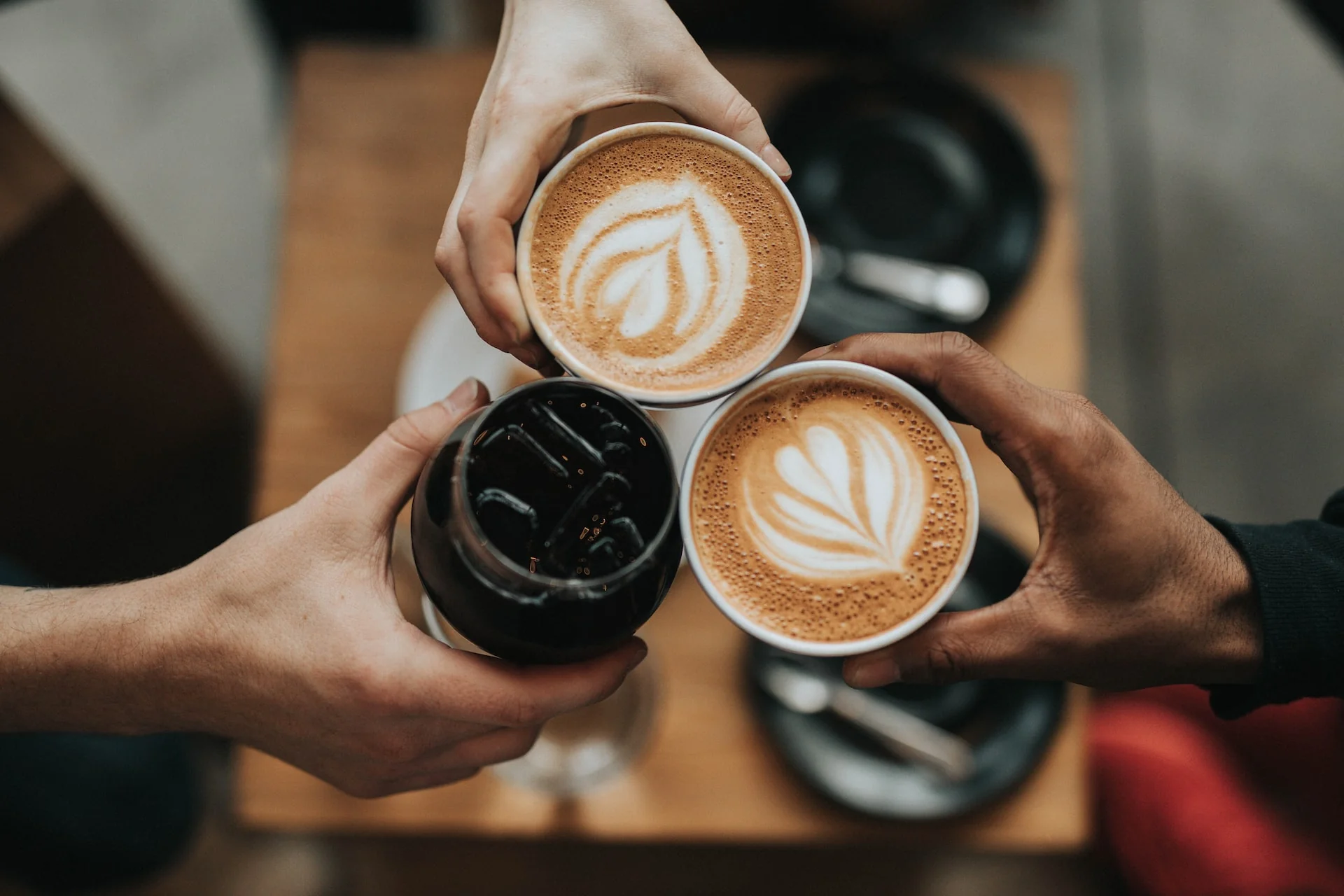

Importance of coffee culture. The customs and social behaviors around coffee intake, especially as a social lubricant, are known as coffee culture. The phrase also describes how coffee has spread throughout culture and become a popular stimulant. Espresso gained popularity in the late 20th century and contributed to coffee culture, especially in the West and other urbanized regions of the world. Mobile coffee carts and pop-up espresso bars, which serve specialized drinks at markets, festivals, and retail events, also became a part of coffee culture in the early 21st century.
IMPORTANCE OF COFFEE CULTURE
Coffee culture is significant because it connects people from different cultures and generations, promotes community through social hubs (cafes), drives major global economies, supports livelihoods, and integrates traditions and rituals. It also boosts workplace morale and creativity through shared breaks and improved communication. It’s a complex phenomenon that connects cultural identity, economic growth, and social connection on a worldwide scale.
Importance;
1. Traditions and Rituals;

Numerous customs and traditions that are specific to various nations and areas are part of coffee culture. Coffee has a deeper meaning because of these customs and rituals, which also serve to strengthen our ties to our cultural past.
2. Social Bond;

Since coffee has always been a social beverage, community and connection are valued in coffee culture. Coffee shops are becoming well-liked meeting spots where people may chat, work, and meet. Beyond the beverage itself, coffee culture encompasses the bonds and relationships that are forged around it.
3. Expression of Self;
Another aspect of coffee culture is individual expression. Whether it’s making your own coffee at home or getting a special latte, coffee gives us a platform to showcase our creativity and personality. We are encouraged to attempt various blends and brewing techniques since coffee culture encourages experimentation and innovation.
4. Sustainability and Morality;
Importance of coffee culture
In recent years, ethics and sustainability have also gained more attention in coffee culture. As people grow more conscious of the effects that coffee production has on the environment and society, they are looking for coffee that is grown and sourced sustainably. Transparency and moral business practices are highly valued in the coffee culture.
Nigeria’s consumption of coffee;

Importance of coffee culture
Nigeria is mostly a country that drinks tea and cocoa. By 2023, it’s predicted that these two categories will represent about 40% of Nigerian consumers’ total non-alcoholic drink spending.
Additionally, despite the country’s easy access to instant coffee products, coffee consumption is still quite low overall. About 1,000 tones of coffee were consumed by Nigerian consumers in 2020, which is a little amount but represents a 23% rise over the year before.
Future:

Importance of coffee culture
Social relationships, individual expression, and cultural legacy are all a part of coffee culture, which is a rich and varied part of our life. It gives us a means of expressing ourselves, relating to others, and connecting with our history. Ensuring that our coffee use is both pleasurable and responsible requires us to prioritize sustainability and ethics in the coffee business as we continue to embrace coffee culture.
Summary
Coffee culture and its significance. Coffee culture refers to the social and cultural aspects of coffee use. It covers everything, including the traditions and practices around the use of coffee. In this blog post, we’ll examine what coffee culture is and why it matters in our lives.

Earth Frozen Frontiers

Natural Majestic Wonders

Daily Life Hacks

A Step-by-Step Guide to Deleting Reels on Instagram

A Comprehensive Guide to Setting Up a YouTube Premiere