Health
Coronary Artery Disease


Coronary artery disease. Modifiable risk factors must be addressed in order to prevent CAD. The key to lowering the risk of getting CAD is leading a healthy lifestyle, which includes eating a balanced diet full of fruits, vegetables, and whole grains, exercising frequently, and abstaining from tobacco use. It’s also critical to manage illnesses like high blood pressure, diabetes, and high cholesterol with medication and lifestyle modifications. Many people with CAD may manage the condition and maintain active, healthy lives with early diagnosis and efficient treatment. To improve long-term results and avoid problems like heart attacks, however, continued care and monitoring are crucial.
CORONARY ARTERY DISEASE
The most prevalent kind of heart disease and a major global cause of death is coronary artery disease, or CAD. A buildup of plaque, a mixture of fat, cholesterol, calcium, and other materials, causes the coronary arteries, which carry blood to the heart muscle, to narrow or become blocked, resulting in coronary artery disease (CAD). Atherosclerosis is the term for this process, which lowers blood flow to the heart and causes a number of heart-related issues.
Causes and Risk Factors;

The primary cause of Coronary Artery Disease (CAD) is the accumulation of plaque in the coronary arteries, which can begin as early as childhood and progress over decades. Several factors increase the risk of developing CAD, including:
– High Blood Pressure: Damages the arteries, making them more susceptible to plaque buildup.
– High Cholesterol: Contributes to plaque formation.
– Smoking: Damages the lining of the arteries and promotes plaque formation.
– Diabetes: Increases the risk of atherosclerosis and heart disease.
– Obesity: Leads to other risk factors like high blood pressure and diabetes.
– Physical Inactivity: Increases the risk of obesity and other related conditions.
– Unhealthy Diet: High in saturated fats, trans fats, and cholesterol.
– Age and Gender: The risk increases with age, and men are generally at higher risk, though the risk for women rises after menopause.
– Family History: A family history of heart disease increases the likelihood of developing Coronary Artery Disease (CAD).
Symptoms;

coronary artery disease
CAD can be asymptomatic for many years, but as the disease progresses, symptoms may appear, especially during physical exertion or stress when the heart demands more oxygen. Common symptoms include:
– Chest Pain (Angina): A feeling of pressure, tightness, or pain in the chest, often triggered by physical activity or emotional stress. It may radiate to the arms, neck, jaw, or back.
– Shortness of Breath: Occurs when the heart can’t pump enough blood to meet the body’s needs.
– Fatigue: Unusual tiredness, particularly during activities that didn’t previously cause fatigue.
– Heart Attack: Occurs when a coronary artery becomes completely blocked, leading to severe chest pain, shortness of breath, sweating, and nausea. A heart attack is a medical emergency and requires immediate attention.
Diagnosis and Treatment;

coronary artery disease
Diagnosing CAD typically involves a combination of medical history evaluation, physical examination, and diagnostic tests. Common tests include:
– Electrocardiogram (ECG): Measures the electrical activity of the heart.
– Stress Test: Monitors the heart’s response to physical exertion.
– Echocardiogram: Uses sound waves to create images of the heart and assess its function.
– Coronary Angiography: A specialized X-ray test that uses contrast dye to visualize blockages in the coronary arteries.
– Blood Tests: Check cholesterol levels and other markers of heart disease.

Treatment for CAD focuses on managing symptoms, reducing risk factors, and preventing complications. Treatment options include:
– Lifestyle Changes: Adopting a heart-healthy diet, exercising regularly, quitting smoking, and managing stress.
– Medications: To lower blood pressure, reduce cholesterol levels, prevent blood clots, and relieve angina.
– Surgical Procedures: In some cases, procedures like angioplasty (opening blocked arteries with a balloon) and stent placement or coronary artery bypass grafting (CABG) may be necessary to restore blood flow to the heart.
Summary
In order to stabilize plaque and alleviate symptoms, treatment includes lifestyle modifications (diet, exercise, quitting smoking), medications (statins, beta-blockers, ACE inhibitors, aspirin), and procedures like angioplasty/stenting (PCI) or Coronary Artery Bypass Grafting (CABG) to improve blood flow, manage risk factors (high blood pressure/cholesterol), and prevent heart attacks.
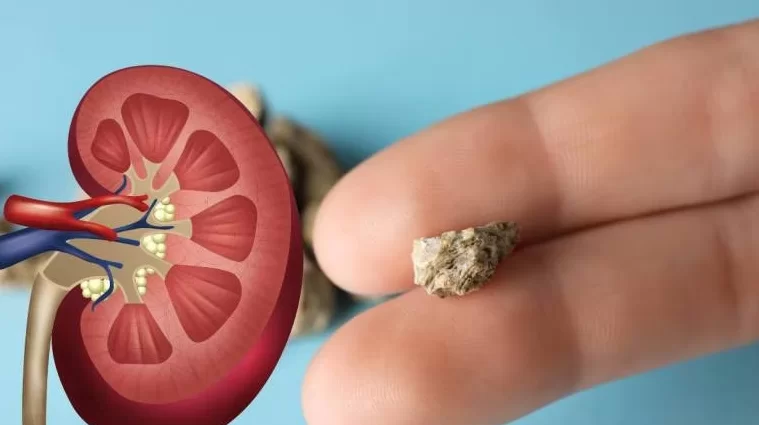
Analysing kidney stones. Although the precise causes of kidney stones differ from person to person, people can take preventative action by being aware of the prevalent risk factors and contributing variables. Kidney stone formation can be prevented by addressing underlying medical disorders, eating a balanced diet, and drinking enough water. For individualized advice on preventative measures, anyone with known risk factors or a family history of kidney stones should speak with a healthcare provider. Kidney stones must be identified and treated early to avoid consequences and recurring attacks.
ANALYSING KIDNEY STONES
Kidney stones are solid masses formed from crystals that separate from urine and build up in the kidneys. They can range in size from a grain of sand to larger than a marble and can cause intense pain as they pass through the urinary tract. Understanding the causes of kidney stones is crucial for prevention and management. Here are some key factors:
1. Dehydration:

– Insufficient fluid intake can lead to concentrated urine, increasing the risk of crystal formation and stone development.
2. Dietary Factors:
– High intake of certain foods can contribute to kidney stone formation, including:
– Oxalate-rich foods such as spinach, nuts, chocolate, and tea.
– High-sodium diets, which can increase calcium excretion in urine.
– Animal proteins, which can increase uric acid and calcium levels in urine.
3. Genetic Factors:
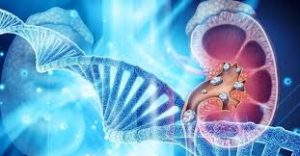
– Some individuals have a genetic predisposition to forming kidney stones. Family history of kidney stones increases the likelihood of developing them.
4. Medical Conditions:
– Certain medical conditions can increase the risk of kidney stone formation, including:
– Hypercalciuria: Excessive calcium excretion in urine.
– Hyperoxaluria: High levels of oxalate in urine.
– Hyperuricosuria: High levels of uric acid in urine.
– Cystinuria: Excessive excretion of cystine in urine.
5. Obesity:

Analysing kidney stones
– Obesity is linked to various metabolic abnormalities that can increase the risk of kidney stone formation, including insulin resistance and low urine pH.
6. Medications:
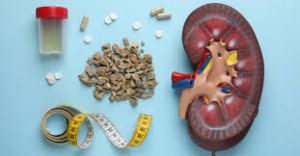
Analysing kidney stones
– Some medications can increase the risk of kidney stone formation, including diuretics, calcium-based antacids, and certain antibiotics.
7. Medical Procedures:
– Certain medical procedures, such as gastric bypass surgery or intestinal surgery, can alter the absorption of minerals and increase the risk of kidney stone formation.
8. Climate:
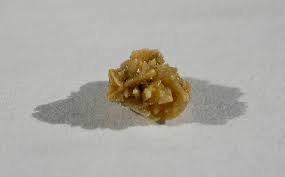
Analysing kidney stones
– Hot climates or environments with high temperatures can lead to increased fluid loss through sweating, contributing to dehydration and kidney stone formation.
9. Other Factors:
– Urinary tract infections (UTIs) and urinary tract obstructions can also increase the risk of kidney stone formation by altering urine composition and flow.
Summary
Kidney stone analysis is a diagnostic process used to identify the chemical makeup of stones that have been passed or surgically removed in order to help direct treatment and stop recurrence. It entails determining the mineral content of the stone (usually calcium oxalate, uric acid, or struvite) and using blood and urine tests to look for metabolic reasons.
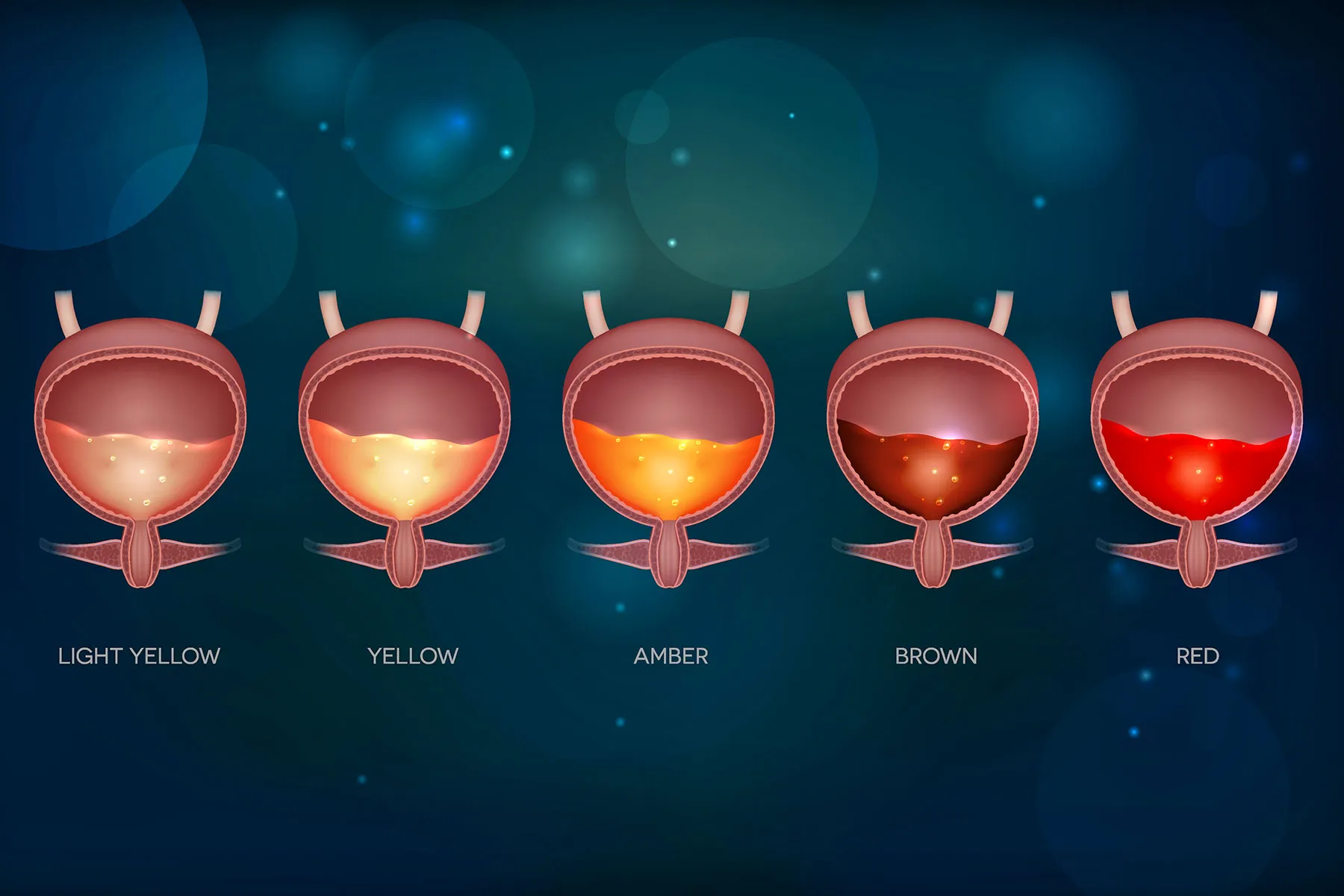
Common causes of red urine. Numerous things, from innocuous food choices to potentially dangerous medical issues, can cause red urine. Red urine should not be disregarded, especially if it is chronic or accompanied by other symptoms, even though dietary and lifestyle variables are frequently the cause. Seeking advice from a healthcare professional can guarantee proper management, give peace of mind, and even reveal any underlying health problems early on.
COMMON CAUSES OF RED URINE
Hematuria, or red urine, is frequently brought on by kidney and bladder stones, prostate enlargement (BPH), infections (UTI, kidney), or intense activity. Additionally, it may be brought on by drugs (such as rifampin), specific foods (such berries and beets), or, less frequently, kidney, bladder, or prostate malignancies. Red urine should be assessed by a medical professional even though it is occasionally transient.
Common Causes:
1. Dietary Factors:

Certain foods like beets, blackberries, and rhubarb contain pigments that can color urine red. Additionally, food dyes found in processed foods or drinks can also cause red discoloration.
2. Medications: Some medications, such as certain antibiotics, laxatives containing senna, and certain chemotherapy drugs, can cause urine to turn red or pink.
3. Dehydration: Concentrated urine due to dehydration can sometimes appear darker, including shades of red.
4. Exercise:

Common causes of red urine
Strenuous exercise can cause muscle injury and the release of myoglobin, a protein that can turn urine red.
Potential Medical Conditions:
1. Urinary Tract Infections (UTIs): Infections in the urinary tract, particularly if accompanied by other symptoms like pain or burning during urination, can cause red or pink urine.
2. Kidney Stones: The presence of kidney stones can lead to blood in the urine, causing it to appear red or pink.
3. Hematuria: This condition involves blood in the urine and can indicate various underlying issues, including kidney infections, bladder infections, or kidney disease.
4. Kidney or Bladder Cancer:
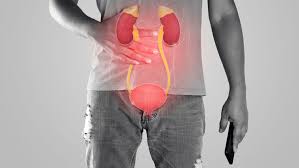
Common causes of red urine
In some cases, red urine may be a sign of cancer affecting the kidneys or bladder. Blood in the urine should always be evaluated by a healthcare professional, especially if it is recurrent or accompanied by other symptoms.
When to Seek Medical Attention:
While some cases of red urine may be benign, it’s crucial to recognize when to seek medical advice:
– Persistent Redness: If urine remains red for more than a day and is not linked to dietary factors or medications, it’s important to consult a doctor.
– Accompanying Symptoms:

Common causes of red urine
Symptoms like pain or burning during urination, abdominal pain, fever, or fatigue alongside red urine could indicate a more serious underlying condition.
– History of Kidney Issues: Individuals with a history of kidney problems or those at higher risk for urinary tract infections should be especially vigilant.
Summary
The sight of red pee can be shocking and cause people to worry about their health right away. Urine can appear red for a number of causes, from benign dietary factors to more significant medical issues, so it’s normal to be concerned. People can determine whether they need to seek medical assistance by being aware of the possible causes.

Honey benefits. It is a multipurpose natural substance that is used as a sweetener, for its nutritional value, and for its therapeutic qualities. Important applications include healing burns and wounds, relieving sore throats and coughs, supplying nourishment high in antioxidants, strengthening the heart, improving skin, and serving as a better substitute for sugar.
HONEY BENEFITS
High antioxidant concentration, efficient wound/burn healing, and cough alleviation are just a few of the many health advantages of honey. It is high in phenolic chemicals, which lower triglycerides and improve cholesterol to support heart health. It is a better, natural substitute for sugar, but use it sparingly.
Natural energy booster;

It’s time to give up energy drinks and your daily cup of coffee. Honey can be used in place of sugar and other sweeteners when making tea, baking goods or toast.
Because it contains natural sugers, it helps improve athletic performance and even lessens fatigue during exercise. Unlike fructose, which the body absorbs more slowly and provides continuous energy, honey contains glucose, which the body absorbs quickly and provides an instant energy boost. Honey has also been shown to maintain blood sugar levels fairly consistently when compared to other sugars.
Natural sleeping aid;

Honey benefits
A spoonful of honey helps you sleep through the night by slowly and steadily raising insulin, which in turns into the hormones that make you feel sleepy, serotonin and melatonin.
Taking a warm bath laced with honey promotes relaxation. Use the time tested sleep remedy of milk and honey. To sweeten a cup of hot milk, all you need is a spoonful of honey.
Honey causes the body to release serotonin, a neurotransmitter that improves mood, and convert it into melatonin, a hormone that controls the quantity and caliber of sleep. A good sleep aid is a cup of chamomile tea with a teaspoon of honey
Boosts immunity;

Honey’s antibacterial and antioxidant qualities are beneficial to the immune system and digestive system. Its antioxidants are also quite effective at eliminating free radicals from the body. As a morning drink, mix a table spoon of honey with half a lemon’s worth of lemon juice into a cup of warm water. Take advantage of this by eating it prior to breakfast.
Improves heart health;
Honey has potential benefits for heart health, blood pressure reduction, heartbeat regulation, heart health promotion and heart health prevention. Raw honey contains propolis, a type of resin made by bees that decreases triglyceride and cholesterol levels. Honey’s antioxidants may help reduce cholesterol. Honey should be used sparingly to treat illnesses.
Helps gum diseases;

Honey benefits
Honey’s antimicrobial and wound-healing properties help with wound care and healing. Regular use of honey can significantly reduce gum disease, bleeding, and plaque, to name a few dental and gum issues. Honey has the ability to release hydrogen peroxide that is antiseptic and acts as an antimicrobial agent to prevent the formation of bacteria. It’s recommended to use water and raw honey as mouthwash. Direct application of honey to diseased gums relieves pain, inflammation, and other symptoms of periodontal disease right away.
Summary
Bees use floral nectar to make honey, a thick, sweet liquid that is mostly made up of sugars (80–85%), water, and trace nutrients. It is frequently used for wound healing, cough suppression, and as a natural sweetener because it is high in antioxidants and possesses antimicrobial qualities.

Analysing kidney stones

Common causes of red urine

Honey benefits

A Step-by-Step Guide to Deleting Reels on Instagram

A Comprehensive Guide to Setting Up a YouTube Premiere