Nose health
Decongestants and Nasal Congestions


Decongestants and nasal congestions. Selecting the appropriate decongestant can have a big impact on controlling nasal congestion and enhancing comfort. Nasal saline sprays, oxymetazoline (Afrin), phenylephrine (Neo-Synephrine), and pseudoephedrine (Sudafed) all provide distinct advantages suited to various requirements and tastes. Always adhere to the directions included with each product, and get medical advice if your symptoms worsen or if you have any underlying medical issues that could influence the decongestant you choose.
DECONGESTANTS AND NASAL CONGESTIONS
By constricting blood vessels in the nasal passages, decongestants ease nasal congestion by reducing swelling and opening airways to facilitate breathing. They are used to temporarily relieve stuffiness brought on by sinusitis, allergies, or colds. Nasal sprays are useful for short-term relief, but it’s important to avoid “rebound congestion” by using them for no more than three days.
1. Pseudoephedrine;

Overview: Pseudoephedrine, commonly sold under the brand name Sudafed, is an oral decongestant that shrinks the blood vessels in the nasal passages, reducing swelling and congestion.
Uses: Effective for relieving nasal congestion caused by colds, allergies, and sinus infections.
Benefits:
– Provides long-lasting relief (up to 12 hours).
– Non-drowsy formula, suitable for daytime use.
– Available in various strengths and formulations, including extended-release tablets.
Application: Follow the dosage instructions on the label or as directed by a healthcare professional. Typically, adults take one tablet every 12 hours, not exceeding two tablets in 24 hours.
2. Oxymetazoline;

Overview: Oxymetazoline, sold under the brand name Afrin, is a topical nasal spray that quickly reduces nasal congestion by constricting the blood vessels in the nasal tissues.
Uses: Ideal for temporary relief of nasal congestion due to colds, sinusitis, or allergies.
Benefits:
– Provides rapid relief within minutes.
– Lasts up to 12 hours per dose.
– Convenient spray form allows for targeted application.
Application: Spray two to three times into each nostril twice daily, but do not use for more than three consecutive days to avoid rebound congestion.
3. Phenylephrine;

DECONGESTANTS AND NASAL CONGESTIONS
Overview: Phenylephrine, available as both oral tablets and nasal sprays like Neo-Synephrine, is a decongestants that reduces swelling in the nasal passages.
Uses: Effective for relieving nasal congestion caused by colds, allergies, or sinus infections.
Benefits:
– Provides quick, temporary relief.
– Available in multiple forms (tablets, sprays, and drops).
– Suitable for short-term use.
Application: For nasal sprays, use two to three sprays in each nostril not more than every four hours. For oral tablets, follow the dosage instructions on the package or as directed by a healthcare professional.
4. Nasal Saline Spray;

DECONGESTANTS AND NASAL CONGESTIONS
Overview: Nasal saline sprays are a natural decongestant option that involves a saline (saltwater) solution to help clear nasal passages. While not a traditional medicated decongestant, saline sprays like those sold under the brand name Simply Saline can help moisturize and relieve nasal congestion.
Uses: Suitable for relieving nasal congestion and dryness caused by colds, allergies, or sinusitis.
Benefits:

DECONGESTANTS AND NASAL CONGESTIONS
– Safe for all ages, including infants and pregnant women.
– Can be used as often as needed without risk of rebound congestion.
– Helps wash away allergens, irritants, and mucus.
Application: Spray directly into each nostril as needed throughout the day. There are no usage limits, making it safe for frequent use.
Summary
A common symptom of colds, allergies, or sinus infections is nasal congestion, which can make breathing and sleeping uncomfortable. By decreasing nasal tract edema and improving airflow, decongestants can offer immediate relief. Above are decongestants will make it easier for you to breathe.










 Relief for nasal congestion. Home remedies for nasal congestion include using warm compresses, steam inhalation, and drinking lots of water to keep mucus draining and thin. For allergy-related congestion, over-the-counter remedies include saline nasal sprays, decongestants, and antihistamines; however, decongestants should be used carefully to prevent rebound congestion and elevated blood pressure. A doctor may prescribe nasal sprays, medicines for bacterial infections, or corrective surgery as extra therapies for chronic problems
RELIEF FOR NASAL CONGESTION
Excess fluid causes the nasal tissues and blood vessels to swell, resulting in nasal congestion, also referred to as a stuffy nose. Breathing, sleeping, and everyday activities can all be hampered by this painful condition. Effective management of nasal congestion can be achieved by being aware of its causes, symptoms, and alleviation techniques.
Causes of Nasal Congestion
Nasal congestion can be caused by a variety of factors, including:
1. Infections:
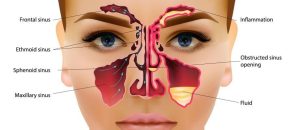
Viral infections such as the common cold, influenza, and sinus infections are frequent culprits. Bacterial infections can also lead to congestion.
2. Allergies:
Allergic reactions to pollen, dust mites, pet dander, and other allergens can cause nasal passages to swell and produce excess mucus.
3. Environmental Irritants:
Exposure to smoke, pollution, strong odors, or chemicals can irritate the nasal lining and lead to congestion.
4. Structural Issues:
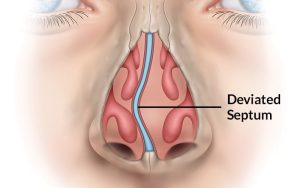
Deviated septum, nasal polyps, and enlarged adenoids can block nasal passages and cause chronic congestion.
5. Non-Allergic Rhinitis:
Changes in weather, certain foods, or hormonal changes (e.g., during pregnancy) can trigger nasal congestion without an allergic reaction.
Symptoms of Nasal Congestion;

In addition to a stuffy nose, nasal’s congestion may present with other symptoms, such as:
– Runny Nose: Excess mucus drainage, which can be clear or colored.
– Sinus Pressure: A feeling of pressure around the eyes, cheeks, and forehead.
– Postnasal Drip: Mucus dripping down the back of the throat, causing a sore throat or cough.
– Reduced Sense of Smell and Taste: Difficulty in detecting smells and tasting food.
– Headache: Pressure and pain in the head due to blocked sinuses.
Relief Methods for Nasal Congestion;
Managing nasal’s congestion involves alleviating symptoms and addressing the underlying cause. Common relief methods include:
1. Medications:

Relief for nasal congestion
– Decongestants:
Over-the-counter (OTC) nasal sprays or oral decongestants can reduce swelling in nasal passages (e.g., pseudoephedrine, oxymetazoline).
– Antihistamines:
OTC antihistamines can relieve congestion caused by allergies (e.g., loratadine, cetirizine).
– Nasal Corticosteroids:

Relief for nasal congestion
Prescription nasal sprays can reduce inflammation in chronic conditions (e.g., fluticasone, mometasone).
2. Home Remedies:

Relief for nasal congestion
– Steam Inhalation: Inhaling steam from hot water can help moisten and clear nasal passages.
– Saline Nasal Spray: Saline sprays or rinses can help clear mucus and hydrate nasal tissues.
– Hydration: Drinking plenty of fluids helps thin mucus, making it easier to expel.
– Humidifiers: Using a humidifier adds moisture to the air, which can soothe irritated nasal passages.
3. Lifestyle Adjustments:
– Avoiding Irritants: Reducing exposure to smoke, allergens, and strong odors.
– Elevating the Head: Sleeping with the head elevated can help reduce congestion.
When to Seek Medical Attention;

Relief for nasal congestion
While nasal’s congestion is often a minor issue, medical attention is necessary if:
– The congestion lasts longer than 10 days.
• There is severe pain or swelling in the face or eyes.
– When there are symptoms of a severe infection, such as high fever, green or yellow nasal discharge, or a persistent headache.
– There is difficulty breathing or symptoms of sleep apnea.
Summary
There are several explanations for the common ailment known as nasal congestion. People can control their symptoms and seek the right medical attention as needed if they are aware of its causes and efficient symptom-relieving techniques.


Relief for runny nose, it can be caused by anything irritating the interior of the nose. Runny and stuffy noses are frequently caused by allergies and infections, including sinusitis, the flu, and colds. Some people’s noses run constantly for no apparent cause. This condition is known as vasomotor rhinitis or nonallergic rhinitis.
RELIEF FOR RUNNY NOSE
Rhinorrhea, the medical term for a runny nose, is a common condition caused by an excess of nasal mucus. Although this might be bothersome and interfere with everyday tasks, it can be effectively managed by being aware of its causes, symptoms, and ways to relieve it.
Causes of Runny Nose
A runny nose can be triggered by various factors, including:
1. Infections:

Viral infections such as the common cold, flu, and sinus infections are common causes. Bacterial infections can also lead to a runny nose.
2. Allergies:
Allergic reactions to pollen, dust mites, pet dander, and other allergens can cause the nasal passages to produce excess mucus.
Exposure to smoke, pollution, strong odors, or chemicals can irritate the nasal lining and lead to a runny nose.
4. Weather Changes:

Cold, dry air or sudden changes in weather can cause nasal congestion and a runny nose.
5. Non-Allergic Rhinitis:
This condition can be triggered by certain foods, medications, hormonal changes, or other factors that are not related to allergies or infections.
Symptoms Accompanying Runny Nose;

A runny nose can be accompanied by other symptoms, such as:
– Nasal Congestion: A feeling of stuffiness or blockage in the nose.
– Sneezing:
Frequent sneezing due to irritation in the nasal passages.
– Itchy or Watery Eyes:
Commonly associated with allergies.
– Sore Throat:

Caused by mucus draining down the back of the throat (postnasal drip).
– Cough:
Resulting from postnasal drip irritating the throat.
Relief Methods for Runny Nose;
Managing a it involves relieving symptoms and addressing the underlying cause. Common relief methods include:
1. Medications:
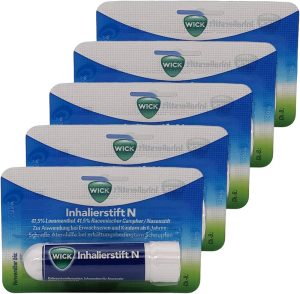
– Antihistamines: Over-the-counter (OTC) antihistamines like loratadine or cetirizine can help reduce symptoms caused by allergies.
– Decongestants: OTC nasal sprays or oral decongestants like pseudoephedrine can reduce nasal congestion.
– Nasal Corticosteroids: Prescription nasal sprays can reduce inflammation in chronic conditions (e.g., fluticasone, mometasone).
2. Home Remedies:
Relief for runny nose
– Saline Nasal Spray: Saline sprays or rinses can help clear mucus and soothe nasal tissues.
– Steam Inhalation: Inhaling steam from hot water can help moisten and clear nasal passages.
– Hydration: Drinking plenty of fluids helps thin mucus, making it easier to expel.
– Humidifiers: Using a humidifier adds moisture to the air, which can soothe irritated nasal passages.
3. Lifestyle Adjustments:

Relief for runny nose
– Avoiding Irritants: Reducing exposure to smoke, allergens, and strong odors.
– Using Tissues and Handkerchiefs: To manage mucus and maintain hygiene.
When to Seek Medical Attention;
Relief for runny nose
While it is is often a minor issue, medical attention is necessary if:
– The symptoms last longer than 10 days.
– It is accompanied with high fever or severe sinus pain.
– There are symptoms of a severe infection, such as green or yellow nasal discharge, or a persistent headache.
– There is difficulty breathing or symptoms worsen despite treatment.
Summary
There are several explanations for the common ailment known as a runny nose. People can control their symptoms and seek the right medical attention as needed if they are aware of its causes and efficient symptom-relieving techniques.


Sense of smell and taste reduction. Common disorders like viral infections, allergies, and age, as well as illnesses like sinuses, teeth, and some drugs, can all contribute to a diminished sense of taste and smell. Head injuries and neurological conditions like Parkinson’s or Alzheimer’s are more significant causes. The underlying cause will determine the course of treatment, which may include treating infections, allergies, or other medical issues.
SENSE OF SMELL AND TASTE REDUCTION
Numerous conditions, including frequent infections, nasal problems, aging, head injuries, and exposure to environmental pollutants, can result in a diminished sense of taste and smell. Effective management and treatment depend on determining the underlying cause. For an accurate diagnosis and advice, it’s critical to speak with a healthcare provider if you suffer from a chronic loss of taste and smell.
1. Upper Respiratory Infections;

Viral infections, such as the common cold and flu, are leading causes of temporary loss of smell and taste. These infections cause inflammation and congestion in the nasal passages, which can block the olfactory receptors responsible for detecting smells. In most cases, these symptoms resolve once the infection subsides.
2. Nasal and sinus issues;
Conditions like chronic sinusitis, nasal polyps, and allergic rhinitis can lead to reduced smell and taste. Chronic sinusitis causes persistent inflammation and blockage in the nasal passages, while nasal polyps are noncancerous growths that can obstruct airflow and reduce the ability to smell. Allergic rhinitis, triggered by allergens like pollen or dust mites, leads to nasal congestion and inflammation, impacting olfactory function.
3. Aging;

SENSE OF SMELL AND TASTE REDUCTION
As people age, their sense of smell and taste naturally decline. This is due to the gradual loss of olfactory receptor cells and taste buds, as well as changes in the way the brain processes these sensory signals. Aging also increases the likelihood of developing conditions like Alzheimer’s or Parkinson’s disease, which can further affect these senses.
4. Head Injuries;

SENSE OF SMELL AND TASTE REDUCTION
Traumatic brain injuries or head trauma can damage the olfactory nerves or the brain areas involved in processing smell and taste. Even minor concussions can lead to temporary or permanent loss of these senses, depending on the severity and location of the injury.
5. Exposure to Environmental Toxins;

SENSE OF SMELL AND TASTE REDUCTION
Exposure to certain environmental toxins, chemicals, or pollutants can impair the sense of smell and taste. For instance, prolonged exposure to solvents, heavy metals, or certain pesticides can damage the olfactory system. Smoking is another significant factor, as the chemicals in tobacco smoke can dull the senses of smell and taste over time.
Summary
A diminished sense of taste (hypogeusia) and smell (hyposmia) can have a big impact on day-to-day living and food satisfaction. Because of their tight relationship, these senses are frequently affected when one is lost. It can be easier to find the right treatment and effectively manage these diseases if you are aware of the possible reasons.

Cold Weather Coping Mechanisms

How to Quit Smoking

Life Stages

A Step-by-Step Guide to Deleting Reels on Instagram

How to Create a WhatsApp Group